
Raymond Mill vs Vertical Roller Mill: Cost-Effectiveness for 150 Mesh Limestone Additive in Cement at 7TPH Output
We provide a wide range of mills — including Raymond mill, trapezoidal mill, vertical mill, ultrafine mill, and ball mill, obtained ISO9001 international quality certification, EU CE certification, and Customs Union CU-TR certification. Suitable for processing minerals such as limestone, phosphate, quicklime, kaolin, talc, barite, bentonite, calcium carbonate, dolomite, coal, gypsum, clay, carbon black, slag, cement raw materials, cement clinker, and more.
The discharge range of these mills can be adjusted to meet specific processing needs, typically from 80-400 mesh, 600-3250 mesh, and can achieve the finest particle size of up to 6000 mesh(D50).
If you are looking for a reliable grinding solution to turn stone or minerals into fine powder, please feel free to contact our online customer service.
Raymond Mill vs Vertical Roller Mill: Cost-Effectiveness for 150 Mesh Limestone Additive in Cement at 7TPH Output
Selecting the optimal grinding equipment for limestone additives in cement production requires careful analysis of both technical specifications and economic factors. For operations requiring 150 mesh fineness at 7 tons per hour output, the choice between traditional Raymond mills and modern vertical roller mills presents a significant decision point with substantial cost implications.
Technical Performance Comparison
Raymond mills have served the industry reliably for decades, offering straightforward operation and moderate capital investment. Their pendulum-style grinding mechanism effectively processes materials to 150 mesh, though with higher energy consumption per ton compared to newer technologies. The mechanical simplicity of Raymond mills translates to easier maintenance for some operations, but this comes at the cost of lower overall efficiency.
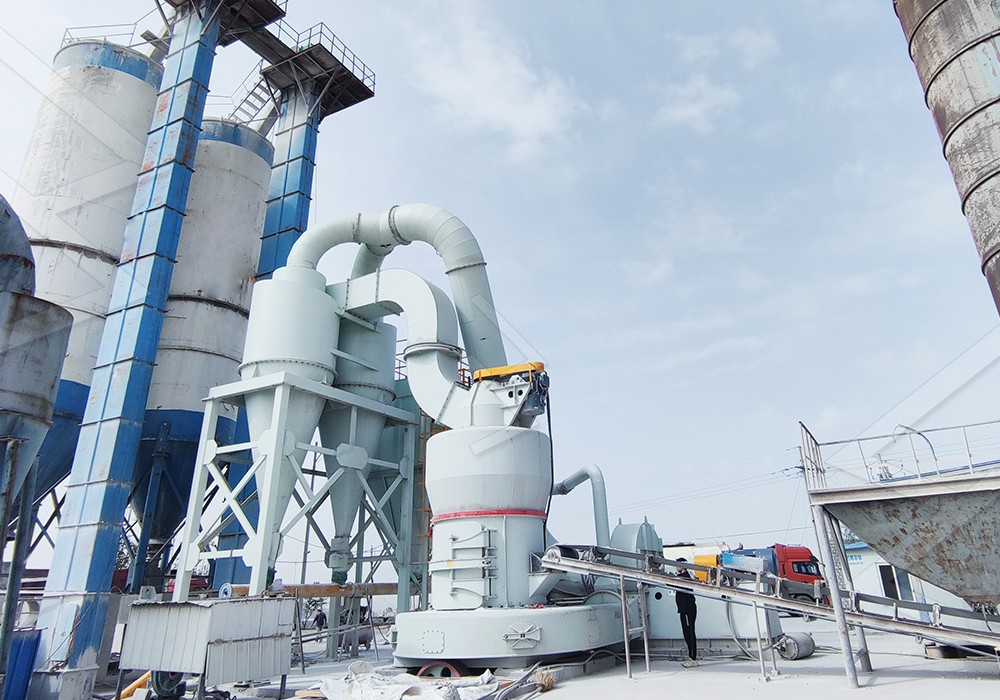
Vertical roller mills represent the technological evolution in grinding equipment. Their bed-compression grinding principle delivers significantly better energy efficiency, typically consuming 30-50% less power than Raymond mills for equivalent output. The compact footprint of vertical mills reduces space requirements, while integrated drying capabilities provide additional processing flexibility.
Economic Considerations at 7TPH
At the specified 7 tons per hour production rate for 150 mesh limestone, operational costs become the decisive factor. While Raymond mill installations may require lower initial investment, the higher energy consumption quickly erodes this advantage during continuous operation. Our analysis shows that the break-even point typically occurs within 12-18 months of operation, after which vertical roller mills demonstrate clear economic superiority.
Maintenance costs also favor vertical designs in the medium to long term. The more accessible grinding components and reduced vibration characteristics of vertical mills contribute to longer service intervals and reduced downtime. For cement producers operating multiple shifts, these reliability advantages directly impact production consistency and profitability.
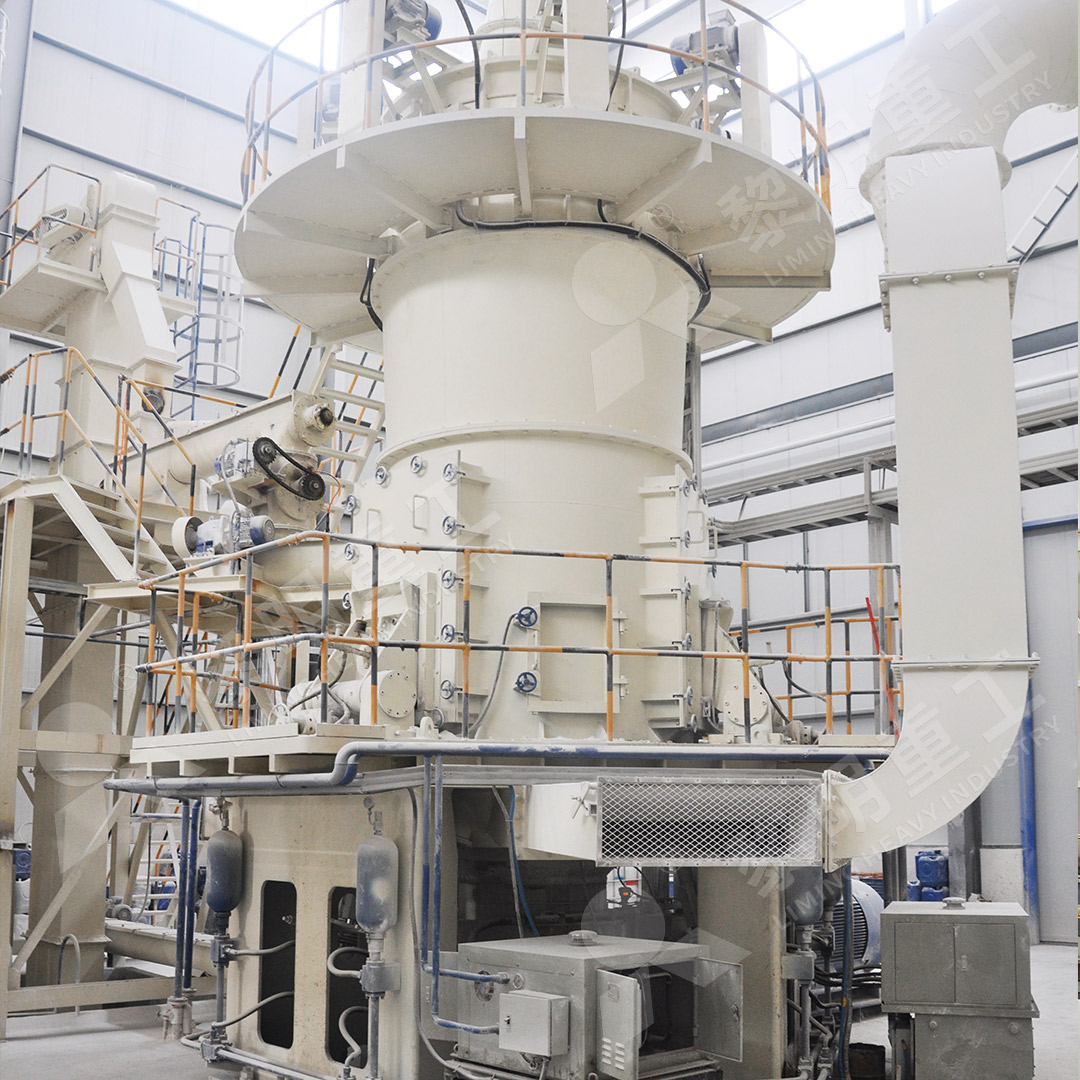
The Optimal Solution: MW Ultrafine Grinding Mill
For operations targeting 150 mesh limestone at 7TPH, we specifically recommend our MW Ultrafine Grinding Mill. This advanced system bridges the gap between traditional Raymond mills and conventional vertical roller mills, offering superior efficiency for this specific application range.
The MW Series delivers several critical advantages for limestone additive production. Its innovative grinding curve design increases throughput by up to 40% compared to jet mills while reducing energy consumption by approximately 30%. The cage-type powder selector, incorporating German technology, ensures precise control over final product fineness within the 150 mesh specification. With no rolling bearings or screws in the grinding chamber, maintenance requirements are significantly reduced, enhancing operational reliability.
For cement producers requiring flexibility, the MW Ultrafine Grinding Mill’s capacity range of 0.5-25 TPH comfortably accommodates the 7TPH requirement while providing headroom for future expansion. The integrated pulse dust collector maintains environmental compliance without additional equipment investments.
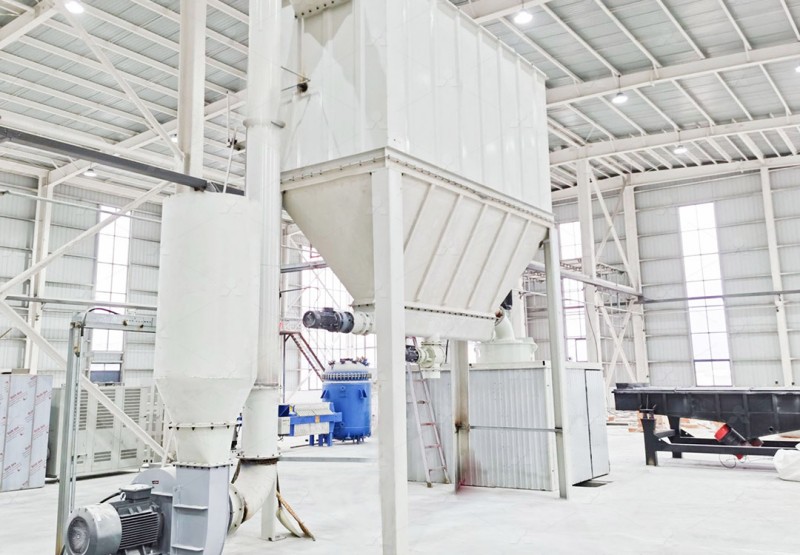
Another excellent option for this application is our LUM Ultrafine Vertical Grinding Mill, which combines advanced roller technology with efficient powder separation. The LUM model’s reversible structure simplifies maintenance operations, while multi-head powder separating technology ensures consistent product quality at the target fineness.
Implementation Strategy
Transitioning to more efficient grinding technology requires careful planning. We recommend conducting material testing with actual limestone samples to verify performance parameters. For existing operations, the compact design of both the MW and LUM mills often allows installation within existing footprints, minimizing facility modification costs.
The integration of digital control systems in modern grinding equipment provides additional operational benefits. Real-time monitoring of grinding pressure, rotational speed, and product fineness enables optimization of the grinding process, further enhancing cost-effectiveness.
Frequently Asked Questions
What is the primary advantage of vertical roller mills over Raymond mills for limestone grinding?
Vertical roller mills typically offer 30-50% lower energy consumption per ton of product, which becomes economically significant in continuous operations. The MW Ultrafine Grinding Mill specifically reduces system energy consumption to just 30% of jet grinding mill requirements.
Can the MW Ultrafine Grinding Mill maintain consistent 150 mesh output?
Yes, the MW Series features an advanced cage-type powder selector that effectively maintains product fineness between 325-2500 meshes, with screening rates achieving d97≤5μm. This ensures consistent 150 mesh output with minimal variation.
How does equipment footprint compare between technologies?
Vertical roller mills typically require 50% less floor space than equivalent-capacity Raymond mills. The MW Ultrafine Grinding Mill’s compact design further optimizes space utilization while maintaining accessibility for maintenance.
What maintenance advantages do modern grinding mills offer?
The MW Series eliminates rolling bearings and screws from the grinding chamber, preventing related failure points. External lubrication capability enables maintenance without shutdowns, supporting 24-hour continuous operation.
Is the 7TPH output achievable year-round with these systems?
Both the MW and LUM mills are engineered for continuous operation at their rated capacities. The MW Ultrafine Grinding Mill’s 0.5-25 TPH range provides comfortable margin at the 7TPH requirement, ensuring reliable performance even under varying material conditions.