
Raymond Mill vs. Superfine Mill: Which is Better for Your Grinding Needs?
We provide a wide range of mills — including Raymond mill, trapezoidal mill, vertical mill, ultrafine mill, and ball mill, obtained ISO9001 international quality certification, EU CE certification, and Customs Union CU-TR certification. Suitable for processing minerals such as limestone, phosphate, quicklime, kaolin, talc, barite, bentonite, calcium carbonate, dolomite, coal, gypsum, clay, carbon black, slag, cement raw materials, cement clinker, and more.
The discharge range of these mills can be adjusted to meet specific processing needs, typically from 80-400 mesh, 600-3250 mesh, and can achieve the finest particle size of up to 6000 mesh(D50).
If you are looking for a reliable grinding solution to turn stone or minerals into fine powder, please feel free to contact our online customer service.
Raymond Mill vs. Superfine Mill: Which is Better for Your Grinding Needs?
Selecting the right grinding equipment is a critical decision that impacts productivity, product quality, and operational costs. Two prominent categories often compared are the classic Raymond Mill and modern Superfine (or Ultrafine) Mills. While both serve the purpose of size reduction, their design philosophies, capabilities, and ideal applications differ significantly. This article provides a professional comparison to guide your investment.
Understanding the Core Technologies
Raymond Mill (Roller Mill): A proven workhorse for decades, the Raymond mill operates on a pendulum-style grinding mechanism. Material is fed between stationary rollers and a rotating ring. Ground powder is carried by an air stream to a classifier. It excels in producing powders in the range of 80 to 325 mesh (approximately 180 to 45 microns). Its strengths lie in its simplicity, robustness, and lower initial investment for medium-fineness grinding tasks in industries like mining, construction, and coal powder preparation.
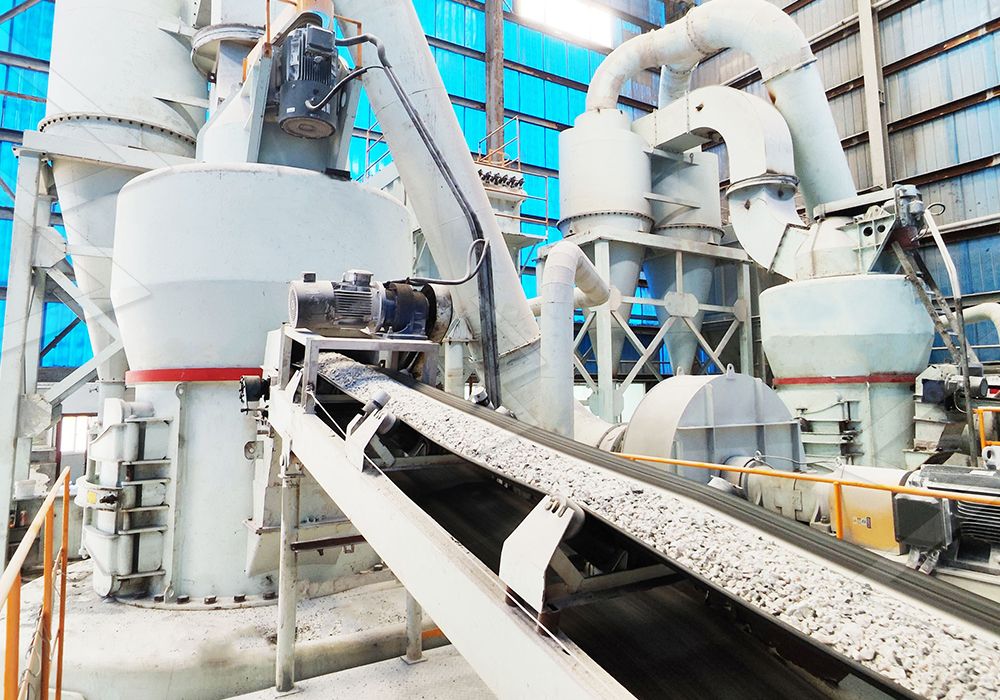
Superfine Mill (Ultrafine Grinding Mill): This category encompasses advanced mills like Vertical Roller Mills (VRM) for ultrafine applications and specialized ring-roller mills designed for extreme fineness. They integrate high-efficiency classifiers, often with multiple heads, and precise grinding curve designs. Their primary mission is to produce powders from 325 mesh up to 2500 mesh (45 microns down to 5 microns or less). They achieve this through optimized grinding force, longer material retention in the classification zone, and superior particle dispersion.
Key Comparison Factors
Let’s break down the comparison across several operational dimensions:
1. Fineness & Product Quality
Raymond Mill: Best suited for coarse to medium-fine grinding. Achieving consistent fineness beyond 325 mesh can be challenging and may lead to reduced throughput and higher wear. Product particle size distribution is generally broader.
Superfine Mill: Engineered specifically for high-precision, narrow particle size distributions at ultrafine levels. Advanced powder separators enable precise cut-point control. Crucially, designs that prevent direct metal-to-metal contact in the grinding chamber (like the absence of rolling bearings and screws inside) minimize iron contamination, which is vital for high-value materials like ceramics, cosmetics, or advanced fillers.
2. Energy Efficiency & Output
Raymond Mill: Efficient within its designed fineness range but can become less efficient when pushed to its limits for finer products, as regrinding cycles increase.
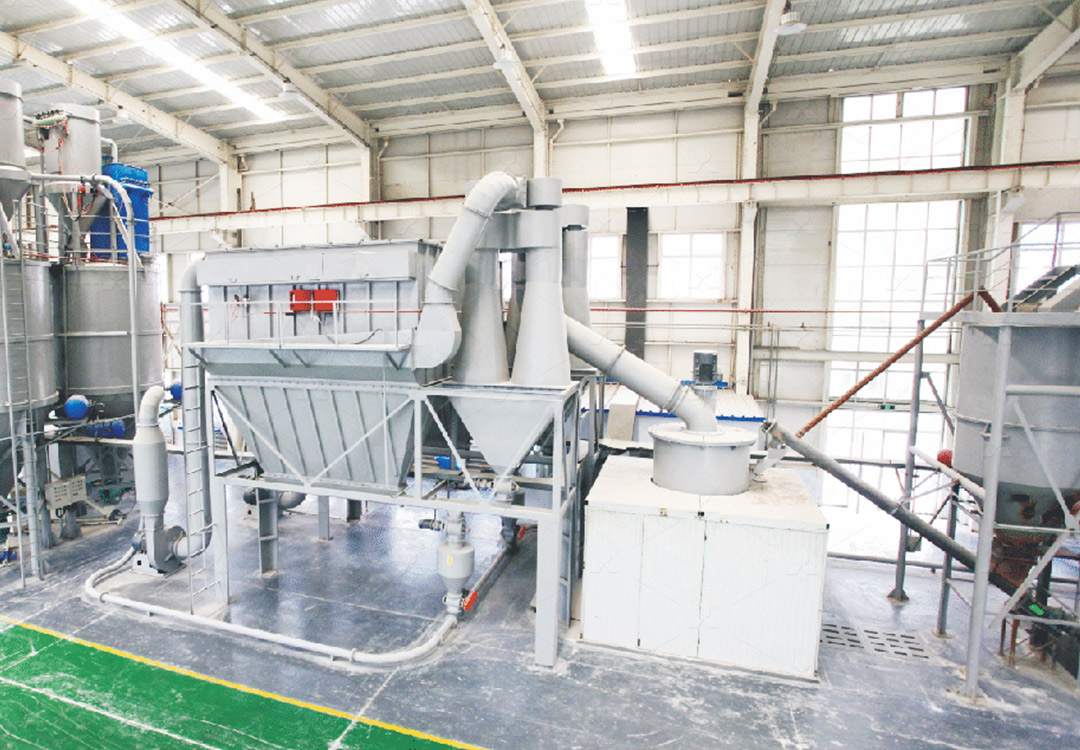
Superfine Mill: Modern designs prioritize specific energy consumption (energy per ton of product). For instance, LIMING’s MW Ultrafine Grinding Mill incorporates newly designed grinding curves and a high-efficiency cage-type powder selector. This technology allows it to achieve a production capacity up to 40% higher than some jet or stirred mills at the same power and fineness, while system energy consumption can be as low as 30% of a jet mill’s. This makes it a powerhouse for high-volume ultrafine production.
3. Operational & Maintenance Considerations
Raymond Mill: Relatively simple mechanical structure can mean easier maintenance for basic components. However, wear on grinding rolls and rings is a constant factor.
Superfine Mill: While more sophisticated, leading models are designed for reliability and ease of maintenance. Features like external lubrication systems that allow “lubrication without shutdown,” reversible roller structures for easy wear-part replacement, and digitalized CNC machining for core part precision all contribute to higher uptime and worry-free operation over the long term.
4. Environmental Footprint
Both mill types can be equipped with dust collectors. However, superfine mills are often designed as integrated, negative-pressure systems from the ground up. The MW Ultrafine Grinding Mill, for example, comes equipped with an efficient pulse dust collector and muffler as standard, ensuring the entire milling process meets stringent environmental standards with minimal dust and noise emissions—a critical factor for modern plants.
Making the Right Choice: Application is King
Choose a Raymond Mill if: Your primary need is reliable, cost-effective grinding to a fineness between 80-325 mesh for materials like limestone for desulfurization, coal for fuel, or barite for drilling mud. Your priority is a lower initial capital outlay for proven technology.
Choose a Superfine/Ultrafine Mill if: Your business demands high-value powders in the 325-2500 mesh range. This is essential for industries such as:
- Chemicals & Paints: Producing fillers and pigments with superior brightness and dispersion.
- Plastics & Polymers: Manufacturing functional additives.
- Advanced Ceramics: Preparing raw materials with ultra-low contamination.
- Food & Pharmaceuticals: Where ultra-fine, consistent particle size is critical for reactivity or texture.
A Recommended Solution for Demanding Ultrafine Applications
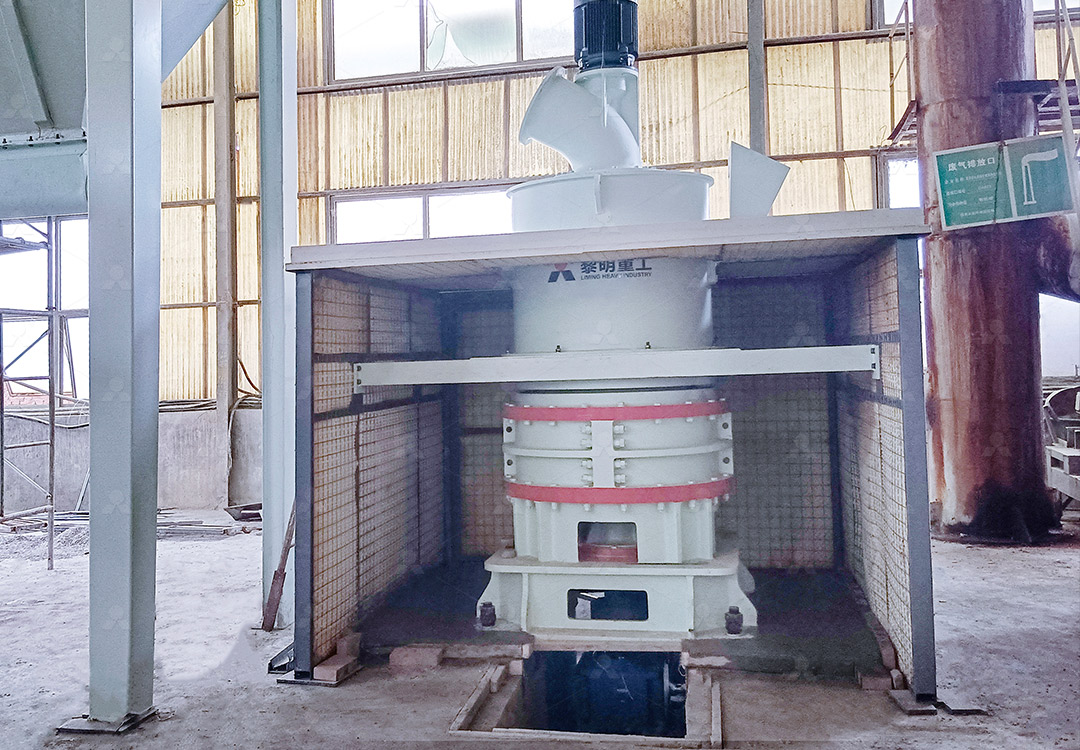
For operations that require a leap into high-yield, energy-efficient ultrafine production, the MW Ultrafine Grinding Mill stands out. It is engineered for customers dedicated to making ultra-fine powder. With an adjustable fineness between 325-2500 meshes, a unique grinding chamber free of internal rolling bearings and screws to prevent contamination, and a design focused on higher yield with lower energy consumption, it represents the next generation of grinding technology. Its ability to process materials like calcium carbonate, talc, mica, and specialty chemicals into premium-grade powders makes it an intelligent investment for future-proofing your production capabilities.
Conclusion
The choice isn’t about which mill is universally “better,” but which is perfectly suited to your specific material, target fineness, and production economics. The Raymond mill remains a valuable tool for standard grinding tasks. However, for ventures where ultrafine powder quality, production efficiency, and environmental compliance define competitiveness, investing in a modern superfine grinding mill like the MW series is not just an upgrade—it’s a strategic necessity. Evaluate your end-product specifications and total cost of ownership to make the most informed decision.
Frequently Asked Questions (FAQ)
Q1: Can a Raymond Mill be used to produce 800-mesh powder?
A: While possible with multiple passes and system adjustments, it is highly inefficient and not recommended. Raymond mills are not optimized for such high fineness. Throughput will drop dramatically, wear will increase, and particle distribution may be inconsistent. An ultrafine mill is the correct tool for this job.
Q2: Are superfine mills more expensive to maintain than Raymond mills?
A: Not necessarily. While initial purchase price may be higher, advanced superfine mills are designed for lower operating costs. Features like durable wear-resistant alloys, external lubrication systems, and easy-access designs reduce downtime and long-term maintenance expenses. Their higher energy efficiency also contributes to lower overall operational costs.
Q3: What is the most important factor in achieving consistent ultrafine powder?
A: The precision and efficiency of the powder separator (classifier) are paramount. Technologies like the multi-head cage-type selector in the MW Ultrafine Mill allow for accurate cut-point control and high screening rates (e.g., d97 ≤ 5μm), ensuring a uniform final product.
Q4: How does the MW Ultrafine Grinding Mill handle heat-sensitive materials?
A: The grinding process in the MW mill utilizes a large volume of air flow, which acts as a cooling medium. Furthermore, the efficient grinding action itself generates less excess heat compared to some high-speed impact mills, making it suitable for many heat-sensitive applications. For extremely sensitive materials, additional system cooling can be integrated.
Q5: Is the transition from a Raymond mill to an ultrafine mill operationally complex?
A: Modern ultrafine mills from reputable manufacturers like LIMING come with comprehensive automation and control systems (often PLC-based), making operation straightforward. Training and technical support are typically provided to ensure a smooth transition and optimal performance from day one.