
Raymond Mill: The Ideal Solution for Processing Limestone Particles in Indonesia
We provide a wide range of mills — including Raymond mill, trapezoidal mill, vertical mill, ultrafine mill, and ball mill, obtained ISO9001 international quality certification, EU CE certification, and Customs Union CU-TR certification. Suitable for processing minerals such as limestone, phosphate, quicklime, kaolin, talc, barite, bentonite, calcium carbonate, dolomite, coal, gypsum, clay, carbon black, slag, cement raw materials, cement clinker, and more.
The discharge range of these mills can be adjusted to meet specific processing needs, typically from 80-400 mesh, 600-3250 mesh, and can achieve the finest particle size of up to 6000 mesh(D50).
If you are looking for a reliable grinding solution to turn stone or minerals into fine powder, please feel free to contact our online customer service.
Raymond Mill: The Ideal Solution for Processing Limestone Particles in Indonesia
Indonesia’s rich limestone deposits present a significant opportunity for various industries, from construction materials to agricultural supplements. However, processing this abundant resource into high-quality, consistent powder requires robust and efficient grinding technology. For decades, the Raymond Mill has stood as a reliable workhorse in mineral processing, and its design principles continue to make it an ideal choice for limestone grinding operations across the Indonesian archipelago.
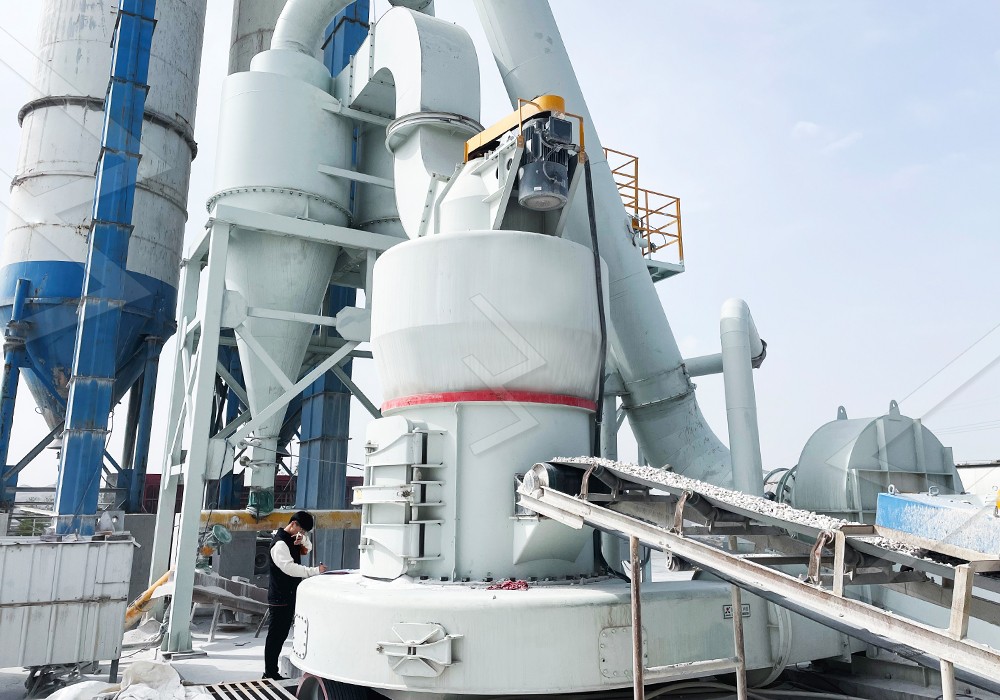
The fundamental strength of the Raymond Mill lies in its simplicity and durability. Its design, featuring a centralized transmission system and a vertically oriented main shaft, ensures stable operation under the demanding conditions often found in mining and quarrying sites. For limestone, which typically requires grinding to a fineness between 80 to 400 mesh for most industrial applications, the Raymond Mill offers precise control and consistent output. The system’s built-in classifier allows operators to adjust the fineness of the final product without stopping the machine, a critical feature for meeting diverse customer specifications.
When considering a grinding solution, operational costs are a primary concern. The R-series Raymond Mill, optimized by our engineers, is renowned for its low energy consumption per ton of output. Compared to traditional ball mills, it offers significantly higher efficiency, which translates directly into lower electricity bills—a crucial factor for sustainable operation. Furthermore, its compact structure reduces the initial investment in infrastructure and minimizes the operational footprint, an advantage for sites with space constraints.
Advanced Solutions for Ultra-Fine Requirements
While the classic Raymond Mill is perfect for coarse to medium-fine grinding, some Indonesian applications demand even finer powders. For projects requiring ultra-fine limestone powder with a fineness between 325 to 2500 meshes, we highly recommend our MW Ultrafine Grinding Mill. This machine is specifically engineered for customers who need to produce ultra-fine powder efficiently.
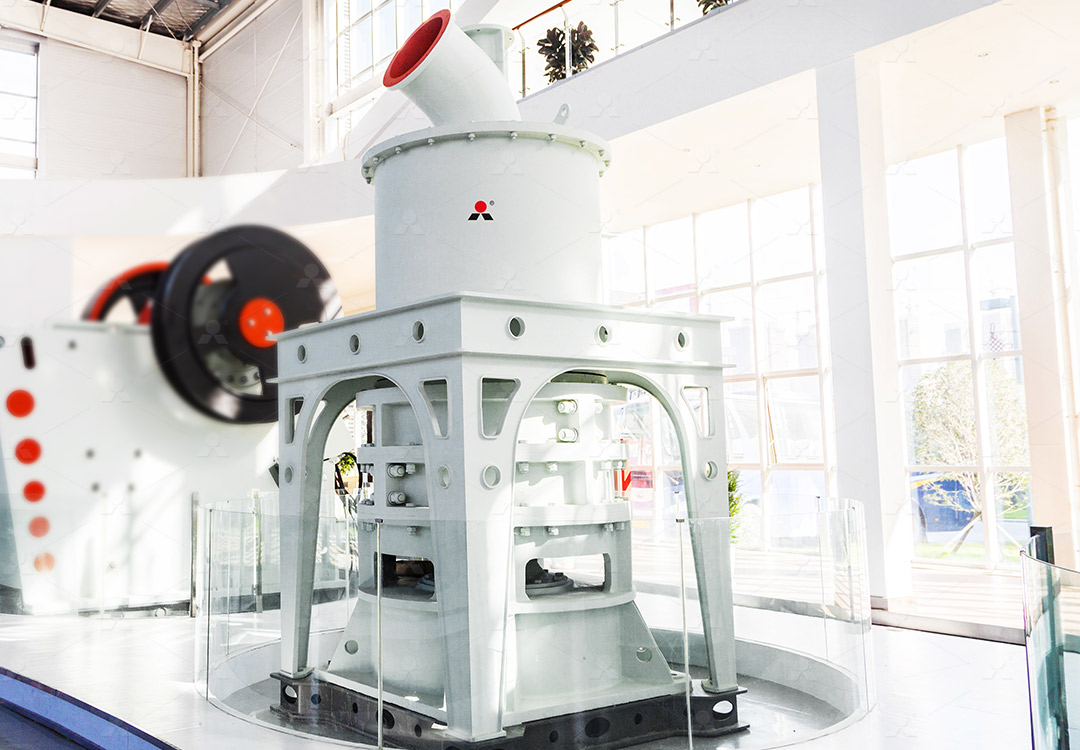
The MW Series boasts several key advantages. Its newly designed grinding curves for the roller and ring enhance grinding efficiency, resulting in a production capacity that is 40% higher than jet mills and double that of ball mills for the same power consumption. Its cage-type powder selector, incorporating German technology, ensures precise separation, allowing the product fineness to be accurately adjusted. A significant maintenance benefit is the absence of rolling bearings and screws in the grinding chamber, eliminating common failure points and enabling worry-free 24/7 operation. With an input size of 0-20 mm and a capacity range of 0.5-25 tph, the MW Ultrafine Grinding Mill is a versatile and powerful tool for high-value limestone processing.
Environmental and Operational Considerations in Indonesia
Operating in Indonesia means adhering to environmental standards and ensuring minimal impact on the surrounding community. Modern Raymond Mills and our advanced MW series are designed with this in mind. They are equipped with efficient pulse dust collectors and mufflers, ensuring that the entire production process is virtually dust-free and operates with low noise levels. This makes the technology exceptionally well-suited for integration into various industrial settings without causing environmental disruption.
Another critical factor for long-term success is the availability of technical support and spare parts. We stand behind every machine we produce, offering comprehensive technical services and a sufficient supply of original spare parts. This commitment ensures worry-free operation and minimizes downtime, keeping your production lines running smoothly.
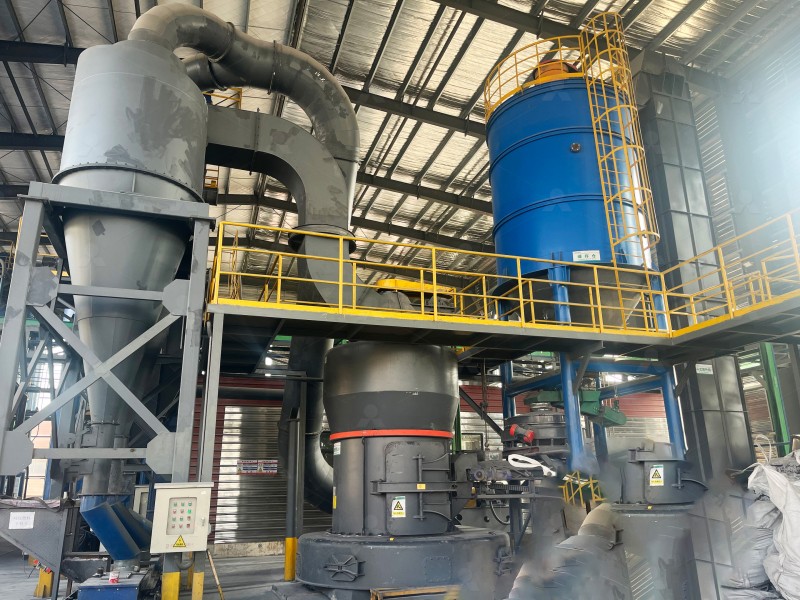
In conclusion, whether your operation requires the proven reliability of the Raymond Mill for standard applications or the advanced capabilities of the MW Ultrafine Grinding Mill for ultra-fine products, selecting the right grinding equipment is paramount. By leveraging these technologies, Indonesian enterprises can fully capitalize on the potential of their limestone resources, driving growth across multiple sectors.
Frequently Asked Questions (FAQ)
What is the typical fineness range achievable with a standard Raymond Mill for limestone?
The standard Raymond Mill is perfectly capable of grinding limestone to a fineness between 80 and 400 mesh. For finer requirements, up to 2500 meshes, the MW Ultrafine Grinding Mill is the recommended solution.
How does the MW Ultrafine Grinding Mill achieve higher energy efficiency?
The MW Mill features optimized grinding curves and a high-efficiency powder selector. This design allows it to achieve a 40% higher yield than jet mills and double that of ball mills with the same power input, reducing system energy consumption by up to 30%.
Are these mills suitable for regions with strict environmental regulations?
Yes. Both the Raymond Mill and the MW Ultrafine Grinding Mill are equipped with advanced pulse dust collectors and noise reduction systems. They operate fully in compliance with national environmental protection standards, ensuring minimal dust and noise pollution.
What are the key maintenance advantages of the MW Series?
A major advantage is the lack of rolling bearings and screws inside the grinding chamber. This design prevents common failures related to these components. Additionally, external lubrication points allow for maintenance without shutdown, supporting continuous 24-hour operation.
What is the maximum input size for the MW Ultrafine Grinding Mill?
The MW Ultrafine Grinding Mill can accept limestone feedstock with a maximum input size of 20 mm.