
Raymond Mill Specifications and Price Guide for 2024
We provide a wide range of mills — including Raymond mill, trapezoidal mill, vertical mill, ultrafine mill, and ball mill, obtained ISO9001 international quality certification, EU CE certification, and Customs Union CU-TR certification. Suitable for processing minerals such as limestone, phosphate, quicklime, kaolin, talc, barite, bentonite, calcium carbonate, dolomite, coal, gypsum, clay, carbon black, slag, cement raw materials, cement clinker, and more.
The discharge range of these mills can be adjusted to meet specific processing needs, typically from 80-400 mesh, 600-3250 mesh, and can achieve the finest particle size of up to 6000 mesh(D50).
If you are looking for a reliable grinding solution to turn stone or minerals into fine powder, please feel free to contact our online customer service.
Raymond Mill Specifications and Price Guide for 2024
As we step into 2024, the demand for efficient and reliable grinding equipment continues to grow across various industries. Raymond mills, a cornerstone of powder processing, have evolved significantly. This guide provides an overview of key specifications and a general price framework to help you make an informed decision this year. Remember, prices can vary widely based on configuration, capacity, and regional factors, so always request a formal quotation.
Understanding Raymond Mill Technology
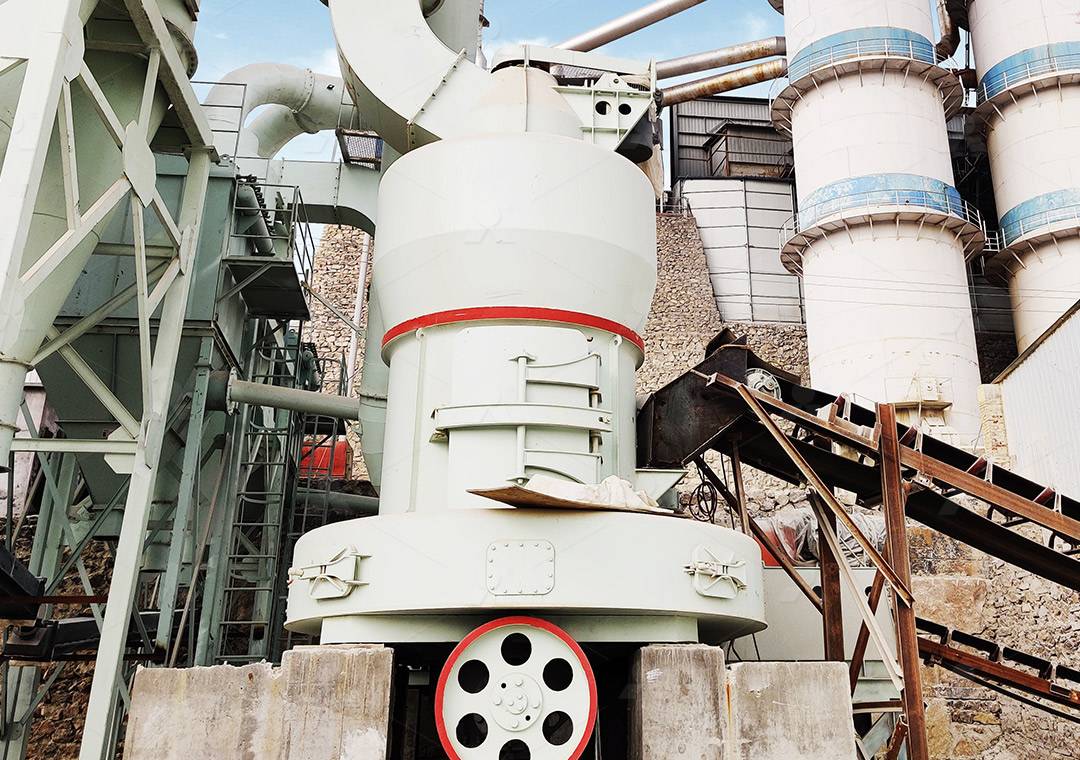
The classic Raymond mill, or R-series mill, remains a popular choice for many applications due to its simplicity and cost-effectiveness. Typical specifications include an input size of less than 25mm and capacities ranging from 0.6 to 5 tons per hour (tph). It’s renowned for its small footprint and low energy consumption, making it suitable for desulfurization, metallurgy, and non-metallic ore milling.
Beyond the Classic: Advanced Grinding Solutions
While the traditional Raymond mill is effective, technological advancements have led to more sophisticated and efficient designs. For operations requiring higher capacity, finer powders, and better energy efficiency, newer generations of mills are the answer.
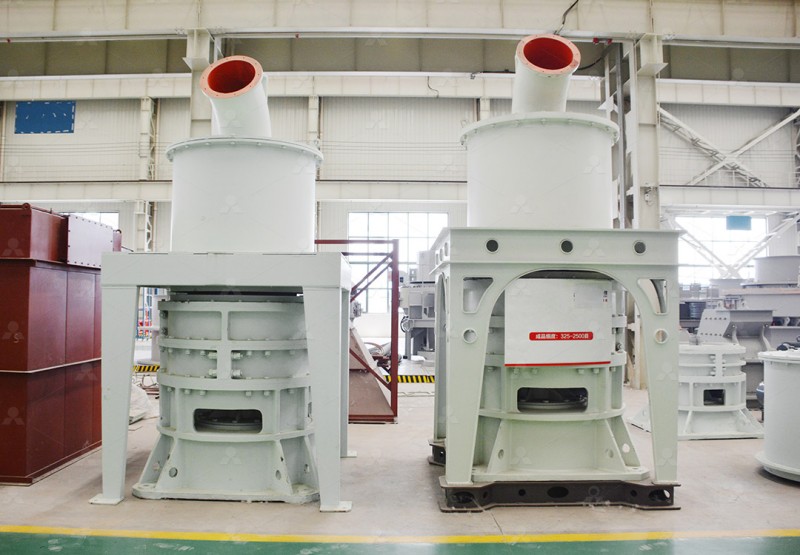
One standout performer we highly recommend is our MW Ultrafine Grinding Mill. This machine is engineered for customers who need to produce ultra-fine powder between 325 and 2500 meshes. With an input size of 0-20 mm and a impressive capacity range of 0.5-25 tph, it outperforms many traditional mills. Its key advantages include a 40% higher production capacity compared to jet mills and an energy consumption that is only 30% of them. The absence of rolling bearings and screws in the grinding chamber eliminates common failure points, and the integrated pulse dust collector ensures eco-friendly operation. It’s an ideal solution for processing materials like limestone, calcite, talc, and cosmetics additives.
Vertical Grinding: A Space-Saving Alternative
For those with limited space or looking for an integrated solution, vertical grinding mills are an excellent choice. They combine crushing, drying, grinding, classifying, and conveying in a single unit.
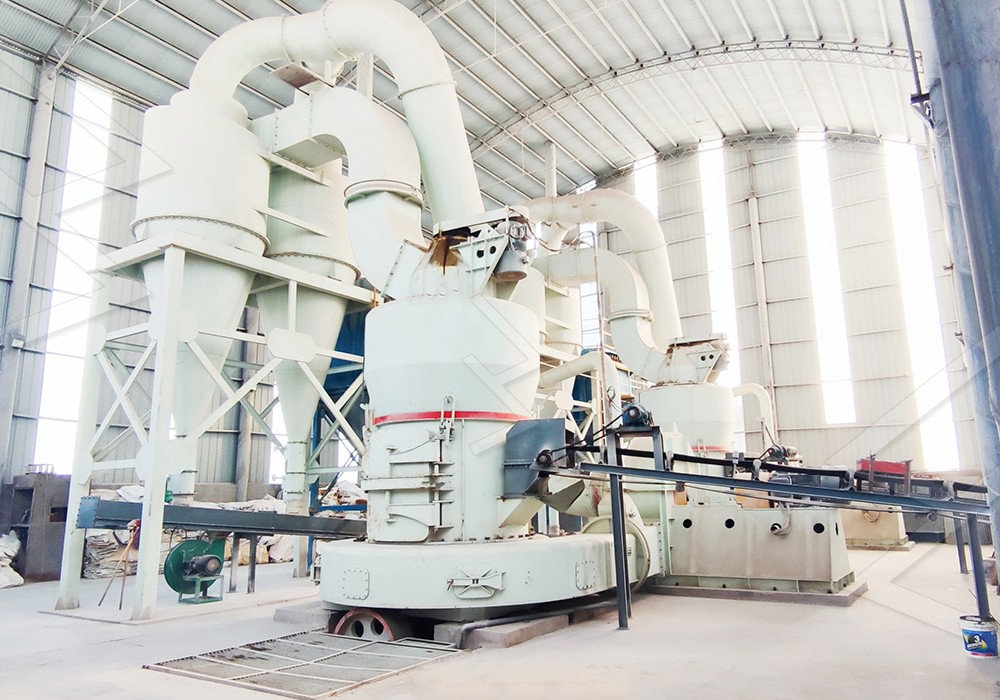
Our LUM Ultrafine Vertical Grinding Mill is another top-tier option. It handles an input size of 0-10 mm with a capacity of 5-18 tph. Integrating the latest grinding roller and powder separating technologies, it offers exceptional grinding efficiency and product quality. Its unique features, like double position-limiting technology for stable operation and a reversible structure for easier maintenance, make it a robust and reliable workhorse for producing superfine dry powders of non-metal ores.
Pricing Considerations for 2024
Providing exact prices is difficult without specific requirements. Factors influencing cost include:
- Capacity: Higher capacity models command a higher price.
- Fineness: Achieving a finer powder often requires more advanced (and costly) technology.
- Material Hardness: Abrasive materials may require more wear-resistant components.
- Automation Level: Fully automated, digitally controlled systems will be more expensive than basic models.
- Additional Features: Integrated dust collection, sound dampening, and advanced control systems add to the cost.
As a rough guide, expect entry-level Raymond mills to start in the tens of thousands of dollars, while high-capacity, advanced systems like the MW or LUM series can range well into the hundreds of thousands. The best investment is one that offers the lowest total cost of ownership, considering energy savings, maintenance costs, and production yield.
Conclusion: Choosing the Right Mill
Selecting the right grinding mill is crucial for your operation’s profitability and efficiency. While the classic Raymond mill is a solid, budget-friendly option, modern solutions like the MW Ultrafine Grinding Mill and LUM Ultrafine Vertical Grinding Mill offer superior performance, lower energy consumption, and advanced features that can future-proof your investment. We encourage you to contact our technical team to discuss your specific needs and get a accurate quote for 2024. Let us help you grind smarter, not just harder.