
Raymond Mill Replacement Parts: Top US Suppliers and OEMs
We provide a wide range of mills — including Raymond mill, trapezoidal mill, vertical mill, ultrafine mill, and ball mill, obtained ISO9001 international quality certification, EU CE certification, and Customs Union CU-TR certification. Suitable for processing minerals such as limestone, phosphate, quicklime, kaolin, talc, barite, bentonite, calcium carbonate, dolomite, coal, gypsum, clay, carbon black, slag, cement raw materials, cement clinker, and more.
The discharge range of these mills can be adjusted to meet specific processing needs, typically from 80-400 mesh, 600-3250 mesh, and can achieve the finest particle size of up to 6000 mesh(D50).
If you are looking for a reliable grinding solution to turn stone or minerals into fine powder, please feel free to contact our online customer service.
Raymond Mill Replacement Parts: Top US Suppliers and OEMs
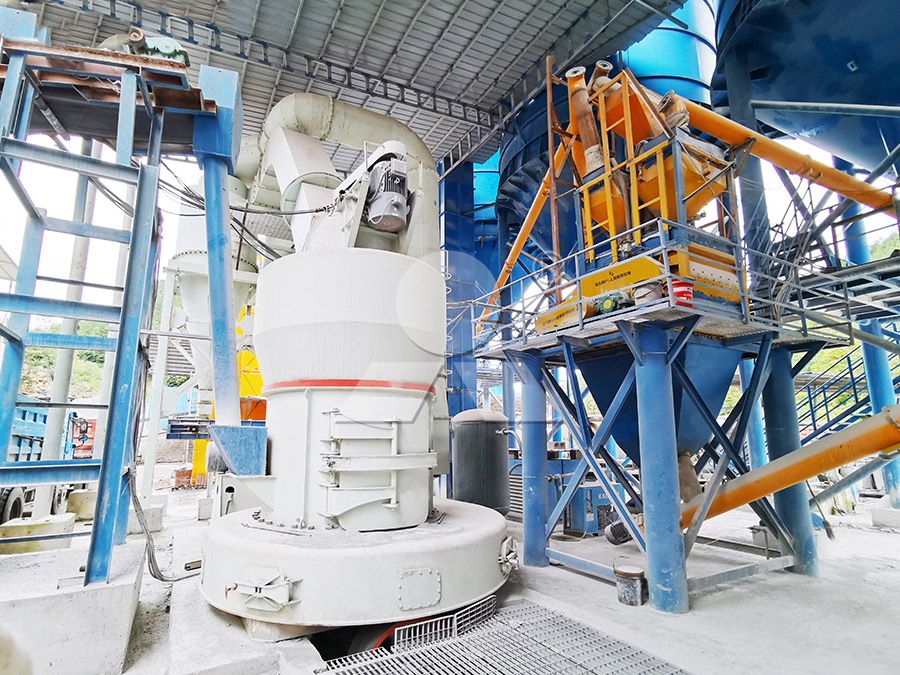
Maintaining optimal performance in mineral processing operations requires reliable access to high-quality replacement parts for Raymond mills and other grinding equipment. For plant managers and maintenance supervisors across the United States, sourcing genuine OEM components is not just a matter of convenience—it’s a critical factor in minimizing downtime, ensuring product consistency, and protecting long-term equipment investments.
The Critical Role of Genuine OEM Parts
While aftermarket parts may seem like a cost-effective solution initially, they often lead to increased wear, reduced efficiency, and more frequent breakdowns. Original Equipment Manufacturer (OEM) parts are engineered to exact specifications, ensuring perfect fit and optimal performance. Key components like grinding rollers, grinding rings, classifier blades, and journal assemblies require precision manufacturing that only OEM suppliers can consistently provide.
Leading US suppliers maintain extensive inventories of Raymond mill parts, including components for older models that may no longer be in production. These suppliers understand that a single day of unplanned downtime can cost operations tens of thousands of dollars in lost production.
Beyond Raymond: Advanced Grinding Solutions
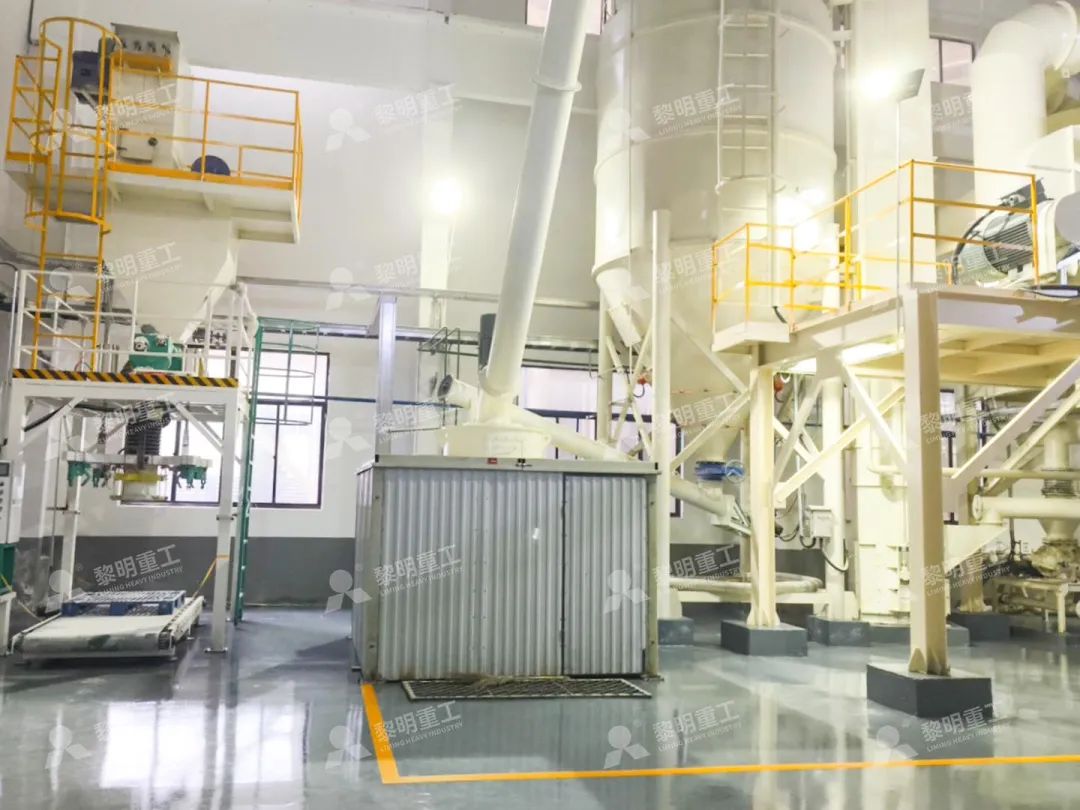
While Raymond mills have been industry workhorses for decades, technological advancements have led to more efficient grinding solutions. For operations requiring ultra-fine powders, the MW Ultrafine Grinding Mill represents a significant leap forward. With an input size of 0-20 mm and capacity ranging from 0.5-25 tph, this mill is engineered for customers who need to produce ultra-fine powder efficiently.
The MW Ultrafine Grinding Mill features several innovative design elements that reduce maintenance needs. Notably, there are no rolling bearings or screws inside the grinding chamber, eliminating concerns about bearing damage or loose screws causing machine failure. The external lubrication system allows for maintenance without shutdown, supporting continuous 24-hour operation—a crucial advantage for high-volume processing facilities.
Selecting the Right Supplier: Key Considerations
When evaluating suppliers for Raymond mill replacement parts, several factors should guide your decision:
- Technical Expertise: Suppliers should offer comprehensive technical support, helping you identify the correct parts and providing guidance on installation and maintenance.
- Inventory Availability: Look for suppliers with extensive stock of critical components to minimize lead times.
- Quality Assurance: Ensure suppliers provide documentation verifying part specifications and quality standards.
- After-Sales Support: Reliable suppliers stand behind their products with strong warranty policies and responsive customer service.
For operations processing materials like limestone, calcite, dolomite, or petroleum coal, the MW Ultrafine Grinding Mill offers distinct advantages. Its cage-type powder selector, incorporating German technology, allows precise fineness adjustment between 325-2500 meshes with screening rates achieving d97≤5μm in a single pass. The integrated pulse dust collector and muffler system ensures environmentally compliant operation, addressing growing regulatory concerns.
Future-Proofing Your Grinding Operations
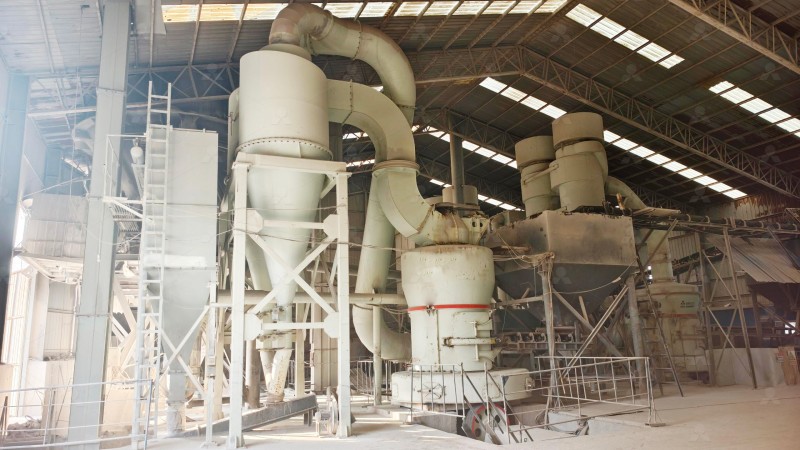
As grinding technology evolves, forward-thinking operations are considering upgrades to more advanced systems. The digital processing capabilities of modern mills like the MW series ensure higher precision in core components, while comprehensive spare parts programs guarantee worry-free operation. These advancements represent not just improved efficiency but also reduced long-term maintenance costs.
Frequently Asked Questions
What are the most commonly replaced parts in Raymond mills?
Grinding rollers, grinding rings, and classifier blades typically experience the most wear and require regular replacement. The frequency depends on material abrasiveness and operating hours.
How can I distinguish genuine OEM parts from aftermarket alternatives?
Genuine OEM parts feature precise casting marks, specific material compositions, and come with certification documentation. Reputable suppliers provide traceability for all components.
What is the typical lead time for Raymond mill replacement parts?
Lead times vary by component complexity and supplier inventory. Established US suppliers typically stock common parts for immediate shipment, while specialized components may require 2-4 weeks.
Are there advantages to upgrading from traditional Raymond mills to newer ultrafine grinding systems?
Yes, modern systems like the MW Ultrafine Grinding Mill offer significantly higher efficiency, lower energy consumption (up to 40% compared to jet mills), and advanced features like external lubrication that reduce maintenance requirements.
How important is proper installation of replacement parts?
Critical. Improper installation can lead to premature failure, reduced efficiency, and potential damage to other components. Many suppliers offer technical guidance or installation services to ensure optimal performance.