
Raymond Mill Price List and Quotation Guide
We provide a wide range of mills — including Raymond mill, trapezoidal mill, vertical mill, ultrafine mill, and ball mill, obtained ISO9001 international quality certification, EU CE certification, and Customs Union CU-TR certification. Suitable for processing minerals such as limestone, phosphate, quicklime, kaolin, talc, barite, bentonite, calcium carbonate, dolomite, coal, gypsum, clay, carbon black, slag, cement raw materials, cement clinker, and more.
The discharge range of these mills can be adjusted to meet specific processing needs, typically from 80-400 mesh, 600-3250 mesh, and can achieve the finest particle size of up to 6000 mesh(D50).
If you are looking for a reliable grinding solution to turn stone or minerals into fine powder, please feel free to contact our online customer service.
Raymond Mill Price List and Quotation Guide
Navigating the market for grinding mills can feel like traversing a labyrinth. You’re bombarded with technical specifications, conflicting claims about efficiency, and, of course, a dizzying array of price points. As a seasoned professional in mineral processing or powder production, you know that the true cost of a mill isn’t just its purchase price; it’s a complex equation factoring in energy consumption, maintenance downtime, spare parts availability, and final product quality. This guide aims to cut through the noise, offering a clear perspective on what influences Raymond mill pricing and how to evaluate a quotation that delivers genuine long-term value.
Understanding the Cost Drivers: Beyond the Sticker Price
When you receive a quotation for a grinding mill, you’re looking at a figure synthesized from multiple components. The core machine—the grinding rolls, ring, classifier, and mainframe—constitutes a significant portion. However, a complete system often includes auxiliary equipment like jaw crushers for pre-sizing, elevators, vibrating feeders, pulse dust collectors, silencers, piping, and electrical control cabinets. A comprehensive quote should detail these items separately. The capacity (tph) and required fineness (mesh) are primary cost escalators; a mill designed for 25 tph at 2500 mesh is inherently more complex and costly than one for 5 tph at 325 mesh.
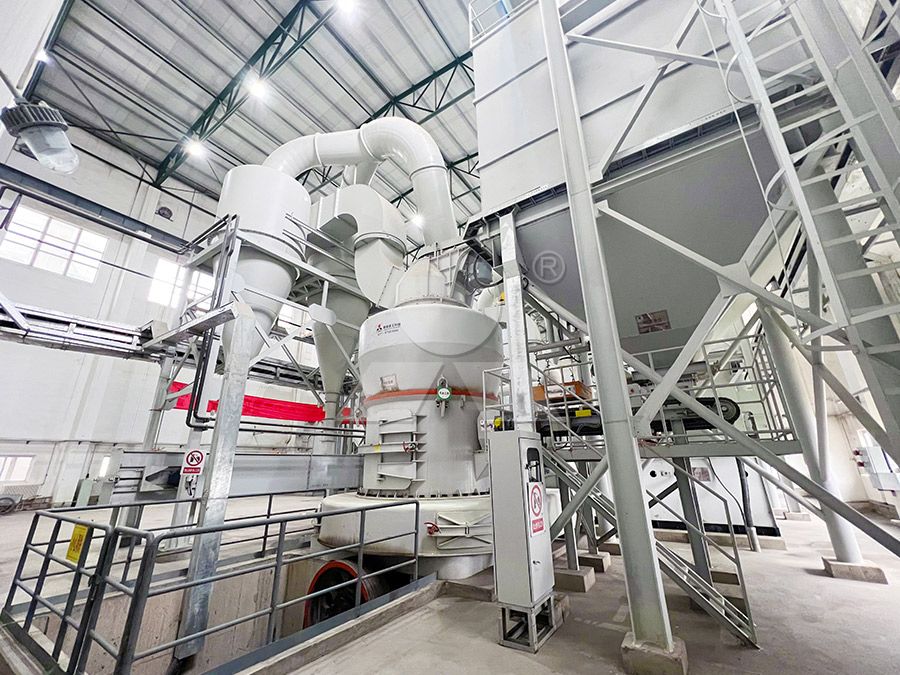
Material of construction is another critical factor. Grinding elements made from high-chromium alloy or other wear-resistant materials command a higher price but dramatically extend service life, reducing your cost-per-ton over the years. Furthermore, the level of automation and the sophistication of the control system (e.g., PLC with touchscreen interface vs. basic relay controls) will impact the final number. Always clarify what is included in the base price and what is considered an optional add-on.
From Traditional to Advanced: The Spectrum of Grinding Solutions
The term “Raymond Mill” has evolved. While the classic R-series Raymond mill remains a reliable, cost-effective workhorse for coarse to medium-fine grinding (typically up to 325 mesh), technological advancements have birthed a new generation of mills. Modern iterations like the European-style trapezium mills (MTW/MTW-Z) offer higher efficiency, better sealing, and larger capacity within a more compact footprint. For operations demanding ultra-fine powders, specialized mills are necessary.
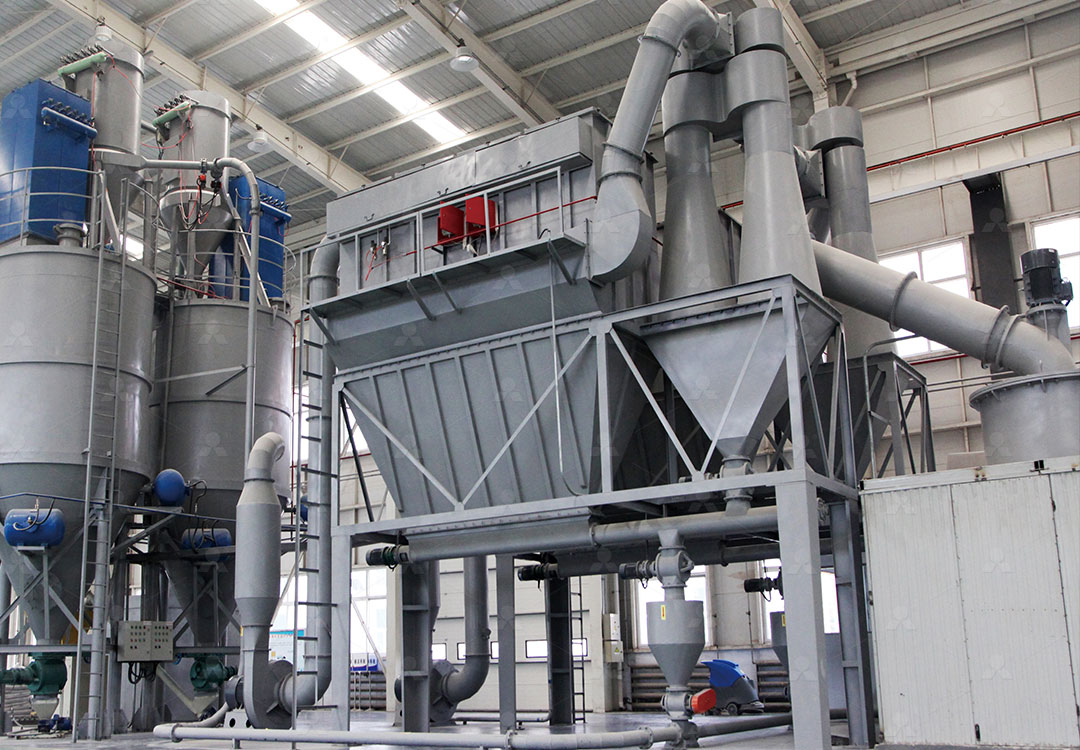
This is where our advanced engineering truly shines. For clients whose processes require exceptionally fine and consistent powders, we often recommend our MW Ultrafine Grinding Mill. This machine is a paradigm of efficiency and precision. It accepts feed material up to 20mm and delivers a remarkable output ranging from 0.5 to 25 tons per hour. Its defining feature is the adjustable fineness, capable of producing powder between 325 and an impressive 2500 meshes with a high screening rate of d97≤5μm in a single pass. The design eliminates rolling bearings and screws in the grinding chamber, a masterstroke that removes common failure points and allows for external lubrication without shutdown, enabling true 24/7 continuous operation. Coupled with its efficient pulse dust collector, it operates as a clean, environmentally sound system ideal for sensitive industries like cosmetics, pharmaceuticals, and high-end chemicals.
Evaluating Your Quotation: Key Questions to Ask
A professional quotation is more than a number; it’s a proposal for partnership. Scrutinize it for clarity on these points:
- Total System Scope: Does the price cover a turnkey system or just the main mill?
- Energy Efficiency Data: Are there specific figures comparing power consumption per ton against other mill types?
- Wear Part Life & Cost: What is the expected operational life for grinding rolls and rings, and what is the cost of these spare parts?
- After-Sales Support: What does the warranty cover? Is technical commissioning included? How readily available are original spare parts?
- Performance Guarantee: Does the supplier guarantee output capacity, fineness, and energy consumption under defined conditions?
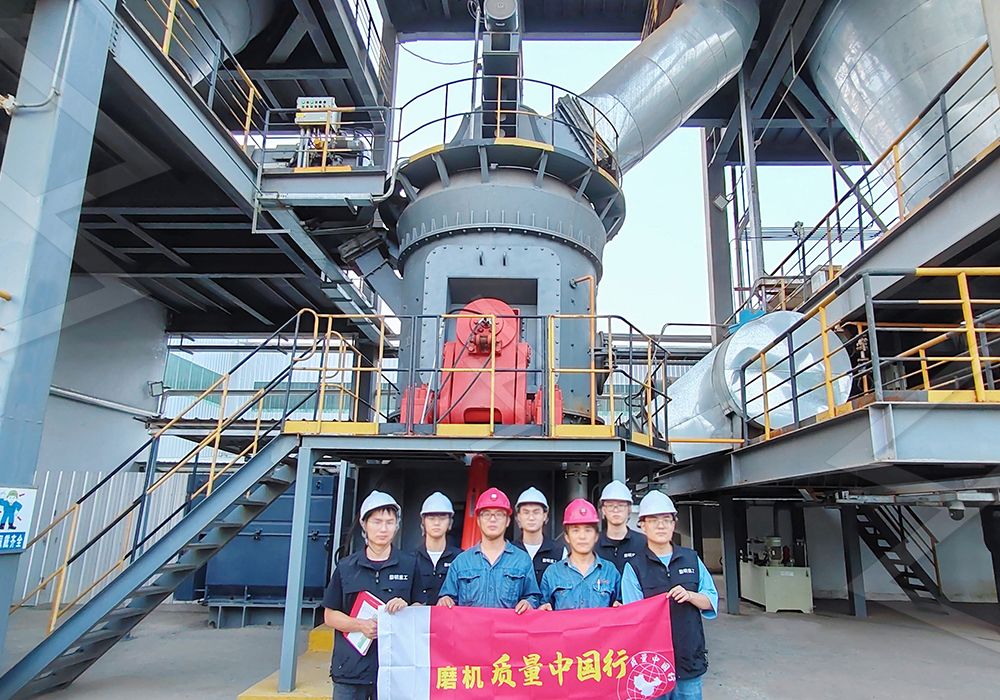
For large-scale industrial projects requiring robust vertical integration, our LUM Ultrafine Vertical Grinding Mill presents a formidable solution. With an input size of 0-10mm and capacity of 5-18 tph, it excels in processing non-metallic ores. Its genius lies in the unique roller shell curve and the double position-limiting technology, which prevents destructive metal-to-metal contact during vibration spikes, ensuring exceptional operational stability. The reversible structure allows the heavy grinding roller to be easily moved out for maintenance, drastically reducing downtime and associated losses. This mill embodies the principle of designing for the entire lifecycle, not just the initial purchase.
The Final Analysis: Investing in Value, Not Just Equipment
Ultimately, the most economical mill is the one that optimizes your total cost of ownership. A slightly higher initial investment in a more efficient, durable, and low-maintenance machine like the MW or LUM series can yield massive savings in energy bills, production consistency, and operational uptime over a decade of service. We stand behind every machine we produce, supporting it with a direct supply of original spare parts and technical expertise. When you request a quotation from us, you’re receiving a carefully engineered solution tailored to your material, your desired product, and your bottom line.
Frequently Asked Questions (FAQ)
- Q: What is the primary factor that causes price variation between different Raymond mill models?
A: The core drivers are capacity (tph), the maximum fineness (mesh) achievable, and the level of technological advancement. Traditional Raymond mills are priced for standard applications, while ultra-fine grinding mills with advanced classifiers, sealing systems, and automated controls command a higher price due to their superior precision, efficiency, and lower operating costs. - Q: Are spare parts readily available, and how does this affect long-term costs?
A: This is critical. We maintain a sufficient inventory of original spare parts for all our models, including wear parts like grinding rolls and rings. Using genuine parts ensures optimal fit, performance, and longevity. While initial cost might be slightly higher than generic parts, they prevent unexpected breakdowns and maintain mill efficiency, offering lower total cost in the long run. - Q: Can your mills handle hard and abrasive materials without frequent downtime?
A: Yes, but the model selection is key. For highly abrasive materials, we specify wear-resistant alloys for grinding components. Models like the MW Ultrafine Mill, with its “no bearing/screw in chamber” design, are inherently more robust against wear-related failures. The LUM Vertical Mill’s reversible roller system also allows for easier inspection and part replacement, minimizing downtime. - Q: How significant are the energy savings with newer mill designs compared to traditional ball mills?
A: The savings are substantial. Advanced mills like our MW series can reduce system energy consumption by up to 70% compared to jet mills and by over 50% compared to traditional ball mills for similar fineness, due to more efficient grinding mechanics and reduced internal resistance. - Q: What does the installation and commissioning process involve?
A> We provide detailed foundation drawings and system layout plans. Our quotation typically includes professional installation guidance and on-site commissioning by our engineers to ensure the system reaches its guaranteed performance parameters. We train your personnel on safe operation and routine maintenance. - Q: Is dust control integrated into the mill system?
A> Absolutely. Environmental compliance is built-in. Our modern mills, such as the MW and LUM series, are equipped with high-efficiency pulse jet dust collectors and silencers. The entire milling system operates under negative pressure, ensuring no dust spillage and meeting stringent international environmental standards.