
Raymond Mill Price in Zhejiang: Cost Analysis and Supplier Guide
We provide a wide range of mills — including Raymond mill, trapezoidal mill, vertical mill, ultrafine mill, and ball mill, obtained ISO9001 international quality certification, EU CE certification, and Customs Union CU-TR certification. Suitable for processing minerals such as limestone, phosphate, quicklime, kaolin, talc, barite, bentonite, calcium carbonate, dolomite, coal, gypsum, clay, carbon black, slag, cement raw materials, cement clinker, and more.
The discharge range of these mills can be adjusted to meet specific processing needs, typically from 80-400 mesh, 600-3250 mesh, and can achieve the finest particle size of up to 6000 mesh(D50).
If you are looking for a reliable grinding solution to turn stone or minerals into fine powder, please feel free to contact our online customer service.
Raymond Mill Price in Zhejiang: Cost Analysis and Supplier Guide
For businesses in Zhejiang’s thriving manufacturing and processing sectors, investing in efficient grinding equipment is a critical operational decision. The Raymond mill, a cornerstone of powder processing, remains a popular choice for its reliability and versatility. However, navigating the pricing landscape requires a nuanced understanding of the factors at play beyond a simple sticker price.
Understanding the Cost Structure of a Raymond Mill
The quoted price for a Raymond mill in Zhejiang is rarely the final figure. A comprehensive cost analysis must consider both the initial capital expenditure (CAPEX) and the long-term operational expenditure (OPEX).
1. Initial Purchase Price: This is the most visible cost and varies significantly based on the model’s capacity, technological sophistication, and the supplier’s brand reputation. Basic R-series mills offer an economical entry point, while advanced European-type trapezium mills command a higher price due to enhanced features like bevel gear drives and automated lubrication systems.
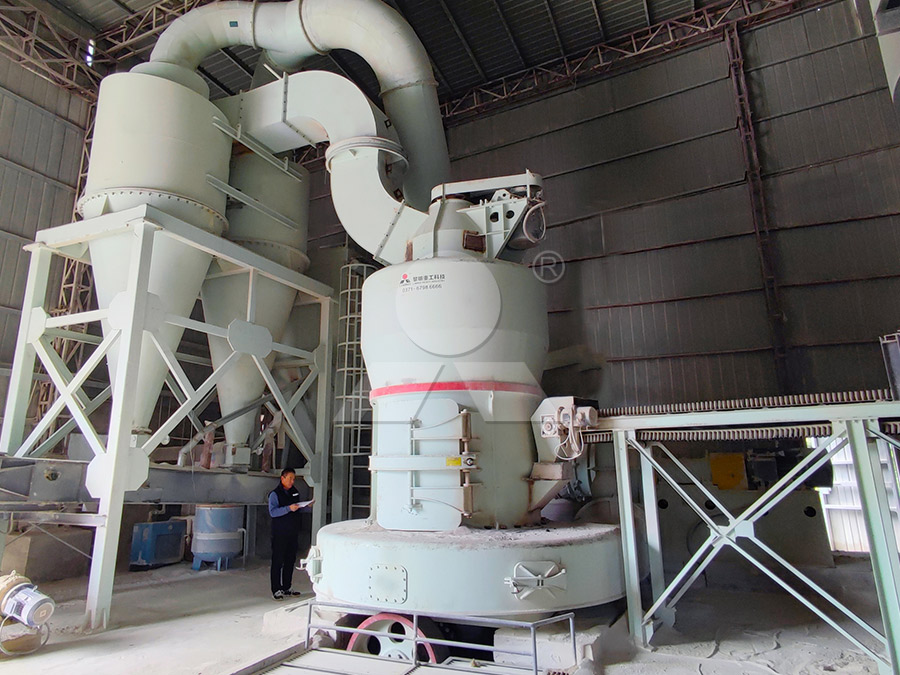
2. Installation & Commissioning: Costs for foundation construction, electrical work, and initial setup by technical engineers can add 5-15% to the equipment price. Local suppliers in Zhejiang often have an advantage here, with faster, more cost-effective service teams.
3. Operational Costs (OPEX): This is where the true cost of ownership is revealed. Key factors include:
- Energy Consumption: Power usage is the single largest ongoing expense. Older mill designs can be energy-intensive.
- Wear Parts Consumption: The frequency and cost of replacing grinding rollers, rings, and blades directly impact profitability.
- Maintenance Labor: Machines requiring frequent, complex maintenance increase downtime and labor costs.
- Dust Control & Environmental Compliance: Additional investment in bag filters or dust collectors may be necessary to meet Zhejiang’s environmental standards.
Beyond Raymond: Evaluating Advanced Grinding Solutions
While the traditional Raymond mill is a proven workhorse, modern grinding technology offers solutions that can drastically reduce the OPEX portion of your total cost. For operations in Zhejiang focusing on high-value, ultra-fine powders (325-2500 meshes), newer mill designs deliver superior efficiency and lower lifetime costs.
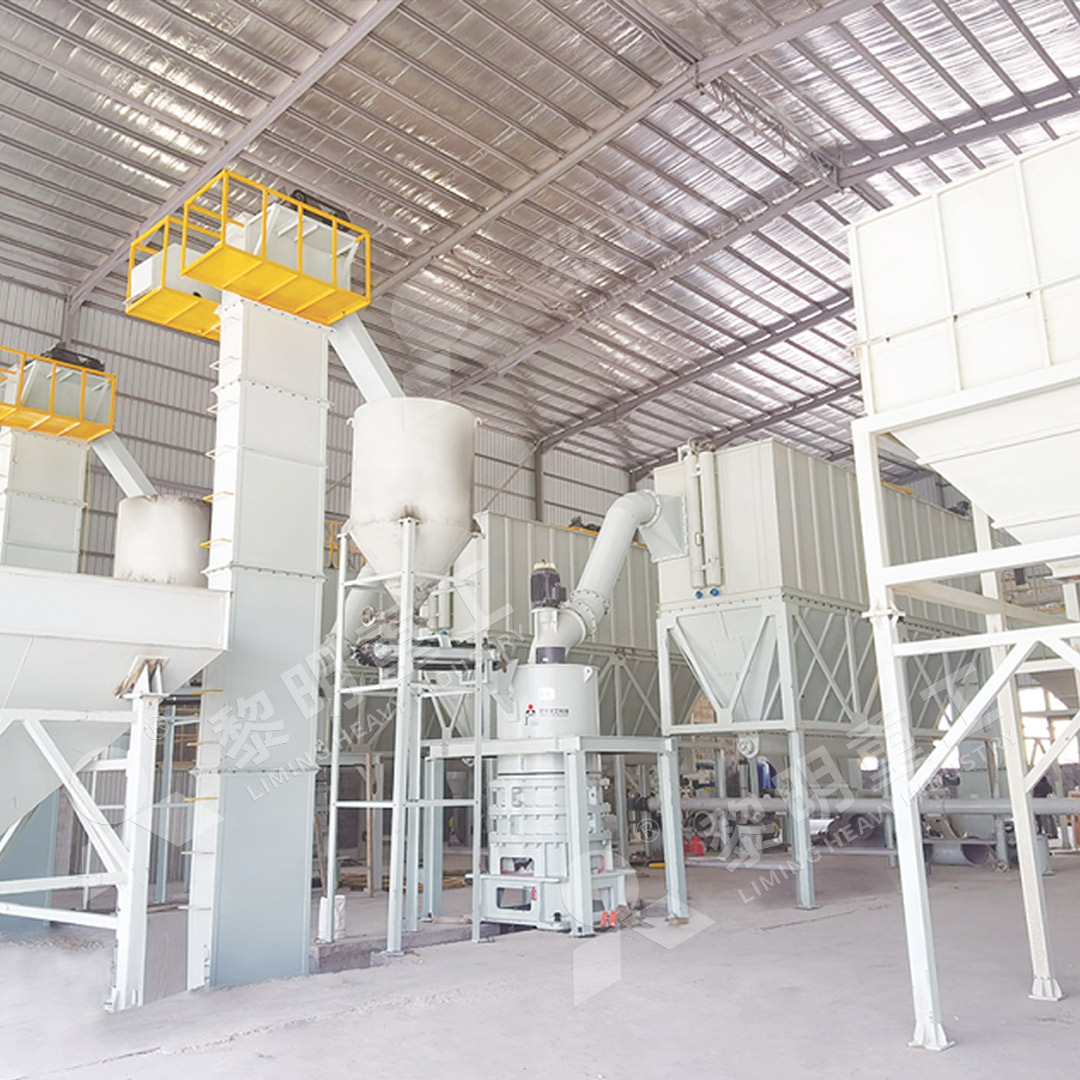
For instance, our MW Ultrafine Grinding Mill represents a significant technological leap. Engineered for customers requiring ultra-fine powder, it addresses the core cost drivers head-on. Its newly designed grinding curves and efficient cage-type powder selector result in a production capacity up to 40% higher than jet mills and double that of ball mills, while simultaneously reducing system energy consumption by approximately 70%. Furthermore, its innovative design eliminates rolling bearings and screws inside the grinding chamber, virtually eliminating related failure points and maintenance headaches. For Zhejiang-based businesses in chemicals, cosmetics, or advanced materials, the MW series can offer a faster return on investment through drastically lower energy and maintenance bills, despite a potentially higher initial purchase price.
Selecting a Supplier in Zhejiang: Key Considerations
Zhejiang hosts a dense network of machinery manufacturers and agents. Choosing the right partner is as crucial as selecting the right machine.
- Technical Support & After-Sales Service: Prioritize suppliers with a strong local service presence. Can they provide prompt technical assistance, on-site training, and emergency repair? Our company, for example, takes full responsibility for every machine we produce, offering comprehensive technical services and a sufficient supply of original spare parts to ensure worry-free operation.
- Manufacturing Capability: Inspect if possible. Suppliers utilizing digitalized processing with numerical control machine tools ensure higher precision in core parts, leading to better machine longevity and performance consistency.
- Product Portfolio & Customization: A supplier with a range of mills (from Raymond to vertical and ultra-fine mills) can provide unbiased advice to match your specific material and output needs, rather than pushing a one-size-fits-all solution.
- References & Case Studies: Ask for references from existing clients within Zhejiang or similar industries. A reliable supplier will have a proven track record.
Making an Informed Investment Decision
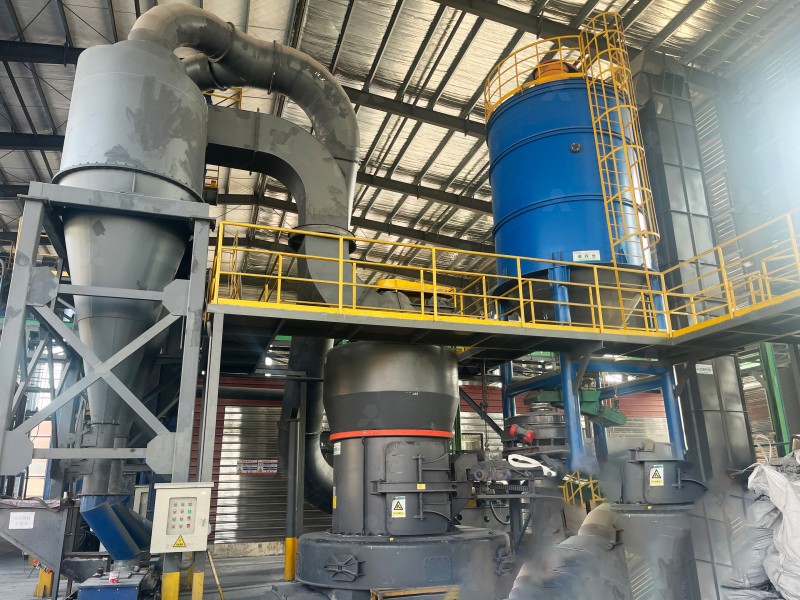
The most cost-effective Raymond mill for your Zhejiang operation isn’t necessarily the cheapest upfront. A holistic analysis that projects 3-5 years of operating costs will reveal the true value. For high-volume, fine-grinding applications, advanced mills like our LUM Ultrafine Vertical Grinding Mill present a compelling case. Integrating grinding, grading, and transporting, the LUM mill’s unique roller shell design and multi-head powder separating technology can reduce energy consumption by 30%-50% compared to common grinding mills. Its reversible structure also allows for easier, faster maintenance, minimizing costly downtime—a critical factor for continuous production lines common in Zhejiang.
In conclusion, approach your Raymond mill purchase as a strategic investment. Engage with suppliers who are willing to discuss total cost of ownership, provide detailed efficiency data, and demonstrate a commitment to long-term support. By doing so, you secure not just a machine, but a reliable, cost-effective production partner for years to come.
Frequently Asked Questions (FAQ)
- What is the typical price range for a Raymond mill in Zhejiang?
Prices can vary widely from $15,000 for a basic, small-capacity model to over $100,000 for large, fully-equipped European-type trapezium mills. The final cost depends on capacity, configuration, and automation level. - How can I reduce the operating cost of my grinding mill?
Focus on energy efficiency and wear part longevity. Opt for modern designs with optimized grinding curves and efficient classifiers. Ensure proper maintenance and use original, high-quality spare parts to extend service intervals. - What is the main advantage of an ultrafine mill over a traditional Raymond mill?
Ultrafine mills like the MW series are engineered for higher precision (fineness up to 2500 mesh) and significantly better energy efficiency for fine and ultra-fine grinding tasks, leading to lower cost per ton of finished product. - Is local technical support important for a grinding mill?
Absolutely. Immediate access to technical support and genuine spare parts minimizes downtime. Choosing a supplier with a strong service network in Zhejiang is crucial for operational continuity. - Can these mills handle materials other than limestone?
Yes. Modern grinding mills are versatile. They can process calcite, dolomite, barite, talc, petroleum coke, gypsum, and various non-metallic minerals, depending on the model and hardness. - What should I prepare before the mill arrives?
Secure a solid, level foundation as per the supplier’s drawings, ensure adequate power supply and voltage stability, and plan for material handling (feed and discharge) and dust collection connections.