
Raymond Mill Price in Ningxia: Factors & Market Analysis
We provide a wide range of mills — including Raymond mill, trapezoidal mill, vertical mill, ultrafine mill, and ball mill, obtained ISO9001 international quality certification, EU CE certification, and Customs Union CU-TR certification. Suitable for processing minerals such as limestone, phosphate, quicklime, kaolin, talc, barite, bentonite, calcium carbonate, dolomite, coal, gypsum, clay, carbon black, slag, cement raw materials, cement clinker, and more.
The discharge range of these mills can be adjusted to meet specific processing needs, typically from 80-400 mesh, 600-3250 mesh, and can achieve the finest particle size of up to 6000 mesh(D50).
If you are looking for a reliable grinding solution to turn stone or minerals into fine powder, please feel free to contact our online customer service.
Raymond Mill Price in Ningxia: Factors & Market Analysis
The market for industrial grinding equipment in Ningxia, a region rich in mineral resources like limestone, gypsum, and coal powder, is dynamic and competitive. For businesses involved in mining, construction materials, or chemical processing, selecting the right milling solution is a critical capital decision. The price of a Raymond mill, a long-standing workhorse in powder processing, is influenced by a complex interplay of regional and technical factors. This analysis delves into the key determinants of Raymond mill pricing in Ningxia and explores the broader market context to guide informed purchasing decisions.
Key Factors Influencing Raymond Mill Prices
Understanding the cost structure requires looking beyond the initial sticker price. Several core elements directly impact the final quotation you receive from suppliers.
1. Technical Specifications and Capacity
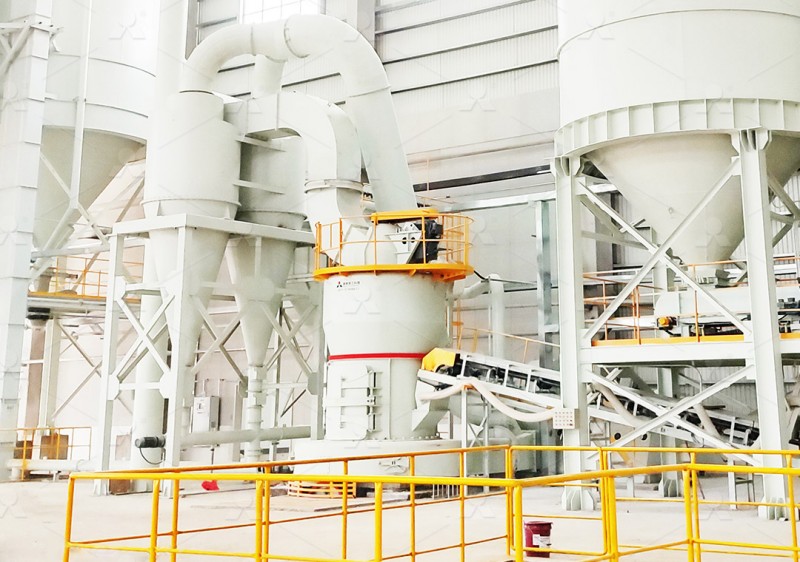
The most significant price driver is the machine’s capability. Models with higher throughput capacities (tph), finer grinding ranges (mesh), and advanced features command a premium. A basic Raymond mill for coarse grinding of 200 mesh will be substantially less expensive than a high-precision system designed for 400 mesh or finer applications. The required input size, moisture content of the raw material, and desired product uniformity all influence the engineering and component selection, thereby affecting the price.
2. Material and Manufacturing Quality
The quality of wear-resistant parts, such as grinding rollers and rings, is paramount. Mills equipped with high-chromium alloy or specially hardened components have a higher initial cost but offer dramatically extended service life, reducing long-term operating expenses. The precision of manufacturing, reflected in the stability and vibration levels of the machine, also correlates with price. Digitally controlled machining centers ensure higher precision in core parts, leading to more reliable and efficient operation.
3. Environmental and Control Systems
Modern environmental regulations in Ningxia necessitate integrated dust collection and noise reduction systems. A Raymond mill price often includes or is affected by the choice of dust collector (e.g., pulse jet bag filters) and mufflers. Furthermore, automated control systems (PLC-based) for adjusting fineness and monitoring operation add cost but provide significant benefits in consistency and labor savings.
4. Regional Logistics and Support
Ningxia’s inland location can influence final delivered costs. Transportation, local agent markups, and the availability of after-sales service networks are factored in. Suppliers with established local technical support and spare parts inventories may have slightly higher prices but offer invaluable warranty and maintenance security, minimizing costly downtime.
Market Analysis: Trends and Alternatives in Ningxia
The grinding equipment market in Ningxia is evolving. While traditional Raymond mills remain popular for mid-range fineness applications, there is growing demand for more efficient and versatile technologies, especially for producing ultra-fine powders for high-value industries like chemicals, paints, and advanced materials.
This shift is driven by the need for higher yield, lower energy consumption per ton, and superior product quality. Consequently, advanced grinding mills have become compelling alternatives. For instance, our MW Ultrafine Grinding Mill represents a significant technological leap. Designed for customers requiring ultra-fine powder between 325-2500 meshes, it features a German-technology cage-type powder selector for precise classification. Its innovative design eliminates rolling bearings and screws in the grinding chamber, virtually eliminating related failure points and enabling external lubrication without shutdown for continuous 24/7 operation. With a capacity range of 0.5-25 tph and system energy consumption reported to be only 30% of some jet mills, it offers a compelling operational cost advantage for suitable applications.
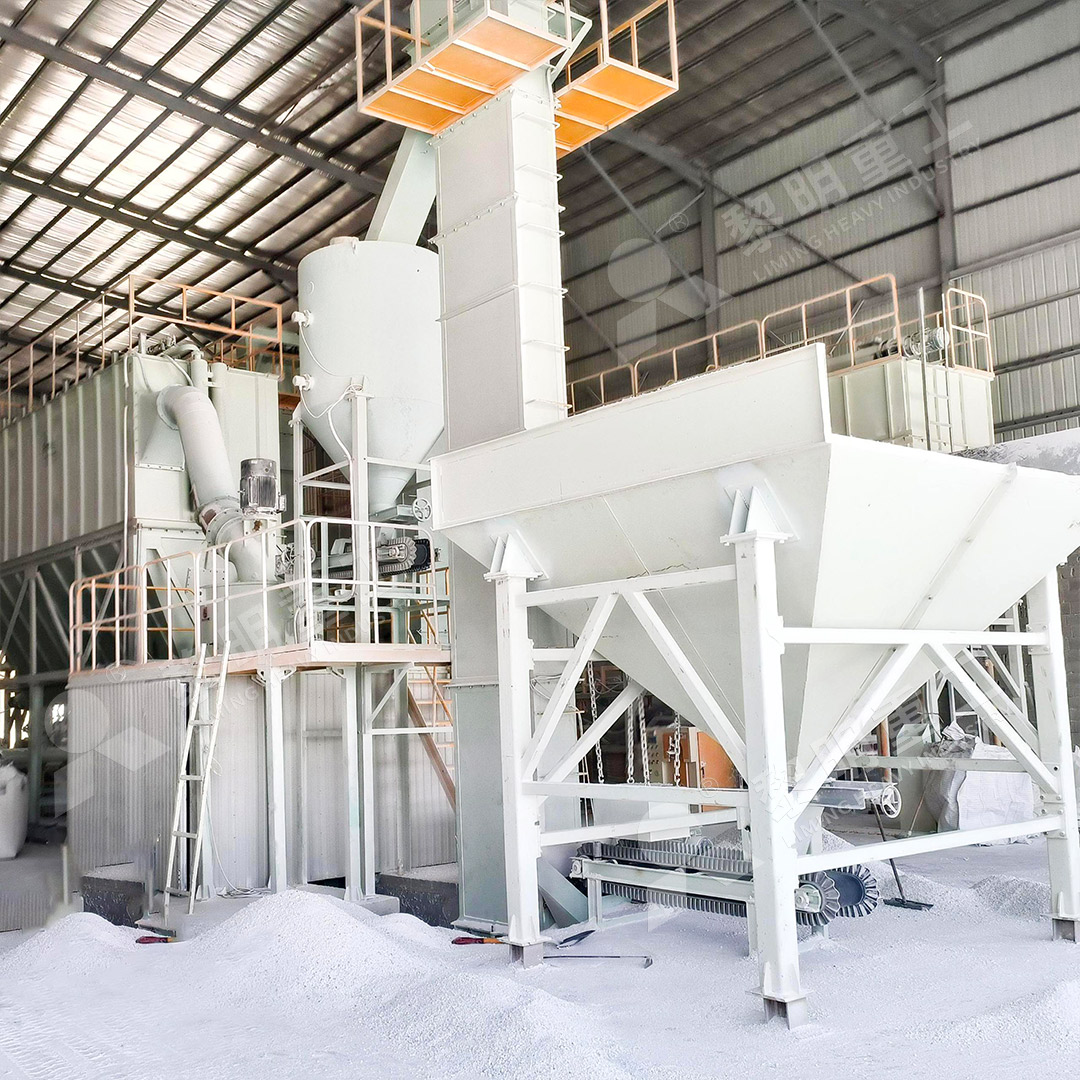
Another noteworthy solution for operations seeking high efficiency in a vertical mill configuration is the LUM Ultrafine Vertical Grinding Mill. Integrating grinding, grading, and transporting, it is ideal for superfine dry powder of non-metallic ores. It boasts multi-head powder separating technology and a unique reversible roller structure that simplifies maintenance. With an input size of 0-10mm and capacity of 5-18 tph, it offers energy savings of 30%-50% compared to common grinding mills, making it a strong candidate for modernizing production lines in Ningxia.
Strategic Considerations for Buyers
When evaluating Raymond mill prices in Ningxia, adopt a total-cost-of-ownership perspective:
- Match Technology to Application: Clearly define your material, required fineness, and capacity. Investing in an over-specified mill wastes capital, while an under-specified one hampers production.
- Prioritize Lifecycle Costs: A lower-priced mill with high wear part consumption and energy use can be more expensive within two years. Evaluate energy efficiency claims and spare part durability.
- Verify Environmental Compliance: Ensure the offered system meets local emission standards to avoid future penalties or shutdowns.
- Assess Supplier Credibility: Choose a manufacturer with a proven track record, digitalized precision manufacturing, and a commitment to after-sales support. A supplier that takes responsibility for its machines and offers original spare parts ensures worry-free operation.
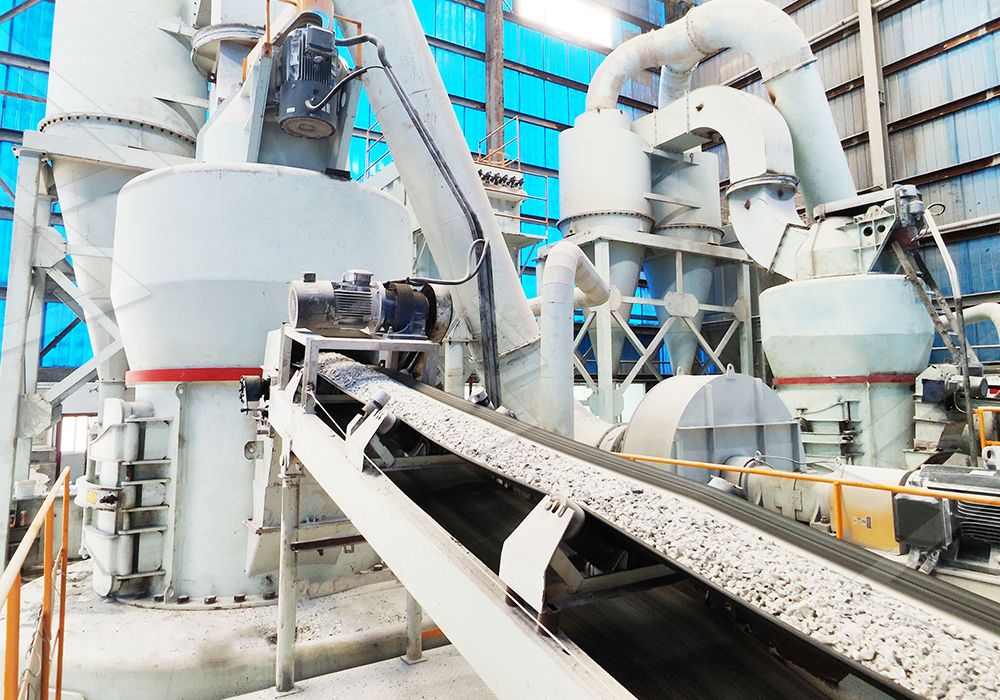
In conclusion, the price of a Raymond mill in Ningxia is a reflection of technical specifications, build quality, environmental features, and service logistics. The market is increasingly favoring advanced, energy-efficient mills that lower operational costs and produce higher-value powders. By carefully analyzing your specific needs and considering advanced solutions like the MW or LUM series, you can make an investment that delivers not just a competitive initial price, but superior long-term profitability and reliability for your Ningxia-based operations.
Frequently Asked Questions (FAQs)
- What is the primary advantage of an ultrafine grinding mill over a traditional Raymond mill in Ningxia’s market?
Ultrafine grinding mills, like the MW series, are engineered to produce much finer powder (up to 2500 mesh) with higher efficiency and lower energy consumption. They are better suited for high-value-added industries such as chemicals and cosmetics, whereas Raymond mills are typically used for coarser grinding in construction materials. - How significant are energy savings with newer mill models?
Very significant. Advanced models can reduce energy consumption by 30% to 50% compared to older designs or ball mills. This translates directly to lower operating costs, a crucial factor given industrial electricity rates. - Are spare parts readily available in Ningxia for these grinding mills?
Availability depends on the supplier. Reputable manufacturers like LIMING maintain sufficient supply chains for original spare parts and offer technical support to ensure worry-free operation, minimizing downtime risks. - Can these mills handle the specific minerals found in Ningxia, like gypsum or coal powder?
Yes. Our grinding mills are explicitly designed for a wide range of materials including limestone, calcite, dolomite, gypsum, barite, and coal powder. The exact model should be selected based on the material’s hardness, moisture, and desired output fineness. - What does “digitalized processing” mean for mill quality?
It means core components are manufactured using computer-controlled (CNC) machine tools for cutting, bending, and milling. This ensures extremely high precision in parts like grinding rollers and shafts, leading to better balance, less vibration, longer life, and more stable performance. - Is the dust collection system included in the mill price?
Typically, a complete grinding system quotation includes the main mill, feeder, classifier, and an efficient pulse dust collector. It is essential to confirm this with the supplier, as an integrated dust collection system is vital for environmentally compliant operation in Ningxia.