
Raymond Mill Price Guide: Get Accurate Online Quotes & Compare Costs
We provide a wide range of mills — including Raymond mill, trapezoidal mill, vertical mill, ultrafine mill, and ball mill, obtained ISO9001 international quality certification, EU CE certification, and Customs Union CU-TR certification. Suitable for processing minerals such as limestone, phosphate, quicklime, kaolin, talc, barite, bentonite, calcium carbonate, dolomite, coal, gypsum, clay, carbon black, slag, cement raw materials, cement clinker, and more.
The discharge range of these mills can be adjusted to meet specific processing needs, typically from 80-400 mesh, 600-3250 mesh, and can achieve the finest particle size of up to 6000 mesh(D50).
If you are looking for a reliable grinding solution to turn stone or minerals into fine powder, please feel free to contact our online customer service.
Raymond Mill Price Guide: Get Accurate Online Quotes & Compare Costs
Navigating the industrial milling equipment market can be daunting, especially when trying to determine the true cost of a Raymond mill or its modern counterparts. The price tag you see is rarely the whole story. This comprehensive guide will walk you through the key factors influencing Raymond mill pricing and introduce you to advanced alternatives that might offer better long-term value for your specific application.
Understanding the True Cost of Ownership
When evaluating Raymond mill prices, savvy buyers look beyond the initial purchase price. The true cost of ownership encompasses several critical factors that impact your bottom line over years of operation. Energy consumption represents one of the most significant ongoing expenses, with older mill designs consuming substantially more power per ton of processed material. Maintenance requirements, spare parts availability, and operational downtime all contribute to your total expenditure.
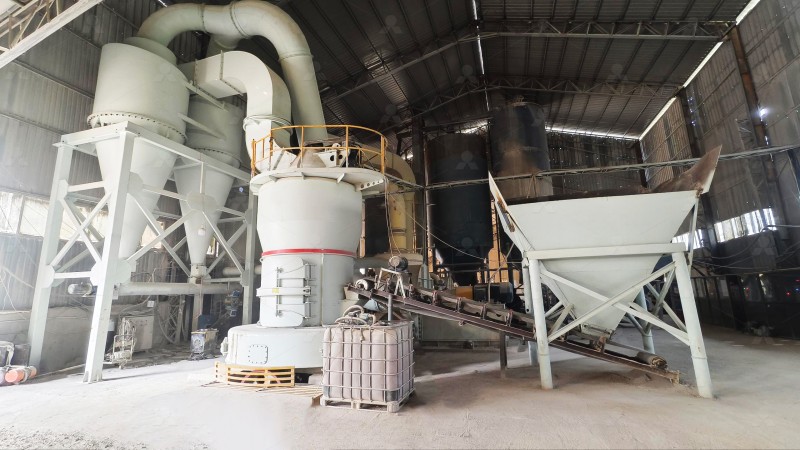
Modern grinding mills have made remarkable strides in efficiency. For instance, our MW Ultrafine Grinding Mill demonstrates how engineering innovations can dramatically reduce operating costs. With an input size of 0-20 mm and capacity ranging from 0.5-25 tph, this machine achieves production capacity 40% higher than jet grinding mills with the same fineness and power requirements. More impressively, its system energy consumption is just 30% of comparable jet grinding mills, representing substantial savings over the equipment’s lifespan.
Key Factors That Determine Raymond Mill Pricing
Several elements directly influence the price you’ll pay for a grinding mill:
- Capacity Requirements: Mills with higher throughput capacities naturally command higher prices. Consider both your current and anticipated future needs.
- Material Characteristics: The hardness, moisture content, and abrasiveness of your raw materials affect mill design and cost.
- Fineness Specifications: Achieving finer particle sizes requires more sophisticated technology and precision engineering.
- Automation Level: Advanced control systems increase initial cost but reduce labor expenses and improve consistency.
- Additional Features: Integrated dust collection, noise reduction, and safety systems add value but also cost.
Advanced Alternatives to Traditional Raymond Mills
While Raymond mills have served industries reliably for decades, technological advancements have created more efficient options. The LUM Ultrafine Vertical Grinding Mill represents the next evolution in grinding technology. With an input size of 0-10 mm and capacity of 5-18 tph, this mill integrates ultrafine powder grinding, grading, and transporting in a single system. Its unique roller shell and lining plate grinding curve design generates material layers more effectively, enabling high rates of finished products through single-pass powder milling.
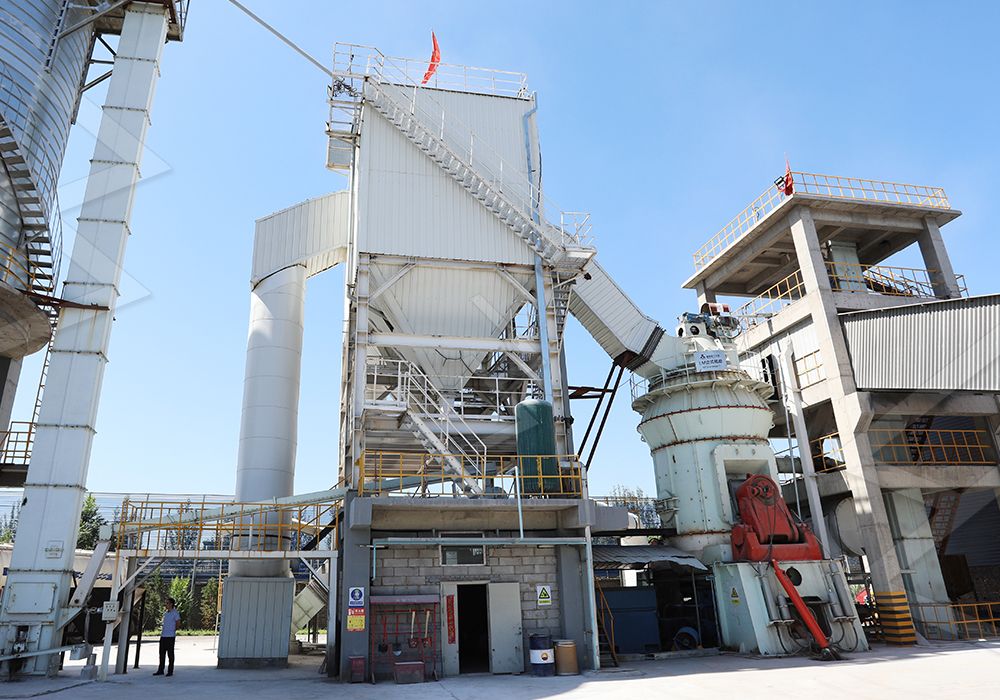
What sets the LUM series apart is its energy efficiency. By incorporating PLC control systems and multi-head powder separating technology, it reduces energy consumption by 30%-50% compared to conventional mills. The double position-limiting technology prevents destructive impacts during operation, while the reversible structure simplifies maintenance procedures significantly.
Why Ultra-Fine Grinding Technology Matters
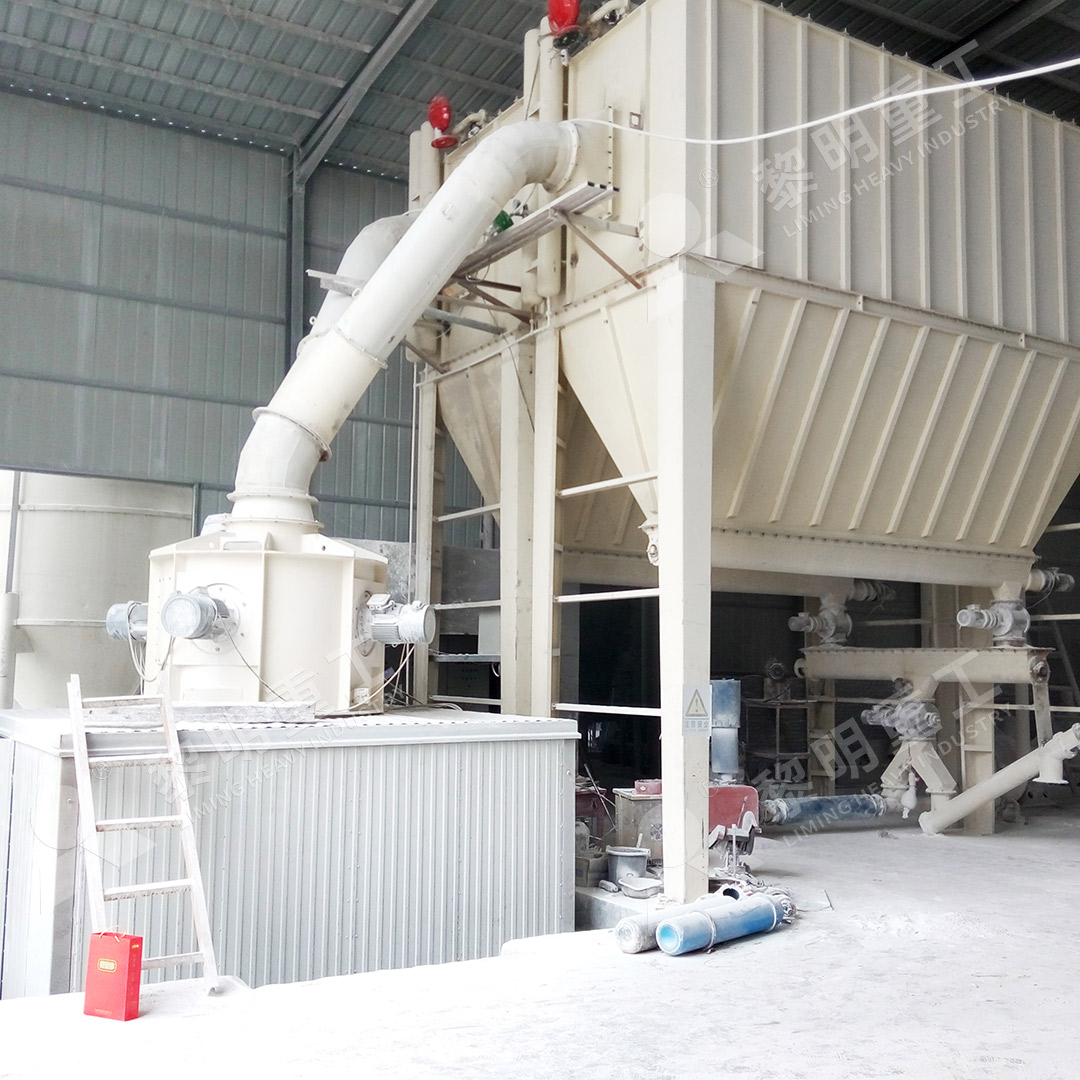
The push for finer powders across various industries has driven innovation in milling technology. The ability to produce powders between 325-2500 meshes with precision opens new applications in chemicals, paints, cosmetics, pharmaceuticals, and food additives. Our MW Ultrafine Grinding Mill excels in this domain with its German-engineered cage-type powder selector that effectively increases powder separation precision.
This mill’s design eliminates rolling bearings and screws in the grinding chamber, addressing common failure points in traditional designs. The external lubrication system enables maintenance without shutdowns, supporting continuous 24-hour production. Combined with efficient pulse dust collection and noise reduction features, it operates well within environmental protection standards while maintaining high productivity.
Getting Accurate Quotes: What Information to Provide
To receive precise pricing for grinding equipment, suppliers need specific details about your operation:
- Raw material characteristics (hardness, moisture content, chemical composition)
- Required production capacity (tons per hour)
- Desired final product fineness (mesh size or micron rating)
- Available space and utility constraints
- Automation and control preferences
- Environmental compliance requirements
With this information, reputable suppliers can recommend the most appropriate equipment and provide detailed quotes that include installation, commissioning, and after-sales support costs.
Making an Informed Investment Decision
While Raymond mills remain viable for certain applications, modern alternatives often provide better long-term value through reduced energy consumption, lower maintenance costs, and higher product quality. The MW Ultrafine Grinding Mill and LUM Ultrafine Vertical Grinding Mill represent the current state of the art, offering capabilities that traditional designs cannot match.
When comparing options, consider not just the purchase price but the total cost of ownership, including energy, maintenance, spare parts, and potential production losses due to downtime. The right grinding solution should align with your specific production needs while maximizing efficiency and minimizing operational expenses.
Frequently Asked Questions
What is the typical price range for a Raymond mill?
Raymond mill prices vary significantly based on capacity, configuration, and features. Basic models might start around $50,000, while high-capacity, fully-equipped systems can exceed $500,000. For precise pricing, request quotes based on your specific requirements.
How does the MW Ultrafine Grinding Mill compare to traditional Raymond mills?
The MW Ultrafine Grinding Mill offers several advantages over traditional designs, including 40% higher production capacity with the same power input, ability to produce finer powders (up to 2500 meshes), and 70% lower energy consumption compared to jet mills.
What materials can be processed with the LUM Ultrafine Vertical Grinding Mill?
The LUM series effectively processes limestone, calcite, dolomite, petroleum coal, gypsum, barite, marble, talc, and coal powder. It’s particularly suited for superfine dry powder production of non-metal ores.
How often do grinding mills require maintenance?
Maintenance frequency depends on operating hours and material abrasiveness. Modern mills like the MW and LUM series are designed for extended operation between maintenance, with some components lasting thousands of hours before replacement.
Can these grinding mills be customized for specific applications?
Yes, reputable manufacturers offer customization options for feed systems, fineness adjustment mechanisms, dust collection, and control systems to match specific production requirements.
What is the lead time for delivery after placing an order?
Standard models typically ship within 4-8 weeks, while customized configurations may require 8-12 weeks. Complex projects with extensive customization might need longer lead times.
Do you provide installation and operational training?
Comprehensive support packages typically include professional installation supervision, commissioning assistance, and thorough operational training for your technical staff.
What warranty coverage is offered with your grinding mills?
Standard warranty periods range from 12-24 months, covering manufacturing defects. Extended warranty options and service contracts are often available for critical components.