
Raymond Mill Price: Factors and Cost Analysis
We provide a wide range of mills — including Raymond mill, trapezoidal mill, vertical mill, ultrafine mill, and ball mill, obtained ISO9001 international quality certification, EU CE certification, and Customs Union CU-TR certification. Suitable for processing minerals such as limestone, phosphate, quicklime, kaolin, talc, barite, bentonite, calcium carbonate, dolomite, coal, gypsum, clay, carbon black, slag, cement raw materials, cement clinker, and more.
The discharge range of these mills can be adjusted to meet specific processing needs, typically from 80-400 mesh, 600-3250 mesh, and can achieve the finest particle size of up to 6000 mesh(D50).
If you are looking for a reliable grinding solution to turn stone or minerals into fine powder, please feel free to contact our online customer service.
Raymond Mill Price: Factors and Cost Analysis
When considering the purchase of industrial grinding equipment, understanding the factors that influence Raymond mill pricing is crucial for making an informed investment decision. The price of these machines varies significantly based on multiple technical and operational considerations that directly impact both initial expenditure and long-term operational costs.
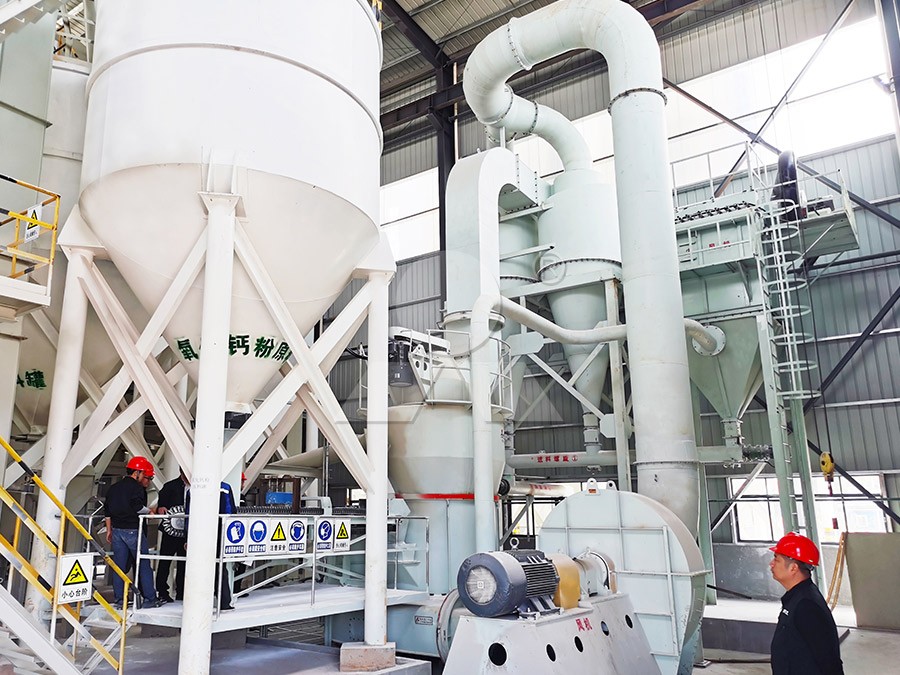
Key Factors Affecting Raymond Mill Pricing
Capacity and Throughput Requirements
The processing capacity, measured in tons per hour (tph), represents one of the most significant cost drivers. Higher capacity mills require more robust construction, larger motors, and enhanced structural components. Basic Raymond mills typically handle 0.6-5 tph, while more advanced models can process significantly higher volumes. Your production requirements will directly influence which capacity range fits your budget and operational needs.
Material Characteristics
The hardness, moisture content, and abrasiveness of materials being processed substantially impact mill selection and pricing. Softer materials like talc or limestone require less powerful equipment compared to harder substances like quartz or feldspar. Additionally, materials with higher moisture content may necessitate integrated drying systems, adding to the overall cost.
Fineness Requirements
The required particle size distribution significantly affects equipment selection and pricing. Standard Raymond mills typically produce powders between 80-325 mesh, while specialized ultrafine grinding equipment can achieve fineness up to 2500 mesh. Higher fineness requirements demand more sophisticated separation systems and precision engineering, consequently increasing costs.
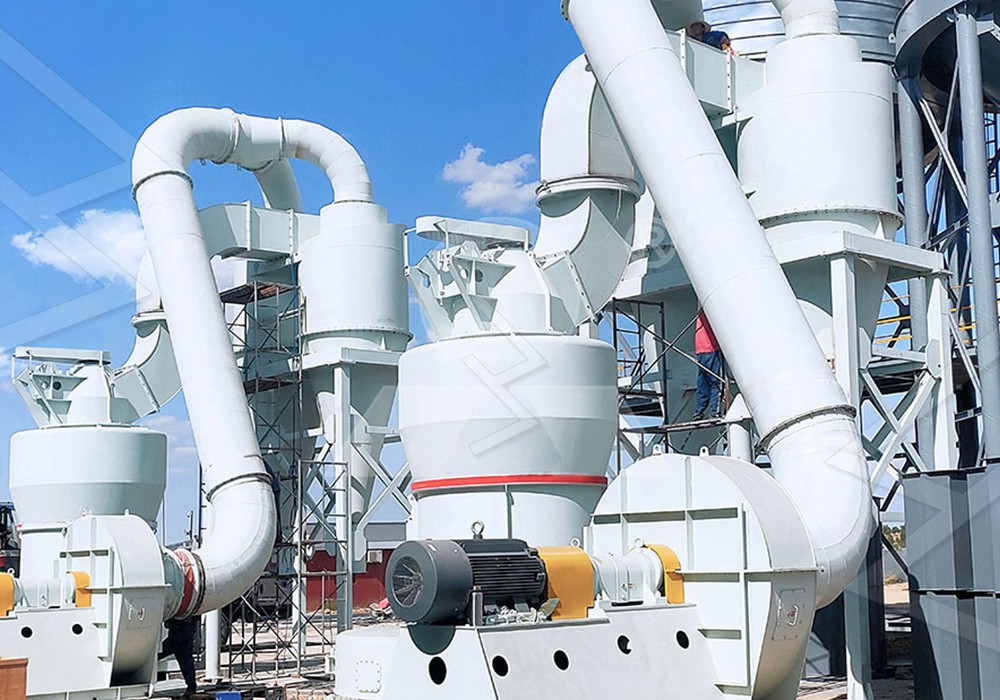
Beyond the Purchase Price: Total Cost of Ownership
Smart buyers look beyond the initial purchase price to consider the total cost of ownership, which includes several critical factors:
Energy Consumption
Operating costs over the equipment’s lifespan often exceed the initial purchase price. Modern, energy-efficient designs can reduce power consumption by 30-50% compared to conventional mills. This represents substantial savings in operational expenses over time.
Maintenance and Wear Parts
The frequency of maintenance and cost of replacement parts significantly impact long-term operational costs. Mills with innovative designs that eliminate rolling bearings and screws in the grinding chamber, for instance, reduce maintenance concerns and associated downtime costs.
Operational Efficiency
Advanced features like automated control systems, efficient dust collection, and noise reduction technologies contribute to smoother operation and reduced labor costs. These features, while potentially increasing initial investment, typically yield significant returns through improved productivity and reduced operational challenges.
Advanced Grinding Solutions: Meeting Modern Demands
For operations requiring ultra-fine powder production, the MW Ultrafine Grinding Mill represents a technological leap forward. This advanced system processes materials with input sizes of 0-20 mm and achieves impressive capacities of 0.5-25 tph. What sets this equipment apart is its ability to produce powders with adjustable fineness between 325-2500 meshes while incorporating German cage-type powder selector technology for precise separation.
The MW series demonstrates remarkable efficiency gains, delivering production capacity 40% higher than jet grinding mills and twice that of ball grinding mills, all while consuming only 30% of the energy required by jet grinding systems. Its innovative design eliminates rolling bearings and screws within the grinding chamber, significantly reducing maintenance concerns and potential machine damage from loose components.
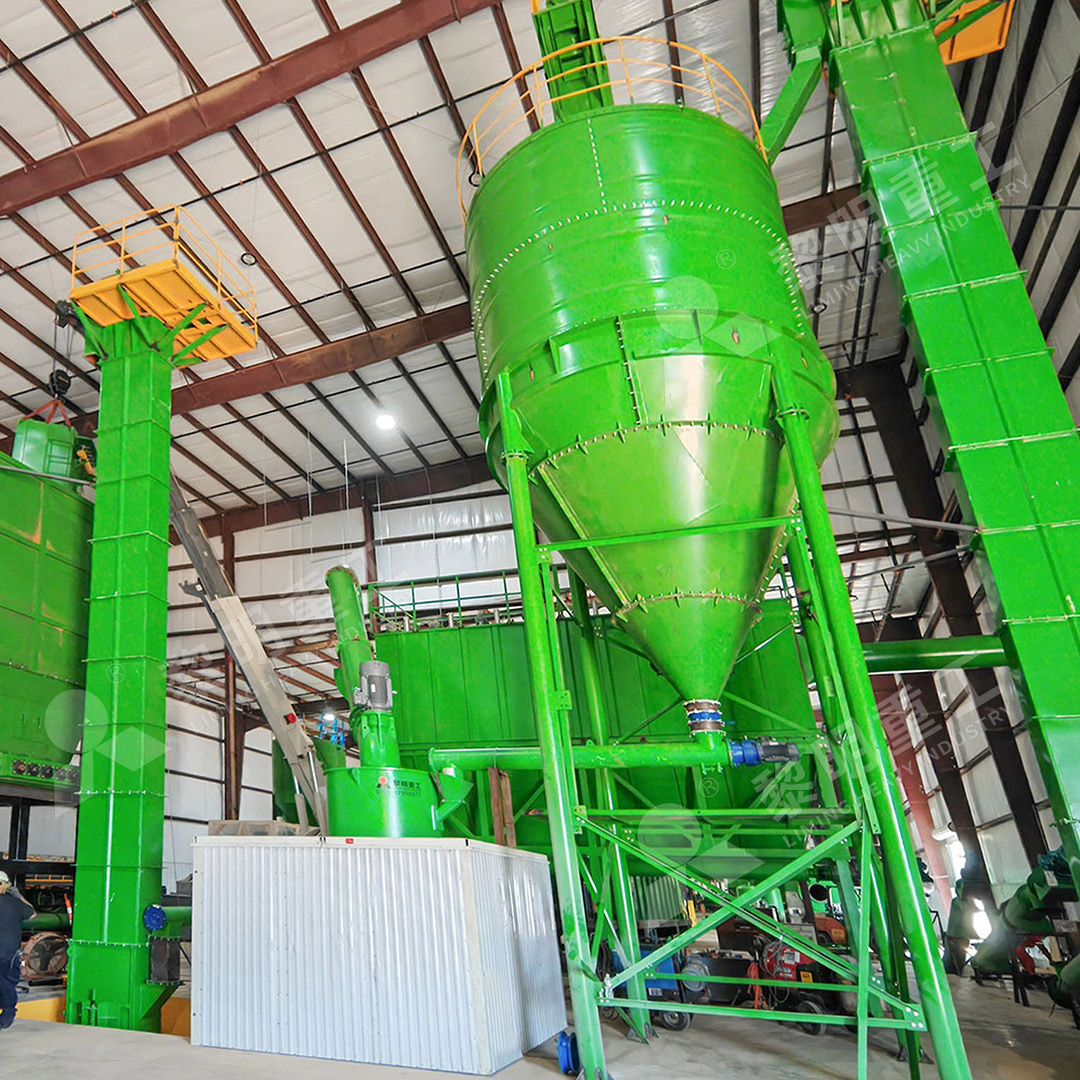
Another exceptional solution for operations requiring vertical grinding configuration is the LUM Ultrafine Vertical Grinding Mill. This system handles input sizes of 0-10 mm with capacities ranging from 5-18 tph. It incorporates the latest Taiwanese grinding roller technology and German powder separating technology, creating an integrated system that excels in ultrafine powder grinding, grading, and transporting.
The LUM series features unique roller shell and lining plate grinding curves that facilitate material layer generation and enable high rates of finished products through single-pass powder milling. Its double position-limiting technology ensures operational stability, while the reversible structure simplifies maintenance procedures. Most impressively, this system reduces energy consumption by 30%-50% compared to conventional grinding mills.
Making the Right Investment Decision
Selecting the appropriate grinding equipment requires careful analysis of both immediate and long-term requirements. While Raymond mills offer reliable performance for standard applications, advanced solutions like the MW and LUM series provide superior efficiency, lower operational costs, and enhanced capabilities for demanding applications.
The optimal choice depends on your specific material characteristics, production volume requirements, fineness specifications, and operational priorities. Consulting with experienced technical specialists can help identify the most cost-effective solution that balances initial investment with long-term operational efficiency.
Frequently Asked Questions
What is the typical price range for a Raymond mill?
Raymond mill prices vary significantly based on capacity, features, and customization, typically ranging from $50,000 to $500,000. Basic models start around $50,000, while high-capacity, feature-rich systems can exceed $300,000. The exact price depends on specifications like capacity, automation level, and material compatibility.
How does the MW Ultrafine Grinding Mill compare cost-wise to traditional Raymond mills?
While the MW Ultrafine Grinding Mill typically involves a higher initial investment than basic Raymond mills, it offers substantially lower operating costs. The 40% higher production capacity and 70% reduced energy consumption compared to jet mills result in significantly lower cost per ton of processed material, making it more economical for high-volume operations.
What maintenance costs should I expect with a Raymond mill?
Maintenance costs typically represent 5-15% of the initial equipment cost annually. These include wear part replacements, lubrication, and routine inspections. Advanced models like the MW series reduce maintenance costs through designs that eliminate vulnerable components like rolling bearings in the grinding chamber.
How long does a Raymond mill typically last?
With proper maintenance, a quality Raymond mill can operate efficiently for 15-25 years. The lifespan depends on operating conditions, material abrasiveness, and maintenance practices. Regular maintenance and using genuine spare parts significantly extend equipment longevity.
Can Raymond mills handle hard materials like quartz or feldspar?
Yes, but with considerations. Hard materials increase wear on grinding components, potentially raising maintenance costs. For abrasive materials, specialized versions with enhanced wear protection are recommended, though they may command a 10-20% price premium over standard models.
What factors most significantly impact the operational cost of a grinding mill?
Energy consumption (40-60% of operational cost), wear part replacement (20-30%), maintenance labor (10-20%), and dust collection system operation (5-10%) represent the primary operational cost components. Advanced systems optimize all these factors for lower total operating costs.
How does mill capacity affect the overall investment return?
Higher capacity mills typically offer better return on investment through economies of scale. While their initial cost is higher, the cost per ton processed decreases significantly. The optimal capacity depends on your production requirements – underutilized equipment diminishes ROI, while overutilization increases maintenance costs.
Are there significant price differences between Chinese and European grinding mills?
Chinese-manufactured mills typically offer 20-40% lower initial costs while maintaining competitive quality. European mills may provide marginally better precision engineering but at substantially higher prices. Many global operators find that premium Chinese manufacturers offer the best value proposition.