
Raymond Mill Price and Cost Analysis for Grinding Limestone in Greece
We provide a wide range of mills — including Raymond mill, trapezoidal mill, vertical mill, ultrafine mill, and ball mill, obtained ISO9001 international quality certification, EU CE certification, and Customs Union CU-TR certification. Suitable for processing minerals such as limestone, phosphate, quicklime, kaolin, talc, barite, bentonite, calcium carbonate, dolomite, coal, gypsum, clay, carbon black, slag, cement raw materials, cement clinker, and more.
The discharge range of these mills can be adjusted to meet specific processing needs, typically from 80-400 mesh, 600-3250 mesh, and can achieve the finest particle size of up to 6000 mesh(D50).
If you are looking for a reliable grinding solution to turn stone or minerals into fine powder, please feel free to contact our online customer service.
Raymond Mill Price and Cost Analysis for Grinding Limestone in Greece
Greece’s rich limestone deposits present a significant opportunity for industrial mineral processing. Selecting the right grinding equipment is crucial for profitability and operational efficiency. This analysis examines the key cost factors and price considerations for Raymond mills and other grinding solutions in the Greek market, where energy costs and environmental regulations are particularly important.
Initial Investment Considerations
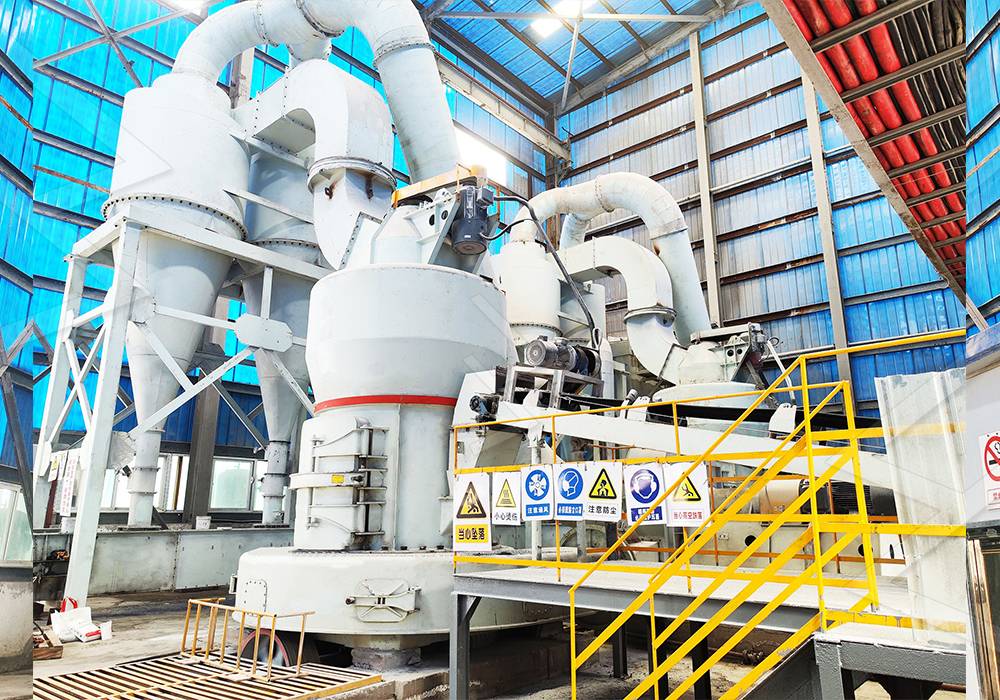
The initial purchase price of a Raymond mill in Greece typically ranges from €50,000 to €200,000 depending on capacity, model, and configuration. While traditional Raymond mills offer lower upfront costs, modern alternatives often provide better long-term value through energy efficiency and reduced maintenance.
Operational Cost Factors
Energy consumption represents approximately 40-60% of the total operating cost for limestone grinding in Greece, where electricity prices are among the highest in Europe. Maintenance, wear parts replacement, and labor constitute the remaining operational expenses. The abrasive nature of Greek limestone varieties accelerates wear on grinding components, making equipment durability a critical factor.
Advanced Grinding Solutions for Greek Market
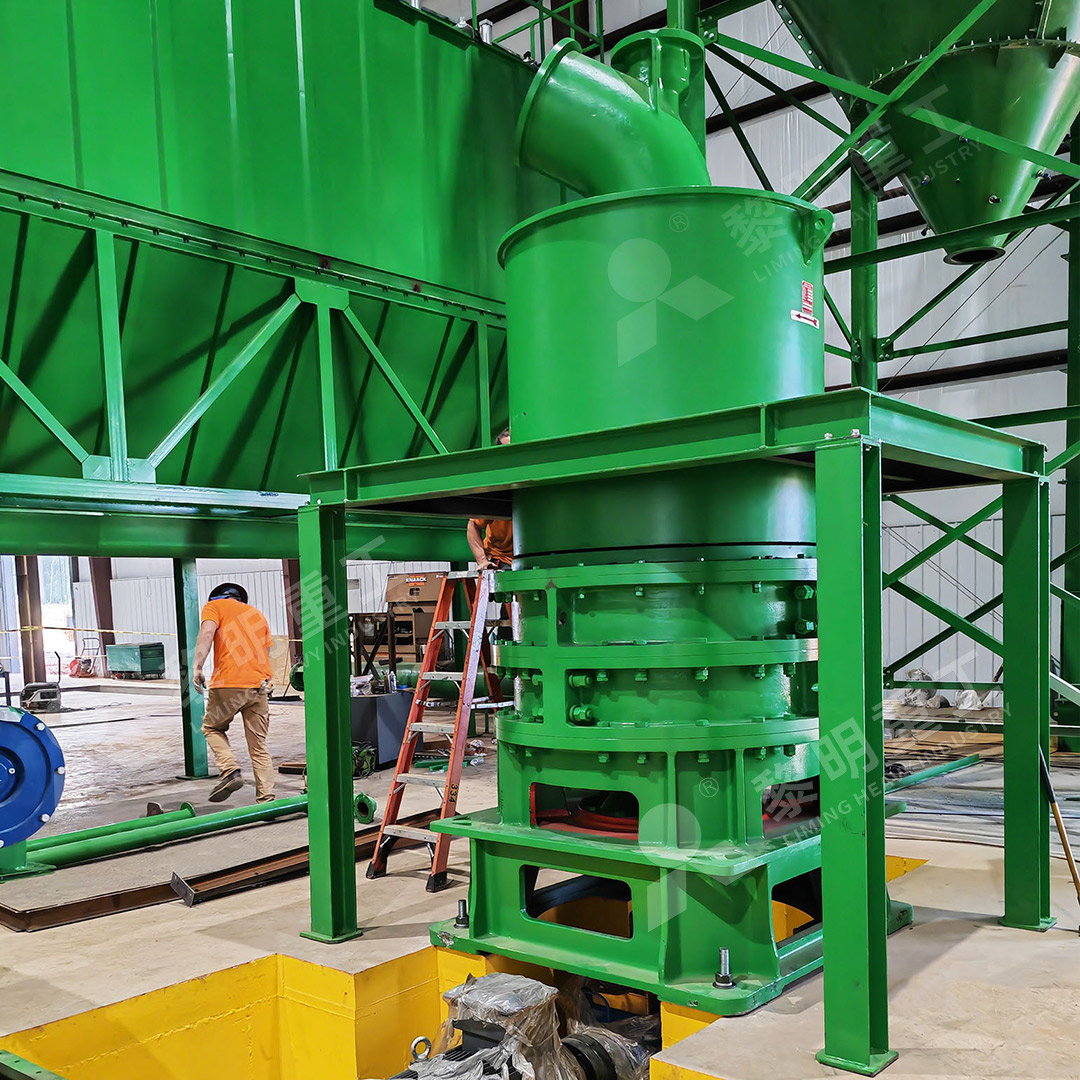
For operations requiring ultra-fine limestone powder (325-2500 meshes), the MW Ultrafine Grinding Mill presents an excellent solution. With an input size of 0-20 mm and capacity ranging from 0.5-25 tph, this machine is specifically designed for customers needing ultra-fine powder production. Its efficient pulse dust collector and muffler reduce environmental impact – a significant advantage given Greece’s strict environmental regulations.
The MW Ultrafine Grinding Mill offers 40% higher production capacity than jet mills and twice the yield of ball mills with the same fineness and power requirements. Its energy consumption is only 30% of jet grinding mills, making it particularly suitable for the Greek market where energy efficiency directly impacts profitability.
Environmental Compliance Considerations
Greek regulations require strict dust control and noise reduction measures. Equipment with built-in environmental protection features like the MW Ultrafine Grinding Mill’s pulse dust collector and noise elimination room can significantly reduce compliance costs and community relations challenges.
Long-Term Total Cost of Ownership
When evaluating grinding equipment for Greek limestone operations, consider the total cost of ownership over 5-10 years. While advanced mills like the MW series may have higher initial costs, their energy savings, reduced maintenance requirements (no rolling bearings or screws in the grinding chamber), and higher productivity often result in lower overall costs within 2-3 years of operation.
For operations requiring different specifications, the LUM Ultrafine Vertical Grinding Mill offers another excellent option with input size of 0-10 mm and capacity of 5-18 tph. Its unique roller shell and lining plate grinding curve design generates material layers more easily and achieves high rates of finished products through single-pass milling.
Conclusion
The Greek limestone grinding market demands equipment that balances initial investment with operational efficiency and environmental compliance. While traditional Raymond mills remain viable for some applications, advanced solutions like the MW Ultrafine Grinding Mill offer superior performance characteristics specifically suited to the challenges of the Greek market – high energy costs, strict environmental regulations, and the need for high-quality limestone products for both domestic use and export.
Equipment selection should be based on comprehensive cost analysis that considers not only purchase price but also energy consumption, maintenance requirements, environmental compliance costs, and the specific quality requirements of the end product markets.