
Raymond Mill Parts for Sale in Xiaoyi, Shanxi
We provide a wide range of mills — including Raymond mill, trapezoidal mill, vertical mill, ultrafine mill, and ball mill, obtained ISO9001 international quality certification, EU CE certification, and Customs Union CU-TR certification. Suitable for processing minerals such as limestone, phosphate, quicklime, kaolin, talc, barite, bentonite, calcium carbonate, dolomite, coal, gypsum, clay, carbon black, slag, cement raw materials, cement clinker, and more.
The discharge range of these mills can be adjusted to meet specific processing needs, typically from 80-400 mesh, 600-3250 mesh, and can achieve the finest particle size of up to 6000 mesh(D50).
If you are looking for a reliable grinding solution to turn stone or minerals into fine powder, please feel free to contact our online customer service.
Raymond Mill Parts for Sale in Xiaoyi, Shanxi: A Comprehensive Guide for Industrial Buyers
For industrial operations in Xiaoyi, Shanxi, and across the mineral-rich regions of China, maintaining peak grinding performance is non-negotiable. Downtime is costly, and the integrity of your milling equipment directly impacts your bottom line. When it comes to Raymond mills—the workhorses of fine powder processing for decades—securing genuine, high-quality replacement parts is the cornerstone of sustained productivity. This article serves as a professional guide for sourcing reliable Raymond mill components, emphasizing the critical importance of precision engineering and manufacturer-backed support.
The Critical Role of Genuine Wear Parts
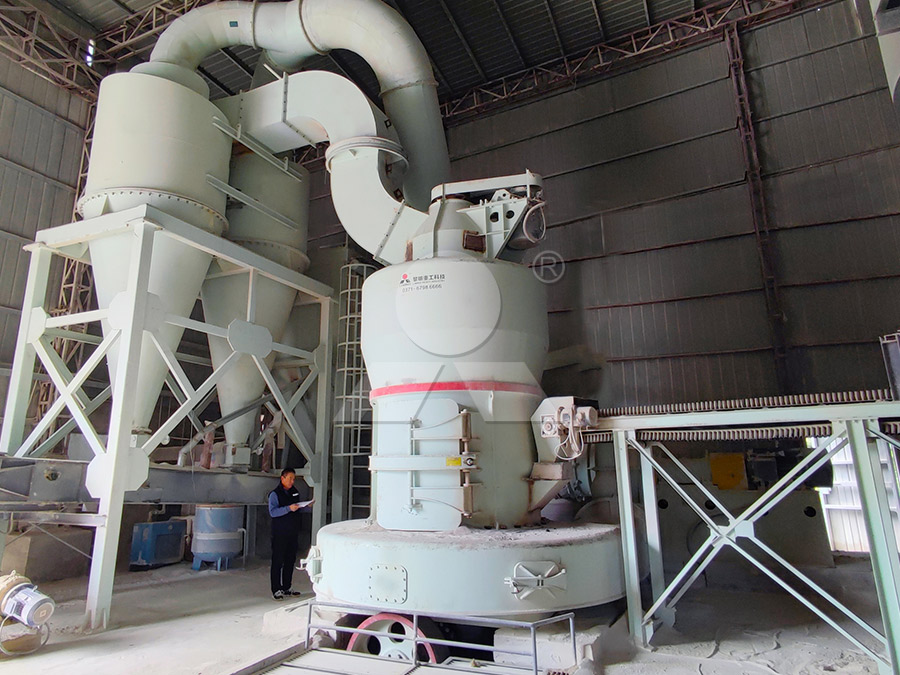
Raymond mills operate on a principle of grinding via spring-loaded rollers against a stationary ring. The components subjected to the most intense wear are the grinding rollers and grinding rings. Using substandard or ill-fitting replacements for these parts leads to a cascade of problems: inconsistent product fineness, reduced throughput, increased vibration, and higher energy consumption. Furthermore, non-genuine parts can cause abnormal stress on the main shaft, gearbox, and classifier, precipitating more extensive and expensive failures.
Genuine parts, manufactured to the original equipment specifications, ensure optimal geometry for material flow and grinding efficiency. They are typically cast from high-chromium alloy or other specialized wear-resistant materials, offering a service life that can be multiples longer than generic alternatives. This translates to fewer change-outs, lower long-term costs, and stable product quality.
Beyond Raymond: The Evolution of Grinding Technology
While sourcing parts for existing Raymond mills is essential, forward-thinking operations in Xiaoyi are also evaluating next-generation grinding solutions for new projects or upgrades. Modern mills offer significant advancements in energy efficiency, yield, and environmental control. For operations requiring ultra-fine powders (325-2500 meshes) with superior throughput, one standout solution is the MW Ultrafine Grinding Mill.
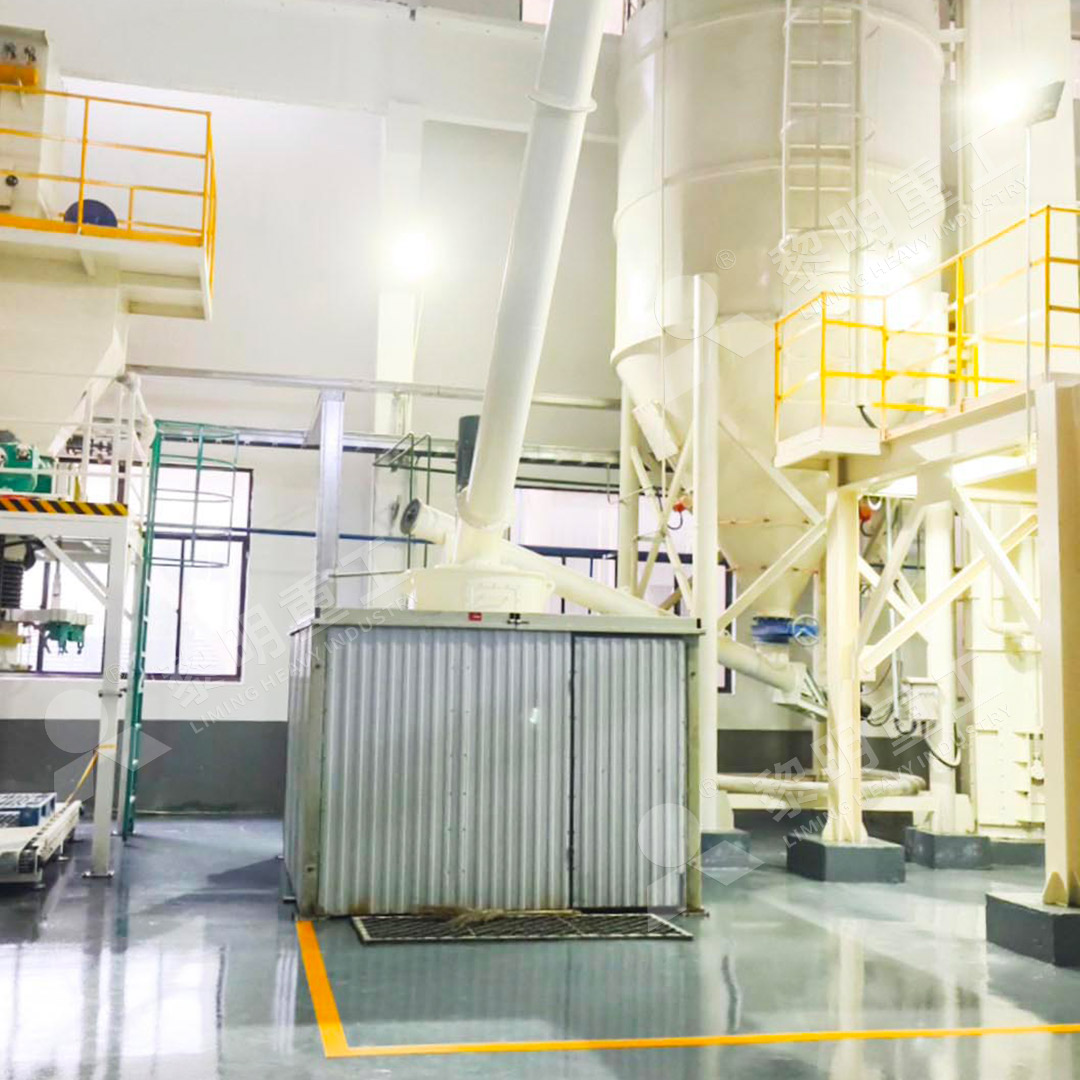
This advanced mill is engineered for customers dedicated to producing high-value ultra-fine powder. It addresses common pain points with innovative design: its cage-type powder selector, incorporating German technology, allows precise fineness adjustment. A key reliability feature is the absence of rolling bearings and screws in the grinding chamber, eliminating failures related to these components. Furthermore, it is equipped with an efficient pulse dust collector and muffler, ensuring the production process meets stringent environmental standards with minimal dust and noise. With a capacity range of 0.5-25 tph and the ability to handle materials like limestone, calcite, and talc, the MW series represents a significant leap in grinding technology.
Why Source from an Integrated Manufacturer?
The most reliable source for both Raymond mill parts and advanced grinding mills is an integrated manufacturer with direct control over design, metallurgy, and production. Such a manufacturer doesn’t just sell parts; they provide a continuity of support grounded in deep engineering knowledge. Key advantages include:
- Precision Guarantee: Parts are machined on numerical control (CNC) lines, ensuring dimensional accuracy that guarantees perfect fit and function.
- Material Integrity: Control over the alloy composition and heat-treatment processes results in predictable and extended wear life.
- Technical Support: Access to original technical drawings and application engineers helps diagnose issues and recommend the correct part or upgrade.
- Worry-Free Operation: A comprehensive inventory of original spare parts, from grinding elements to seals and gears, ensures operational continuity.
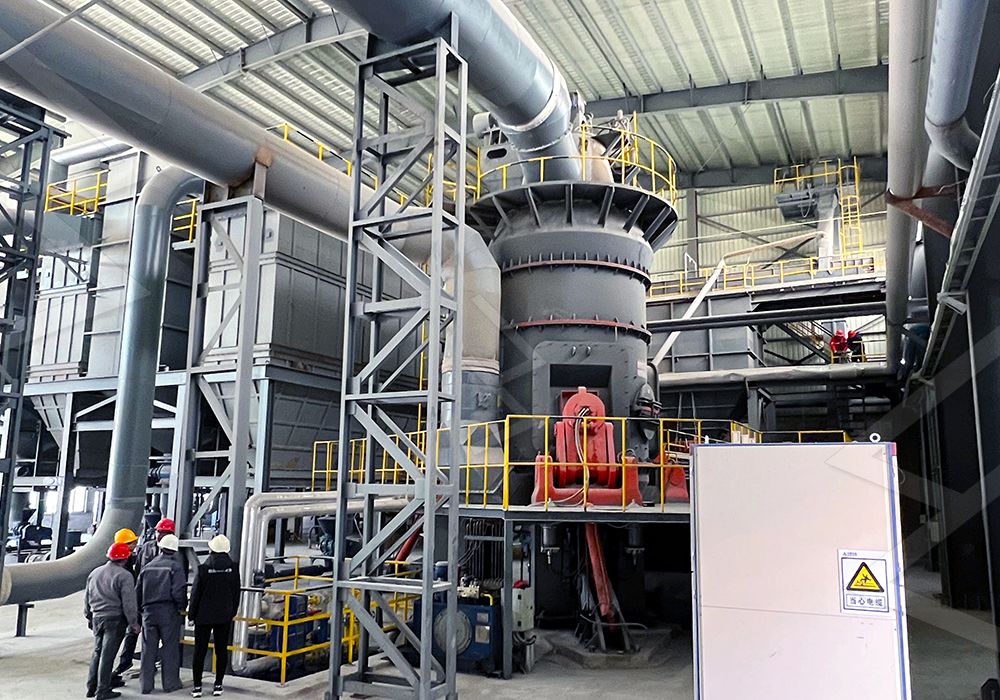
For vertical grinding applications requiring integrated drying and high capacity, another technologically sophisticated option is the LUM Ultrafine Vertical Grinding Mill. It features a unique roller and lining plate grinding curve for higher yield and better product whiteness, along with a reversible roller structure that simplifies maintenance dramatically. Its multi-head powder separating technology and PLC control system enable precise, energy-efficient operation.
Making the Right Procurement Decision
For plant managers and procurement specialists in Xiaoyi, the decision boils down to total cost of ownership. The lowest upfront price for a generic part often leads to higher costs through frequent replacement, unplanned downtime, and compromised output. Partnering with a reputable supplier who offers genuine, manufacturer-backed parts—and can also provide insights into modern grinding solutions like the MW or LUM series—is a strategic investment in your operation’s efficiency and future.
Ensure your supplier can provide material certifications, has a proven track record in the region, and offers clear channels for technical consultation. This approach safeguards your Raymond mill’s performance today and positions your facility to adopt more efficient technologies tomorrow.
Frequently Asked Questions (FAQ)
- What are the most commonly replaced wear parts on a Raymond mill?
The components with the highest replacement frequency are the grinding rollers, grinding rings, and shovel blades. These parts are in direct contact with the feed material and experience constant abrasive wear. - How can I tell if my grinding rollers/rings need replacement?
Key indicators include a noticeable drop in production output, an increase in the energy consumption per ton, difficulty maintaining the target product fineness, and increased vibration or unusual noise from the grinding chamber. - Are parts from different Raymond mill models interchangeable?
Generally, no. Even mills from the same brand but of different models (e.g., 3R, 4R, 5R) have different dimensions and specifications. It is crucial to provide the exact mill model and serial number, or the old part itself, to ensure the correct replacement is sourced. - What is the advantage of a modern MW Ultrafine Mill over a traditional Raymond mill for fine powder production?
The MW Mill is specifically designed for ultra-fine grinding (up to 2500 mesh) with higher efficiency. It offers 40% higher capacity than jet mills for the same power, features a sealed, environmentally friendly system with pulse dust collection, and has a more reliable design without internal bearings in the grinding zone. - Can you supply matching motors, reducers, or electrical components for mill repairs?
A full-service, integrated manufacturer can typically provide or source all ancillary components required for a complete repair or overhaul, ensuring compatibility and system harmony. - What support is available after purchasing replacement parts or a new mill?
Reputable suppliers offer installation guidance, operational manuals, and troubleshooting support. For new mills like the MW or LUM series, on-site installation supervision and operator training are often available to ensure optimal performance from day one.