
Raymond Mill Manufacturers in Indonesia for High Capacity Grinding (8+ Tons Per Hour)
We provide a wide range of mills — including Raymond mill, trapezoidal mill, vertical mill, ultrafine mill, and ball mill, obtained ISO9001 international quality certification, EU CE certification, and Customs Union CU-TR certification. Suitable for processing minerals such as limestone, phosphate, quicklime, kaolin, talc, barite, bentonite, calcium carbonate, dolomite, coal, gypsum, clay, carbon black, slag, cement raw materials, cement clinker, and more.
The discharge range of these mills can be adjusted to meet specific processing needs, typically from 80-400 mesh, 600-3250 mesh, and can achieve the finest particle size of up to 6000 mesh(D50).
If you are looking for a reliable grinding solution to turn stone or minerals into fine powder, please feel free to contact our online customer service.
Meeting Indonesia’s Growing Demand for High-Capacity Grinding Solutions
Indonesia’s rapidly expanding industrial sectors, from mining and construction to chemicals and agriculture, are driving an unprecedented demand for efficient, high-capacity grinding equipment. The need to process vast quantities of raw materials like limestone, calcite, and coal into fine powders is a critical step in the value chain. For operations targeting outputs exceeding 8 tons per hour, selecting the right milling technology is not just a matter of efficiency—it’s a strategic business decision impacting profitability, operational costs, and environmental compliance.
Traditional Raymond mills, while reliable for smaller-scale applications, often fall short in this high-stakes environment. Their limitations in throughput and energy efficiency can become significant bottlenecks. This has led plant managers and engineers to seek more advanced, vertically-integrated grinding systems designed specifically for heavy-duty, continuous operation.
Key Considerations for High-Throughput Milling in Indonesia
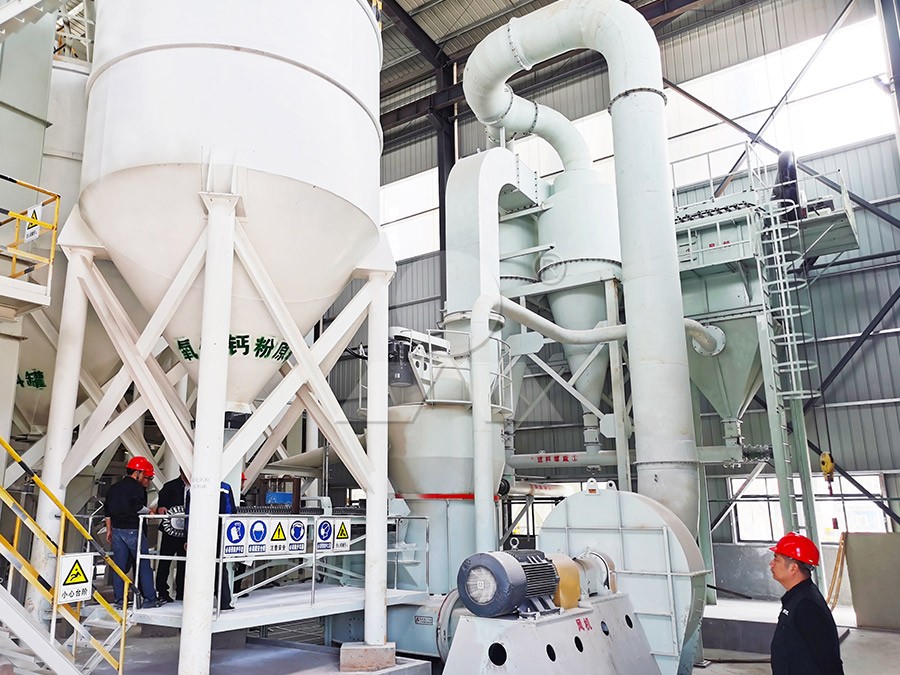
When evaluating grinding mills for high-capacity applications, several factors unique to the Indonesian market come into play. The humid climate necessitates robust drying capabilities integrated within the mill. Furthermore, the push for greener operations means dust and noise control are no longer optional features but mandatory requirements. Equipment must also be resilient, with easy access to spare parts and technical support to minimize costly downtime.
It’s in this context that advanced mill designs truly shine. For instance, the MW Ultrafine Grinding Mill is engineered to meet these exact challenges. With a capacity range of 0.5 to 25 tons per hour, it comfortably handles the 8+ tons per hour benchmark. Its innovative design eliminates rolling bearings and screws from the grinding chamber, a feature that significantly reduces the risk of mechanical failure—a crucial advantage in remote locations. The integrated efficient pulse dust collector and muffler ensure operations adhere to strict environmental standards, making it an ideal solution for modern Indonesian industries concerned with sustainable production.
Advanced Technology for Unmatched Performance
The core of high-capacity grinding lies in the engineering of the grinding mechanism itself. Newly designed grinding curves for rollers and rings enhance efficiency, allowing the MW Mill to achieve production capacities up to 40% higher than jet mills and twice that of ball mills, all while consuming 30% less energy. This translates directly to a lower cost per ton of processed material.
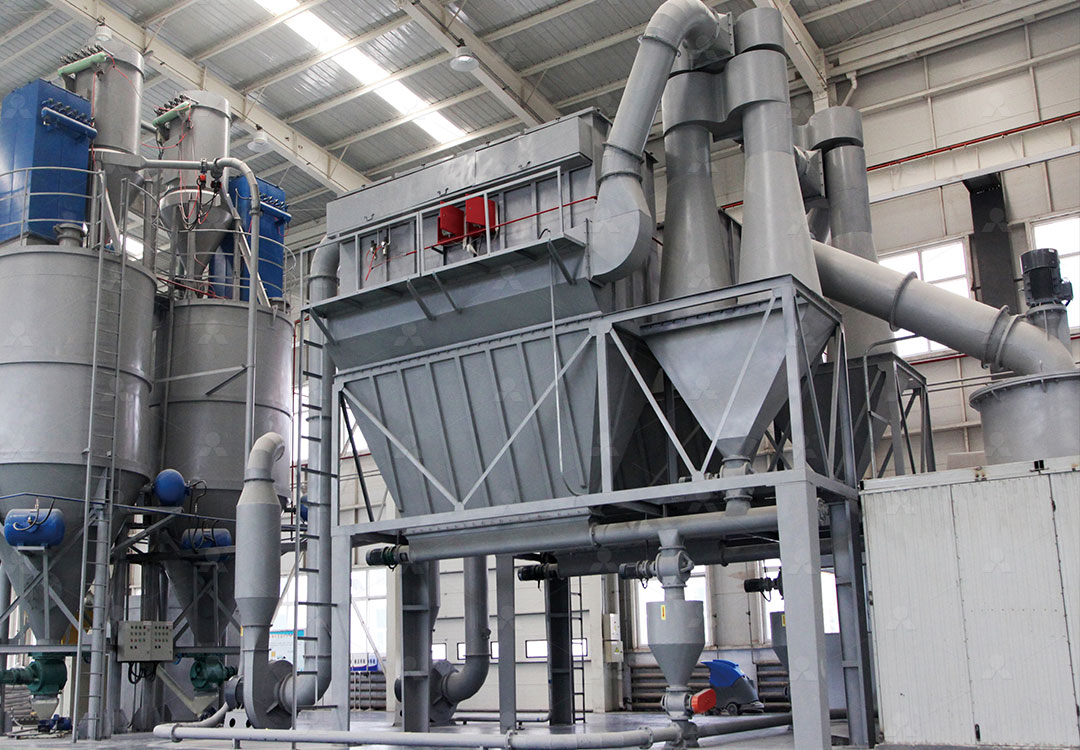
Precision is another critical factor. The cage-type powder selector, incorporating German technology, allows operators to adjust fineness between 325 and 2500 meshes with high accuracy, ensuring a consistent and high-quality final product. This level of control is essential for applications in paints, cosmetics, and food additives, where powder consistency is paramount.
For operations requiring even greater integration and automation, the LUM Ultrafine Vertical Grinding Mill presents a compelling alternative. With a capacity of 5-18 tph, it features PLC control systems and multi-head powder separating technology for precise control over grinding parameters. Its reversible structure is a maintenance engineer’s dream, allowing grinding rollers to be easily moved out of the body for inspection and part replacement, drastically reducing service time.
Driving Indonesia’s Industrial Future
The choice of grinding equipment is a long-term investment. Beyond initial cost, considerations for energy consumption, maintenance logistics, and environmental impact define the total cost of ownership. By adopting advanced mills like the MW and LUM series, Indonesian businesses are not only boosting their production capacity but are also positioning themselves as leaders in efficient and responsible manufacturing.
These systems represent the culmination of decades of grinding technology evolution, offering digitalized processing for higher precision and reliable after-sales support for worry-free operation. As Indonesia continues its industrial growth, partnering with manufacturers that provide this level of technological sophistication and local support will be key to maintaining a competitive edge.
Frequently Asked Questions (FAQ)
- What is the main advantage of a MW Ultrafine Grinding Mill over a traditional Raymond mill for high-capacity applications?
The MW Mill offers significantly higher throughput (up to 25 tph), superior energy efficiency (40% higher yield than jet mills), and advanced features like an external lubrication system that allows for 24/7 operation without shutdowns for maintenance. - Can these mills handle the high humidity of raw materials often found in Indonesia?
Yes, models like the LUM Ultrafine Vertical Grinding Mill integrate crushing, drying, and grinding processes, making them highly effective for materials with some moisture content, a common scenario in the region. - How is dust pollution controlled during operation?
Both the MW and LUM mills are equipped with efficient pulse dust collectors that ensure the entire milling system operates under negative pressure, preventing dust from escaping. This makes them fully compliant with national environmental protection standards. - What kind of technical and spare parts support is available in Indonesia?
Reputable manufacturers provide comprehensive technical services and guarantee the supply of original spare parts, ensuring minimal downtime and long-term, worry-free operation for plants across the Indonesian archipelago.