
Raymond Mill for Slag Grinding: Maintenance and Overhaul Guide
We provide a wide range of mills — including Raymond mill, trapezoidal mill, vertical mill, ultrafine mill, and ball mill, obtained ISO9001 international quality certification, EU CE certification, and Customs Union CU-TR certification. Suitable for processing minerals such as limestone, phosphate, quicklime, kaolin, talc, barite, bentonite, calcium carbonate, dolomite, coal, gypsum, clay, carbon black, slag, cement raw materials, cement clinker, and more.
The discharge range of these mills can be adjusted to meet specific processing needs, typically from 80-400 mesh, 600-3250 mesh, and can achieve the finest particle size of up to 6000 mesh(D50).
If you are looking for a reliable grinding solution to turn stone or minerals into fine powder, please feel free to contact our online customer service.
Raymond Mill for Slag Grinding: Maintenance and Overhaul Guide
For decades, the Raymond Mill has been a workhorse in mineral processing, particularly for grinding materials like blast furnace slag into valuable construction additives. Its relatively simple mechanical design and proven track record make it a common sight in many plants. However, like any critical piece of equipment, its longevity and consistent performance hinge on a disciplined, proactive approach to maintenance and overhaul. This guide distills best practices from the field to help you maximize uptime and protect your investment.
The Critical Nature of Slag Grinding Maintenance
Slag presents unique challenges. Its abrasive nature accelerates wear on grinding components, while its moisture content can lead to clogging and inefficient operation. A reactive “run-to-failure” strategy is a fast track to costly unplanned downtime, subpar product fineness, and soaring energy bills. A structured maintenance program is not an expense; it’s an investment in predictable production and cost control.
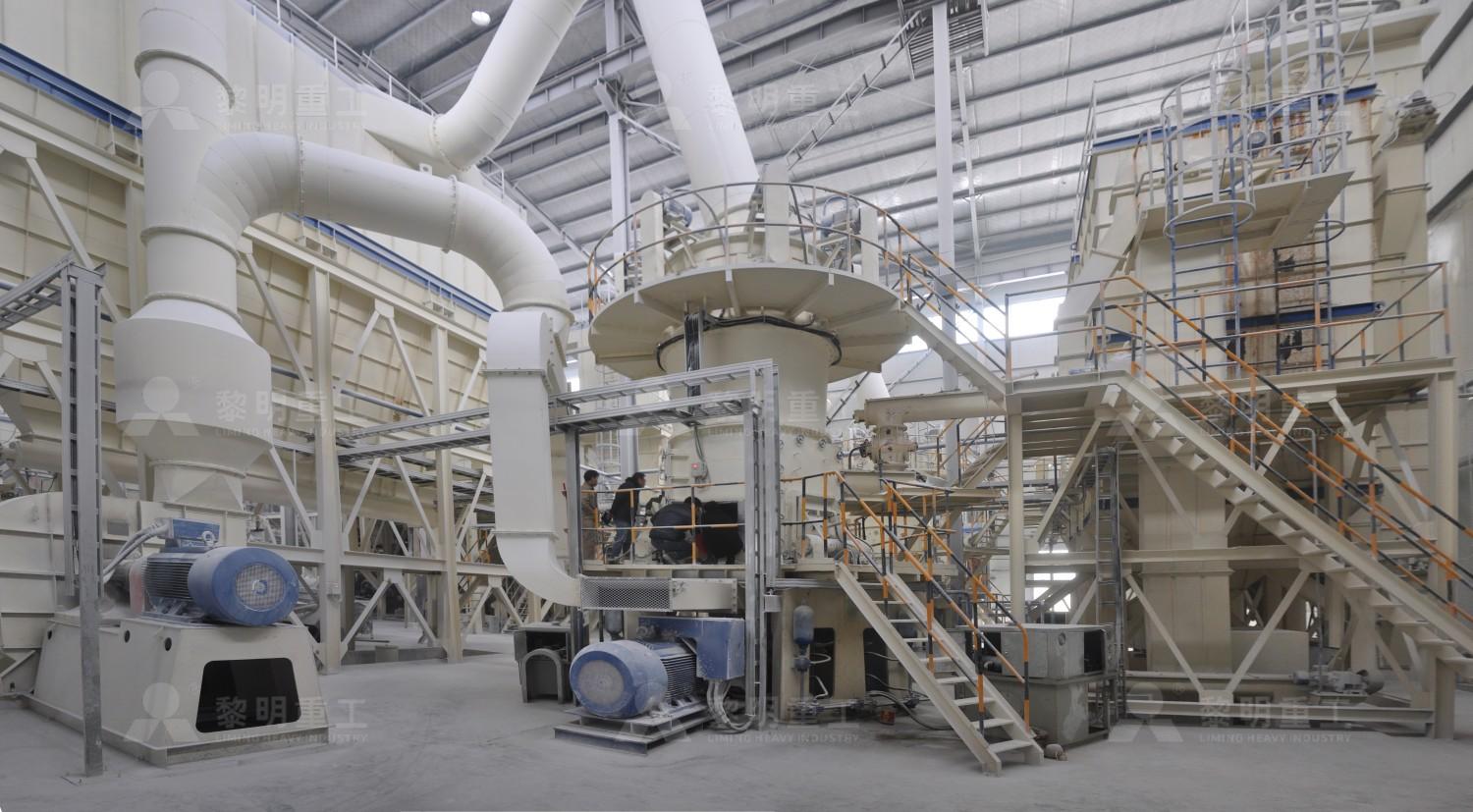
Daily and Weekly Operational Checks
These routine inspections are your first line of defense. Operators should integrate these checks into their standard shift logs.
- Lubrication: Check oil levels in the main shaft bearing and reducer. Listen for unusual noises that might indicate insufficient lubrication. Ensure grease points on the grinding roller shaft are serviced according to the manufacturer’s schedule.
- Vibration & Noise: Use simple tools or sensory checks. A sudden increase in vibration often signals imbalance, loose fasteners, or severe roller/ring wear. Abnormal grinding noises can indicate metal-to-metal contact.
- Drive System: Inspect belt tension and condition on the main drive. Look for signs of slippage or fraying. Check motor amperage; a rising trend can indicate increased grinding resistance due to wear or feed issues.
- Dust Control: Monitor the pulse dust collector. Ensure reverse-pulse cleaning cycles are functioning to maintain proper airflow and prevent pressure buildup that can choke the mill.
Key Wear Parts: Monitoring and Replacement
The grinding zone is the heart of the mill. Tracking and proactively replacing these parts is crucial.
- Grinding Rollers and Rings: Measure wear patterns regularly. Uneven wear leads to poor grinding efficiency and inconsistent fineness. Establish a baseline thickness and plan replacements before wear exceeds critical limits. Keep a matched set of rollers and rings in stock to ensure balanced operation after overhaul.
- Blade (Shovel): This component feeds material into the grinding zone. Worn blades reduce feed rate and capacity. Inspect for cracking and wear at the tips.
- Classifier Blades/Impeller: Worn classifier components compromise product fineness control, allowing coarse particles to pass. Check for erosion and ensure smooth rotation.
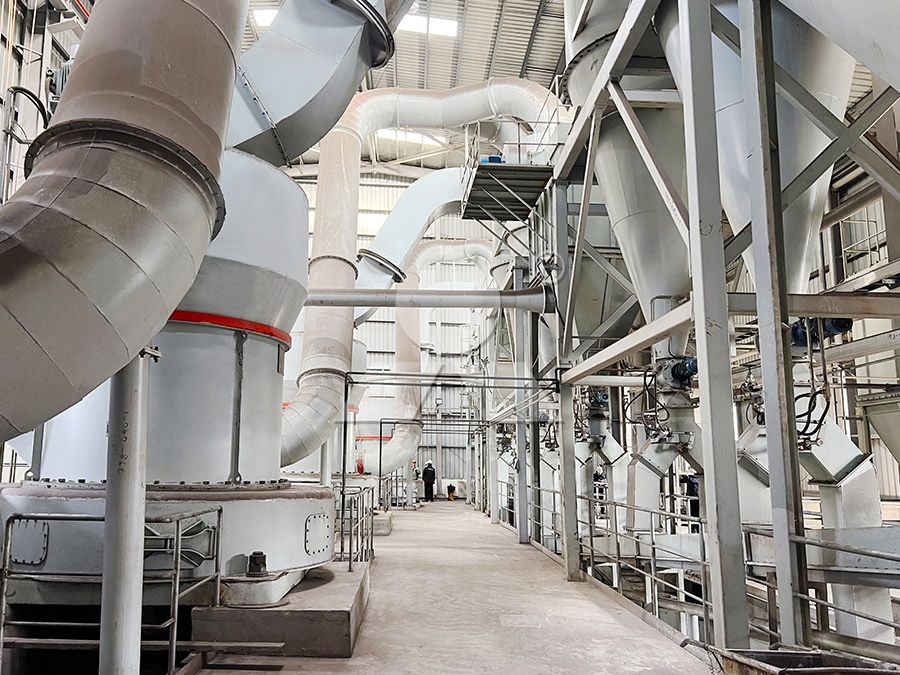
Planning a Major Overhaul
A full overhaul is a significant undertaking, typically scheduled during annual plant shutdowns. Proper planning is the key to a swift, successful restart.
- Pre-Shutdown Preparation: Order all anticipated spare parts well in advance—rollers, rings, liner plates, bolts, and bearing kits. Prepare detailed work instructions and assign a dedicated crew.
- Disassembly & Inspection: Systematically disassemble the grinding chamber and classifier. This is the time for a thorough inspection beyond daily checks. Examine the main shaft for any scoring or misalignment. Check all bearing housings for wear. Inspect the mill base for cracks or structural issues.
- Cleaning & Reassembly: Remove all old material and debris. This is critical for inspecting surfaces and ensuring new parts seat correctly. During reassembly, follow torque specifications meticulously for all fasteners. Pay special attention to the alignment of the grinding roller assembly and the classifier shaft. Improper alignment is a major source of premature failure.
- Post-Overhaul Commissioning: Start with an empty mill. Run the system and check for vibrations and unusual sounds. Gradually introduce feed material, monitoring motor load and product output quality closely for the first 24-48 hours.
Modern Alternatives for Enhanced Reliability
While the traditional Raymond Mill is effective, technological evolution has addressed many of its inherent maintenance challenges. For operations prioritizing maximum uptime, lower operating costs, and finer product capabilities, modern vertical roller mills represent a significant leap forward.
For instance, our LUM Ultrafine Vertical Grinding Mill is engineered specifically for high-efficiency, low-maintenance operation in demanding applications. It integrates several design features that directly reduce maintenance burdens:
- Reversible Structure & Hydraulic System: Its standout feature is the reversible grinding roller. Using the hydraulic system, operators can easily swing the roller out of the mill body for inspection or replacement of the roller shell and liner plate. This eliminates the need for complex disassembly inside the grinding chamber, drastically reducing maintenance time and downtime losses.
- No Direct Metal-to-Metal Contact: The design incorporates double position-limiting technology (electronic and mechanical) to prevent the grinding roller from directly impacting the millstone, even during vibration events. This protects against catastrophic damage.
- Higher Efficiency, Lower Wear: With a unique roller shell curve designed for better material bed formation, the LUM mill achieves higher yield rates with less specific energy consumption (30%-50% lower than common mills), which inherently reduces mechanical stress and wear.
For operations focused on ultra-fine slag powder (325-2500 meshes), our MW Ultrafine Grinding Mill offers another robust solution. Its design eliminates rolling bearings and screws inside the grinding chamber entirely, removing common failure points. The external lubrication system allows for “lubrication without shutdown,” supporting true 24/7 continuous operation. Combined with its high-precision cage-type powder selector and efficient pulse dust collector, it delivers fine, consistent product with minimal operational intervention.
Conclusion: A Culture of Care
Effective maintenance of a Raymond Mill for slag grinding transcends a checklist. It requires building a culture where operators are trained to observe, mechanics are empowered to plan, and management invests in both routine care and strategic upgrades. By adhering to a disciplined schedule and considering modern, maintenance-optimized designs like the LUM or MW series for your next capital investment, you can transform your grinding operation from a source of unpredictable downtime into a pillar of reliable, profitable production.
Frequently Asked Questions (FAQ)
1. What is the most common cause of premature failure in Raymond Mill grinding rollers?
The primary cause is abrasive wear from the slag itself, but this is drastically accelerated by improper feed size (too large), inconsistent material feed leading to metal-to-metal contact, and inadequate or infrequent lubrication of the roller shaft bearings.
2. How often should the grinding rings and rollers be replaced?
There is no universal interval; it depends entirely on slag abrasiveness, required fineness, and operating hours. The key is regular thickness measurement. Establish a minimum allowable thickness (e.g., 60% of original) based on manufacturer guidance and replace once wear approaches this limit to avoid catastrophic failure and damage to other components.
3. Why is my mill’s output fineness becoming inconsistent even with the classifier set at the same speed?
This typically points to wear in the grinding zone. Worn rollers and rings cannot effectively crush material to a consistent size before it reaches the classifier. Additionally, worn or damaged blades in the classifier itself will fail to properly separate particles. Inspect and replace these wear parts.
4. We experience frequent bearing failures on the main shaft. What could be the root cause?
Beyond lubrication issues, the most likely culprits are misalignment during reassembly, excessive vibration from imbalanced rollers or a damaged grinding ring, or ingress of fine dust due to failed sealings. A thorough alignment check after overhaul and ensuring sealing integrity are critical.
5. What are the main advantages of a vertical roller mill (like the LUM) over a traditional Raymond Mill for slag?
Vertical roller mills like the LUM offer significantly higher energy efficiency (30-50% savings), integrated drying for moist slag, easier and faster maintenance access (e.g., reversible rollers), superior product fineness control, and generally lower vibration and noise levels, leading to higher overall reliability and lower operating cost per ton.
6. Can these mills handle granulated blast furnace slag with some residual moisture?
Traditional Raymond Mills have limited drying capacity and require very dry feed. Modern vertical mills, including the LUM and LM Vertical Slag Mill, are designed with integrated hot air systems that can simultaneously dry and grind slag with moisture content typically up to 15-20%, making them far more versatile and eliminating the need for a separate dryer.