
Raymond Mill for Sale in Guilin: High-Efficiency Grinding Equipment
We provide a wide range of mills — including Raymond mill, trapezoidal mill, vertical mill, ultrafine mill, and ball mill, obtained ISO9001 international quality certification, EU CE certification, and Customs Union CU-TR certification. Suitable for processing minerals such as limestone, phosphate, quicklime, kaolin, talc, barite, bentonite, calcium carbonate, dolomite, coal, gypsum, clay, carbon black, slag, cement raw materials, cement clinker, and more.
The discharge range of these mills can be adjusted to meet specific processing needs, typically from 80-400 mesh, 600-3250 mesh, and can achieve the finest particle size of up to 6000 mesh(D50).
If you are looking for a reliable grinding solution to turn stone or minerals into fine powder, please feel free to contact our online customer service.
Raymond Mill for Sale in Guilin: High-Efficiency Grinding Equipment
For decades, the name “Raymond Mill” has been synonymous with reliable, efficient powder processing in industries ranging from mining and construction to chemicals and ceramics. Originating from a design that revolutionized particle size reduction, the modern Raymond mill available today has evolved far beyond its predecessors, offering enhanced performance, greater energy efficiency, and a significantly reduced environmental footprint. In the heart of China’s milling equipment manufacturing, Guilin-based companies have been at the forefront of this evolution, refining Raymond mill technology to meet the rigorous demands of global production.
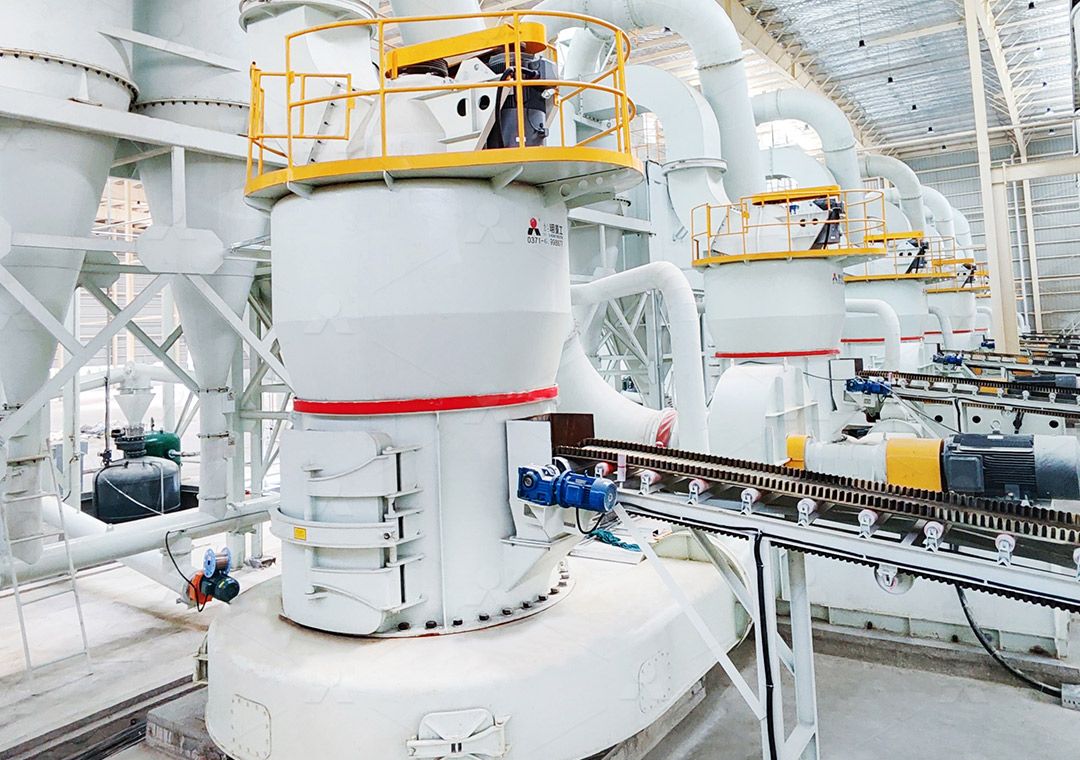
The core appeal of a contemporary Raymond mill lies in its robust and relatively simple mechanical design, which translates to operational reliability and ease of maintenance. The system typically integrates crushing, grinding, classifying, and conveying into a cohesive unit. Material, fed into the grinding chamber, is ground between rotating rollers and a stationary ring. The centrifugal force generated presses the rollers against the ring, pulverizing the material. A built-in classifier then ensures only particles meeting the desired fineness proceed to the collection cyclone, while coarser particles are returned for further grinding. This closed-circuit system is key to achieving consistent product quality.
Beyond the Classic: The Need for Advanced Grinding Solutions
While traditional Raymond mills excel at producing powders in the 80-325 mesh range, modern industrial applications increasingly demand ultra-fine powders (325-2500 mesh) with higher purity, specific particle size distribution, and lower energy consumption per ton. This is where the legacy of the Raymond mill inspires its next generation. Manufacturers in Guilin have developed advanced grinding mills that build upon the vertical grinding principle but incorporate cutting-edge technologies for superior performance in ultra-fine processing.
For operations requiring these higher specifications, two standout solutions have emerged from leading manufacturers. These machines address the limitations of older designs by focusing on higher yield, precise classification, and operational stability.
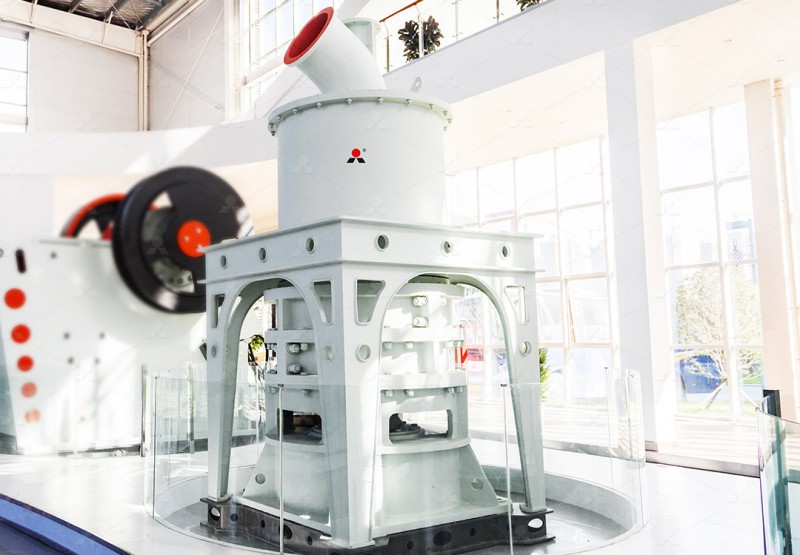
Spotlight on Advanced Technology: The MW Ultrafine Grinding Mill
One such exemplary advancement is the MW Ultrafine Grinding Mill. This equipment is engineered specifically for customers who need to produce ultra-fine powder efficiently and cleanly. It represents a significant leap in grinding technology, capable of handling an input size of 0-20 mm and delivering a capacity range of 0.5 to 25 tons per hour.
What sets the MW series apart is its intelligent design focused on productivity and sustainability. Its newly designed grinding curves for the roller and ring enhance grinding efficiency dramatically. Independent tests show that with the same fineness and power, its production capacity can be 40% higher than jet mills and twice that of traditional ball mills, while system energy consumption is reduced to just 30% of a jet mill’s. Fineness is precisely adjustable between 325 and 2500 meshes, thanks to a German-technology-inspired cage-type powder selector. This selector can be configured with multiple heads to meet specific yield and sieving rate requirements, achieving a remarkable d97≤5μm in a single pass.
Operational reliability is paramount. The MW mill’s grinding chamber is ingeniously designed without rolling bearings or screws, eliminating common failure points like bearing seal damage or loose fasteners causing machine failure. Lubrication points are externally accessible, allowing for maintenance without shutdowns, supporting true 24/7 continuous production. Furthermore, environmental responsibility is built-in. An efficient pulse dust collector ensures the entire milling system operates without dust pollution, while integrated silencers and noise reduction measures keep operations within strict national environmental standards.
Another Premier Choice: The LUM Ultrafine Vertical Grinding Mill
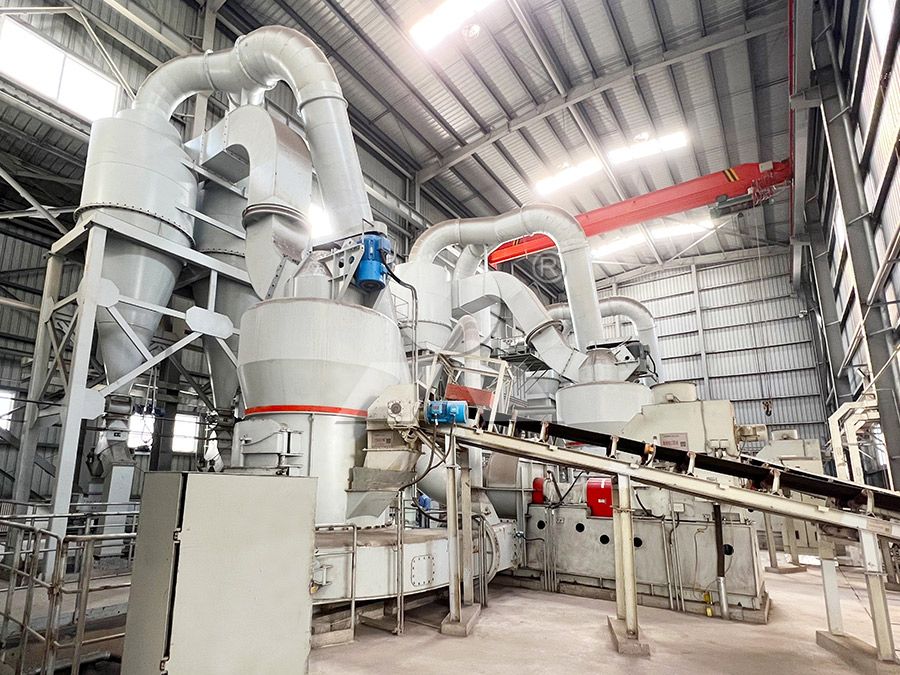
For applications demanding the pinnacle of vertical grinding technology, the LUM Ultrafine Vertical Grinding Mill is a top-tier option. Independently developed with a deep understanding of grinding mechanics, it incorporates the latest grinding roller technology from Taiwan and advanced German powder separation technology. It handles a slightly smaller feed size (0-10 mm) with a capacity of 5-18 tph, making it ideal for superfine dry powder production of non-metallic ores.
The LUM mill’s strengths lie in its exceptional grinding efficiency and product quality. Its unique roller shell and lining plate grinding curve promote stable material bed formation, enabling a high rate of finished product in a single pass. This not only boosts efficiency but also improves the whiteness and cleanliness of outputs like calcite and marble powder. Energy savings of 30%-50% are achieved through a PLC-controlled multi-head powder separating system, which allows for precise control over grinding parameters and fast switching between production demands. For stability, it employs double position-limiting technology—both electronic and mechanical—to prevent destructive impacts from external vibrations, such as those from mining explosions.
Making the Right Investment in Guilin Grinding Equipment
Choosing the right mill requires a careful analysis of your raw material properties, desired final product specifications, required capacity, and total operational cost considerations. While the classic Raymond mill remains a cost-effective workhorse for coarse to medium-fine grinding, projects targeting the ultra-fine powder market with concerns for energy efficiency, product purity, and environmental compliance should strongly consider advanced solutions like the MW or LUM series.
Suppliers in Guilin typically offer comprehensive support, from initial consultation and plant design to installation, training, and after-sales service with genuine spare parts. This end-to-end responsibility ensures your grinding investment delivers long-term, worry-free performance. When evaluating equipment, prioritize manufacturers with a proven track record, robust R&D capabilities, and a commitment to digitalized, high-precision manufacturing, as these factors directly correlate with machine reliability and final product quality.
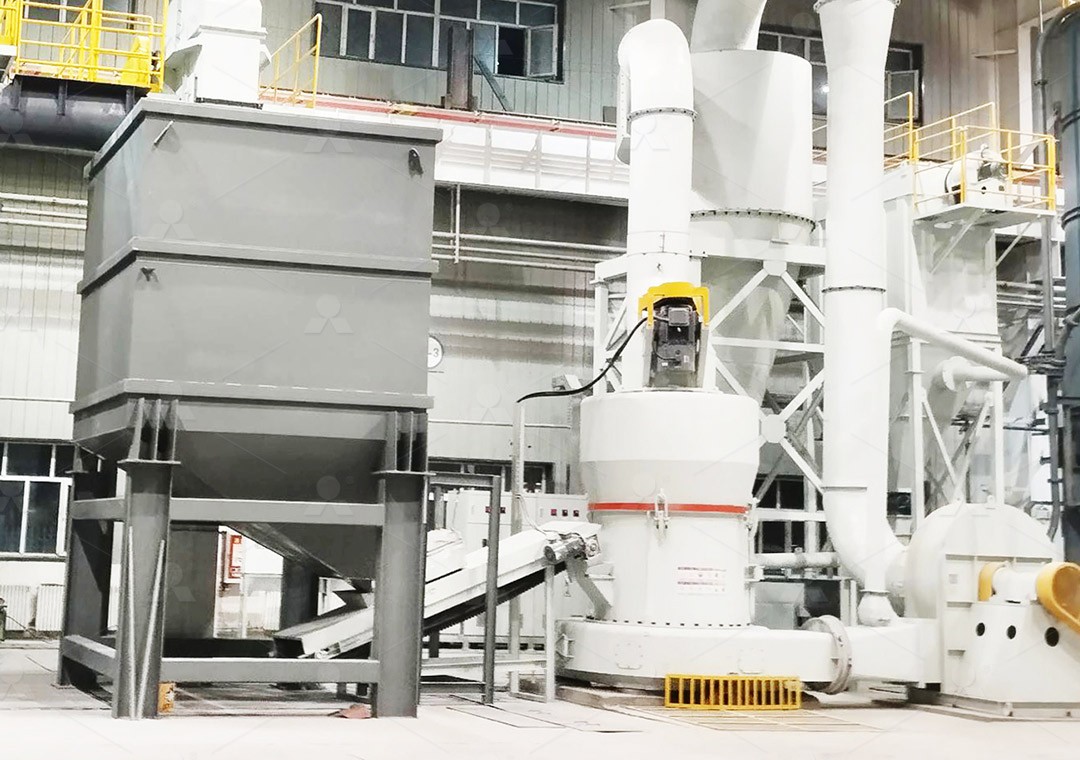
In conclusion, the Raymond mill for sale in Guilin today is not just a single machine but a category representing a spectrum of grinding solutions. From the dependable classic model to the technologically advanced MW and LUM ultrafine mills, Guilin’s manufacturing sector provides the tools necessary to compete in an increasingly demanding global market. Investing in the right high-efficiency grinding equipment is a strategic decision that pays dividends through lower operating costs, higher quality products, and sustainable production practices.
Frequently Asked Questions (FAQ)
- What is the main difference between a traditional Raymond mill and the MW Ultrafine Grinding Mill?
The primary difference lies in fineness range and efficiency. Traditional Raymond mills are optimal for powders up to 325 mesh. The MW Ultrafine Grinding Mill is engineered for ultra-fine powder production from 325 to 2500 mesh, with significantly higher energy efficiency (using only about 30% of the energy of a jet mill for comparable output) and a unique bearing-free grinding chamber design for enhanced reliability. - Can the MW or LUM mills handle hard and abrasive materials?
Yes, both mills are designed to process a variety of non-metallic minerals, including hard and moderately abrasive materials like limestone, calcite, dolomite, and barite. Their grinding rollers and rings are made from high-performance wear-resistant alloys to extend service life. The LUM mill’s hydraulic system also allows adjustment of grinding pressure to suit material hardness. - How is dust control managed with these grinding mills?
Modern mills like the MW and LUM series are designed as negative-pressure, closed systems. They are equipped with high-efficiency pulse jet bag dust collectors (like the one standard on the MW mill) that capture over 99.9% of airborne particles. This ensures no dust spills into the workshop, meeting strict environmental protection standards and providing a clean working environment. - What kind of after-sales support and spare parts availability can I expect?
Reputable manufacturers in Guilin offer comprehensive life-cycle support. This includes detailed technical documentation, installation guidance, operational training, and prompt supply of original spare parts. Their integrated production and sales model ensures direct responsibility for every machine, guaranteeing long-term worry-free operation and minimizing downtime. - Are these mills suitable for fully automated production lines?
Absolutely. Both the MW and LUM grinding mills feature advanced digital control systems. They can be integrated with PLCs and central control rooms, allowing for remote monitoring and control of key parameters like feeding rate, grinding pressure, classifier speed, and temperature. This enables seamless integration into fully automated production lines for consistent, high-volume output.