
Raymond Mill for Sale: High-Efficiency Grinding Machine in Hangzhou, Zhejiang
We provide a wide range of mills — including Raymond mill, trapezoidal mill, vertical mill, ultrafine mill, and ball mill, obtained ISO9001 international quality certification, EU CE certification, and Customs Union CU-TR certification. Suitable for processing minerals such as limestone, phosphate, quicklime, kaolin, talc, barite, bentonite, calcium carbonate, dolomite, coal, gypsum, clay, carbon black, slag, cement raw materials, cement clinker, and more.
The discharge range of these mills can be adjusted to meet specific processing needs, typically from 80-400 mesh, 600-3250 mesh, and can achieve the finest particle size of up to 6000 mesh(D50).
If you are looking for a reliable grinding solution to turn stone or minerals into fine powder, please feel free to contact our online customer service.
Raymond Mill for Sale: High-Efficiency Grinding Machine in Hangzhou, Zhejiang
For industrial operations seeking reliable, efficient, and cost-effective fine powder production, the Raymond Mill remains a cornerstone technology. As a premier industrial hub in China, Hangzhou, Zhejiang, is home to advanced manufacturing and a key supplier of high-performance grinding machinery. This article explores the enduring value of the Raymond Mill and highlights modern, superior alternatives available for purchase, ensuring your operation stays competitive.
The Legacy and Evolution of Grinding Technology
The classic Raymond Mill design, known for its robust construction and straightforward operation, has served industries from mining to chemicals for decades. Its principle of using centrifugal force to press grinding rollers against a rotating ring to crush materials is time-tested. However, technological progress demands higher efficiency, greater precision, and stricter environmental compliance.
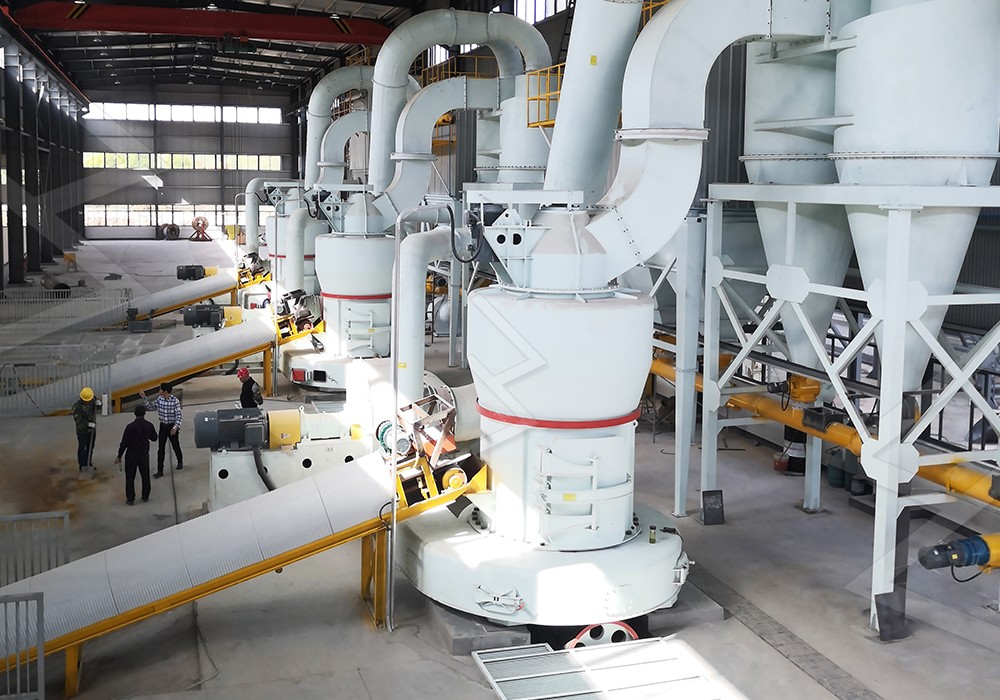
Modern iterations and advanced mill designs have significantly evolved from this foundation. Today’s leading manufacturers in Zhejiang integrate digital controls, superior material science for wear parts, and innovative mechanical designs that drastically reduce energy consumption and environmental footprint while boosting output quality.
Key Considerations for Modern Powder Processing
When selecting a grinding mill in 2024, several factors move beyond basic functionality:
- Energy Efficiency: Operational cost is paramount. Modern mills can reduce power consumption by 30-50% compared to older designs.
- Product Fineness & Adjustability: The ability to precisely control output fineness, from coarse powders to ultra-fine meshes, is crucial for diverse applications.
- Environmental Impact: Integrated dust collection and noise reduction systems are no longer optional but essential for sustainable operation.
- Operational Stability & Maintenance: Designs that minimize vibration, prevent destructive impacts, and simplify maintenance reduce downtime and long-term costs.
- Digital Integration: Precision manufacturing of core components and PLC-based control systems ensure consistent quality and easier operation.
Beyond Traditional Raymond Mills: Advanced Solutions from LIMING
While traditional Raymond Mills are available, for operations aiming at superior performance, we strongly recommend considering our next-generation grinding solutions. These machines embody the latest engineering breakthroughs for demanding applications.
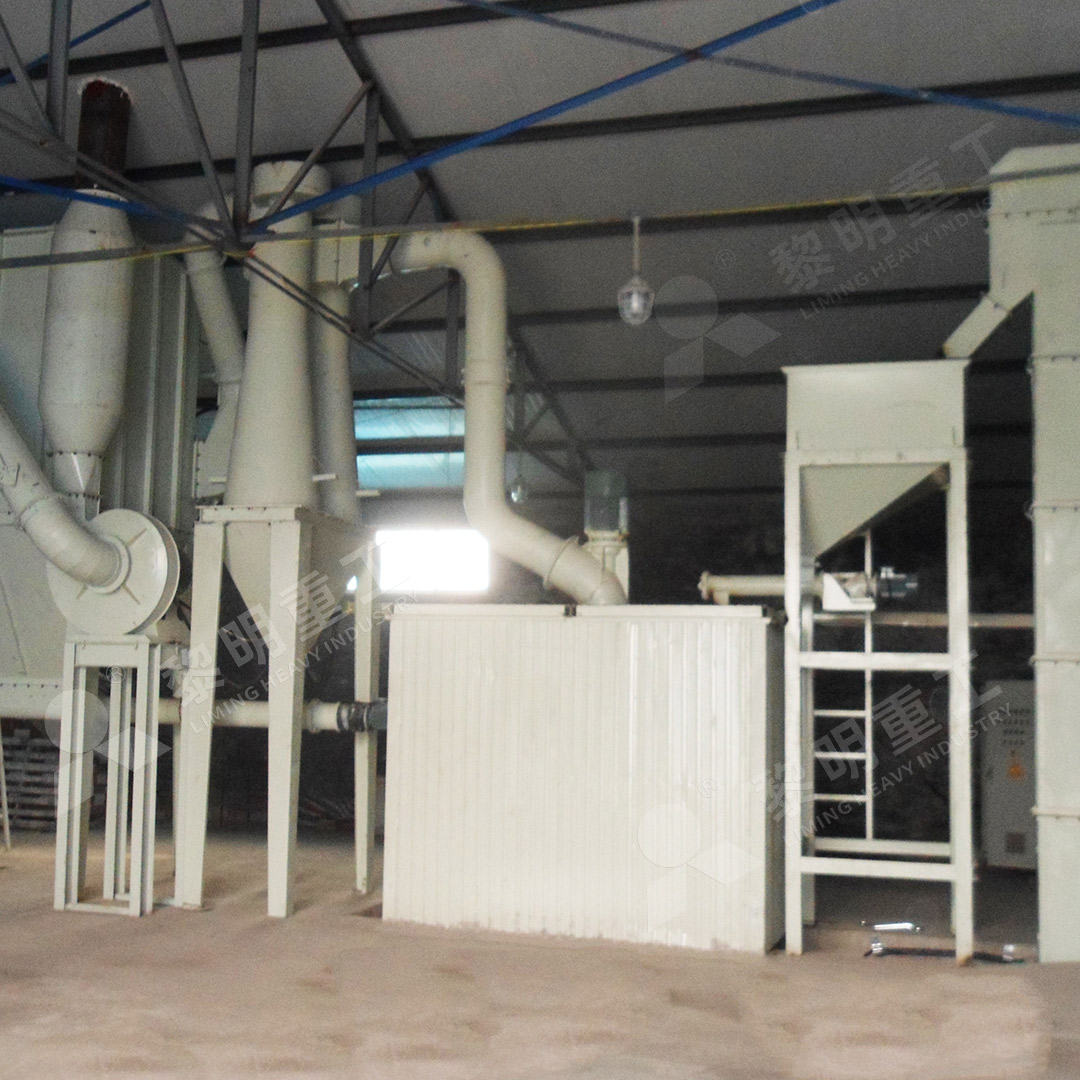
A standout example is our MW Ultrafine Grinding Mill. Engineered for customers requiring ultra-fine powder between 325 and 2500 meshes, this mill sets a new benchmark. It features a German-technology cage-type powder selector for exceptional separation precision, achieving a screening rate of d97≤5μm in a single pass. Its design eliminates rolling bearings and screws inside the grinding chamber, removing common failure points and enabling worry-free, continuous 24-hour operation. Equipped with an efficient pulse dust collector and muffler, it operates cleanly and quietly, with a production capacity up to 40% higher than jet mills and double that of ball mills for the same power input.
For vertical grinding applications, the LUM Ultrafine Vertical Grinding Mill represents the pinnacle of integration. It combines ultrafine grinding, grading, and transporting in one unit. Its unique roller shell and lining plate curve promote efficient material layer formation, enabling high-yield, single-pass milling that enhances product whiteness. The mill incorporates double position-limiting technology to guard against vibration-induced damage and a reversible structure that allows grinding rollers to be easily moved out for maintenance, drastically reducing service time and shutdown losses.
Why Source from Hangzhou, Zhejiang?
Hangzhou is not just a geographic location; it represents a confluence of precision engineering, supply chain robustness, and technical expertise. Sourcing your grinding equipment from established manufacturers here ensures access to:
- Direct factory support and accountability.
- Guaranteed supply of original, high-precision spare parts.
- Technical service teams with deep application knowledge.
- Equipment built with fully digitized processing for unmatched component accuracy.
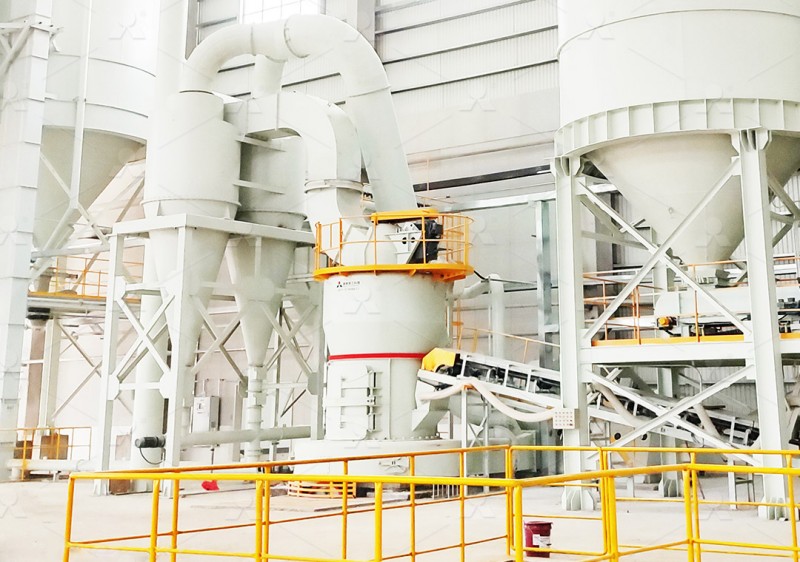
Investing in advanced grinding technology is an investment in your operation’s productivity, product quality, and environmental stewardship. By choosing a modern mill from a reputable Zhejiang-based manufacturer, you secure a machine built for the challenges of today’s industry.
Frequently Asked Questions (FAQ)
- What is the main advantage of the MW Ultrafine Grinding Mill over a traditional ball mill?
The MW Mill offers significantly higher yield (approximately double) with much lower energy consumption (about 70% less system energy). It also produces a much finer and more consistently sized powder with superior environmental controls. - Can the fineness of the powder be adjusted during operation on your advanced mills?
Yes. For instance, the MW Ultrafine Grinding Mill allows real-time adjustment of product fineness between 325 and 2500 meshes through its advanced cage-type powder selector system. - How do your mills address dust pollution and noise?
Our mills, like the MW and LUM series, are equipped with integrated high-efficiency pulse dust collectors and silencers. The entire milling system is sealed and operates under negative pressure, ensuring no dust spillage and low noise levels, fully meeting national environmental standards. - What materials are suitable for the LUM Ultrafine Vertical Grinding Mill?
The LUM Mill is excellent for superfine dry powder processing of non-metallic ores such as calcite, marble, limestone, talc, barite, dolomite, petroleum coal, and gypsum. - What kind of after-sales support and warranty is provided?
As a manufacturer covering both production and sales, we take full responsibility for every machine. We provide comprehensive technical services and guarantee the supply of original spare parts to ensure worry-free, long-term operation. - How does the “no rolling bearing in the chamber” design benefit the MW Mill?
This design eliminates the risk of bearing failure and seal damage inside the grinding chamber, a common issue in other mills. It allows for external lubrication without shutdown, enabling true 24/7 continuous production with higher reliability. - Is professional installation and commissioning included?
Yes, we offer professional installation guidance and commissioning services to ensure your mill is set up correctly and operates at peak performance from the first day.