
Raymond Mill for Processing Columbite-Tantalite Ore
We provide a wide range of mills — including Raymond mill, trapezoidal mill, vertical mill, ultrafine mill, and ball mill, obtained ISO9001 international quality certification, EU CE certification, and Customs Union CU-TR certification. Suitable for processing minerals such as limestone, phosphate, quicklime, kaolin, talc, barite, bentonite, calcium carbonate, dolomite, coal, gypsum, clay, carbon black, slag, cement raw materials, cement clinker, and more.
The discharge range of these mills can be adjusted to meet specific processing needs, typically from 80-400 mesh, 600-3250 mesh, and can achieve the finest particle size of up to 6000 mesh(D50).
If you are looking for a reliable grinding solution to turn stone or minerals into fine powder, please feel free to contact our online customer service.
Raymond Mill for Processing Columbite-Tantalite Ore
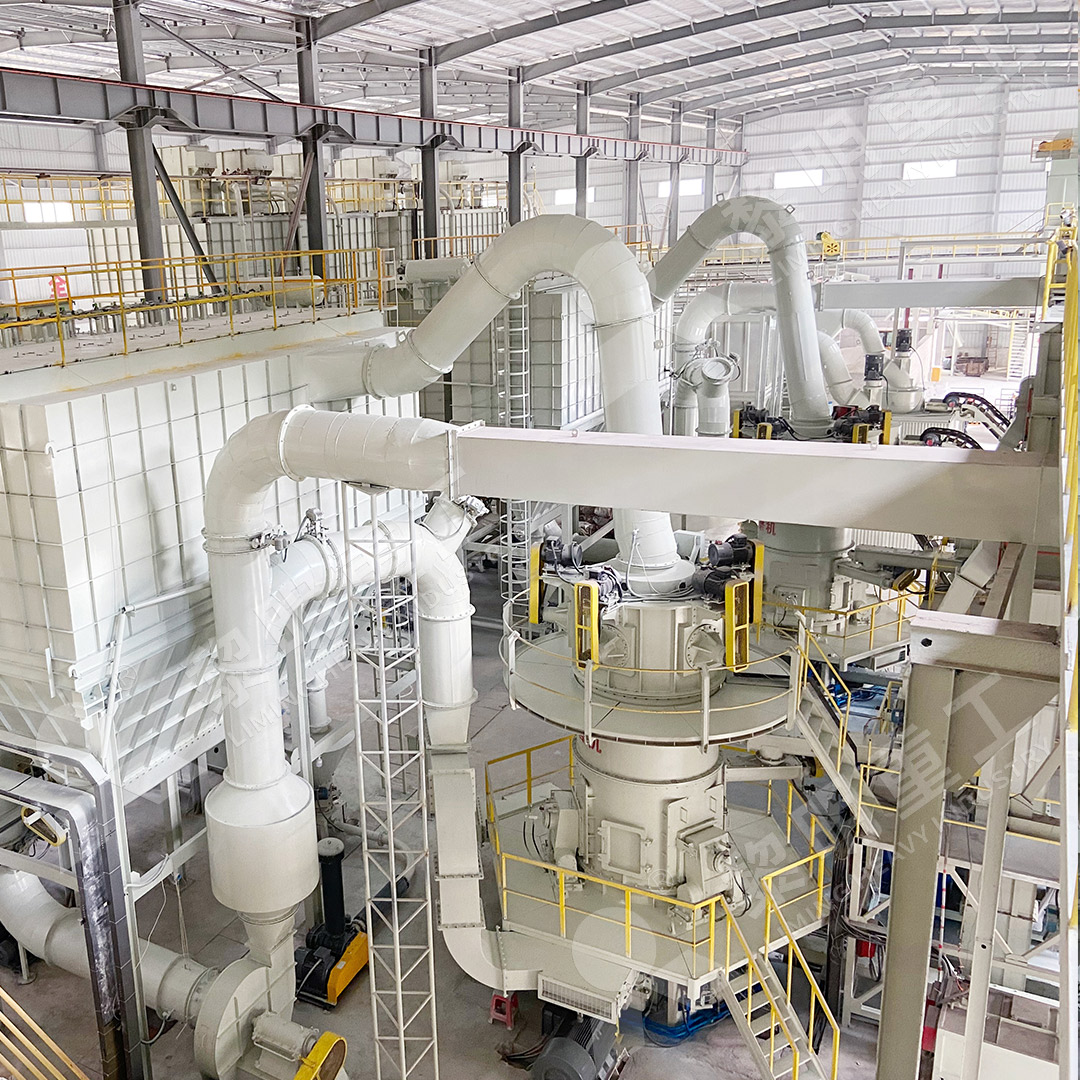
Columbite-tantalite, commonly known as coltan, represents one of the most strategically important mineral groups in modern industry. The efficient processing of these ores to liberate and concentrate niobium and tantalum minerals presents unique challenges that demand specialized grinding technology. The physical characteristics of coltan ores – including variable hardness, abrasiveness, and the need for precise particle size control – make the selection of appropriate milling equipment critical to operational success.
The Grinding Challenge in Columbite-Tantalite Processing
Traditional grinding approaches often fall short when dealing with columbite-tantalite ores. The complex mineralogy, with tantalite typically harder than columbite, creates difficulties in achieving uniform particle size distribution. Furthermore, the economic value of these minerals necessitates maximum recovery rates, which can only be achieved through precise control over the grinding process. Over-grinding can lead to excessive slimes formation and valuable mineral losses, while under-grinding fails to liberate the target minerals from the gangue matrix.
Having worked extensively with mining operations across Africa and South America, I’ve observed firsthand how proper mill selection directly impacts both recovery rates and operational costs. The ideal solution must offer not just efficient size reduction, but also flexibility in fineness adjustment, minimal contamination, and energy efficiency.
Advanced Milling Solutions for Strategic Minerals
For operations processing columbite-tantalite ores, we typically recommend our MW Ultrafine Grinding Mill as the premier solution. This machine represents a significant advancement in grinding technology, specifically engineered for applications requiring ultra-fine powder production with minimal environmental impact.
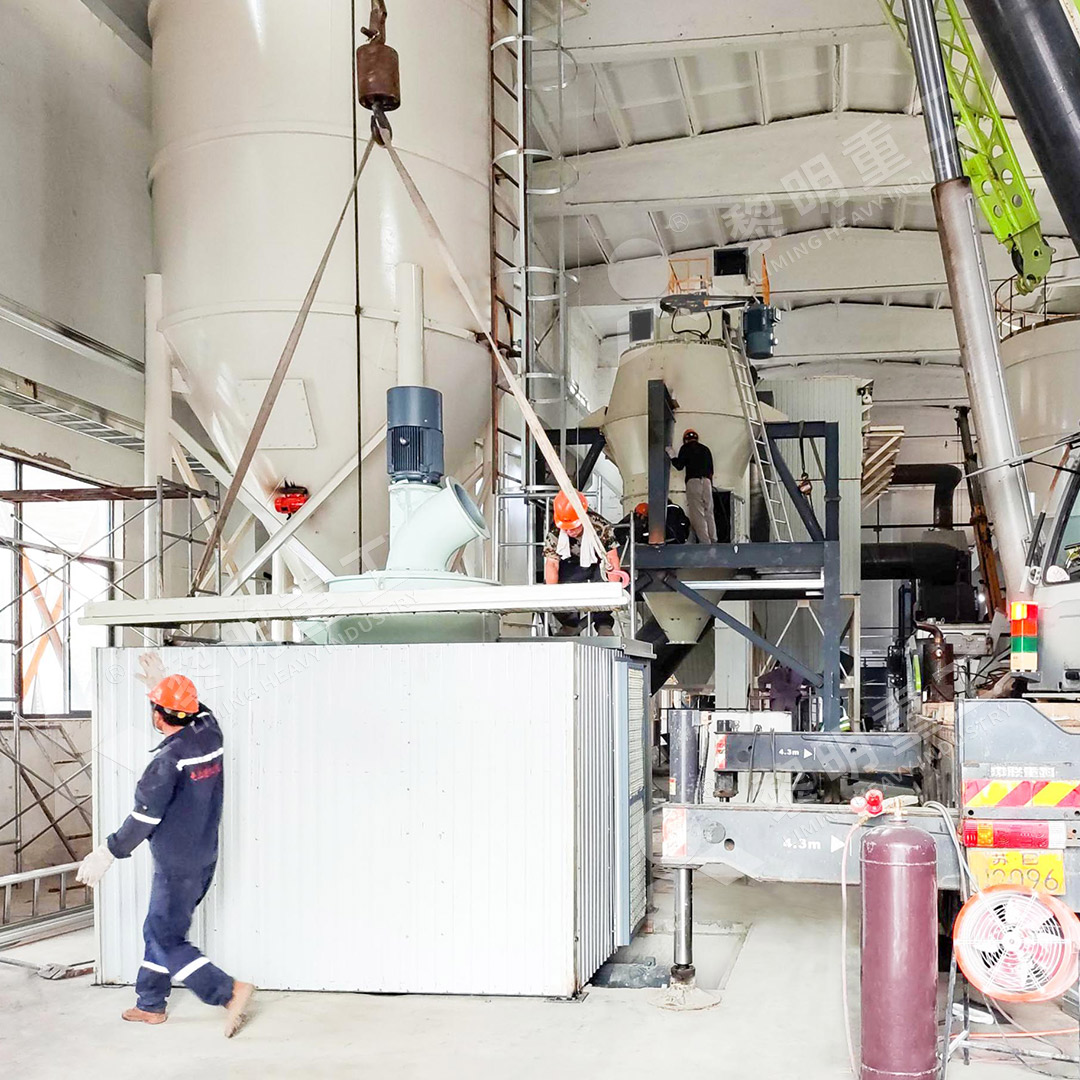
The MW Ultrafine Grinding Mill operates with an input size of 0-20 mm and capacity ranging from 0.5-25 tph, making it suitable for various scales of coltan processing operations. What sets this equipment apart is its remarkable efficiency – achieving 40% higher production capacity compared to jet grinding mills and double the output of ball mills at the same fineness and power consumption levels. For columbite-tantalite processing, where energy costs can constitute a major portion of operational expenses, this efficiency translates directly to improved profitability.
Perhaps most critically for tantalum and niobium recovery, the MW mill offers adjustable fineness between 325-2500 meshes with precision separation achieving d97≤5μm in a single pass. This precise control prevents the over-grinding that often plagues coltan processing, preserving valuable mineral surfaces and improving downstream recovery rates.
Technical Innovations Driving Performance
The engineering behind the MW Ultrafine Grinding Mill incorporates several innovations specifically beneficial for hard mineral processing. The absence of rolling bearings and screws in the grinding chamber eliminates common failure points and prevents contamination from worn mechanical parts – a crucial consideration when processing high-purity mineral concentrates.
From my experience visiting operations in the Democratic Republic of Congo, maintenance accessibility proves particularly valuable in remote mining locations. The external lubrication system enables continuous 24-hour operation without shutdowns for maintenance, significantly improving operational availability. The German-designed cage-type powder selector provides unprecedented control over particle size distribution, essential for maximizing mineral liberation while minimizing slimes formation.
Environmental and Operational Considerations
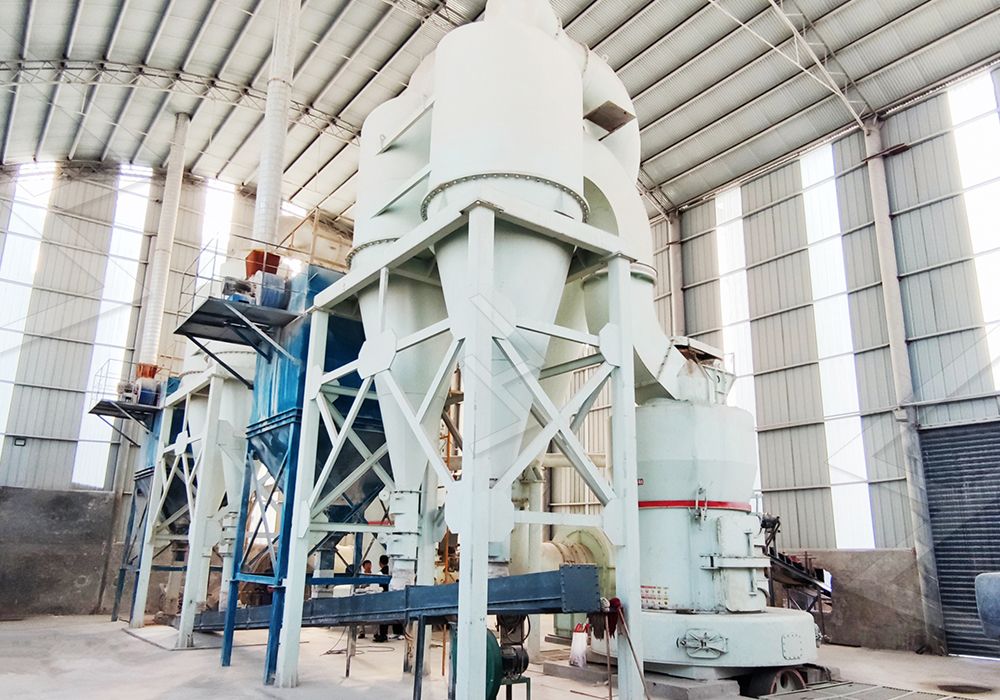
Modern mining operations face increasing pressure to minimize environmental impact, and the MW Ultrafine Grinding Mill addresses these concerns comprehensively. The integrated pulse dust collector ensures no dust pollution during operation, while the silencer and noise elimination room reduce acoustic impact on surrounding environments. These features make the technology suitable for operations in environmentally sensitive areas or near local communities.
For operations requiring different throughput characteristics or dealing with specific ore types, our LUM Ultrafine Vertical Grinding Mill presents an excellent alternative. With input size of 0-10 mm and capacity of 5-18 tph, this mill incorporates the latest Taiwanese grinding roller technology and German powder separating technology. Its unique roller shell and lining plate grinding curve generates material layers more effectively, realizing high rates of finished products through single-pass powder milling.
Practical Implementation in Columbite-Tantalite Operations
The implementation of advanced grinding technology typically follows a systematic approach. Initial ore characterization determines the optimal liberation size, followed by mill configuration to achieve the target particle size distribution. In columbite-tantalite processing, the ability to quickly adjust fineness parameters proves invaluable when processing ore from different zones within a deposit, which often exhibit variations in mineralogy and hardness.
Field results from operations using our grinding solutions have demonstrated tangible improvements in recovery rates, often exceeding conventional milling approaches by 8-12%. The reduction in energy consumption – typically 30-50% compared to traditional grinding systems – provides compelling economic justification for technology upgrades.
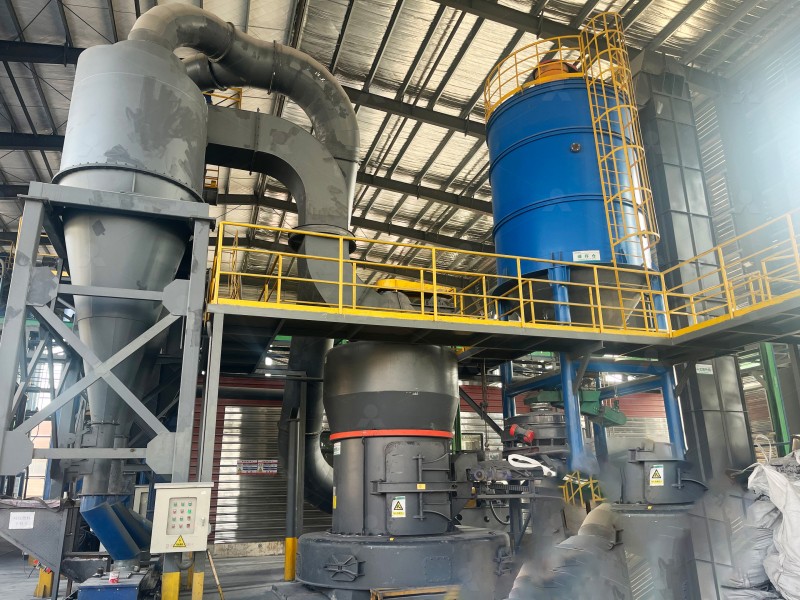
The digitalized processing and high-precision manufacturing of our grinding equipment ensure consistent performance and reliability, while our comprehensive spare parts supply chain guarantees worry-free operation even in remote locations. As the demand for tantalum and niobium continues to grow across electronics, aerospace, and renewable energy sectors, the importance of efficient, reliable grinding technology becomes increasingly critical to the global supply chain.
Frequently Asked Questions
What makes the MW Ultrafine Grinding Mill particularly suitable for columbite-tantalite ore processing?
The MW Mill’s ability to produce ultra-fine powders with precise particle size control is crucial for liberating columbite and tantalite minerals without over-grinding. Its adjustable fineness between 325-2500 meshes allows operators to optimize for specific ore characteristics, while the absence of internal screws and rolling bearings prevents metallic contamination of the final concentrate.
How does the energy consumption of the MW Ultrafine Grinding Mill compare to traditional ball mills for coltan processing?
The MW Mill reduces energy consumption by approximately 30-50% compared to traditional ball mills while achieving double the production capacity at the same fineness level. This significant efficiency improvement directly lowers operational costs, which is particularly important given the energy-intensive nature of hard mineral grinding.
What maintenance requirements should coltan processing operations anticipate with the MW Ultrafine Grinding Mill?
The MW Mill is designed for minimal maintenance requirements. The external lubrication system allows for maintenance without shutdowns, and the absence of rolling bearings and screws in the grinding chamber eliminates common failure points. Regular maintenance primarily involves monitoring wear parts and the powder selection system, with our comprehensive spare parts supply ensuring quick replacement when needed.
Can the MW Mill handle variations in ore hardness commonly found in columbite-tantalite deposits?
Yes, the MW Mill’s advanced grinding curve design and adjustable operational parameters allow it to effectively process ores with varying hardness. The hydraulic adjustment system can modify grinding pressure to accommodate different ore characteristics, ensuring consistent performance across heterogeneous deposits.
What environmental protections are integrated into the MW Ultrafine Grinding Mill system?
The system includes multiple environmental protection features: an efficient pulse dust collector that prevents dust pollution during operation; silencers and noise elimination rooms that reduce acoustic impact; and a fully sealed design that operates under negative pressure to contain particulates. The entire system complies with international environmental standards.
How does the particle size distribution from the MW Mill benefit downstream separation processes?
The precise particle size control and narrow distribution achieved by the MW Mill’s advanced separator technology improve the efficiency of subsequent gravity separation and magnetic separation processes. By minimizing ultra-fines and ensuring optimal liberation size, the mill enhances overall recovery rates in the concentration circuit.