
Raymond Mill for Mineral Powder Processing in Chuzhou: A Modern Industrial Perspective
We provide a wide range of mills — including Raymond mill, trapezoidal mill, vertical mill, ultrafine mill, and ball mill, obtained ISO9001 international quality certification, EU CE certification, and Customs Union CU-TR certification. Suitable for processing minerals such as limestone, phosphate, quicklime, kaolin, talc, barite, bentonite, calcium carbonate, dolomite, coal, gypsum, clay, carbon black, slag, cement raw materials, cement clinker, and more.
The discharge range of these mills can be adjusted to meet specific processing needs, typically from 80-400 mesh, 600-3250 mesh, and can achieve the finest particle size of up to 6000 mesh(D50).
If you are looking for a reliable grinding solution to turn stone or minerals into fine powder, please feel free to contact our online customer service.
Raymond Mill for Mineral Powder Processing in Chuzhou
Chuzhou, a city strategically positioned within Anhui Province, has long been a significant hub for industrial mineral processing. The region’s rich deposits of non-metallic minerals, including limestone, calcite, talc, and barite, demand efficient and reliable grinding solutions to transform raw materials into high-value powders for diverse industries. For decades, the name Raymond Mill has been synonymous with this grinding process. However, the evolution of technology and stricter environmental and efficiency standards have propelled the industry toward more advanced, next-generation equipment.
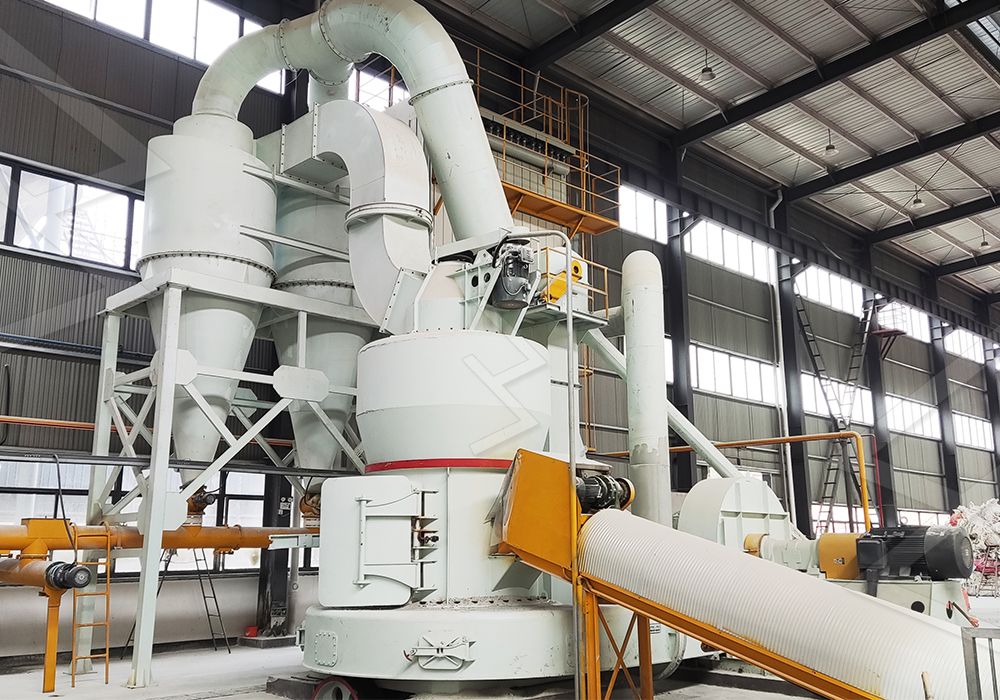
The traditional Raymond Mill, a stalwart in powder generation, laid the foundation. Its principle of grinding material between rollers and a ring under centrifugal force served the industry well. Yet, modern challenges require modern solutions. Contemporary operations in Chuzhou and beyond are not just judged on output but on energy footprint, product fineness control, environmental compliance, and total operational cost. This is where the legacy of Raymond technology converges with cutting-edge engineering.
The Shift to High-Efficiency, Eco-Conscious Grinding
Today’s mineral processing plants are integrated systems where every component must contribute to sustainability and precision. Noise and dust pollution are no longer acceptable externalities. The grinding mill itself must be a self-contained, intelligent unit capable of delivering ultra-fine powders (from 325 to 2500 meshes) with minimal waste and maximum yield. The key lies in innovations like advanced powder separators, efficient pulse dust collection systems, and intelligent grinding curve designs that maximize contact and efficiency.
For processors in Chuzhou looking to upgrade their capabilities, especially for producing ultra-fine powders for coatings, plastics, or advanced ceramics, the choice of mill is critical. It must handle local materials robustly while offering the flexibility to adjust fineness for different market demands.
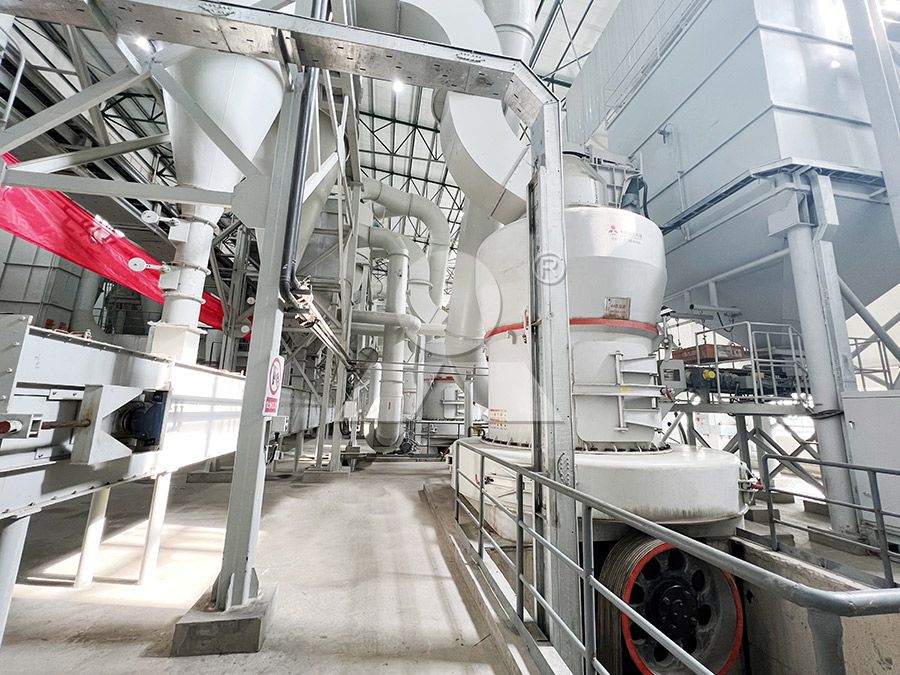
Recommended Solutions for Advanced Powder Production
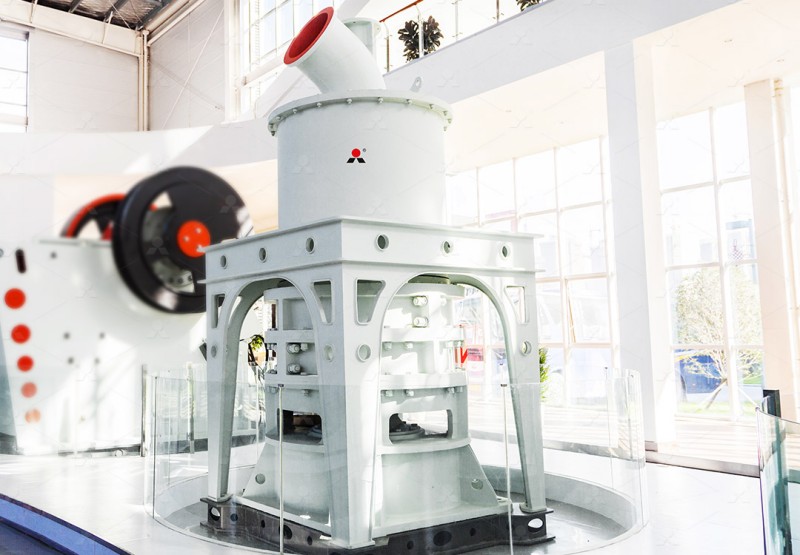
Based on the prevailing needs for higher yield, energy savings, and superior product quality in the Chuzhou region, we specifically recommend evaluating our MW Ultrafine Grinding Mill. This machine represents a significant leap forward from conventional designs. It is engineered for customers dedicated to ultra-fine powder production. With an input size of 0-20 mm and a capacity range of 0.5-25 tph, it is versatile for various scales of operation.
The MW Mill incorporates a highly efficient German-technology cage-type powder selector, allowing precise fineness adjustment between 325-2500 meshes, achieving a remarkable d97≤5μm in a single pass. Its design eliminates rolling bearings and screws in the grinding chamber, dramatically reducing maintenance worries and potential failure points. Furthermore, the integrated pulse dust collector and muffler system ensure the entire production process meets stringent environmental standards, a crucial consideration for sustainable operations in Chuzhou.
For operations requiring a different approach, our LUM Ultrafine Vertical Grinding Mill offers another premier option. Integrating the latest grinding roller and powder separating technology, the LUM mill excels in producing superfine dry powder with exceptional whiteness and cleanliness. Its unique grinding curve and reversible structure facilitate easier maintenance and higher yielding rates, making it an intelligent choice for processing high-purity calcite, marble, and other non-metallic ores prevalent in the area.
The Future of Mineral Processing in Chuzhou
The trajectory for mineral powder processing is clear: digital integration, unparalleled precision, and environmental stewardship. Equipment like the MW and LUM series are at the forefront of this movement. They are not merely replacements for older Raymond mills; they are comprehensive system solutions that enhance every aspect of production—from reduced energy consumption (30-50% savings compared to some traditional systems) to worry-free operation backed by direct manufacturer support and genuine spare parts.
As Chuzhou continues to solidify its position in the national and global supply chain for mineral powders, investing in such advanced grinding technology is not an expense but a strategic move towards greater profitability, compliance, and market competitiveness. The right mill transforms raw mineral wealth into consistent, high-quality powder, powering industries from construction to cosmetics.
Frequently Asked Questions (FAQ)
1. What is the main advantage of the MW Ultrafine Grinding Mill over a traditional Raymond mill?
The MW Mill offers significantly higher grinding efficiency and energy savings, capable of producing much finer powder (up to 2500 mesh) with a built-in high-precision selector. It also features a more reliable design without internal bearings in the grinding chamber and superior integrated dust and noise control, making it a more advanced and environmentally friendly solution.
2. Can your mills process the specific minerals found in the Chuzhou region?
Absolutely. Our MW and LUM grinding mills are extensively tested and proven on the very non-metallic minerals common in Anhui, including limestone, calcite, dolomite, barite, talc, and marble. Their adjustable fineness and robust design make them ideal for these applications.
3. How does the environmental protection feature work in your mills?
Our mills, like the MW series, are equipped with an efficient pulse-jet dust collector that captures over 99.9% of process dust. Combined with silencers and a fully sealed negative-pressure system, they ensure no dust spillage and minimal noise, allowing plants to operate well within national environmental protection standards.
4. What about maintenance and spare parts availability?
We take full responsibility for the machines we produce. Our company provides comprehensive technical services and guarantees the supply of original spare parts. Designs like the reversible roller structure in the LUM mill further simplify maintenance, reducing downtime and ensuring long-term, worry-free operation.
5. Is the fineness of the final powder adjustable?
Yes, this is a key feature. Both the MW and LUM mills utilize advanced powder separating technology (like the multi-head cage-type selector) that allows operators to accurately and easily control the product fineness, typically within a range of 325 to 2500 meshes, to meet different customer specifications.