
Raymond Mill for Limestone Powder Production
We provide a wide range of mills — including Raymond mill, trapezoidal mill, vertical mill, ultrafine mill, and ball mill, obtained ISO9001 international quality certification, EU CE certification, and Customs Union CU-TR certification. Suitable for processing minerals such as limestone, phosphate, quicklime, kaolin, talc, barite, bentonite, calcium carbonate, dolomite, coal, gypsum, clay, carbon black, slag, cement raw materials, cement clinker, and more.
The discharge range of these mills can be adjusted to meet specific processing needs, typically from 80-400 mesh, 600-3250 mesh, and can achieve the finest particle size of up to 6000 mesh(D50).
If you are looking for a reliable grinding solution to turn stone or minerals into fine powder, please feel free to contact our online customer service.
Raymond Mill for Limestone Powder Production
Limestone powder production represents a cornerstone of modern industrial processes, serving as a critical raw material in construction, agriculture, chemical manufacturing, and environmental applications. The selection of appropriate grinding equipment directly impacts product quality, operational efficiency, and environmental compliance. While traditional Raymond Mills have long served as workhorses in this sector, technological advancements have introduced more sophisticated solutions that address contemporary production challenges.
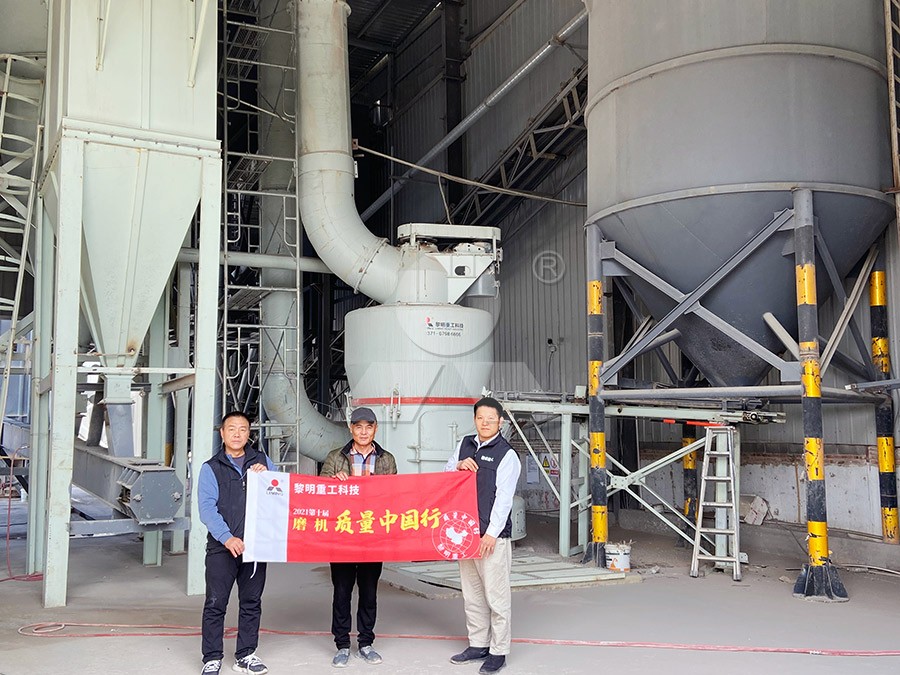
The transformation of raw limestone into fine powder requires precise control over particle size distribution, moisture content, and chemical purity. Different industries demand specific fineness levels—from coarse aggregates for construction to ultra-fine powders for pharmaceuticals and food additives. This diversity in requirements necessitates grinding equipment capable of flexible operation while maintaining consistent output quality.
Technical Considerations in Limestone Grinding
Effective limestone processing must account for several critical factors. Material hardness typically ranges between 2-3 on the Mohs scale, making it relatively soft but abrasive. Moisture content must be carefully managed, as excessive humidity can lead to clogging and reduced efficiency. The grinding process generates heat, which can affect both equipment performance and product characteristics, particularly in applications requiring high whiteness retention.
Traditional Raymond Mill systems have evolved significantly from their original designs. Modern iterations incorporate improved grinding curves, advanced material selection for wear parts, and sophisticated separation technologies. These enhancements have extended equipment lifespan while reducing maintenance requirements and energy consumption.
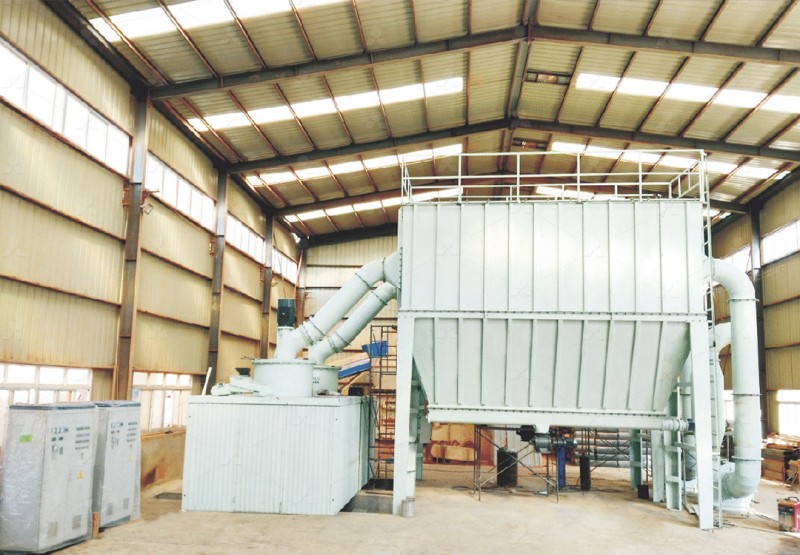
Advanced Solutions for Modern Production Needs
For operations requiring superior fineness and higher production capacity, the MW Ultrafine Grinding Mill represents a significant technological leap forward. This equipment processes limestone with input sizes up to 20mm and delivers throughput ranging from 0.5 to 25 tons per hour. Its innovative design incorporates German cage-type powder selector technology, enabling precise fineness adjustment between 325-2500 meshes with screening rates achieving d97≤5μm in a single pass.
The MW series distinguishes itself through several engineering innovations. The grinding chamber eliminates rolling bearings and screws, preventing common failure points and reducing maintenance-induced downtime. External lubrication systems permit continuous 24-hour operation without shutdowns for maintenance. Integrated pulse dust collection and noise reduction technologies ensure compliance with stringent environmental regulations while protecting operator health.
When comparing performance metrics, the MW Ultrafine Grinding Mill demonstrates remarkable efficiency gains. Production capacity exceeds conventional jet mills and stirred grinding mills by 40% at equivalent fineness and power consumption. Energy requirements are approximately 30% of comparable jet milling systems, representing substantial operational cost savings over equipment lifespan.
Selecting the Appropriate Grinding Technology
Equipment selection should align with specific production requirements and operational constraints. For high-volume operations prioritizing energy efficiency, vertical roller mills offer advantages in drying capacity and footprint optimization. For specialized applications demanding ultra-fine powders with narrow particle distribution, advanced ring roller mills with integrated classification systems provide superior control.
The LUM Ultrafine Vertical Grinding Mill presents another compelling option, particularly for operations requiring exceptional product whiteness and cleanliness. With capacity ranging from 5-18 tph and handling feed sizes up to 10mm, this mill incorporates unique roller shell and lining plate grinding curves that facilitate material layer formation and single-pass efficiency. The reversible structure simplifies maintenance procedures, while double position-limiting technology ensures operational stability under varying load conditions.
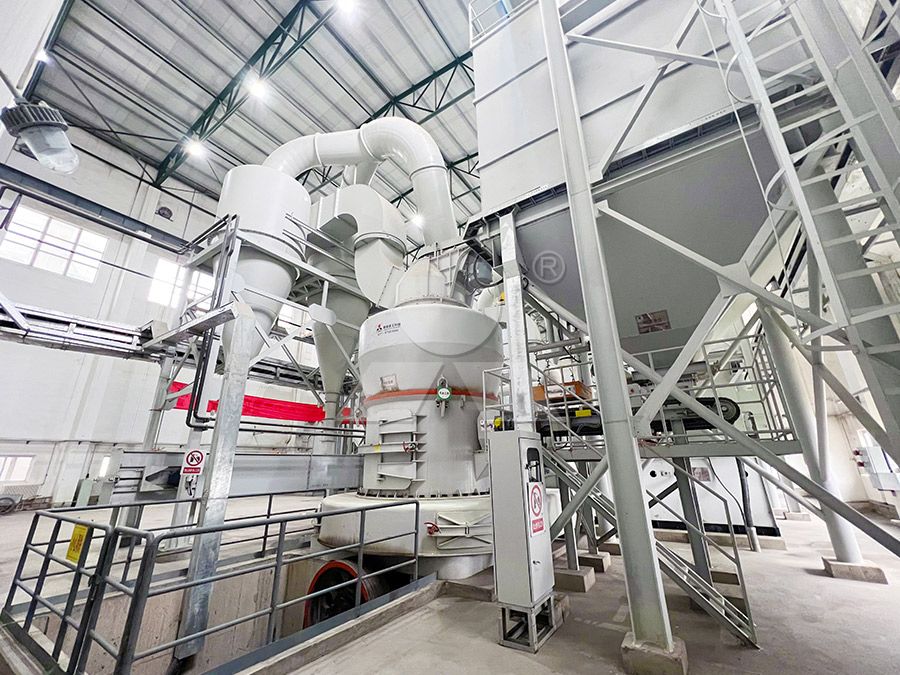
Both the MW and LUM series benefit from digital manufacturing processes that ensure precision machining of core components. This manufacturing approach guarantees dimensional accuracy and extends operational lifespan while maintaining consistent performance across production runs.
Frequently Asked Questions
What is the typical energy consumption for limestone grinding operations?
Energy requirements vary significantly based on target fineness and equipment selection. Advanced systems like the MW Ultrafine Grinding Mill consume approximately 30-50% less energy than conventional technologies while delivering higher throughput.
How does limestone moisture content affect grinding efficiency?
Excessive moisture (typically above 3-5%) can reduce grinding efficiency and increase wear on components. Modern grinding systems often incorporate integrated drying capabilities to manage moisture content during processing.
What maintenance intervals are typical for limestone grinding equipment?
Maintenance requirements depend on operating hours and material abrasiveness. Systems with external lubrication and no internal bearings, like the MW series, typically require less frequent maintenance and permit continuous operation for extended periods.
Can the same equipment process different mineral materials?
Many modern grinding systems are designed for multi-purpose operation. The MW Ultrafine Grinding Mill effectively processes not only limestone but also calcite, dolomite, barite, and other non-metallic minerals with similar hardness characteristics.
What environmental considerations apply to limestone powder production?
Modern grinding systems must address dust emissions, noise pollution, and energy efficiency. Equipment with integrated pulse dust collectors and mufflers, like the MW series, typically exceed environmental standards while maintaining production efficiency.