
Raymond Mill for Grinding Green Sandstone: A Comprehensive Guide
We provide a wide range of mills — including Raymond mill, trapezoidal mill, vertical mill, ultrafine mill, and ball mill, obtained ISO9001 international quality certification, EU CE certification, and Customs Union CU-TR certification. Suitable for processing minerals such as limestone, phosphate, quicklime, kaolin, talc, barite, bentonite, calcium carbonate, dolomite, coal, gypsum, clay, carbon black, slag, cement raw materials, cement clinker, and more.
The discharge range of these mills can be adjusted to meet specific processing needs, typically from 80-400 mesh, 600-3250 mesh, and can achieve the finest particle size of up to 6000 mesh(D50).
If you are looking for a reliable grinding solution to turn stone or minerals into fine powder, please feel free to contact our online customer service.
Raymond Mill for Grinding Green Sandstone: A Comprehensive Guide
Green sandstone, with its unique mineral composition and varying hardness levels, presents specific challenges in grinding operations. Selecting the right milling equipment is crucial for achieving optimal particle size distribution, maintaining product quality, and ensuring operational efficiency. For operations requiring fine to ultra-fine powder production from green sandstone, advanced grinding solutions offer significant advantages over traditional methods.
Understanding Green Sandstone Grinding Requirements
Green sandstone typically contains quartz, feldspar, and various clay minerals that influence its grinding characteristics. The material’s abrasiveness demands robust milling equipment capable of handling moderate to high wear while maintaining consistent output quality. The target fineness for green sandstone applications often ranges between 200-800 meshes for most industrial uses, though some specialized applications may require even finer powders.
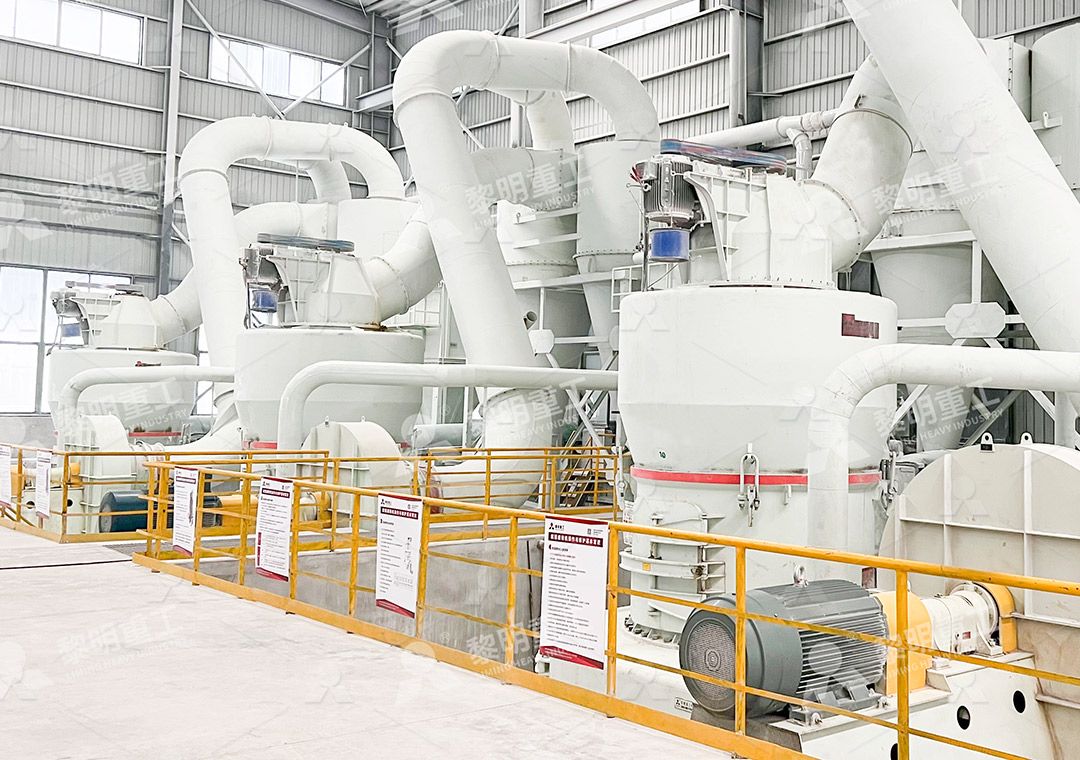
Traditional grinding approaches often struggle with the varying hardness found within green sandstone deposits. The presence of harder quartz particles alongside softer clay minerals creates challenges in achieving uniform particle size distribution. This is where modern grinding technology demonstrates clear advantages.
Advanced Grinding Solutions for Superior Results
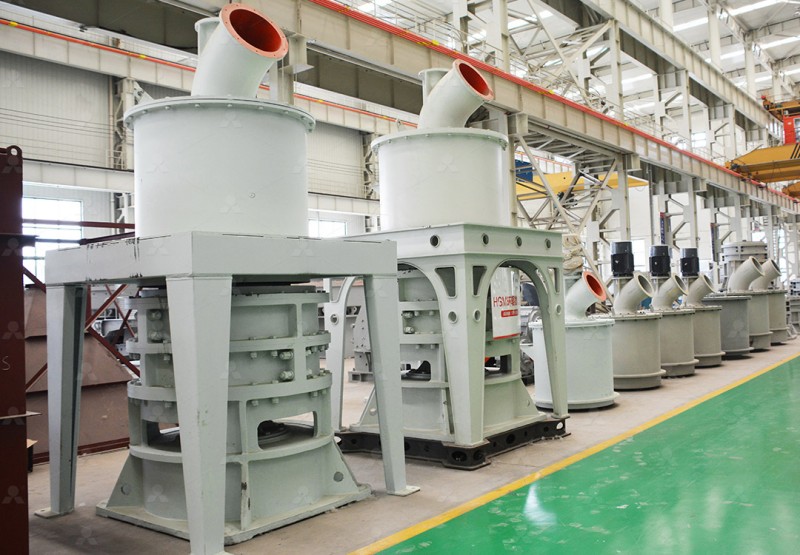
For operations targeting ultra-fine green sandstone powder, the MW Ultrafine Grinding Mill represents an excellent choice. This advanced mill handles input sizes up to 20 mm with capacities ranging from 0.5 to 25 tph, making it suitable for various production scales. The machine’s innovative design eliminates rolling bearings and screws in the grinding chamber, significantly reducing maintenance concerns and potential downtime.
The MW series stands out particularly for its adjustable fineness between 325-2500 meshes, allowing precise control over final product specifications. Its cage-type powder selector, incorporating German technology, ensures high precision in particle separation. The integrated pulse dust collector and muffler system addresses environmental concerns by minimizing dust and noise pollution throughout the production process.
Operational Advantages in Green Sandstone Processing
When processing green sandstone, the MW Ultrafine Grinding Mill demonstrates several key benefits. Its higher yield and lower energy consumption – achieving 40% higher production capacity than jet grinding mills with only 30% of the energy consumption – translate to significant operational cost savings. The external lubrication system enables continuous 24-hour operation without shutdowns for maintenance, a crucial factor for production-intensive operations.
The mill’s digitalized processing ensures high precision in manufacturing, particularly for core components, resulting in consistent performance and extended equipment lifespan. For green sandstone applications requiring different fineness levels for various end uses, the quick adjustment capabilities provide valuable flexibility without compromising efficiency.
Comparing Grinding Solutions
While Raymond mills serve as reliable workhorses for coarse to medium grinding applications, the MW Ultrafine Grinding Mill excels where superior fineness and higher production efficiency are required. For operations processing green sandstone for specialized applications such as fillers, extenders, or advanced ceramic materials, the additional control over particle size distribution proves invaluable.
The environmental considerations of green sandstone processing cannot be overlooked. Modern grinding equipment must address dust control and noise reduction while maintaining production efficiency. The comprehensive dust removal system in advanced mills ensures compliance with stringent environmental standards, making them suitable for operations in regulated areas.
Frequently Asked Questions
What makes green sandstone challenging to grind?
Green sandstone contains minerals with varying hardness levels, particularly quartz particles that are significantly harder than the surrounding matrix. This heterogeneity can lead to uneven wear on grinding components and inconsistent particle size distribution without proper equipment selection.
How does the MW Ultrafine Grinding Mill handle the abrasive nature of green sandstone?
The MW series incorporates specially designed grinding curves for rollers and rings that optimize grinding efficiency while minimizing wear. The absence of rolling bearings and screws in the grinding chamber eliminates common failure points, while the external lubrication system ensures continuous protection against abrasive damage.
What fineness can be achieved when grinding green sandstone?
With the MW Ultrafine Grinding Mill, operators can achieve fineness between 325-2500 meshes, with the capability to reach d97≤5μm in a single pass. This range covers most industrial applications for green sandstone powders.
How does the energy consumption compare to traditional grinding methods?
The MW Ultrafine Grinding Mill reduces energy consumption by approximately 30% compared to jet grinding mills and offers twice the output of ball mills with similar power input. This efficiency translates to significant operational cost savings over time.
What environmental considerations are addressed during operation?
The integrated pulse dust collector effectively contains dust throughout the milling process, while silencers and noise elimination measures reduce operational noise. The system operates fully in compliance with national environmental protection standards.