
Raymond Mill for Fluorite Ore Processing: A Comprehensive Guide
We provide a wide range of mills — including Raymond mill, trapezoidal mill, vertical mill, ultrafine mill, and ball mill, obtained ISO9001 international quality certification, EU CE certification, and Customs Union CU-TR certification. Suitable for processing minerals such as limestone, phosphate, quicklime, kaolin, talc, barite, bentonite, calcium carbonate, dolomite, coal, gypsum, clay, carbon black, slag, cement raw materials, cement clinker, and more.
The discharge range of these mills can be adjusted to meet specific processing needs, typically from 80-400 mesh, 600-3250 mesh, and can achieve the finest particle size of up to 6000 mesh(D50).
If you are looking for a reliable grinding solution to turn stone or minerals into fine powder, please feel free to contact our online customer service.
Raymond Mill for Fluorite Ore Processing: A Comprehensive Guide
Fluorite, a vital industrial mineral prized for its role in metallurgy, ceramics, and chemical production, presents unique challenges in mineral processing. Achieving the precise particle size distribution and purity required for high-value applications demands reliable and efficient grinding technology. For decades, the Raymond mill has been a cornerstone in this field, offering a robust solution for processing fluorite ore into fine powders.
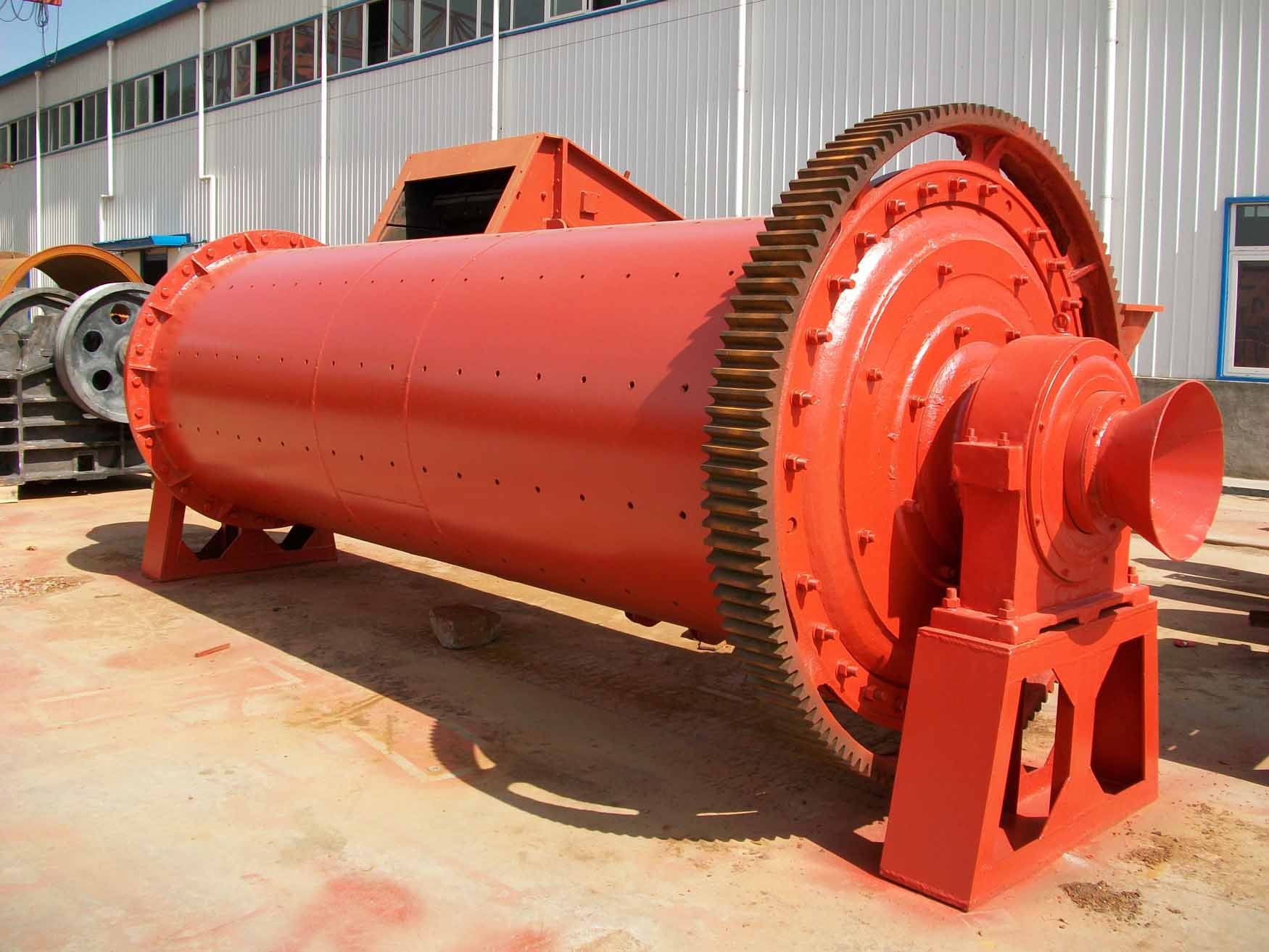
The traditional Raymond mill operates on a pendulum-style grinding principle. Material is fed into the grinding chamber where rotating rollers, suspended from a central shaft, exert centrifugal force against a stationary grinding ring. The material is crushed and ground between these components. A built-in classifier then ensures that only particles meeting the desired fineness leave the system, while coarser material is recirculated for further grinding. This closed-circuit system is known for its simplicity, durability, and relatively low capital investment.
Key Considerations for Fluorite Grinding
When selecting a mill for fluorite, several factors are paramount. First is the target fineness, which can range from coarse granules for metallurgical flux to ultra-fine powders for optical or chemical uses. The abrasiveness of fluorite, while moderate, requires wear-resistant grinding components to maintain product consistency and reduce maintenance downtime. Furthermore, energy efficiency and environmental controls for dust and noise are increasingly critical in modern mineral processing plants. A traditional Raymond mill addresses many of these needs, but technological evolution has led to more advanced solutions.
Beyond Traditional Design: The Modern Approach to Ultrafine Fluorite Powder
As market demands shift towards higher purity and superfine fluorite powders, the limitations of conventional mills in terms of energy efficiency and fineness ceiling become apparent. This is where next-generation grinding technology proves indispensable. For operations targeting ultra-fine products (325-2500 meshes) with stringent environmental and efficiency standards, a specialized ultrafine grinding mill is the optimal choice.
Our MW Ultrafine Grinding Mill is engineered precisely for such demanding applications. Designed for customers requiring ultra-fine powder from minerals like fluorite, it represents a significant leap forward. With an input size of 0-20 mm and a capacity range of 0.5-25 tph, it handles typical fluorite feed stock efficiently. Its core advantage lies in a newly designed grinding curve for the roller and ring, which enhances grinding efficiency, yielding up to 40% higher production capacity compared to jet mills at the same power and fineness. Critically for fluorite processing, its German-technology cage-type powder selector allows precise fineness adjustment between 325-2500 meshes, achieving a d97≤5μm in a single pass.
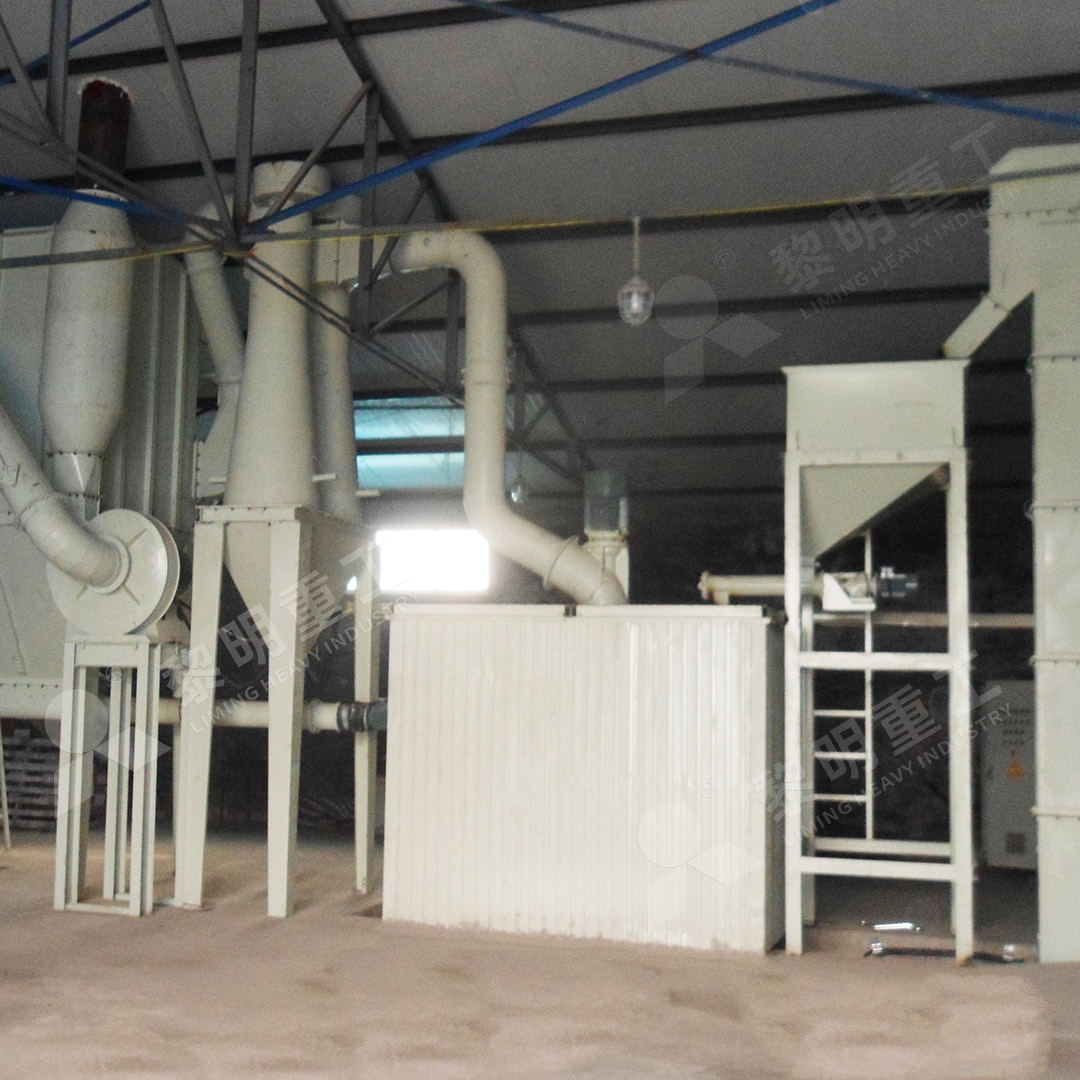
The MW series also prioritizes operational stability and environmental responsibility. Its innovative design eliminates rolling bearings and screws inside the grinding chamber, removing common failure points. The integrated high-efficiency pulse dust collector and muffler system ensure the entire production process meets strict environmental standards, containing dust and minimizing noise—a crucial consideration for any modern processing facility.
Integrating Grinding into Your Processing Flow
A successful fluorite processing line involves more than just the grinding mill. It typically starts with crushing and screening to achieve a uniform feed size. The ground material from the mill is then collected by a cyclone and bag filter system. For projects requiring even higher integration, from crushing to classifying, our LUM Ultrafine Vertical Grinding Mill offers an excellent alternative. Integrating grinding, classifying, and transporting, the LUM mill features advanced roller technology and powder separation for superior efficiency. Its reversible structure allows easier maintenance of grinding rollers, a valuable feature for ensuring continuous operation in a busy plant. With an input size of 0-10 mm and capacity of 5-18 tph, it is another powerful tool for producing high-quality fluorite powder.
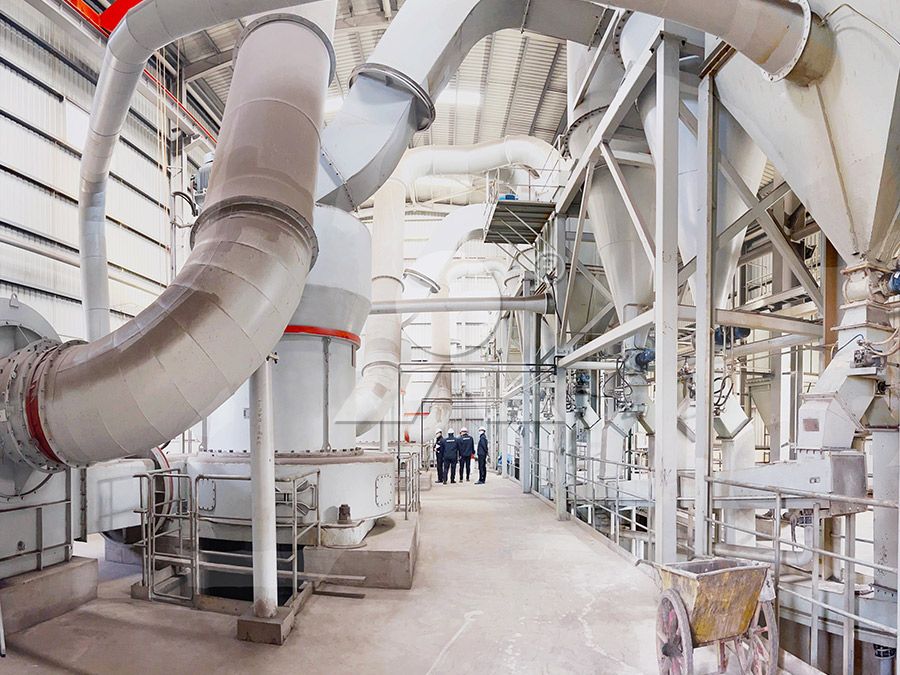
Ultimately, the choice between a classic Raymond mill and a more advanced ultrafine system like the MW or LUM series depends on your specific product goals, capacity requirements, and operational priorities. For high-volume production of standard fineness fluorite, traditional systems remain viable. However, for producers aiming at the premium end of the market with ultra-fine, high-purity powders, and lower operational costs, upgrading to a technologically advanced grinding solution is a strategic investment that pays dividends in product quality, efficiency, and environmental compliance.
Frequently Asked Questions (FAQ)
1. What is the typical feed size for a Raymond mill processing fluorite?
The feed size should generally be less than 25mm for optimal performance in a standard Raymond mill. For our advanced MW Ultrafine Grinding Mill, the recommended maximum input size is 20mm to ensure efficient grinding and system longevity.
2. Can Raymond mills achieve the fineness needed for chemical-grade fluorite?
Traditional Raymond mills are typically suitable for fineness up to around 325 mesh. For chemical-grade or higher-purity applications requiring finer powders (up to 2500 meshes), an ultrafine grinding mill like our MW series, with its advanced classifier system, is specifically designed to meet these stringent requirements consistently.
3. How abrasive is fluorite on mill components?
Fluorite has a Mohs hardness of 4, making it moderately abrasive. High-quality mills use wear-resistant alloys for grinding rollers and rings to combat this. Our MW and LUM mills feature specially designed, durable grinding curves and high-performance materials to extend component life and maintain product purity by minimizing iron contamination.
4. What are the key environmental features of modern fluorite grinding mills?
Modern systems prioritize dust containment and noise reduction. Our MW Ultrafine Grinding Mill, for example, comes equipped with an efficient pulse dust collector that ensures no dust pollution during operation. It also includes a muffler and noise reduction design, allowing the entire system to operate well within national environmental protection standards.
5. Why consider an ultrafine mill over a traditional ball mill for fluorite?
Ultrafine mills like the MW series offer significantly higher energy efficiency, often using only 30% of the energy of a jet mill for comparable output. They also provide superior control over particle size distribution, generate less heat (protecting material properties), and feature more compact designs with integrated dust collection, leading to lower overall operating and maintenance costs.