
Raymond Mill for Fine Grinding of Refractory Materials: Top Suppliers in Indonesia
We provide a wide range of mills — including Raymond mill, trapezoidal mill, vertical mill, ultrafine mill, and ball mill, obtained ISO9001 international quality certification, EU CE certification, and Customs Union CU-TR certification. Suitable for processing minerals such as limestone, phosphate, quicklime, kaolin, talc, barite, bentonite, calcium carbonate, dolomite, coal, gypsum, clay, carbon black, slag, cement raw materials, cement clinker, and more.
The discharge range of these mills can be adjusted to meet specific processing needs, typically from 80-400 mesh, 600-3250 mesh, and can achieve the finest particle size of up to 6000 mesh(D50).
If you are looking for a reliable grinding solution to turn stone or minerals into fine powder, please feel free to contact our online customer service.
Raymond Mill for Fine Grinding of Refractory Materials: Top Suppliers in Indonesia
The processing of refractory materials demands precision, efficiency, and reliability. In Indonesia, a country rich in industrial minerals, the need for advanced grinding solutions is paramount. Raymond mills have long been a staple in this sector, offering robust performance for fine grinding applications. However, with technological advancements, newer mills have emerged, providing enhanced capabilities for refractory material processing.
Refractory materials, known for their high melting points and resistance to decomposition, include substances like bauxite, magnesite, and zirconia. Grinding these materials to the required fineness is challenging due to their hardness and abrasiveness. Traditional Raymond mills are effective but may lack the efficiency and environmental benefits of modern designs.
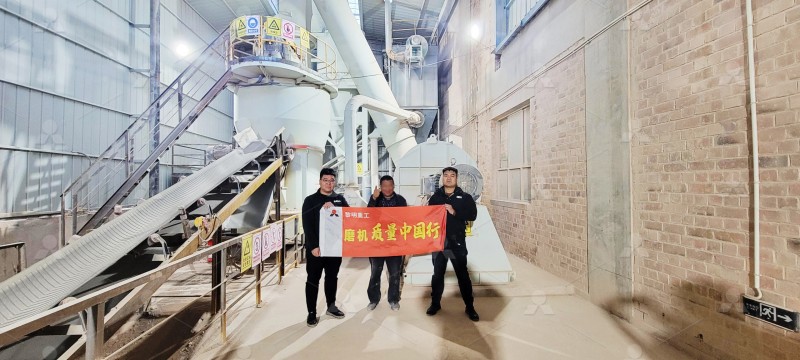
Among the top suppliers in Indonesia, LIMING Heavy Industry stands out with its innovative grinding solutions. For refractory material processing, the MW Ultrafine Grinding Mill is particularly recommended. This mill handles an input size of 0-20 mm and offers a capacity range of 0.5-25 tph, making it suitable for various production scales. Its design focuses on higher yield and lower energy consumption, achieving 40% higher capacity than jet mills and twice that of ball mills, while using only 30% of the energy. The fineness is adjustable between 325-2500 meshes, ensuring precise control for refractory applications. Additionally, its eco-friendly features, such as efficient pulse dust collection and noise reduction, align with Indonesia’s growing emphasis on sustainable industrial practices.
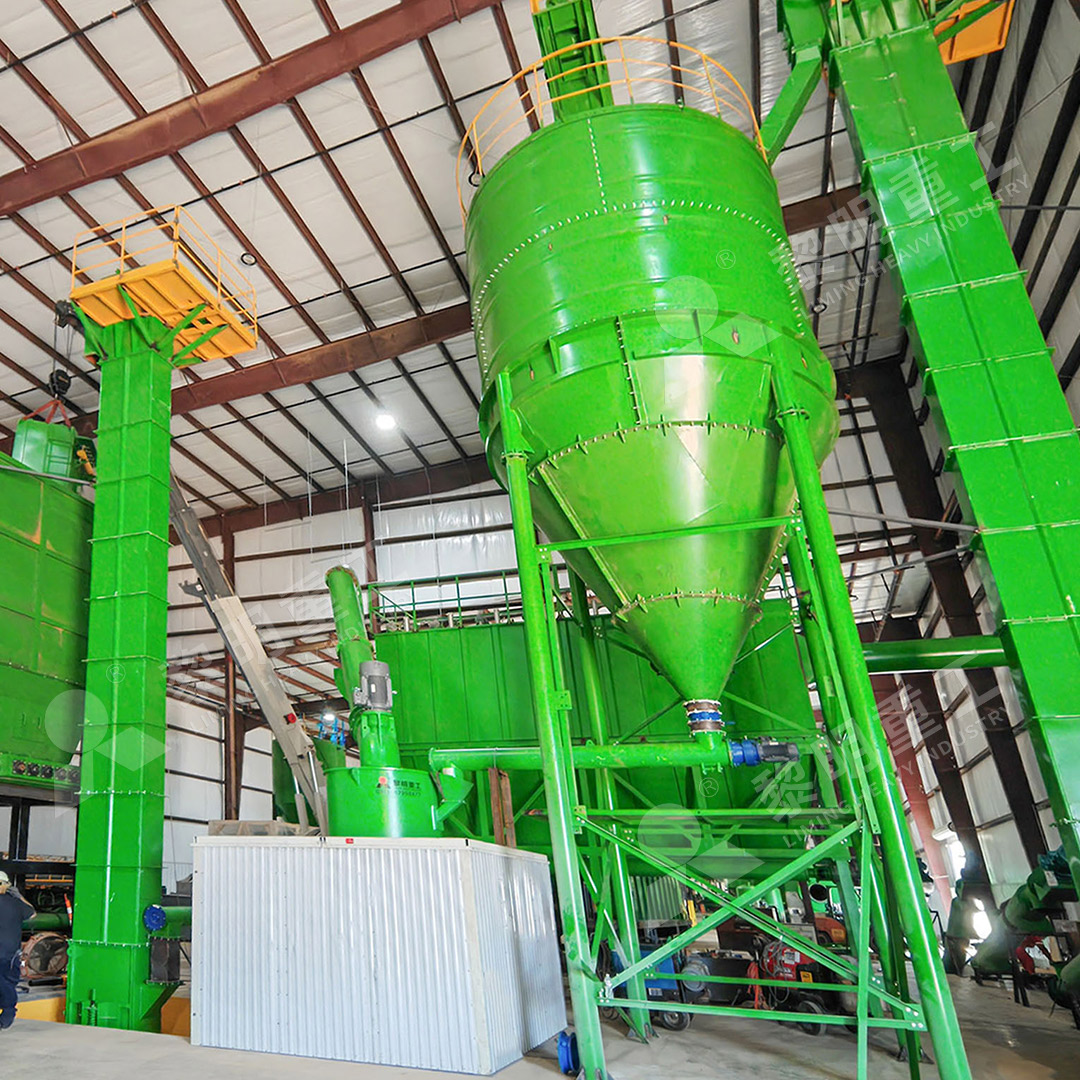
Another excellent option is the LUM Ultrafine Vertical Grinding Mill, which integrates advanced grinding roller and powder separating technologies. With an input size of 0-10 mm and capacity of 5-18 tph, it excels in producing superfine powders with high whiteness and cleanliness—critical for refractory products. Its energy-saving multi-head powder separating technology reduces consumption by 30%-50%, and the reversible structure simplifies maintenance, minimizing downtime in demanding environments.
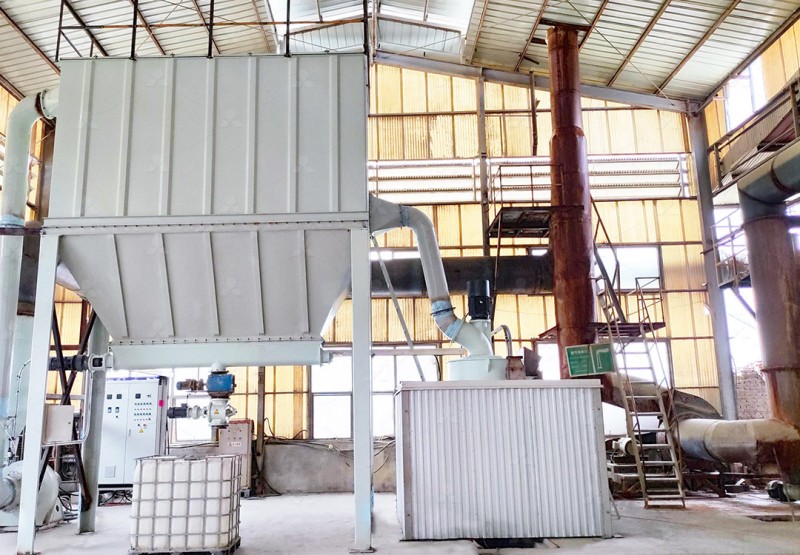
Indonesian suppliers prioritize these mills for their durability and performance in local conditions, such as high humidity and variable raw material quality. The after-sales support, including original spare parts and technical services, ensures worry-free operation, which is crucial for maintaining continuous production in refractory manufacturing.
When selecting a grinding mill, factors like material hardness, desired fineness, and production capacity must be considered. For refractory materials, the ability to achieve ultra-fine powders without contamination is essential. The MW and LUM mills address these needs effectively, offering digitalized processing for higher precision and reliable performance in Indonesia’s evolving industrial landscape.
Frequently Asked Questions (FAQ)
Q: What is the typical fineness range for grinding refractory materials?
A: Refractory materials often require fineness between 325 to 2500 meshes, depending on the application. Mills like the MW Ultrafine Grinding Mill can achieve this range efficiently.
Q: How do modern mills reduce energy consumption compared to traditional Raymond mills?
A: Advanced designs, such as those in the LUM Ultrafine Vertical Grinding Mill, use multi-head powder separating technology and optimized grinding curves, cutting energy use by 30%-50% while maintaining high output.
Q: Are these mills suitable for Indonesia’s environmental regulations?
A: Yes, mills like the MW series come equipped with pulse dust collectors and noise reduction systems, ensuring compliance with local environmental standards by minimizing dust and noise pollution.
Q: What maintenance support is available for these mills in Indonesia?
A> Suppliers like LIMING provide comprehensive after-sales services, including original spare parts and technical assistance, to ensure continuous and efficient operation with minimal downtime.