
Raymond Mill for Coal and Coke Grinding: Efficient Powder Processing Solution
We provide a wide range of mills — including Raymond mill, trapezoidal mill, vertical mill, ultrafine mill, and ball mill, obtained ISO9001 international quality certification, EU CE certification, and Customs Union CU-TR certification. Suitable for processing minerals such as limestone, phosphate, quicklime, kaolin, talc, barite, bentonite, calcium carbonate, dolomite, coal, gypsum, clay, carbon black, slag, cement raw materials, cement clinker, and more.
The discharge range of these mills can be adjusted to meet specific processing needs, typically from 80-400 mesh, 600-3250 mesh, and can achieve the finest particle size of up to 6000 mesh(D50).
If you are looking for a reliable grinding solution to turn stone or minerals into fine powder, please feel free to contact our online customer service.
Raymond Mill for Coal and Coke Grinding: Efficient Powder Processing Solution
In the demanding world of industrial mineral and fuel processing, achieving consistent, fine powders from materials like coal and petroleum coke is paramount. These carbonaceous materials are critical feedstocks for power generation, metallurgical processes, and as additives in various manufacturing lines. The grinding equipment chosen for this task must balance efficiency, precision, operational cost, and environmental compliance. For decades, the Raymond Mill has stood as a reliable workhorse in this arena, and its modern evolution offers even greater capabilities for today’s high-output, eco-conscious operations.
The Critical Role of Fine Grinding in Fuel Processing
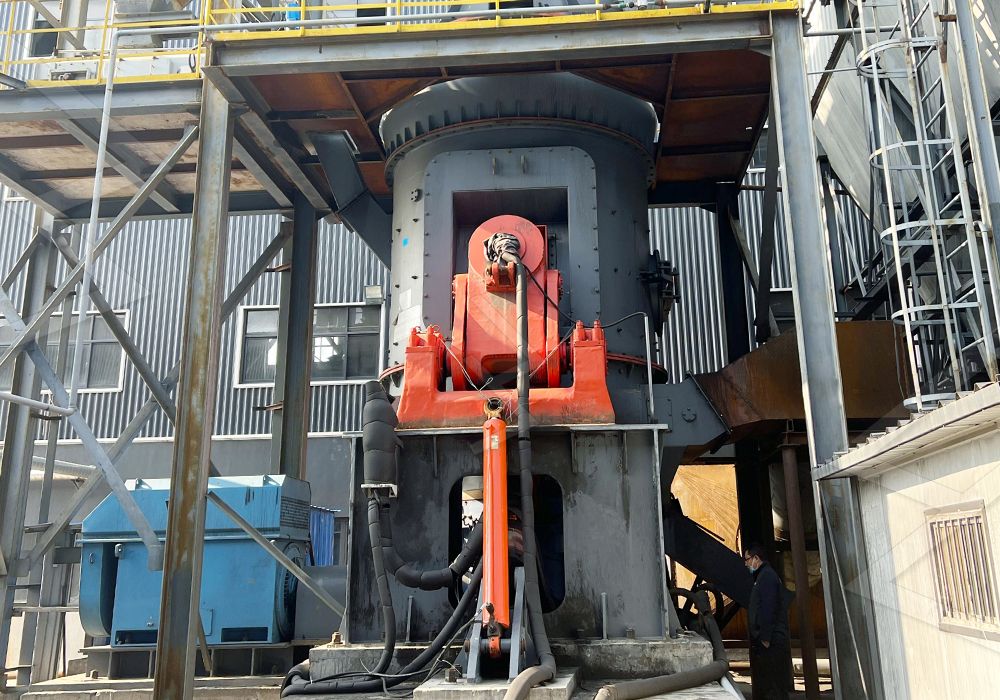
Coal and coke are not homogeneous materials; their reactivity, combustion efficiency, and suitability as a reductant or fuel are directly influenced by particle size. A finely ground, uniformly sized powder ensures complete combustion, optimal heat release, and efficient chemical reactions. Traditional ball mills, while robust, often lack the energy efficiency and precise particle size control required for modern applications. This is where advanced grinding mills, particularly evolved designs of the Raymond Mill principle, demonstrate their superiority. They provide the necessary mechanical force to pulverize brittle carbon materials while integrating classification systems to ensure a tightly controlled final product fineness.
Beyond the Traditional: Modern Advancements in Grinding Technology
The core principle of the Raymond Mill—grinding via spring-loaded rollers against a rotating ring—remains effective. However, contemporary engineering has dramatically enhanced this foundation. Modern versions incorporate advanced features like efficient pulse-jet baghouse dust collectors integral to the system, ensuring the entire milling process is contained and environmentally sound. Noise reduction technologies, such as integrated mufflers and sound-dampening chambers, address workplace safety and community regulations. Furthermore, digital control systems allow for precise adjustment of grinding pressure and classifier speed, enabling operators to dial in the exact fineness required, often ranging from 80 to 325 mesh or finer, without stopping production.
Introducing the MW Ultrafine Grinding Mill: Precision for Specialized Applications
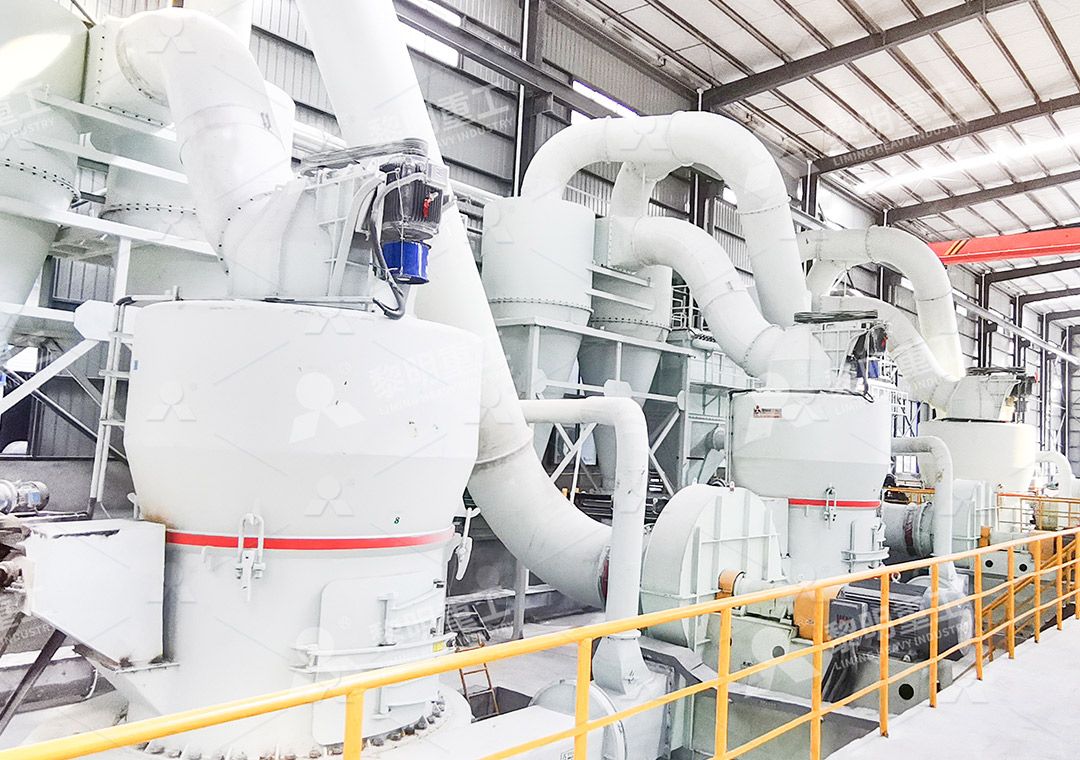
For operations requiring ultra-fine powders beyond the standard range, specialized equipment is necessary. Our MW Ultrafine Grinding Mill is engineered precisely for this purpose. Designed for customers needing to produce ultra-fine powder from materials including petroleum coal and coal powder, this machine represents a leap in grinding technology. It handles an input size of 0-20 mm with a capacity ranging from 0.5 to 25 tons per hour. A key innovation is its cage-type powder selector, which adopts advanced technology to significantly increase separation precision, allowing adjustable fineness between 325 and 2500 meshes. Remarkably, its design eliminates rolling bearings and screws within the grinding chamber, removing common failure points and enabling worry-free, continuous 24-hour operation. The system’s higher yielding and lower energy consumption—reportedly 40% higher capacity than some alternative mills at the same power—make it an exceptionally efficient choice for premium powder production.
Vertical Integration: The LUM Ultrafine Vertical Grinding Mill Advantage
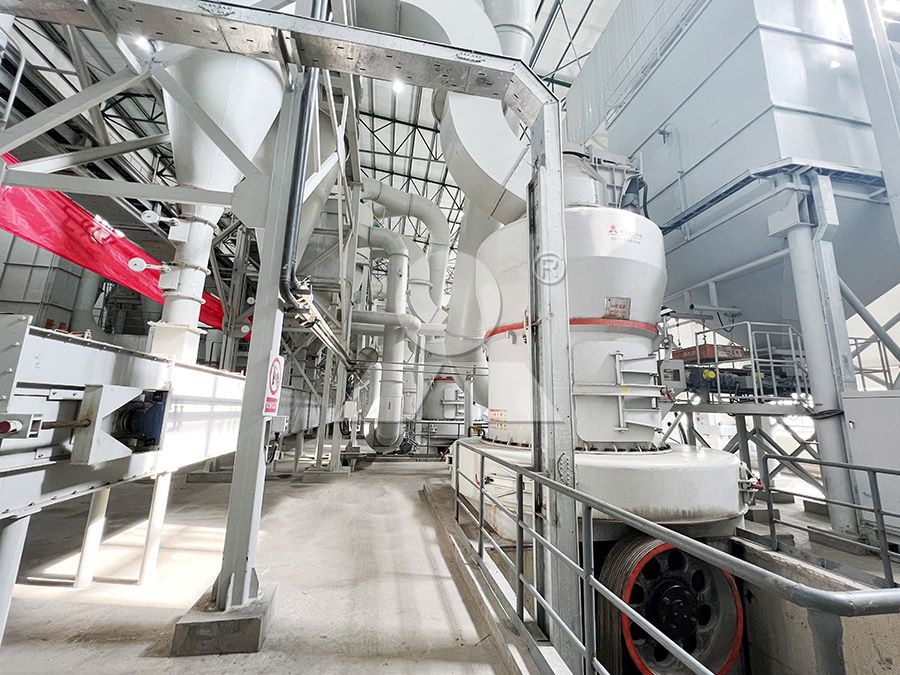
Another formidable solution for high-grade coal and coke powder is the vertical grinding mill. Our LUM Ultrafine Vertical Grinding Mill is a standout in this category. Integrating grinding, grading, and transporting into a single, compact unit, it is independently designed based on extensive grinding mill experience. It accepts a feed size of 0-10 mm with a capacity of 5-18 tph. Its unique roller shell and lining plate grinding curve are designed to easily generate a stable material layer, enabling a high rate of finished product in a single pass. This not only boosts efficiency but also improves the whiteness and cleanliness of the final powder—a critical factor for many industrial uses. The mill incorporates a PLC control system and multi-head powder separating technology, solving the dual challenges of high-precision particle cut and fast switching between different product specifications, all while reducing energy consumption by 30%-50% compared to common grinding mills.
Selecting the Right Mill for Your Operation
Choosing between a traditional Raymond Mill, an ultrafine variant like the MW series, or a vertical mill like the LUM depends on specific project goals. Factors include the required final fineness, desired hourly capacity, available floor space, energy cost considerations, and the required level of automation. For standard pulverized coal for combustion, a robust Raymond Mill or an LM Vertical Coal Mill might be ideal. For producing ultra-fine carbon powder for advanced materials or chemical processes, the MW or LUM series offer unparalleled precision and efficiency. A critical common thread across all modern solutions is the commitment to a clean operation, achieved through fully enclosed systems with negative pressure and high-efficiency dust collection, ensuring that powder processing is both productive and sustainable.
Conclusion
The processing of coal and coke into precise powders is a cornerstone of modern industry. Moving beyond basic crushing to controlled, efficient grinding is essential for performance and economics. Today’s advanced grinding mills, building on the proven Raymond Mill principle and expanding into ultrafine and vertical configurations, provide powerful, clean, and intelligent solutions. By investing in technology that offers higher yield, lower energy use, and superior environmental controls, operations can secure a significant competitive advantage in quality, cost, and regulatory compliance.
Frequently Asked Questions (FAQ)
- What is the main difference between a Raymond Mill and an Ultrafine Grinding Mill for coal processing?
The primary difference lies in the fineness range and internal technology. Traditional Raymond Mills are excellent for producing powders in the 80-325 mesh range. Ultrafine Grinding Mills, like the MW series, incorporate advanced classifiers and grinding curves to achieve much finer powders, from 325 up to 2500 meshes, which are required for specialized chemical or material applications. - How does the LUM Vertical Mill improve energy efficiency compared to a ball mill?
The LUM Vertical Mill integrates grinding and classification. Its unique grinding curve creates a material bed for inter-particle comminution, which is more efficient than the impact/attrition of ball mills. Additionally, its advanced multi-head powder separator and PLC control optimize the process, typically reducing energy consumption by 30% to 50% for the same output. - Are these mills suitable for handling petroleum coke, which can be very hard?
Yes, both the MW Ultrafine Grinding Mill and LUM Vertical Mill are designed to process hard, brittle materials like petroleum coke. The grinding pressure in these mills can be adjusted (often hydraulically) to suit material hardness, ensuring effective pulverization without excessive wear. - What measures are in place to control dust and ensure environmental compliance?
Modern mills like the MW and LUM are equipped with integrated, high-efficiency pulse-jet baghouse dust collectors. The entire milling system operates under negative pressure, preventing dust spillage. This design, along with noise reduction features, ensures operations meet stringent national and international environmental standards. - What does “no rolling bearing in the grinding chamber” mean, and what is the benefit?
As featured in the MW Mill, this design eliminates bearings and their seals from the high-dust environment of the grinding zone. This prevents failures caused by dust ingress into bearings and eliminates machine damage from loose screws, dramatically improving reliability and enabling continuous 24/7 operation with minimal maintenance intervention. - Can the fineness of the final product be adjusted easily during operation?
Yes. Both the MW and LUM mills feature advanced, externally adjustable classifiers. By changing the speed of the classifier rotor (often via a frequency drive), operators can fine-tune the product fineness in real-time without stopping the mill, allowing for great flexibility in meeting different product specifications.