
Raymond Mill for 50 Mesh Powder Production: A Practical Guide and Modern Alternatives
We provide a wide range of mills — including Raymond mill, trapezoidal mill, vertical mill, ultrafine mill, and ball mill, obtained ISO9001 international quality certification, EU CE certification, and Customs Union CU-TR certification. Suitable for processing minerals such as limestone, phosphate, quicklime, kaolin, talc, barite, bentonite, calcium carbonate, dolomite, coal, gypsum, clay, carbon black, slag, cement raw materials, cement clinker, and more.
The discharge range of these mills can be adjusted to meet specific processing needs, typically from 80-400 mesh, 600-3250 mesh, and can achieve the finest particle size of up to 6000 mesh(D50).
If you are looking for a reliable grinding solution to turn stone or minerals into fine powder, please feel free to contact our online customer service.
Raymond Mill for 50 Mesh Powder Production
For decades, the name “Raymond Mill” has been synonymous with reliable, mid-range powder production in industries ranging from mining and construction to chemicals and agriculture. When the target is a consistent 50 mesh (approximately 300 microns) powder, many operators instinctively consider this workhorse technology. Its straightforward design, relatively low investment cost, and proven track record for processing materials like limestone, calcite, barite, and gypsum make it a familiar choice. The principle is tried and true: material is fed between grinding rollers and a stationary ring, crushed by centrifugal force, and then classified by an integrated separator.
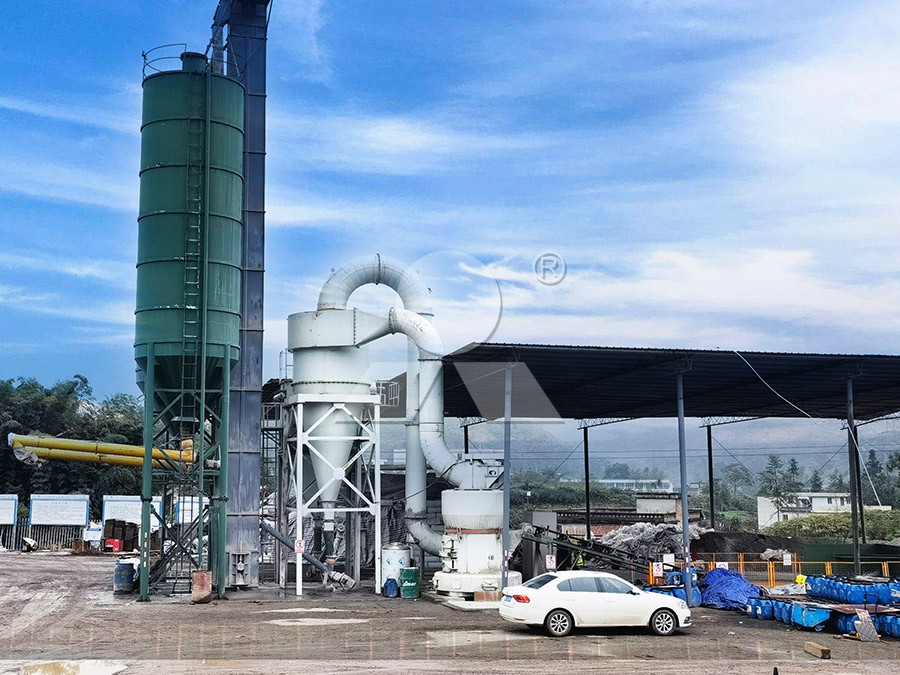
However, the industrial landscape is evolving. Modern production demands extend beyond mere capability to encompass energy efficiency, environmental compliance, product uniformity, and operational cost control. While a traditional Raymond Mill can achieve 50 mesh, its limitations in these areas become apparent. Energy consumption per ton can be higher compared to newer designs, fine-tuning fineness might require manual adjustments with less precision, and dust control often depends on add-on systems rather than being integral to the design.
The Modern Benchmark for Fine and Ultra-Fine Grinding
This is where contemporary engineering offers superior solutions. For operations targeting 50 mesh and aspiring for finer ranges or seeking significant efficiency gains, advanced grinding mills have redefined expectations. One standout example is our MW Ultrafine Grinding Mill. This system is engineered for customers who need to make ultra-fine powder with exceptional efficiency and environmental stewardship.
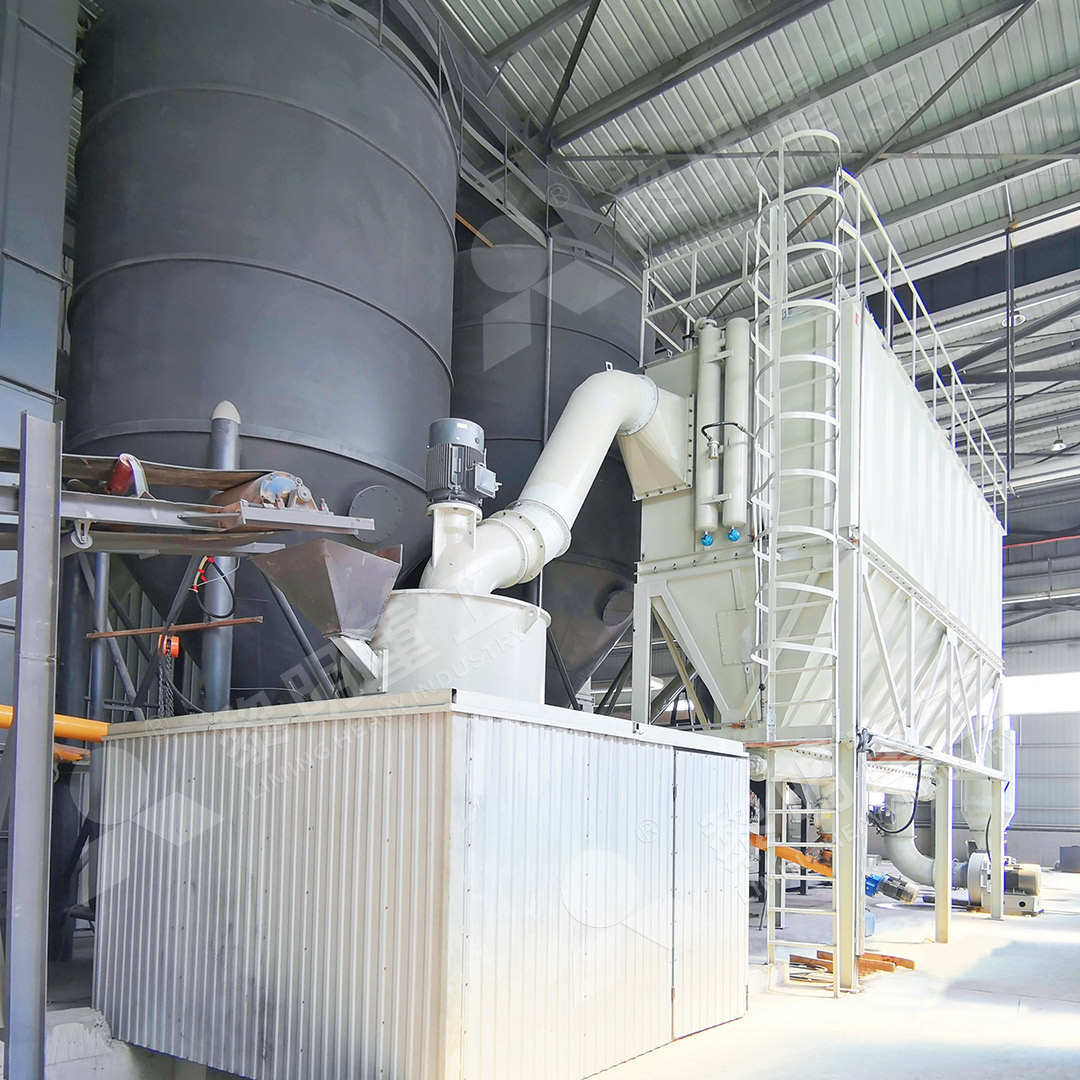
The MW Series is not merely an incremental improvement; it represents a technological leap. It features a highly efficient cage-type powder selector based on German technology, allowing precise fineness adjustment between 325-2500 meshes. For a 50 mesh target, this means unparalleled control and consistency, with a screening rate that can achieve d97≤5μm in a single pass. Its design eliminates rolling bearings and screws in the grinding chamber, removing common failure points and enabling worry-free, continuous 24/7 operation. Furthermore, it comes equipped with an efficient pulse dust collector and muffler as standard, ensuring the entire production process meets stringent environmental standards with minimal dust and noise.
Beyond 50 Mesh: Preparing for Future Needs
Investing in equipment is a strategic decision. While your current need may be 50 mesh, market demands or product development might require finer powders of 800, 1500, or even 2500 mesh in the future. A mill designed with this flexibility protects your investment. The MW Ultrafine Grinding Mill excels here, offering a production capacity 40% higher than jet mills and double that of ball mills at the same fineness and power, while consuming only 30% of the energy of a jet mill. This combination of higher yield, lower energy consumption, and vast fineness range makes it an exceptionally versatile and future-proof asset.
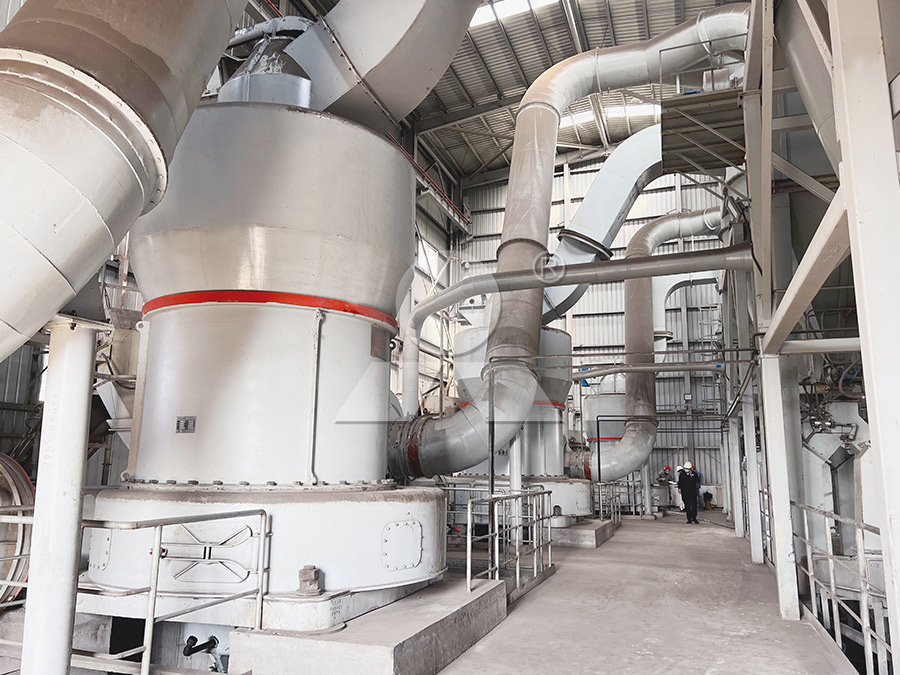
For operations with very high purity requirements or processing of advanced materials, our LUM Ultrafine Vertical Grinding Mill presents another compelling option. Integrating the latest grinding roller and powder separating technologies, the LUM mill offers exceptional product whiteness and cleanliness. Its unique grinding curve promotes easy material layer formation and high once-through yield. A key feature is its reversible structure with a hydraulic system, allowing grinding rollers to be easily moved out for maintenance, drastically reducing downtime and associated losses.
Making the Right Choice for Your Operation
Selecting the right mill for 50 mesh production hinges on a thorough analysis of your total cost of ownership, not just the initial purchase price. Consider these factors:
- Energy Efficiency: Newer designs like the MW and LUM mills can reduce power consumption by 30-50% compared to older technologies, leading to substantial operational savings.
- Product Quality & Consistency: Advanced digital controls and precision separators ensure a more uniform particle size distribution, which is critical for downstream processes.
- Environmental & Operational Safety: Built-in, high-efficiency dust collection and noise reduction are no longer optional but essential for regulatory compliance and worker safety.
- Maintenance & Uptime: Designs that facilitate easy access to wear parts and eliminate common failure points maximize productivity and minimize unplanned shutdowns.
In conclusion, while the Raymond Mill laid the foundation, today’s challenges require today’s solutions. For producing 50 mesh powder with superior efficiency, lower operational cost, and built-in flexibility for future needs, advanced mills like the MW Ultrafine Grinding Mill and the LUM Ultrafine Vertical Grinding Mill represent the new standard. They deliver not just powder, but performance, sustainability, and a stronger bottom line.
Frequently Asked Questions (FAQs)
1. Can a traditional Raymond Mill reliably produce 50 mesh powder?
Yes, a properly configured and maintained Raymond Mill is capable of producing 50 mesh (~300 micron) powder for many common non-metallic minerals. However, control over the exact particle size distribution may be less precise, and energy efficiency is generally lower compared to modern vertical or ultrafine grinding mills.
2. What are the main advantages of choosing an MW Ultrafine Grinding Mill for 50 mesh production over a traditional Raymond Mill?
The MW Mill offers significantly higher energy efficiency (up to 40-50% savings), much finer fineness capability for future needs (up to 2500 mesh), integrated and highly effective environmental controls (pulse dust collector), and a more robust design without internal bearings or screws in the grinding chamber for higher reliability and lower maintenance.
3. How does the fineness adjustment work on modern mills like the MW or LUM series?
These mills utilize advanced, multi-head cage-type powder selectors (classifiers). The fineness is primarily adjusted by changing the rotational speed of the classifier rotor via the PLC control system. This allows for precise, digital control over the “cut point,” ensuring consistent product size without the need for manual mechanical adjustments.
4. Is the maintenance more complicated on these advanced grinding mills?
Interestingly, it is often simpler. Designs like the LUM’s reversible hydraulic roller system allow quick access to wear parts. The MW’s elimination of internal chamber bearings removes a frequent maintenance item. Both are supported by digital monitoring and a guaranteed supply of original spare parts, leading to more predictable and easier planned maintenance.
5. What about dust control? Are these systems truly cleaner?
Absolutely. Models like the MW Ultrafine Grinding Mill are designed with environmental performance as a core feature. They include high-efficiency pulse jet dust collectors as an integral part of the system, operating under negative pressure to prevent dust spillage. This makes them compliant with strict international environmental standards right out of the box.
6. My material feed size is up to 20mm. Is pre-crushing necessary?
For both the MW Mill (input size: 0-20 mm) and the LUM Mill (input size: 0-10 mm), a small jaw crusher or hammer mill is typically used in a preceding stage to ensure the feed material is within the specified size range for optimal grinding efficiency and to protect the grinding elements.