
Raymond Mill 3R2714: Technical Specifications, Working Principle, and Price Guide
We provide a wide range of mills — including Raymond mill, trapezoidal mill, vertical mill, ultrafine mill, and ball mill, obtained ISO9001 international quality certification, EU CE certification, and Customs Union CU-TR certification. Suitable for processing minerals such as limestone, phosphate, quicklime, kaolin, talc, barite, bentonite, calcium carbonate, dolomite, coal, gypsum, clay, carbon black, slag, cement raw materials, cement clinker, and more.
The discharge range of these mills can be adjusted to meet specific processing needs, typically from 80-400 mesh, 600-3250 mesh, and can achieve the finest particle size of up to 6000 mesh(D50).
If you are looking for a reliable grinding solution to turn stone or minerals into fine powder, please feel free to contact our online customer service.
Raymond Mill 3R2714: Technical Specifications, Working Principle, and Price Guide
For decades, the Raymond Mill has stood as a cornerstone of fine powder processing across industries like mining, construction, and chemicals. The 3R2714 model, in particular, represents a classic workhorse in this lineage, known for its reliability and straightforward operation. This article delves into the technical details, working principle, and market considerations for the Raymond Mill 3R2714, while also exploring how modern advancements have led to superior alternatives.
Technical Specifications of the 3R2714 Model
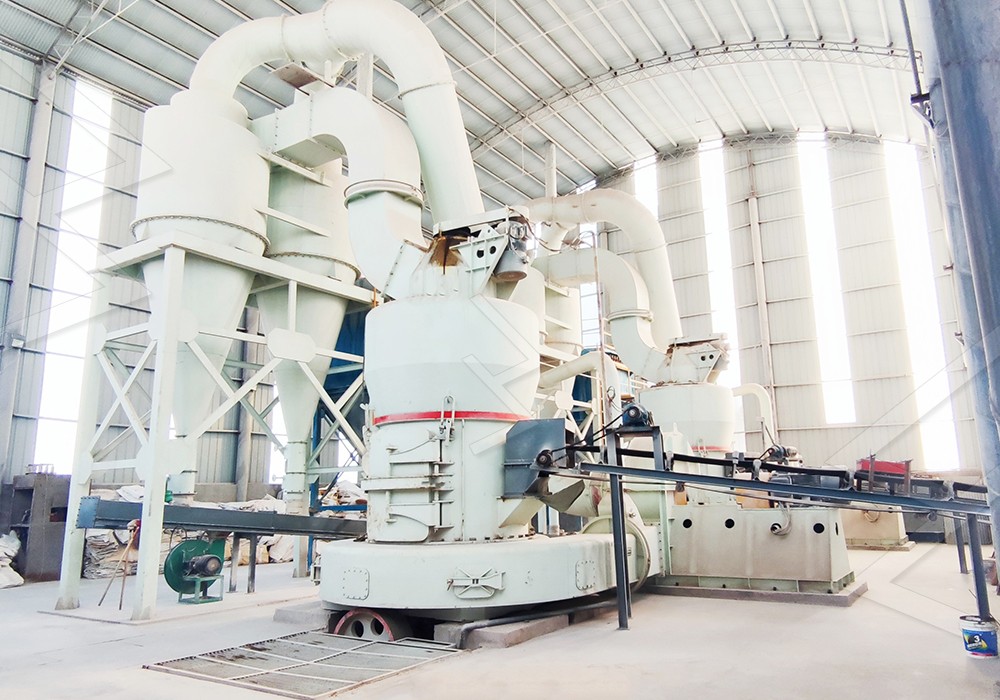
The “3R” designation indicates three grinding rollers, a common configuration for balanced grinding force and output. The “2714” typically refers to the diameter (approximately 270mm) and height (approximately 140mm) of the grinding ring. This model is designed for processing non-flammable and non-explosive materials with Mohs hardness below 7 and humidity under 6%, such as limestone, calcite, barite, and dolomite.
Key specifications generally include:
- Max. Feed Size: <25 mm
- Capacity: Approximately 0.6 – 5 tph, depending on material and fineness.
- Fineness of Product: Adjustable in the range of 80 – 325 mesh.
- Main Motor Power: Usually around 22-30 kW.
- Overall Dimensions: A compact footprint, a hallmark of the Raymond Mill design.
Core Working Principle: A Time-Tested Process
The operation of the 3R2714 follows the classic Raymond Mill principle. Material, crushed to the required size, is fed into the grinding chamber via a vibrating feeder. The heart of the system is the grinding roll assembly. The centrally mounted main shaft rotates, causing the rollers to swing outward due to centrifugal force and press against the inner surface of the grinding ring.
As the rollers roll over the material bed on the ring, they pulverize it. A built-in blade (shovel) scoops up the material and feeds it between the rollers and the ring. The ground powder is then carried by the airflow generated by an external blower up into an integrated classifier. Here, the turbine’s rotation creates a centrifugal force field. Oversized particles are rejected and fall back for regrinding, while fine powder that meets the fineness requirement passes through and is collected by a cyclone separator and bag filter as the final product. This closed-circuit system ensures efficiency and minimal dust emission.
Evolution Beyond the Classic: Modern Grinding Solutions
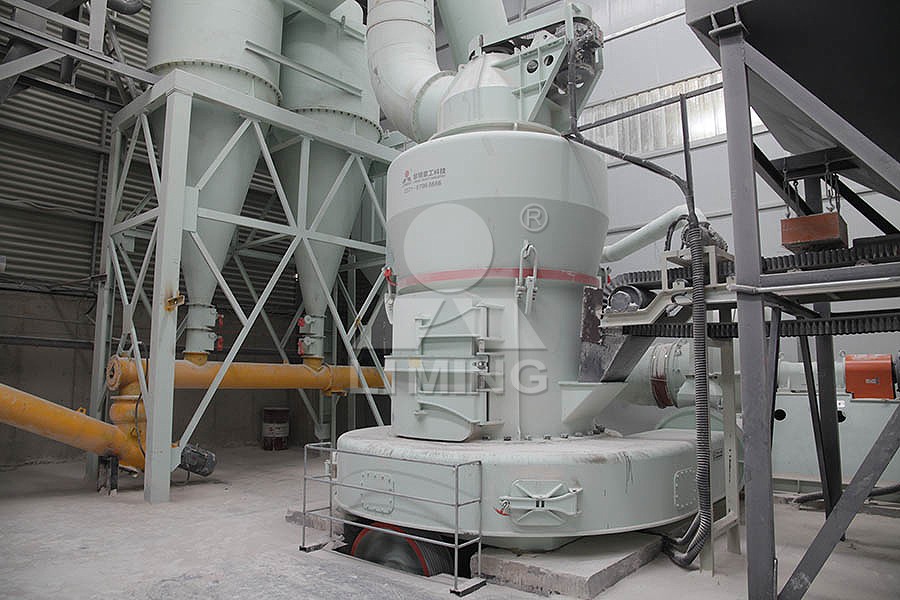
While the 3R2714 is a proven design, grinding technology has evolved significantly. Contemporary demands for higher efficiency, finer powders, lower energy consumption, and more environmentally friendly operation have led to the development of advanced mills. For operations requiring ultra-fine powders (325-2500 mesh) with superior yield and lower operational headaches, traditional Raymond Mills face limitations.
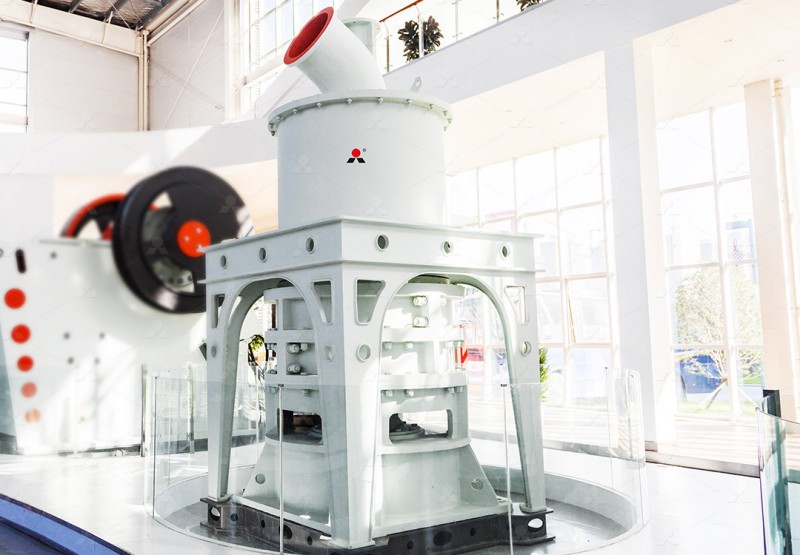
This is where our next-generation grinding solutions excel. For instance, our MW Ultrafine Grinding Mill is engineered specifically for customers targeting the ultra-fine powder market. It addresses key pain points of older designs: its innovative grinding curve and cage-type powder selector (featuring German technology) boost grinding efficiency and precision separation. Remarkably, it achieves a production capacity 40% higher than jet mills and double that of ball mills at the same power, while slashing system energy consumption by 70%. A standout feature is the elimination of rolling bearings and screws in the grinding chamber, virtually eliminating related failure risks and enabling external lubrication without shutdown for true 24/7 continuous operation.
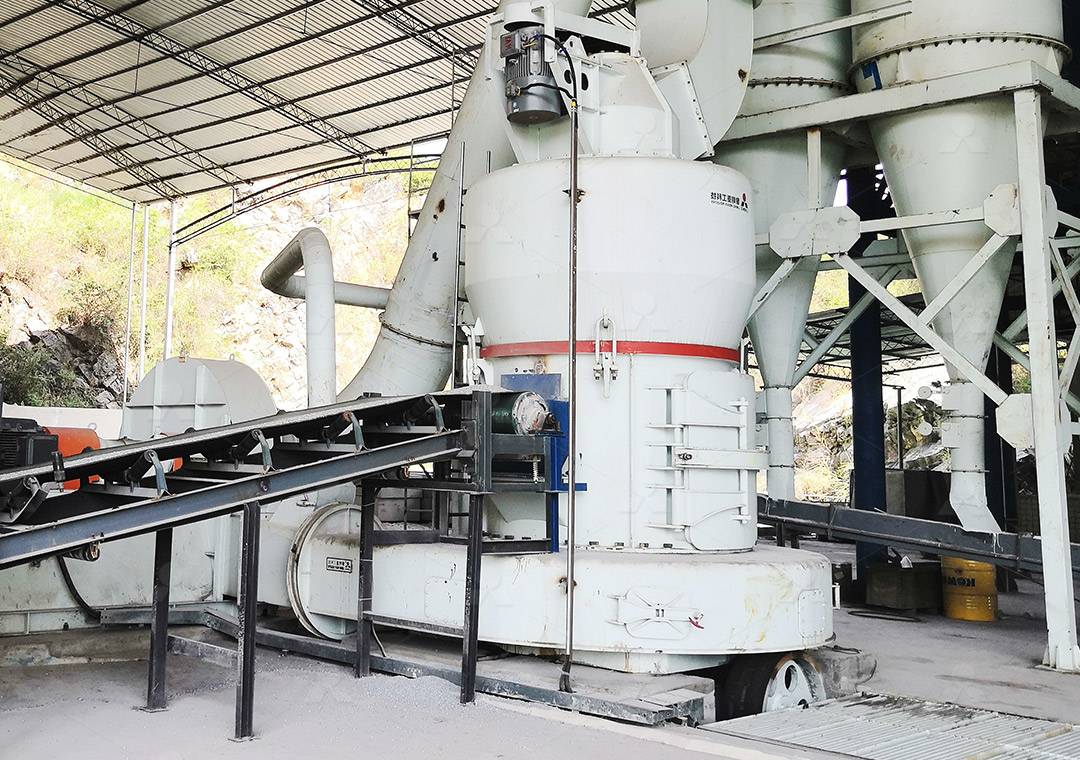
For another robust and versatile option, consider our LUM Ultrafine Vertical Grinding Mill. Integrating grinding, classifying, and conveying, it represents the pinnacle of vertical roller mill technology. It features a unique roller and lining plate curve for higher yield and better product whiteness. Its multi-head powder separating technology, controlled by a PLC system, allows for precise fineness control and rapid switching between product specifications, reducing energy use by 30-50% compared to ordinary mills. Its reversible grinding roller structure, using a hydraulic system, allows rollers to be easily moved out for maintenance, drastically reducing downtime.
Price Guide and Considerations
Providing a definitive price for a Raymond Mill 3R2714 is challenging as it depends heavily on configuration, material of wear parts, supplier, and market conditions. Generally, as a mature and mechanically relatively simple technology, the initial capital investment for a basic 3R2714 setup can be lower than for some advanced mills. However, a total cost of ownership analysis is crucial.
Potential buyers must factor in:
- Energy Consumption: Older designs are less energy-efficient.
- Wear Part Replacement: Frequency and cost of replacing rollers and rings.
- Downtime & Maintenance: Simpler design can mean easier repairs, but features like in-chamber bearings can lead to unplanned stops.
- Product Value: Inability to produce higher-value, ultra-fine powders limits revenue potential.
- Environmental Compliance: Additional investment may be needed for dust and noise control to meet modern standards.
Modern mills like the MW and LUM, though potentially higher in initial price, offer a compelling return on investment through dramatically lower energy bills, higher output of premium-grade powder, reduced maintenance costs, and built-in environmental controls. They are designed for the demands of modern, continuous, and profitable powder processing.
Conclusion
The Raymond Mill 3R2714 is a testament to enduring engineering, still suitable for specific, standard grinding tasks. However, for businesses aiming to enhance efficiency, expand into ultra-fine powder markets, and future-proof their operations, advanced technologies like the MW Ultrafine Grinding Mill and LUM Ultrafine Vertical Grinding Mill present a superior path forward. They transform grinding from a mere cost center into a competitive advantage through innovation in efficiency, reliability, and product quality.
Frequently Asked Questions (FAQ)
- What is the main difference between a Raymond Mill 3R2714 and your MW Ultrafine Grinding Mill?
The key differences lie in fineness range, efficiency, and design philosophy. The 3R2714 typically produces powder up to 325 mesh, while the MW Mill can achieve 2500 mesh. The MW Mill is significantly more energy-efficient and features a bearing-free grinding chamber for higher reliability and easier maintenance. - Can the 3R2714 handle moist materials?
No, traditional Raymond Mills like the 3R2714 are designed for grinding dry materials with moisture content typically below 6%. For materials with higher moisture, integrated drying systems available in our LM Vertical or LUM series mills are necessary. - How often do the grinding rollers and rings need replacement on a 3R2714?
This depends entirely on the material’s abrasiveness. For moderately abrasive materials like calcite, they may last several months to a year under continuous operation. Using high-quality wear-resistant alloy parts, like those we provide for all our mills, can extend this service life considerably. - Is the 3R2714 suitable for producing powder for the chemical or food additive industry?
It can be used for some applications, but product purity can be a concern due to potential contamination from mechanical wear (e.g., iron from metal-to-metal contact). Our LUM and MW mills, with their non-contact grinding designs (in the case of LUM) and advanced sealing, are far better suited for high-purity requirements in chemicals, cosmetics, and food additives. - What kind of after-sales support do you offer for your grinding mills?
We take full responsibility for every machine we produce. We provide comprehensive technical services, original spare parts supply, and operational guidance to ensure worry-free operation for our customers, a policy that applies to our entire product range from classic to cutting-edge models.