
Raymond Mill 3R Price Guide: Cost, Models & Key Factors
We provide a wide range of mills — including Raymond mill, trapezoidal mill, vertical mill, ultrafine mill, and ball mill, obtained ISO9001 international quality certification, EU CE certification, and Customs Union CU-TR certification. Suitable for processing minerals such as limestone, phosphate, quicklime, kaolin, talc, barite, bentonite, calcium carbonate, dolomite, coal, gypsum, clay, carbon black, slag, cement raw materials, cement clinker, and more.
The discharge range of these mills can be adjusted to meet specific processing needs, typically from 80-400 mesh, 600-3250 mesh, and can achieve the finest particle size of up to 6000 mesh(D50).
If you are looking for a reliable grinding solution to turn stone or minerals into fine powder, please feel free to contact our online customer service.
Raymond Mill 3R Price Guide: Cost, Models & Key Factors
When it comes to grinding equipment, the Raymond Mill 3R series remains one of the most sought-after solutions for medium-scale powder processing. As industry professionals know, understanding the true cost of these machines goes far beyond the initial price tag. Let’s break down what you really need to consider before making your investment.
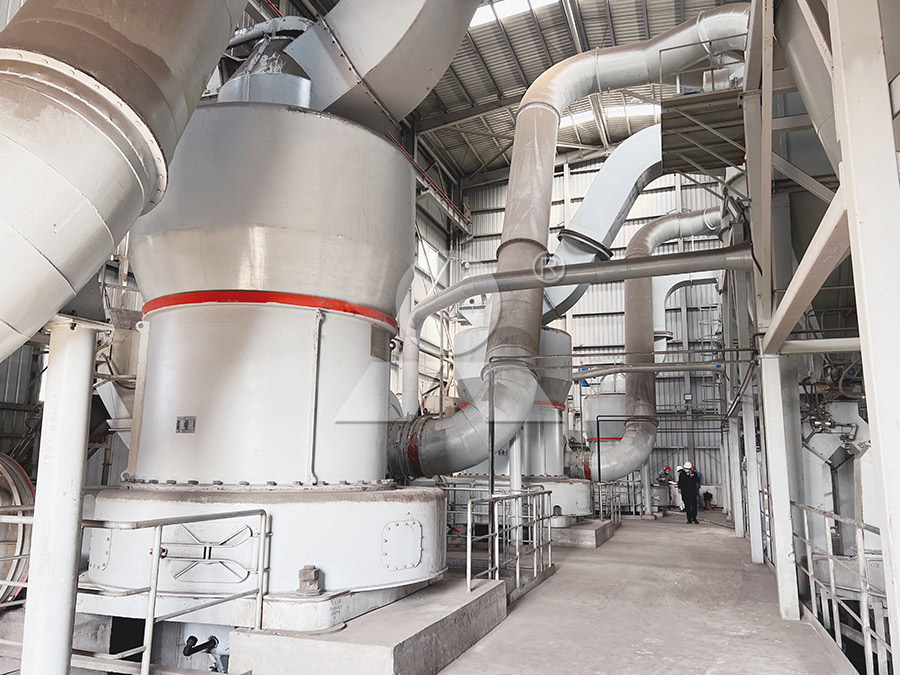
Having worked with countless clients across mineral processing and chemical industries, I’ve seen firsthand how proper equipment selection can make or break an operation. The Raymond Mill 3R models typically handle materials like limestone, calcite, dolomite, and gypsum with input sizes under 25mm and capacities ranging from 0.6-5 tph. But here’s the catch – while these traditional mills get the job done, newer technologies might offer better long-term value.
Beyond the Sticker Price: Total Cost of Ownership
Many buyers focus exclusively on the purchase price, but this approach often leads to higher expenses down the road. The real cost includes energy consumption, maintenance downtime, replacement parts, and operational efficiency. Traditional 3R models consume more power per ton of output compared to modern alternatives, and their grinding efficiency for ultra-fine applications leaves room for improvement.
From my experience visiting production sites, I’ve noticed operations using older 3R models often struggle with inconsistent particle size distribution when processing materials requiring fineness beyond 325 mesh. The limitations become particularly apparent when handling more demanding applications in pharmaceuticals or high-value chemicals where precision is paramount.
Modern Alternatives Worth Considering
While Raymond Mills serve certain applications well, forward-thinking operations are increasingly turning to more advanced solutions. For operations requiring ultra-fine powder between 325-2500 meshes, our MW Ultrafine Grinding Mill represents a significant technological leap. With an input size of 0-20 mm and capacity ranging from 0.5-25 tph, it delivers 40% higher production capacity than jet mills and double the output of ball mills while consuming only 30% of the energy of jet grinding systems.
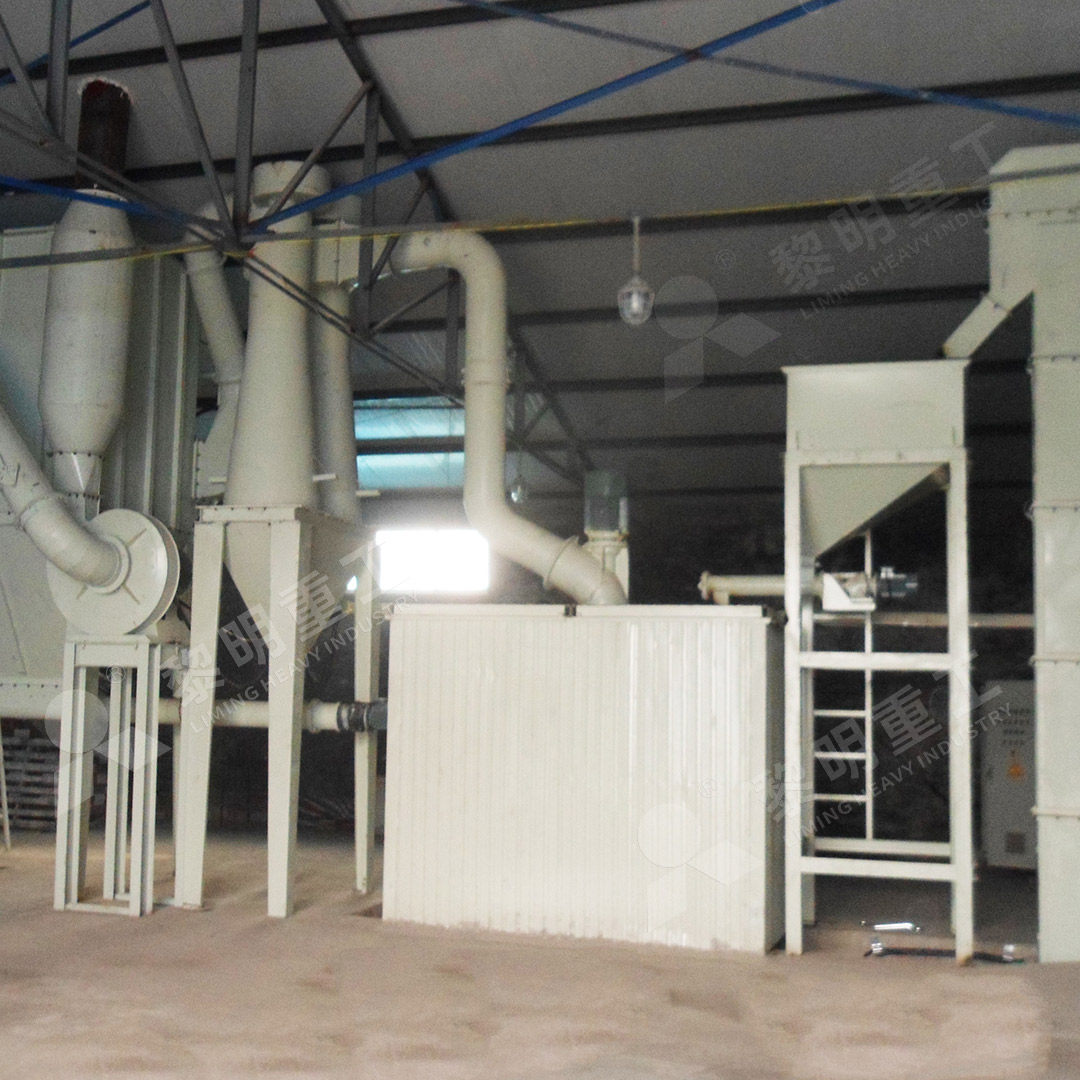
What really sets the MW series apart is its innovative design that eliminates rolling bearings and screws in the grinding chamber. I’ve seen too many operations lose production time to bearing failures and loose screw issues – problems that simply don’t exist with this design. The external lubrication system allows for 24-hour continuous operation without shutdowns for maintenance.
For operations prioritizing vertical space utilization and advanced powder separation, the LUM Ultrafine Vertical Grinding Mill offers another compelling option. Its input size of 0-10 mm and capacity of 5-18 tph makes it ideal for superfine dry powder production. The reversible structure design is something I particularly appreciate – it makes maintenance operations significantly easier and reduces downtime when replacing wear parts.
Key Factors Influencing Your Decision
When evaluating grinding mills, consider these critical aspects beyond the initial price:
- Material Characteristics: Hardness, moisture content, and required fineness dramatically affect performance
- Operational Costs: Energy consumption represents 40-60% of total operating costs for most grinding operations
- Maintenance Requirements: Simpler designs with easier part replacement save thousands in downtime
- Environmental Compliance: Modern mills include integrated dust collection and noise reduction
- Future Flexibility: Can the equipment handle different materials as your business evolves?
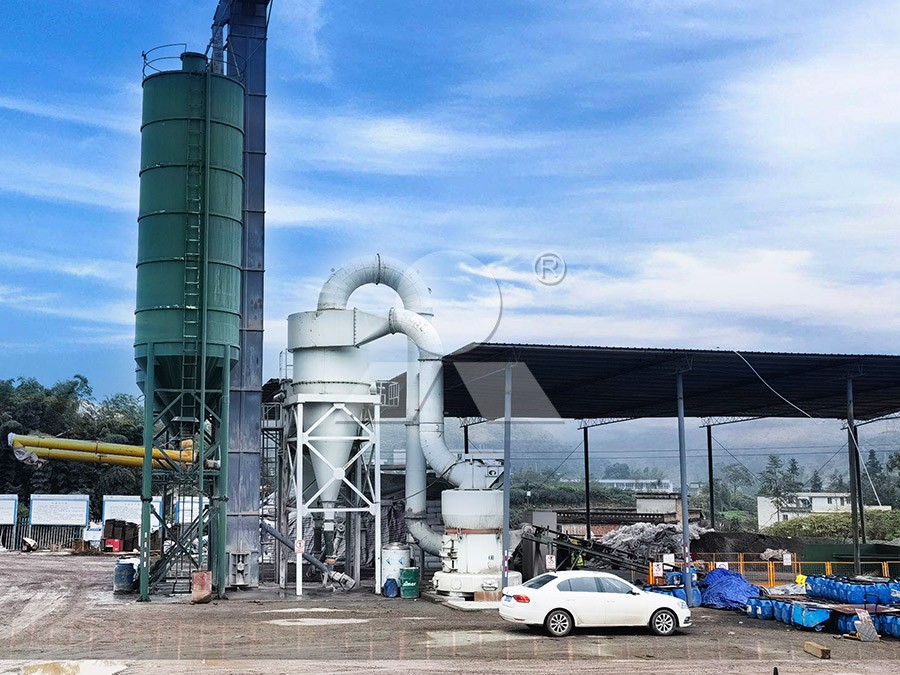
The environmental aspect deserves special mention. Recent site visits have shown that operations using mills with efficient pulse dust collectors and mufflers not only meet regulatory requirements more easily but also create better working conditions. The MW Ultrafine Grinding Mill’s dust removal system practically eliminates pollution concerns while the noise reduction features make for a much more pleasant working environment.
Making the Right Choice for Your Operation
There’s no one-size-fits-all solution in grinding technology. While Raymond Mill 3R models might suit budget-conscious operations with straightforward requirements, operations demanding higher efficiency, finer powders, or lower operating costs should seriously consider the advanced alternatives available today.
The digital precision in modern mills like our MW and LUM series ensures consistent quality batch after batch. With numerical control machining for core components, the precision and reliability represent a significant upgrade from traditional manufacturing methods.
Frequently Asked Questions
What is the typical price range for a Raymond Mill 3R series?
Prices vary significantly based on configuration and specifications, but generally range from $15,000 to $60,000. However, we strongly recommend considering total cost of ownership rather than just initial purchase price.
How does the MW Ultrafine Grinding Mill compare to traditional Raymond Mills for fine powder production?
The MW series provides 40% higher production capacity with the same fineness and power consumption, while achieving much finer powders (up to 2500 mesh compared to typically 325-400 mesh for standard Raymond Mills).
What maintenance advantages do modern grinding mills offer?
Designs like our MW Ultrafine Grinding Mill eliminate rolling bearings and screws in the grinding chamber, preventing common failure points. The external lubrication system enables maintenance without production stoppages.
Can these mills handle materials beyond the typical limestone and calcite?
Yes, modern mills like the MW and LUM series process various materials including dolomite, talc, barite, petroleum coal, and even materials for cosmetics and food additives with appropriate certifications.
How important is after-sales support for grinding equipment?
Extremely important. We provide complete technical services and original spare parts to ensure worry-free operation, recognizing that downtime costs significantly more than the price of any single component.