
Raymond Mill 1510: Specifications, Working Principle, and Applications
We provide a wide range of mills — including Raymond mill, trapezoidal mill, vertical mill, ultrafine mill, and ball mill, obtained ISO9001 international quality certification, EU CE certification, and Customs Union CU-TR certification. Suitable for processing minerals such as limestone, phosphate, quicklime, kaolin, talc, barite, bentonite, calcium carbonate, dolomite, coal, gypsum, clay, carbon black, slag, cement raw materials, cement clinker, and more.
The discharge range of these mills can be adjusted to meet specific processing needs, typically from 80-400 mesh, 600-3250 mesh, and can achieve the finest particle size of up to 6000 mesh(D50).
If you are looking for a reliable grinding solution to turn stone or minerals into fine powder, please feel free to contact our online customer service.
Raymond Mill 1510: Specifications, Working Principle, and Applications
For decades, the name Raymond Mill has been synonymous with reliable, efficient, and cost-effective fine powder processing. As a foundational technology in the grinding industry, its design principles have been refined and enhanced over generations. The Raymond Mill 1510 represents a mature and robust solution for a wide range of materials, offering a balance of performance, simplicity, and operational economy that continues to make it a preferred choice in many industrial settings.
Core Specifications and Design Philosophy
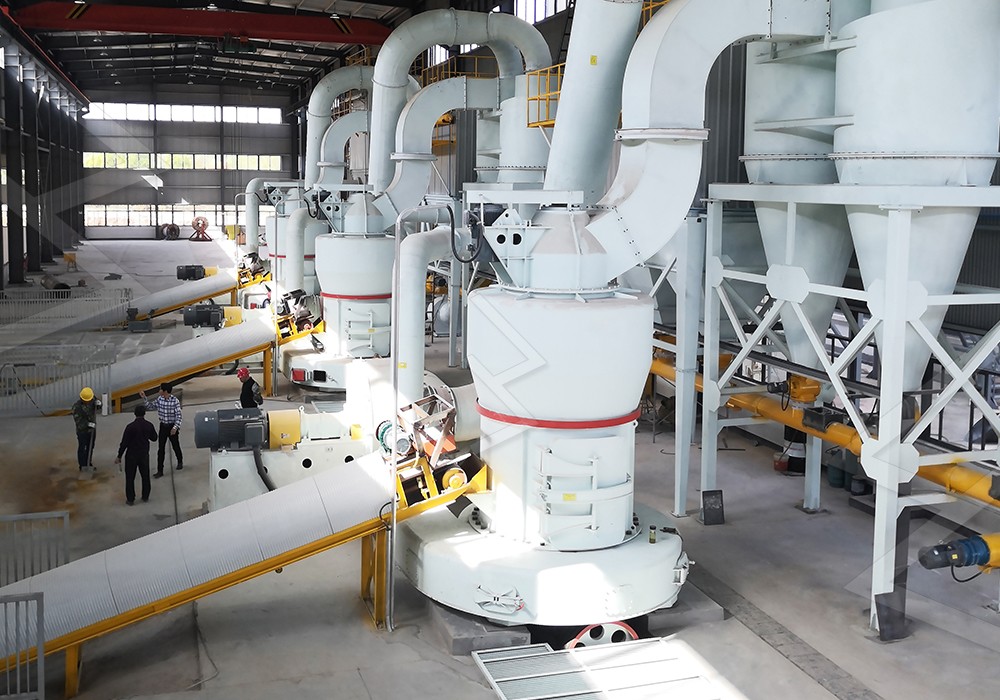
The Raymond Mill 1510 is engineered for processing materials with an input size of less than 25 mm, delivering a capacity range typically between 0.6 to 5 tons per hour. Its design philosophy centers on straightforward mechanics and durability. The system integrates key components like a jaw crusher for primary size reduction, an elevator, a vibrating feeder for consistent material flow, the grinding chamber itself, a classifier, a cyclone collector, and a dust removal system. This integrated approach ensures a closed-loop operation that minimizes waste and environmental impact.
Working Principle: A Time-Tested Process
The operation of the Raymond Mill 1510 is a classic example of mechanical grinding efficiency. The process begins with crushed raw material being fed evenly into the grinding chamber via a vibrating feeder. Inside the chamber, the central vertical shaft, driven by a motor and reducer, rotates. Multiple grinding rollers, suspended from a cross-arm assembly, swing outward due to centrifugal force and roll against a stationary grinding ring.
A shovel mounted on the assembly scoops up the material and feeds it into the narrow gap between the rollers and the ring, where crushing and grinding occur. The ground powder is then carried upwards by the airflow generated by an induced draft fan. This air-powder mixture enters a built-in classifier. Here, the turbine’s rotation creates a precise cut: oversized particles are rejected and fall back for regrinding, while fine powder passes through. The finished product is finally separated from the air stream in a cyclone collector and discharged, with the clean air recirculated or vented after passing through a dust filter.
Typical Applications and Material Suitability
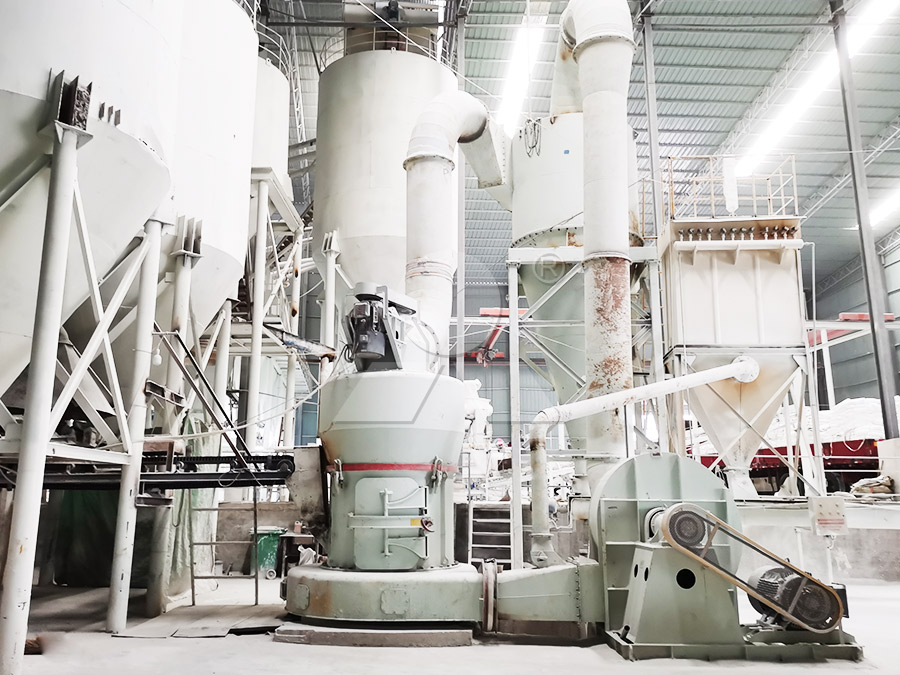
The versatility of the Raymond Mill 1510 is one of its greatest strengths. It is exceptionally well-suited for grinding non-flammable and non-explosive materials with Mohs hardness below 7 and humidity less than 6%. Its traditional stronghold has been in mining and construction materials, but its reach extends further. Common applications include processing minerals like limestone, calcite, dolomite, barite, talc, gypsum, and marble. It is also widely used in industries such as cement production (for raw meal and clinker), coal pulverization for power plants, metallurgy, and chemical manufacturing for various inorganic materials.
Evolution and Modern Alternatives
While the Raymond Mill 1510 remains a workhorse, technological advancements have led to the development of mills that offer higher capacity, finer grinding, and greater energy efficiency for specific applications. For operations requiring ultra-fine powders or processing a broader range of materials, modern vertical roller mills and ultra-fine grinding mills present compelling alternatives.
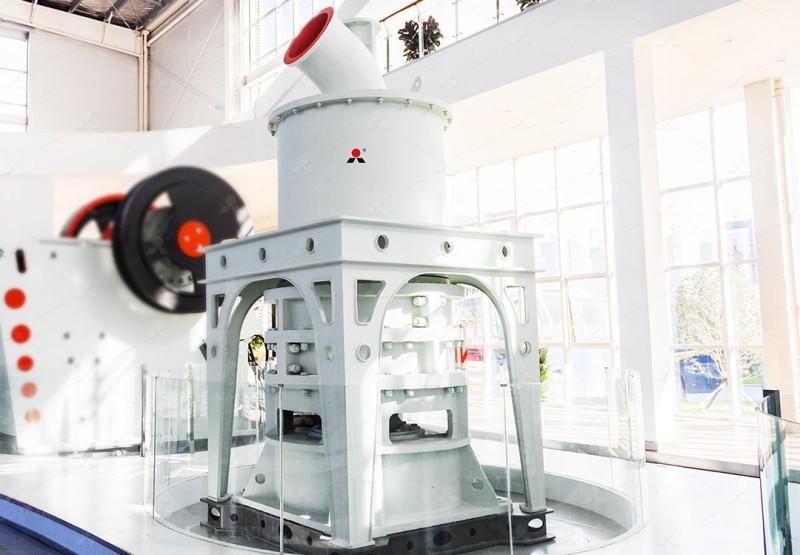
For instance, our MW Ultrafine Grinding Mill is engineered for customers who need to produce ultra-fine powder between 325 and 2500 meshes. It addresses several key challenges of traditional grinding. Its newly designed grinding curves for the roller and ring enhance efficiency, yielding up to 40% higher production capacity compared to jet mills under the same power. A significant innovation is the absence of rolling bearings and screws inside the grinding chamber, eliminating common failure points and allowing for external lubrication without shutdown. Equipped with an efficient pulse dust collector and silencer, the MW series ensures an eco-friendly operation with minimal dust and noise, making it ideal for high-purity applications in chemicals, paints, cosmetics, and advanced materials.
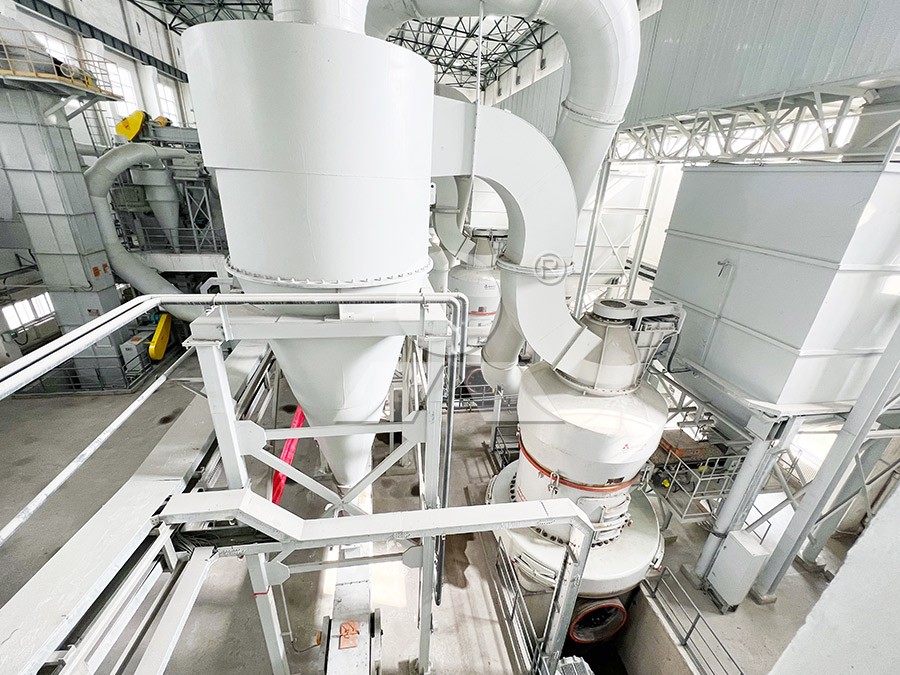
Similarly, for high-volume processing of non-metallic minerals, pulverized coal, and slag, the LM Vertical Grinding Mill represents a leap in integrated design. It combines crushing, drying, grinding, classifying, and conveying into a single unit, reducing the footprint by 50% and energy consumption by 30-40% compared to a ball mill system. Its negative-pressure, fully sealed operation guarantees no dust spillage. The material’s short residence time minimizes over-grinding and reduces iron contamination, ensuring product whiteness and purity—a critical factor in industries like ceramics and high-grade fillers.
Conclusion
The Raymond Mill 1510 stands as a testament to enduring engineering principles, offering a reliable and economical solution for fine powder production. Its simplicity and proven track record ensure its continued relevance. However, for projects demanding higher fineness, larger capacity, or specialized material handling, exploring advanced solutions like the MW Ultrafine Grinding Mill or the LM Vertical Grinding Mill can unlock significant gains in productivity, product quality, and operational sustainability. The choice ultimately depends on the specific material, desired fineness, production goals, and environmental considerations of the project.
Frequently Asked Questions (FAQ)
1. What is the main difference between a Raymond Mill and an Ultrafine Grinding Mill like the MW series?
The primary differences lie in fineness range and internal design. The traditional Raymond Mill is excellent for producing powders in the range of 80-325 mesh. The MW Ultrafine Grinding Mill is specifically designed to achieve much finer powders, from 325 to 2500 mesh (D97 ≤ 5μm). Mechanically, the MW series often features more advanced classifier technology and a grinding chamber design without internal bearings, reducing maintenance risks associated with fine powder ingress.
2. Can the Raymond Mill 1510 handle moist materials?
The standard Raymond Mill 1510 is designed for materials with humidity not exceeding 6%. For materials with higher moisture content, auxiliary drying equipment (like a hot air furnace) must be integrated into the system to dry the material during the grinding process, or a mill with integrated drying capabilities, such as the LM Vertical Grinding Mill, should be considered.
3. How is the fineness of the final product controlled in a Raymond Mill?
Fineness is primarily controlled by adjusting the speed of the classifier turbine. Increasing the speed allows only finer particles to pass, resulting in a finer product. Decreasing the speed permits coarser particles to pass, making the product more coarse. Additionally, the airflow rate and the grinding pressure between the rollers and the ring can be fine-tuned to influence the particle size distribution.
4. What are the key maintenance points for a Raymond Mill?
Regular maintenance should focus on wear parts: the grinding rollers, grinding ring, and shovel blades. These should be inspected periodically for wear and replaced as needed. The lubrication of central shaft bearings and other moving parts is critical. The dust collection system’s filters and bags must be checked and cleaned to maintain optimal airflow and collection efficiency.
5. Why choose a vertical mill like the LM series over a traditional Raymond Mill?
An LM Vertical Grinding Mill is chosen for larger capacity requirements (3-340 tph), higher energy efficiency, and integrated processing (drying & grinding). It occupies less space, has lower operating noise, and offers superior environmental control with its fully sealed negative-pressure system. It is particularly advantageous for large-scale production of cement raw meal, coal powder, and slag.
6. Is the grinding process in these mills environmentally friendly?
Modern mills, including updated Raymond systems and especially our MW and LM series, are designed with environmental protection as a priority. They are equipped with high-efficiency pulse jet bag dust collectors that capture over 99.9% of particulate matter, ensuring emissions are well within national standards. Soundproofing measures like mufflers and insulated rooms are also standard to control noise pollution.