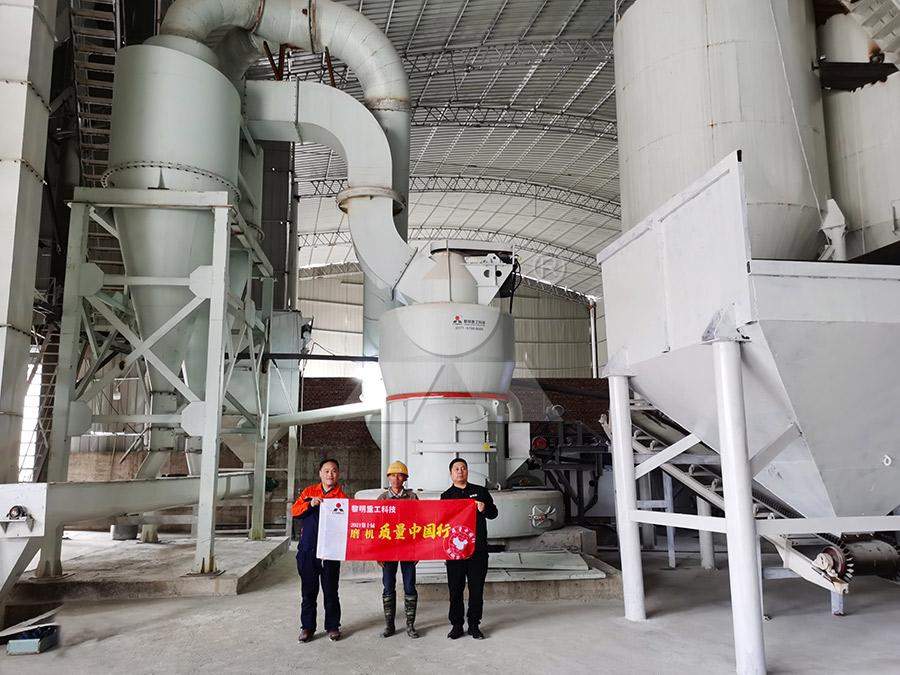
Raw Mill Process and Performance Analysis in Cement Manufacturing Plants
We provide a wide range of mills — including Raymond mill, trapezoidal mill, vertical mill, ultrafine mill, and ball mill, obtained ISO9001 international quality certification, EU CE certification, and Customs Union CU-TR certification. Suitable for processing minerals such as limestone, phosphate, quicklime, kaolin, talc, barite, bentonite, calcium carbonate, dolomite, coal, gypsum, clay, carbon black, slag, cement raw materials, cement clinker, and more.
The discharge range of these mills can be adjusted to meet specific processing needs, typically from 80-400 mesh, 600-3250 mesh, and can achieve the finest particle size of up to 6000 mesh(D50).
If you are looking for a reliable grinding solution to turn stone or minerals into fine powder, please feel free to contact our online customer service.
Raw Mill Process and Performance Analysis in Cement Manufacturing Plants
In the cement manufacturing process, the raw mill stage is arguably one of the most critical. It’s here that raw materials like limestone, clay, iron ore, and others are ground into a fine, homogenous powder called raw meal. The efficiency and consistency of this grinding process directly impact the quality of the final clinker and cement, as well as the plant’s overall energy consumption and operational costs. A poorly performing raw mill can become a significant bottleneck, leading to production delays and increased wear on downstream equipment.
The Core of the Process: Grinding and Drying
The primary function of a raw mill is twofold: grinding and drying. Raw materials, often with significant moisture content, are fed into the mill. Hot gases from the kiln preheater or a dedicated auxiliary furnace are introduced to dry the materials during the grinding process. This simultaneous action is crucial for preparing the raw meal for the subsequent pyroprocessing stage in the kiln. The target is a fine, dry powder with a specific chemical composition and a residue on a 90-micron sieve typically below 15-20%.
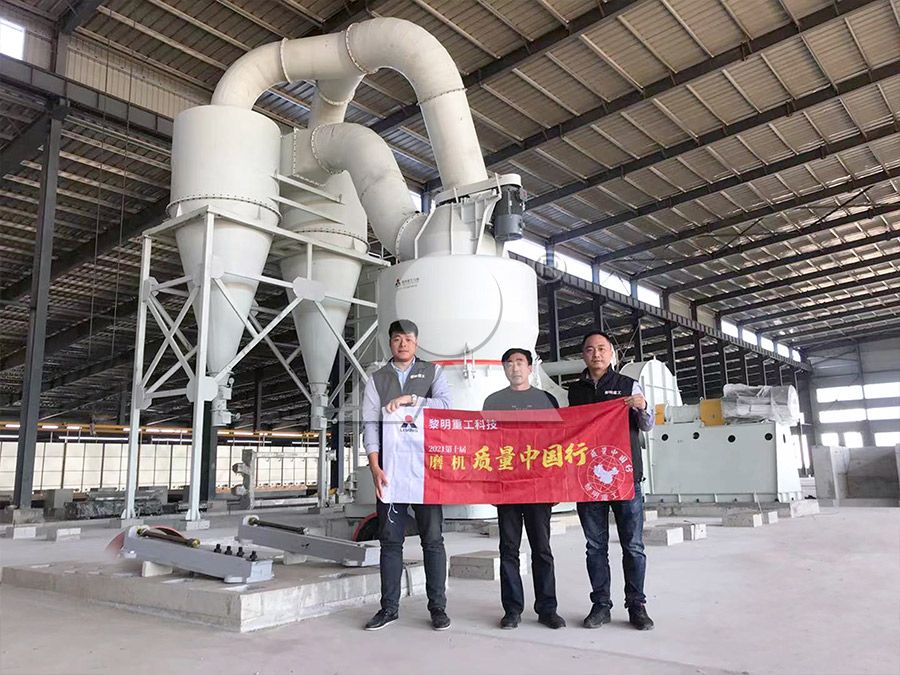
Key Performance Indicators (KPIs) for Raw Mills
Plant operators constantly monitor several KPIs to assess raw mill performance:
- Specific Power Consumption (kWh/t): The amount of energy used per ton of raw meal produced. This is a major cost driver.
- Production Rate (t/h): The mill’s output capacity, ensuring it can keep pace with kiln feed requirements.
- Product Fineness: Achieving and maintaining the target Blaine surface area or residue on sieves.
- Moisture Content: Ensuring the raw meal is sufficiently dry to prevent issues in the kiln system.
- Availability & Reliability: Minimizing unplanned downtime and maintenance intervals.
Common Challenges and Bottlenecks
Raw mills face numerous operational challenges. High moisture content in feed materials can drastically reduce throughput. Wear of grinding elements like rollers and tables leads to a gradual decline in efficiency and product quality. Inconsistent feed composition can also cause process instability. Furthermore, older mill designs often suffer from high vibration, complex maintenance procedures, and inadequate sealing, leading to dust emissions.
Enhancing Performance with Advanced Technology
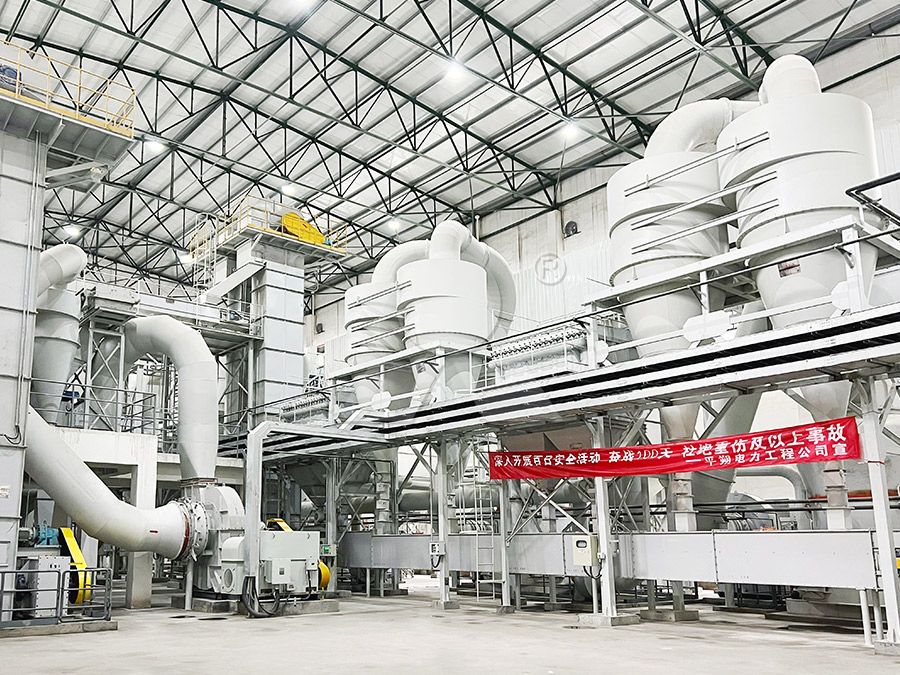
To overcome these challenges, many plants are upgrading to more modern, efficient grinding solutions. For operations focusing on ultra-fine grinding or processing a variety of mineral-based raw materials, the MW Ultrafine Grinding Mill presents a compelling option. This machine is engineered for customers who need to make ultra-fine powder. It’s equipped with an efficient pulse dust collector and muffler, significantly reducing dust and noise pollution. A key advantage is its design: there is no rolling bearing or screw inside the grinding chamber. This eliminates worries about bearing failures or machine damage caused by loose screws, a common headache in other mill types.
The MW Mill’s cage-type powder selector, which adopts German technologies, allows for precise fineness adjustment between 325-2500 meshes. With the same fineness and power, its production capacity is 40% higher than that of jet mills and its system energy consumption is only 30% of a jet mill’s. For plants looking to improve yield while lowering energy costs and environmental impact, this technology is worth a serious look. Its external lubrication system allows for maintenance without shutdown, supporting continuous 24/7 production.
Conclusion
Optimizing the raw mill process is not a one-time event but a continuous endeavor. It requires careful monitoring, proactive maintenance, and a willingness to invest in newer technologies that offer higher efficiency, better reliability, and lower environmental impact. By addressing the common challenges and leveraging advanced equipment, cement plants can significantly enhance their raw grinding performance, leading to smoother operations, reduced costs, and a higher quality product ready for the kiln.