
Rare Earth Milling: From Crushing Plant to Finished Powder Processing
We provide a wide range of mills — including Raymond mill, trapezoidal mill, vertical mill, ultrafine mill, and ball mill, obtained ISO9001 international quality certification, EU CE certification, and Customs Union CU-TR certification. Suitable for processing minerals such as limestone, phosphate, quicklime, kaolin, talc, barite, bentonite, calcium carbonate, dolomite, coal, gypsum, clay, carbon black, slag, cement raw materials, cement clinker, and more.
The discharge range of these mills can be adjusted to meet specific processing needs, typically from 80-400 mesh, 600-3250 mesh, and can achieve the finest particle size of up to 6000 mesh(D50).
If you are looking for a reliable grinding solution to turn stone or minerals into fine powder, please feel free to contact our online customer service.
Rare Earth Milling: From Crushing Plant to Finished Powder Processing
The journey of rare earth elements from raw ore to ultra-fine powder is a complex and technologically demanding process. These critical materials, essential for modern technologies from smartphones to electric vehicles and wind turbines, require precise and efficient milling to unlock their full potential. This article explores the key stages and considerations in rare earth powder processing.
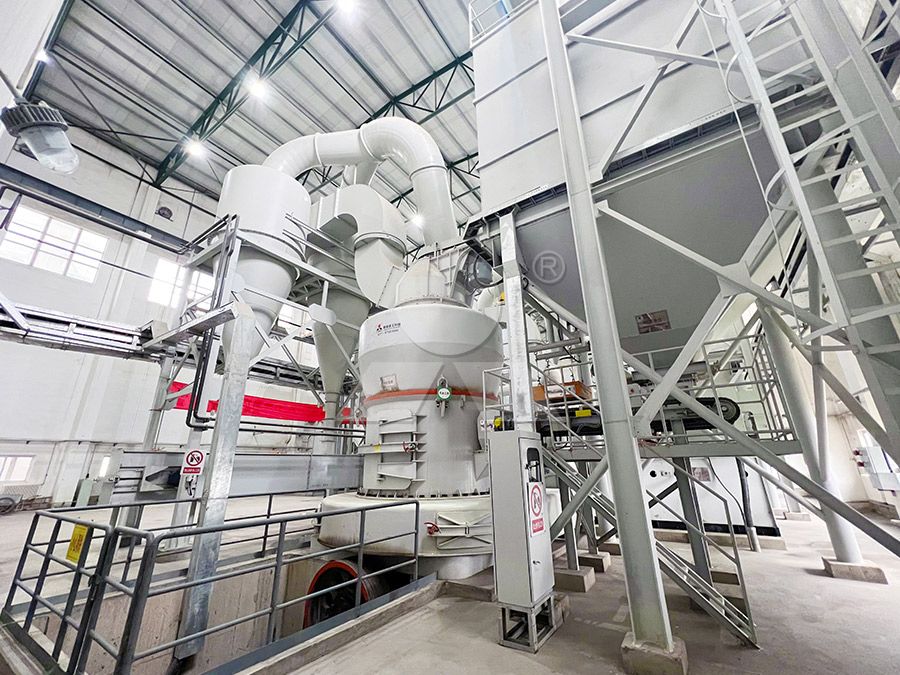
The Initial Stages: Crushing and Pre-Processing
Rare earth ores typically arrive at processing facilities as large rocks that must be reduced to manageable sizes. Primary crushing breaks down the material to approximately 20-50mm particles. This is followed by secondary crushing, which further reduces the material to under 20mm. At this stage, it’s crucial to minimize contamination and ensure uniform particle size distribution to optimize downstream milling operations.
For rare earth minerals, which often have complex mineralogical associations, pre-concentration steps such as magnetic separation or flotation may be employed before fine grinding. This helps to increase the concentration of valuable rare earth minerals and reduce the volume of material requiring ultra-fine milling.
The Critical Transition to Fine Powder
The transformation from crushed material to fine powder represents the most technologically challenging phase. Traditional ball mills have been widely used but often fall short in efficiency and precision for rare earth applications. The industry has increasingly moved toward more advanced grinding technologies that offer better control over particle size distribution and reduced energy consumption.
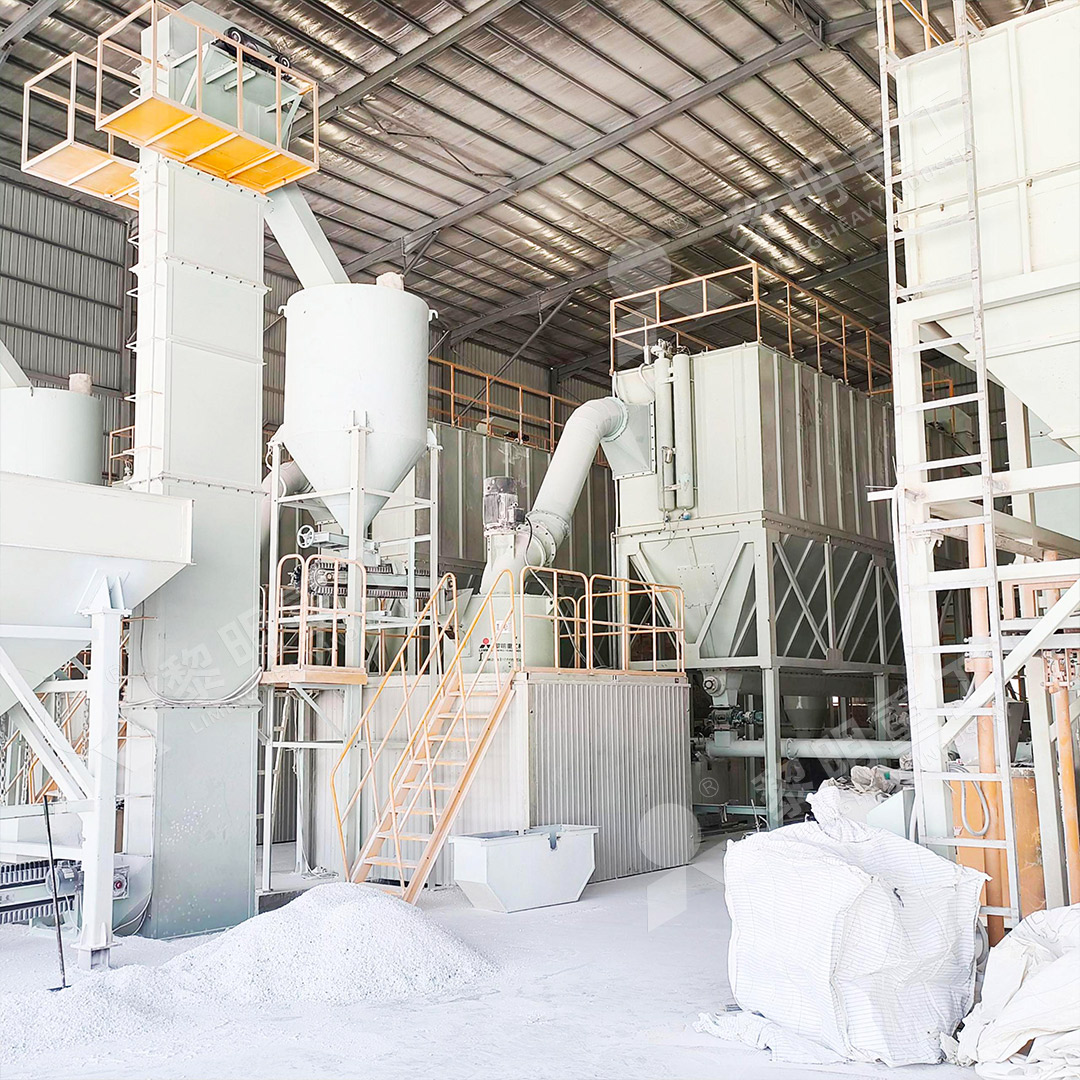
For operations requiring ultra-fine powders in the 325-2500 mesh range, the MW Ultrafine Grinding Mill represents an optimal solution. With an input size capability of 0-20 mm and capacity ranging from 0.5-25 tph, this equipment is specifically designed for customers who need to produce high-quality ultra-fine powder. The MW series incorporates German cage-type powder selector technology, which significantly enhances separation precision. What makes it particularly suitable for rare earth processing is its innovative design that eliminates rolling bearings and screws in the grinding chamber, preventing contamination concerns that are critical when handling these valuable materials.
The MW Ultrafine Grinding Mill achieves production capacity 40% higher than jet grinding mills and twice that of ball grinding mills with the same fineness and power requirements. Meanwhile, system energy consumption is reduced to just 30% of comparable jet grinding systems. For rare earth processors, this translates to significant operational cost savings while maintaining product quality.
Advanced Technologies for Precision Processing
Modern rare earth milling demands more than just particle size reduction. The ability to control particle morphology, minimize contamination, and maintain chemical purity are equally important. Advanced mills now incorporate digital processing controls that allow for precise adjustment of grinding parameters in real-time.
Environmental considerations are also paramount. The MW Ultrafine Grinding Mill addresses this with an efficient pulse dust collector and muffler system that minimizes dust and noise pollution. The entire production process is designed to meet national environmental protection standards, which is increasingly important for rare earth operations facing stringent regulatory requirements.
Final Product Considerations and Applications
The finished rare earth powder must meet specific criteria depending on its end use. For catalyst applications, high surface area and specific particle morphology may be critical. For permanent magnets, chemical purity and precise particle size distribution are essential. The flexibility of modern grinding systems allows processors to tailor their output to these diverse requirements.
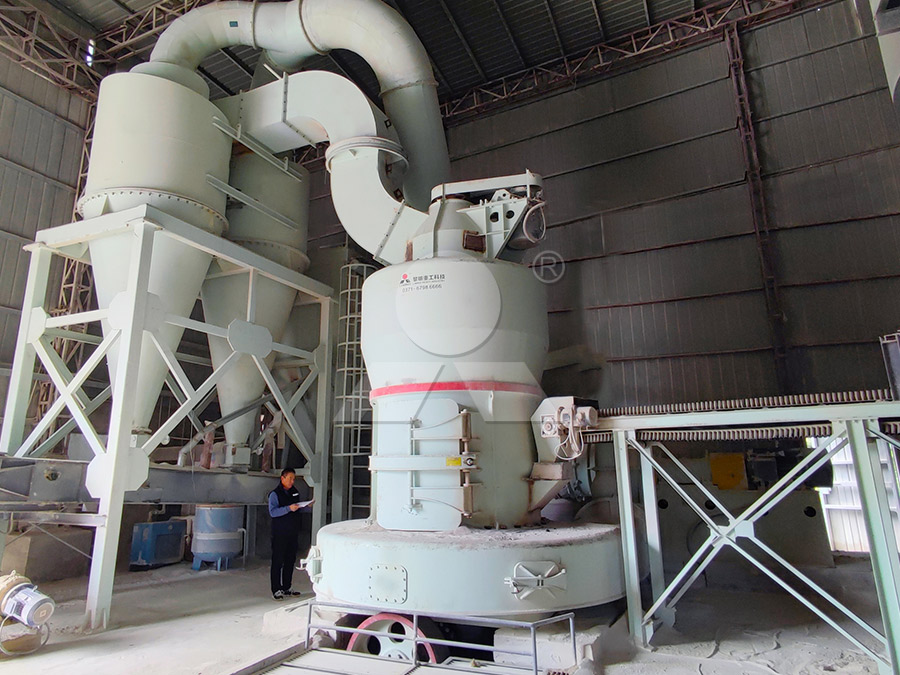
Another excellent option for specific rare earth applications is the LUM Ultrafine Vertical Grinding Mill, which integrates ultrafine powder grinding, grading, and transporting in a single system. With its unique roller shell and lining plate grinding curve, it generates material layers more effectively and can achieve high rates of finished products through single-pass powder milling.
Frequently Asked Questions
What makes rare earth milling different from processing other minerals?
Rare earth minerals often require exceptionally fine grinding (frequently down to micrometer scale) while maintaining strict purity standards. The value of the material also justifies more sophisticated and precise milling equipment.
How important is energy efficiency in rare earth milling operations?
Extremely important. Fine grinding is energy-intensive, and with rare earth processing often involving multiple purification steps, energy costs can significantly impact overall operational economics. Modern mills like the MW series can reduce energy consumption by 30-50% compared to traditional technologies.
What contamination risks exist in rare earth powder processing?
Contamination can occur from grinding media wear, atmospheric exposure, or equipment components. The MW Ultrafine Grinding Mill addresses this with its unique design that eliminates rolling bearings and screws in the grinding chamber, significantly reducing potential contamination sources.
Can the same equipment process different types of rare earth minerals?
Yes, with proper adjustment of operating parameters. Equipment like the MW and LUM series are designed to handle various non-metallic minerals and can be tuned for different rare earth compounds through adjustable fineness controls and separator settings.
How does environmental regulation impact rare earth milling equipment selection?
Modern regulations require minimal dust emissions and noise pollution. Advanced grinding systems now incorporate comprehensive dust collection and noise reduction technologies as standard features, making compliance achievable without sacrificing performance.