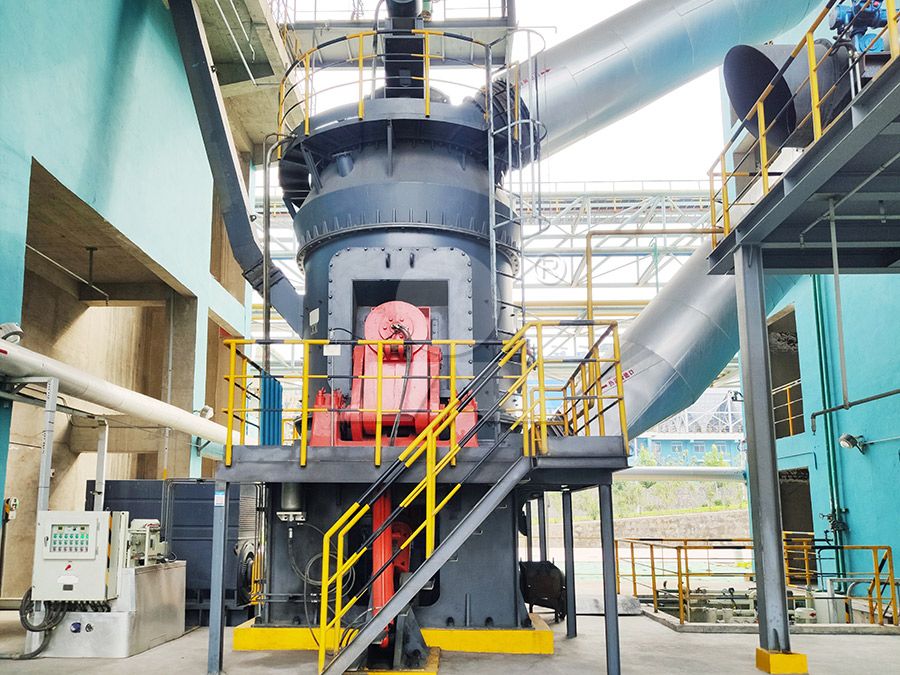
Rare and Precious Metal Waste Slag Grinding Equipment: Vertical Mill Manufacturers
We provide a wide range of mills — including Raymond mill, trapezoidal mill, vertical mill, ultrafine mill, and ball mill, obtained ISO9001 international quality certification, EU CE certification, and Customs Union CU-TR certification. Suitable for processing minerals such as limestone, phosphate, quicklime, kaolin, talc, barite, bentonite, calcium carbonate, dolomite, coal, gypsum, clay, carbon black, slag, cement raw materials, cement clinker, and more.
The discharge range of these mills can be adjusted to meet specific processing needs, typically from 80-400 mesh, 600-3250 mesh, and can achieve the finest particle size of up to 6000 mesh(D50).
If you are looking for a reliable grinding solution to turn stone or minerals into fine powder, please feel free to contact our online customer service.
Rare and Precious Metal Waste Slag Grinding Equipment: Vertical Mill Manufacturers
In the specialized field of processing rare and precious metal waste slag, selecting the right grinding equipment is paramount. These materials often require ultra-fine grinding to liberate and recover valuable elements, all while maintaining operational efficiency and environmental compliance. Vertical mills have emerged as a superior solution for these demanding applications, offering significant advantages over traditional ball mills or Raymond mills.
Vertical grinding mills integrate crushing, drying, grinding, classifying, and conveying into a single, compact unit. This integrated approach drastically reduces the overall footprint of the grinding plant, a crucial factor for many mining and recycling operations. More importantly, their design leads to lower energy consumption—often 30% to 40% less than ball milling systems. For abrasive materials like metal slags, features like external lubrication systems and the absence of rolling bearings and screws in the grinding chamber are critical, minimizing maintenance downtime and wear-related contamination.
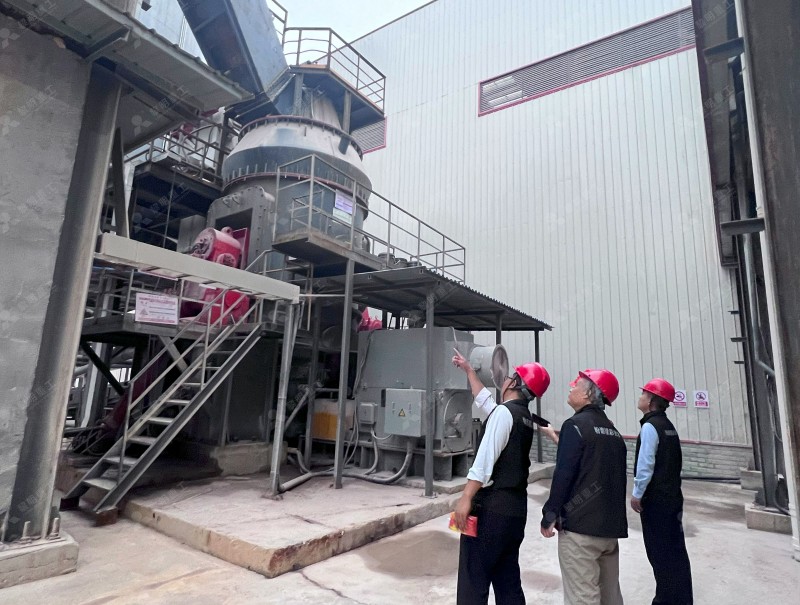
The ability to produce a consistent, ultra-fine powder is another key benefit. Advanced powder separators allow for precise control over the final product fineness, which is essential for maximizing metal recovery rates in subsequent processing steps. Furthermore, modern vertical mills are designed with robust environmental controls. Efficient pulse dust collectors and silencers ensure that the entire milling process meets strict environmental standards, containing dust and reducing noise pollution.
Recommended Equipment for Metal Slag Processing
Based on the specific requirements of grinding rare and precious metal slags, two of our vertical mills stand out for their performance and reliability.
MW Ultrafine Grinding Mill: This machine is expertly designed for customers who need to make ultra-fine powder from challenging materials. With an input size of 0-20 mm and a capacity range of 0.5-25 tph, it’s perfectly suited for secondary grinding of metal slags. Its cage-type powder selector, incorporating German technology, allows for adjustable fineness between 325-2500 meshes, ensuring the precise particle size needed for optimal metal liberation. A significant advantage for continuous operation is its design with no rolling bearings or screws in the grinding chamber, eliminating common failure points and preventing machine damage from loose parts. Coupled with an efficient pulse dust collector, the MW Ultrafine Grinding Mill operates cleanly and efficiently, making it an excellent eco-friendly choice for precious metal recovery operations.
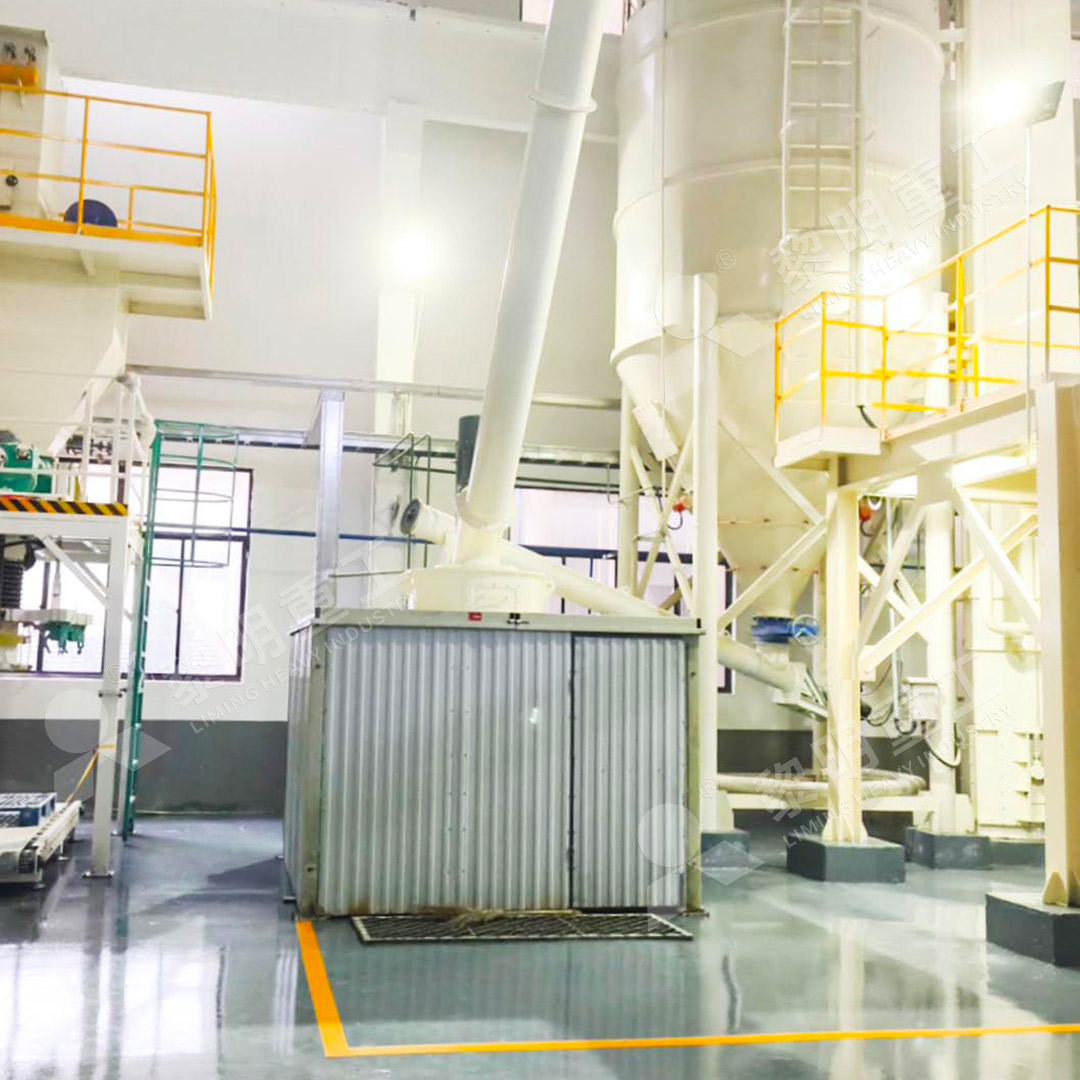
LUM Ultrafine Vertical Grinding Mill: For operations seeking the latest in grinding technology, the LUM Ultrafine Vertical Grinding Mill is a top-tier choice. It combines advanced Taiwanese grinding roller technology and German powder separating technology. Its unique roller shell and lining plate grinding curve are designed to generate a stable material layer, promoting efficient grinding and a high rate of finished product in a single pass. This is crucial for maintaining the whiteness and cleanliness of the final powder, reducing iron contamination. A standout feature is its reversible structure, which allows heavy grinding rollers to be easily moved out of the mill body for maintenance, drastically reducing the time and cost associated with checking and replacing wear parts.
Conclusion
Investing in the right grinding technology is a critical decision for any operation focused on rare and precious metal waste slag. Vertical mills, particularly advanced models like the MW and LUM series, provide the necessary combination of fine grinding capability, energy efficiency, operational stability, and environmental protection. By focusing on equipment designed for low maintenance and high precision, operators can significantly improve their recovery yields and overall profitability.