
Railway Ballast Stone Grinding Mill Machine Process Technology
We provide a wide range of mills — including Raymond mill, trapezoidal mill, vertical mill, ultrafine mill, and ball mill, obtained ISO9001 international quality certification, EU CE certification, and Customs Union CU-TR certification. Suitable for processing minerals such as limestone, phosphate, quicklime, kaolin, talc, barite, bentonite, calcium carbonate, dolomite, coal, gypsum, clay, carbon black, slag, cement raw materials, cement clinker, and more.
The discharge range of these mills can be adjusted to meet specific processing needs, typically from 80-400 mesh, 600-3250 mesh, and can achieve the finest particle size of up to 6000 mesh(D50).
If you are looking for a reliable grinding solution to turn stone or minerals into fine powder, please feel free to contact our online customer service.
Railway Ballast Stone Grinding Mill Machine Process Technology
The production of railway ballast stone requires precise grinding technology to achieve the specific particle size distribution and shape characteristics necessary for optimal track performance. Proper ballast stones must be angular, clean, and durable to provide adequate drainage and stability for railway tracks. The grinding process plays a crucial role in meeting these specifications while maintaining operational efficiency.
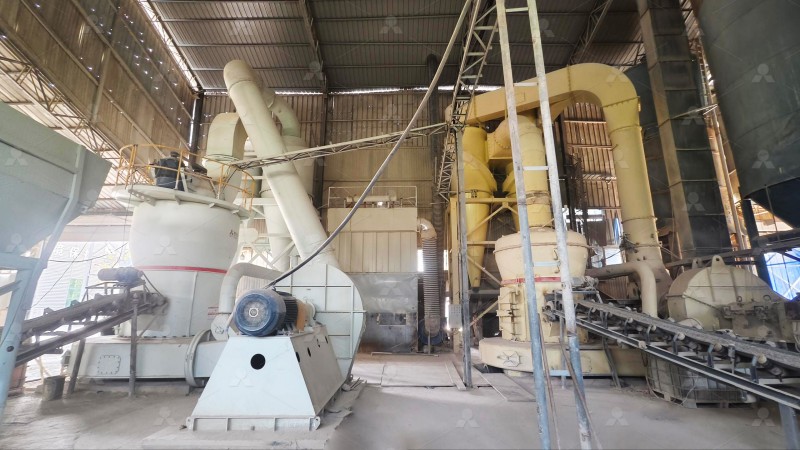
Modern ballast stone processing has evolved significantly from traditional crushing methods to sophisticated grinding systems that offer superior control over particle morphology. The grinding technology must balance production capacity with precise particle shaping to create interlocking stones that resist displacement under train loads while allowing for proper water drainage.
Key Considerations in Ballast Stone Grinding
When selecting grinding equipment for railway ballast production, several factors must be considered. The abrasiveness of the source rock significantly impacts wear part longevity and maintenance schedules. Hardness variations in the raw material require equipment capable of handling fluctuations without compromising output quality. Additionally, the final product must meet strict gradation specifications, typically ranging from 1″ to 2.5″ (25mm to 63mm) with limited fines content.
Environmental considerations have become increasingly important in ballast production. Dust suppression and noise control are critical factors in modern grinding operations, particularly for facilities located near residential areas. Advanced grinding systems now incorporate comprehensive dust collection and noise reduction technologies to minimize environmental impact.
Advanced Grinding Solutions for Ballast Production
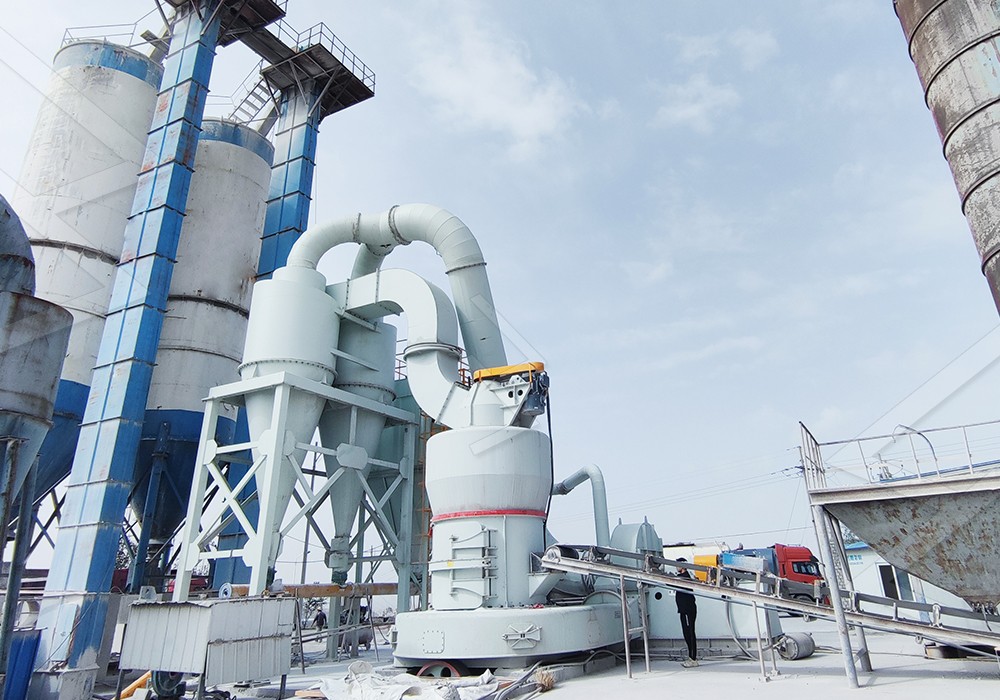
For operations requiring ultra-fine powder production alongside ballast stone processing, the MW Ultrafine Grinding Mill represents a technological advancement worth considering. This equipment processes materials with input sizes of 0-20 mm and capacities ranging from 0.5-25 tph, making it suitable for various production requirements. The MW series incorporates efficient pulse dust collection and muffler systems that effectively reduce environmental impact during operation.
What sets the MW Ultrafine Grinding Mill apart is its innovative design that eliminates rolling bearings and screws within the grinding chamber. This engineering decision prevents common failure points and eliminates machine damage caused by loose fasteners. The external lubrication system allows for maintenance without production stoppages, supporting continuous 24-hour operation that is often necessary in high-volume ballast production facilities.
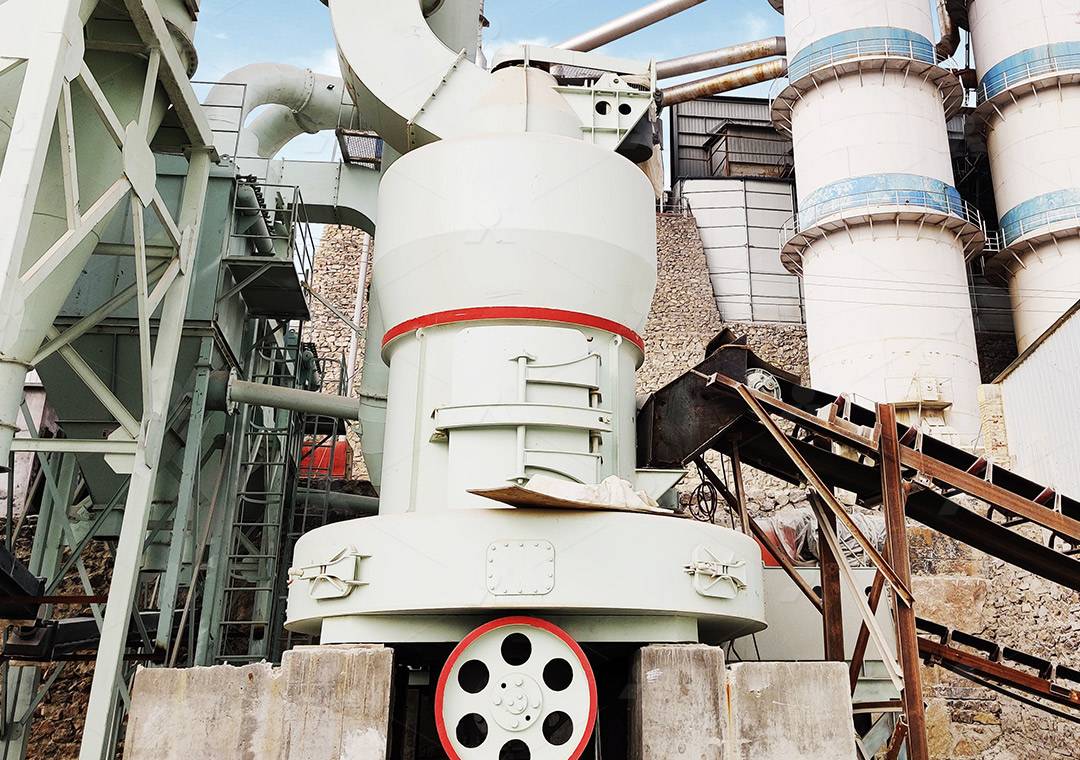
Another excellent option for ballast processing operations is the LUM Ultrafine Vertical Grinding Mill, which handles input sizes of 0-10 mm with capacities between 5-18 tph. This mill integrates German powder separating technology with advanced roller systems that generate material layers more effectively, resulting in higher finished product rates from single-pass processing. The reversible structure design simplifies maintenance procedures, reducing downtime during wear part replacement.
Operational Efficiency and Maintenance Advantages
Modern grinding mills for ballast stone production prioritize operational simplicity alongside technical sophistication. Features like external lubrication systems, reversible grinding components, and automated control systems reduce the skill level required for routine operation while maintaining precise control over product specifications.
The digital processing employed in advanced mills ensures high machining precision, particularly for core components that experience the most wear. This precision manufacturing extends component life and maintains grinding efficiency throughout the equipment’s operational lifespan. Combined with comprehensive spare parts support, these features minimize unexpected downtime that can disrupt ballast supply chains.
FAQ
What particle size distribution is ideal for railway ballast?
Railway ballast typically requires stones between 1″ to 2.5″ (25mm to 63mm) with limited fines content (usually less than 1% passing the #200 sieve). The specific gradation depends on railway specifications and subgrade conditions.
How does grinding technology affect ballast stone shape?
Advanced grinding systems produce more angular particles with rough surfaces that interlock effectively. This improves track stability compared to rounded stones from simple crushing processes.
What maintenance considerations are important for ballast grinding equipment?
Regular inspection of wear parts, proper lubrication, and monitoring of grinding pressure are essential. Equipment with external lubrication systems and reversible components significantly reduces maintenance time and complexity.
Can the same equipment process different types of rock for ballast?
Yes, modern grinding mills can typically handle various rock types, but adjustments to grinding pressure and speed may be necessary when switching between materials with different hardness and abrasiveness characteristics.
How important is dust control in ballast grinding operations?
Extremely important, both for environmental compliance and worker safety. Modern mills incorporate pulse dust collectors that effectively contain particulate matter during operation.