
Quartz Stone Grinding Dust Hazards and Comprehensive Safety Measures
We provide a wide range of mills — including Raymond mill, trapezoidal mill, vertical mill, ultrafine mill, and ball mill, obtained ISO9001 international quality certification, EU CE certification, and Customs Union CU-TR certification. Suitable for processing minerals such as limestone, phosphate, quicklime, kaolin, talc, barite, bentonite, calcium carbonate, dolomite, coal, gypsum, clay, carbon black, slag, cement raw materials, cement clinker, and more.
The discharge range of these mills can be adjusted to meet specific processing needs, typically from 80-400 mesh, 600-3250 mesh, and can achieve the finest particle size of up to 6000 mesh(D50).
If you are looking for a reliable grinding solution to turn stone or minerals into fine powder, please feel free to contact our online customer service.
Quartz Stone Grinding Dust Hazards and Comprehensive Safety Measures
Quartz stone, prized for its durability and aesthetic appeal, is a cornerstone material in construction and manufacturing. However, the processes involved in cutting, shaping, and finishing it—particularly grinding—generate significant amounts of respirable crystalline silica (RCS) dust. This dust poses severe, well-documented health risks that cannot be ignored in any professional setting. This article delves into the specific hazards of quartz grinding dust and outlines a multi-layered approach to safety, emphasizing engineering controls as the most critical line of defense.
The Invisible Threat: Understanding Respirable Crystalline Silica
When quartz stone is ground, the mechanical action fractures the material, creating dust particles small enough to be inhaled deep into the lungs. These particles, known as respirable crystalline silica, are biologically active and can cause irreversible damage. Prolonged or high-level exposure is directly linked to silicosis, a debilitating and often fatal lung disease characterized by scarring and inflammation. Beyond silicosis, the International Agency for Research on Cancer (IARC) classifies crystalline silica as a Group 1 carcinogen, meaning it is conclusively linked to lung cancer. Other associated health issues include chronic obstructive pulmonary disease (COPD), kidney disease, and autoimmune disorders. The latency period for these diseases means symptoms may not appear for years after exposure, making preventative measures today essential for worker health tomorrow.
Beyond PPE: A Hierarchy of Safety Controls
While personal protective equipment (PPE) like NIOSH-approved N95 respirators or powered air-purifying respirators (PAPRs) are vital, they represent the last line of defense. A robust safety strategy must prioritize measures that eliminate or reduce the hazard at its source. The hierarchy of controls is the established framework:
- Elimination/Substitution: Using alternative, less hazardous materials where possible.
- Engineering Controls: Implementing physical changes to the workplace or equipment to isolate workers from the hazard. This is the most effective and reliable method for dust control.
- Administrative Controls: Changing work practices and policies, such as job rotation and strict housekeeping protocols.
- Personal Protective Equipment (PPE): Providing respirators and protective clothing.
The Cornerstone of Safety: Advanced Engineering Controls in Grinding Equipment
The most significant reduction in airborne silica dust is achieved through integrated engineering controls within the grinding machinery itself. Modern, professionally designed mills incorporate closed-loop systems, high-efficiency filtration, and automated processes that dramatically suppress dust generation at the point of origin.
For operations requiring ultra-fine quartz powder, selecting the right equipment is paramount. The MW Ultrafine Grinding Mill is engineered with this exact challenge in mind. It is not merely a grinder but a complete, environmentally conscious system. A key feature is its integrated, high-efficiency pulse jet dust collector, which actively captures dust within the closed milling circuit, preventing any escape into the workspace. With an input size of 0-20 mm and a capacity ranging from 0.5 to 25 tph, it handles quartz efficiently while its design prioritizes operator safety. The mill’s construction, featuring no rolling bearings or screws in the grinding chamber, minimizes maintenance points where dust could leak, and its external lubrication system allows for servicing without shutdown, maintaining continuous dust containment.
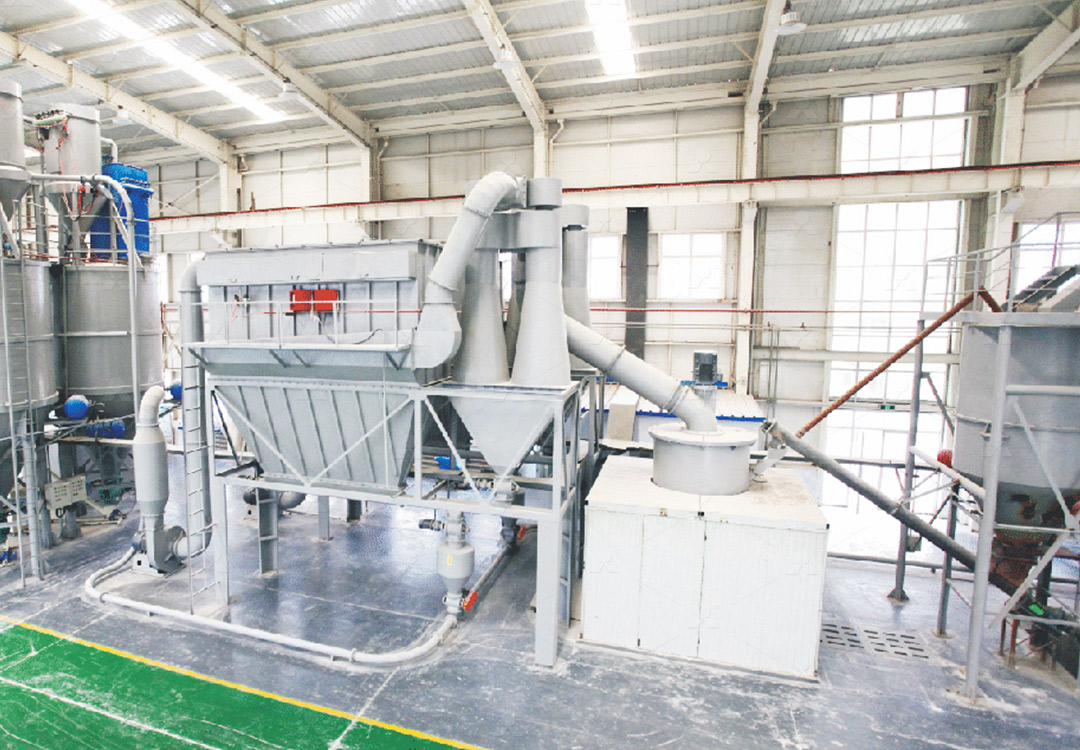
For high-volume processing where vertical integration is key, the LM Vertical Grinding Mill offers another excellent solution. It integrates crushing, drying, grinding, and classifying in a single, compact unit that operates under negative pressure. This negative pressure environment is crucial—it ensures that any potential leak draws air *into* the machine, not out. Combined with its dedicated bag filter dust collection system, it achieves emission levels that meet stringent international environmental standards, effectively protecting the broader plant environment from contamination.
Complementary Safety Measures for a Holistic Program
Even with superior equipment, a comprehensive safety program is essential:
- Wet Methods: Using water to suppress dust at the point of generation (e.g., during hand grinding or cutting) is highly effective, though not always suitable for final milling stages where dry powder is required.
- Ventilation: Supplementing machine-level controls with local exhaust ventilation (LEV) systems at fixed workstations captures any fugitive dust.
- Rigorous Housekeeping: Using HEPA-filtered vacuum systems for cleaning. Dry sweeping or using compressed air is strictly prohibited as it re-entrains settled dust into the air.
- Training & Monitoring: Workers must be thoroughly trained on silica hazards, the operation of engineering controls, and the proper use of PPE. Regular air monitoring is required to assess exposure levels and the effectiveness of controls.
Conclusion: An Investment in Health and Productivity
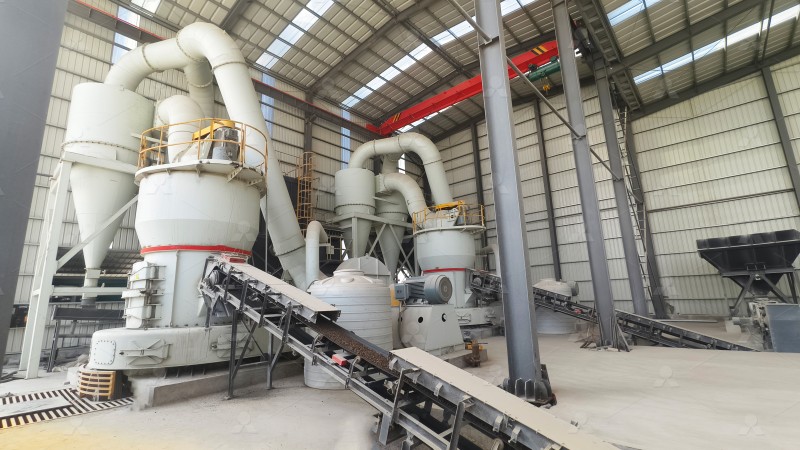
Managing quartz grinding dust is a non-negotiable aspect of responsible operations. Viewing advanced grinding systems like the MW Ultrafine Grinding Mill or the LM Vertical Grinding Mill merely as production tools is a missed perspective. They are, first and foremost, foundational engineering controls that actively create a safer workplace. By investing in such technology, companies not only comply with regulations and protect their most valuable asset—their employees—but also benefit from cleaner operations, higher product purity, reduced waste, and long-term operational reliability. Safety and efficiency, when engineered together from the ground up, drive sustainable productivity.
Frequently Asked Questions (FAQs)
- What is the primary health risk associated with quartz grinding dust?
The primary risk is inhalation of respirable crystalline silica (RCS), which can cause silicosis (a serious lung disease), lung cancer, chronic obstructive pulmonary disease (COPD), and kidney disease. - Is a standard dust mask sufficient protection against silica dust?
No. For silica dust, you must use a respirator approved for particulate hazards, such as a NIOSH-approved N95 respirator (for lesser exposures) or a more protective half/full-facepiece respirator with P100 filters. The selection depends on the exposure level measured in your workplace. - Why are engineering controls like integrated dust collectors preferred over just using respirators?
Engineering controls eliminate or reduce the hazard at the source, protecting all workers in the area consistently. Respirators (PPE) rely on proper fit, use, and maintenance by each individual worker and are considered the last line of defense. - Can I use water to control dust when grinding quartz?
Yes, wet suppression is an excellent and highly recommended control method for many grinding and cutting tasks, as it prevents dust from becoming airborne. However, for final dry milling processes to produce fine powder, integrated mechanical dust collection within the mill system is necessary. - How does the MW Ultrafine Grinding Mill’s design contribute to dust safety?
It is designed as a closed system with an efficient pulse jet dust collector that captures dust internally. Its sealed grinding chamber and external lubrication points prevent dust leakage, making the entire production process cleaner and safer by design. - What is “negative pressure” operation, and why is it important for dust control?
Negative pressure means the air pressure inside the milling system is lower than the surrounding workshop air. If a small leak occurs, outside air is drawn *into* the machine, preventing contaminated air and dust from escaping into the worker’s breathing zone. - What is the most unsafe method for cleaning up settled silica dust?
Dry sweeping or using compressed air blowers are extremely hazardous. These methods violently disturb the settled dust, creating a dense, inhalable cloud. Settled dust must be cleaned using a HEPA-filtered vacuum or carefully wet-wiped.