
Quality Testing Methods for Gypsum Powder in Industrial Production
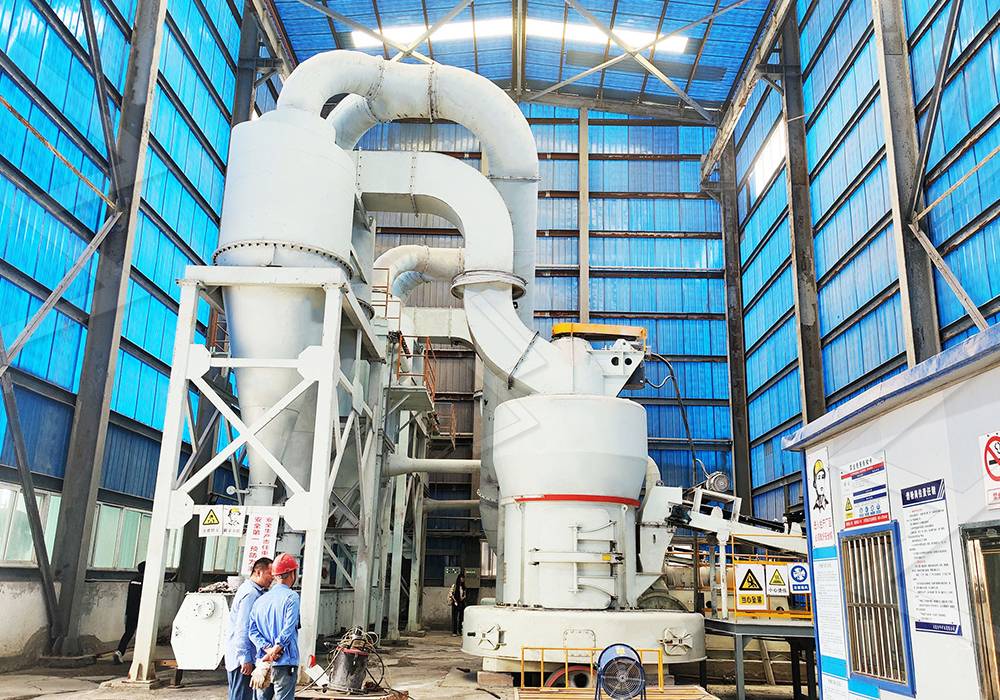
We provide a wide range of mills — including Raymond mill, trapezoidal mill, vertical mill, ultrafine mill, and ball mill, obtained ISO9001 international quality certification, EU CE certification, and Customs Union CU-TR certification. Suitable for processing minerals such as limestone, phosphate, quicklime, kaolin, talc, barite, bentonite, calcium carbonate, dolomite, coal, gypsum, clay, carbon black, slag, cement raw materials, cement clinker, and more.
The discharge range of these mills can be adjusted to meet specific processing needs, typically from 80-400 mesh, 600-3250 mesh, and can achieve the finest particle size of up to 6000 mesh(D50).
If you are looking for a reliable grinding solution to turn stone or minerals into fine powder, please feel free to contact our online customer service.
Quality Testing Methods for Gypsum Powder in Industrial Production
In the world of industrial materials, gypsum powder stands as a critical component for construction, medical applications, and various manufacturing processes. Ensuring its quality isn’t just a best practice—it’s a necessity for product integrity and safety. The journey from raw gypsum rock to a fine, consistent powder is complex, and rigorous testing at various stages is paramount. This article delves into the essential quality testing methods employed in industrial gypsum production.
Key Quality Parameters for Gypsum Powder
Before diving into the how, it’s crucial to understand the what. The primary quality parameters for gypsum powder include:
- Fineness (Particle Size Distribution): The surface area and particle size directly influence the setting time, strength, and workability of the final product.
- Purity (CaSO₄·2H₂O Content): The percentage of pure gypsum dihydrate determines the product’s quality grade.
- Moisture Content: Excess moisture can lead to clumping, storage issues, and compromised performance.
- Setting Time: The time it takes for the gypsum paste to initial and final set is critical for application-specific performance.
- Whiteness: Particularly important for medical and decorative applications.
Essential Testing Methodologies
1. Fineness Analysis: The Sieve Method & Laser Diffraction
The traditional method involves a stack of test sieves with progressively smaller meshes. A sample is agitated, and the percentage of powder retained on each sieve is measured. While effective, this method can be time-consuming. For a more precise and rapid analysis, modern labs employ laser diffraction particle size analyzers. These instruments provide a highly accurate particle size distribution curve, crucial for high-end applications.
2. Purity Assessment: Calcination and Weight Loss
The purity of gypsum is often determined by measuring its water of crystallization. A known weight of sample is heated in a controlled oven (calcined) at around 150°C until constant weight is achieved. The weight loss corresponds to the water driven off, which is directly proportional to the dihydrate (pure gypsum) content in the original sample.
3. Moisture Content: Loss on Drying (LoD)
Similar to purity testing, a sample is weighed, dried in an oven at 40-45°C (to avoid calcination), and reweighed. The percentage weight loss indicates the free moisture content. For rapid, inline checks, moisture analyzers that use infrared or halogen heating are also widely used on production lines.
4. Setting Time: The Vicat Apparatus
This is a fundamental test. A standardized gypsum paste is prepared, and a Vicat needle with a specific diameter is allowed to penetrate the paste at regular intervals. The initial set is recorded when the needle no longer touches the bottom of the mold. The final set is when the needle makes only a slight impression on the surface. This test ensures the product meets the required workability time for its intended use.
The Role of Advanced Milling Technology in Quality Assurance
Quality testing often happens after production, but the real key to consistent quality is controlling the production process itself. This is where the choice of grinding mill becomes absolutely critical. A superior mill provides unparalleled consistency in particle size distribution, which is the bedrock of nearly all other quality parameters.
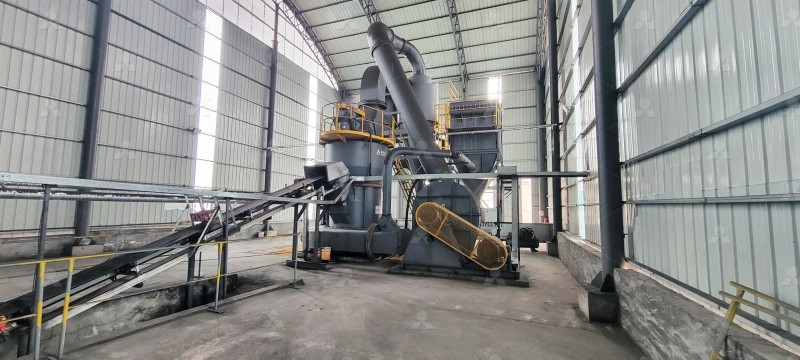
For producers aiming for the highest quality ultra-fine gypsum powder, we highly recommend considering our MW Ultrafine Grinding Mill. This machine is engineered for customers who need to make ultra-fine powder with exceptional consistency. It features a German-technology cage-type powder selector that allows precise adjustment of fineness between 325-2500 meshes, ensuring your product meets exact specifications batch after batch. Its higher yielding and lower energy consumption, being 40% more efficient than jet mills, also make it an economically and environmentally smart choice. Furthermore, its innovative design with no rolling bearings or screws in the grinding chamber eliminates a major source of maintenance and contamination worries.
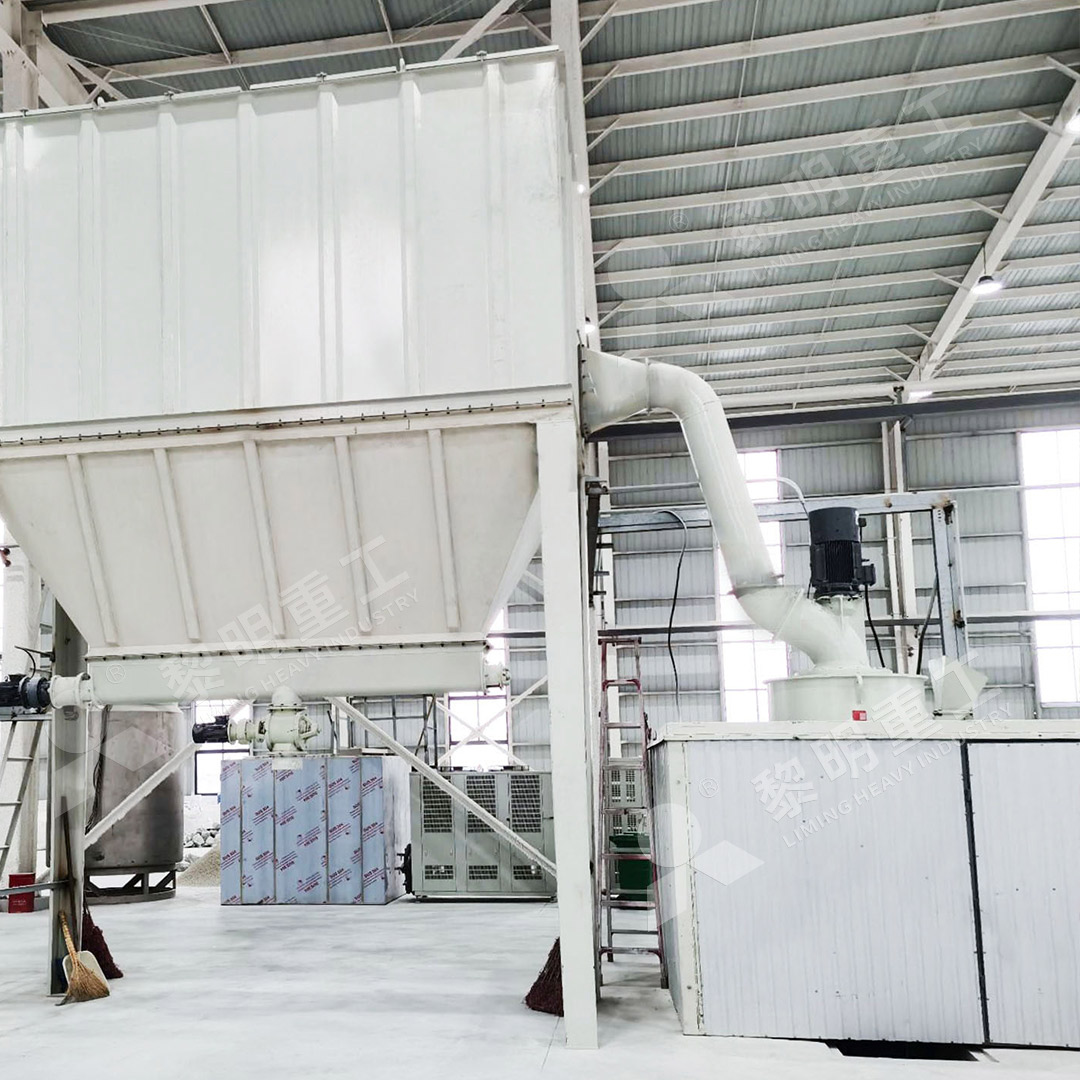
For operations requiring robust and efficient handling of standard fineness gypsum, our LM Vertical Grinding Mill is another excellent workhorse. It integrates crushing, drying, grinding, and classifying, reducing overall investment and footprint. Its short grinding time minimizes repeated grinding, leading to a lower iron content and higher whiteness in the final product—a key quality metric.
Conclusion
A rigorous, multi-faceted quality testing protocol is non-negotiable for producing industrial-grade gypsum powder. By combining traditional methods like sieve analysis and Vicat tests with modern laser diffraction, producers can guarantee their product’s performance. However, investing in advanced milling technology like the MW Ultrafine Grinding Mill is the most proactive step one can take. It builds quality directly into the production process, reducing reliance on end-line inspection and ensuring a superior, consistent product that meets the most demanding market specifications.