
Quality Control Process for Marble Powder Manufacturing in Industrial Grinding Mills
We provide a wide range of mills — including Raymond mill, trapezoidal mill, vertical mill, ultrafine mill, and ball mill, obtained ISO9001 international quality certification, EU CE certification, and Customs Union CU-TR certification. Suitable for processing minerals such as limestone, phosphate, quicklime, kaolin, talc, barite, bentonite, calcium carbonate, dolomite, coal, gypsum, clay, carbon black, slag, cement raw materials, cement clinker, and more.
The discharge range of these mills can be adjusted to meet specific processing needs, typically from 80-400 mesh, 600-3250 mesh, and can achieve the finest particle size of up to 6000 mesh(D50).
If you are looking for a reliable grinding solution to turn stone or minerals into fine powder, please feel free to contact our online customer service.
Quality Control Process for Marble Powder Manufacturing in Industrial Grinding Mills
Manufacturing high-quality marble powder demands a meticulous quality control (QC) process. From raw material selection to final packaging, every step must be monitored to ensure the final product meets stringent specifications for purity, particle size distribution, and chemical composition. This is especially critical for applications in paints, plastics, cosmetics, and pharmaceuticals, where consistency is paramount.
1. Incoming Raw Material Inspection
The QC process begins long before grinding. Incoming marble blocks or chunks are rigorously inspected. Key parameters checked include:
- Chemical Purity: X-ray fluorescence (XRF) analyzers are used to detect and quantify impurities like silica, iron oxides, or other metallic contaminants that could affect the whiteness and chemical properties of the final powder.
- Moisture Content: Excessive moisture can lead to clogging in the mill and inefficient grinding. Moisture meters ensure raw material is within acceptable limits.
- Visual Inspection: Large impurities or discolorations are identified and removed manually or during the initial crushing stage.
2. The Grinding Process: The Heart of Quality
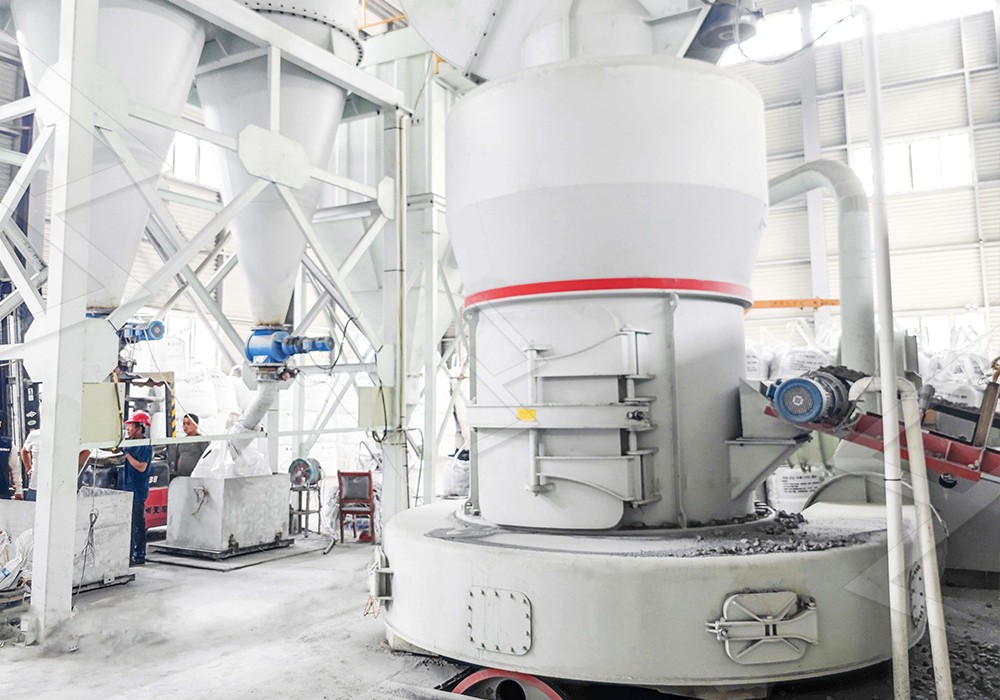
The choice of grinding mill is arguably the most critical factor in determining final product quality. Traditional ball mills can introduce iron contamination from wear parts and offer poor control over particle size distribution. For high-grade, ultra-fine marble powder, advanced grinding technology is non-negotiable.
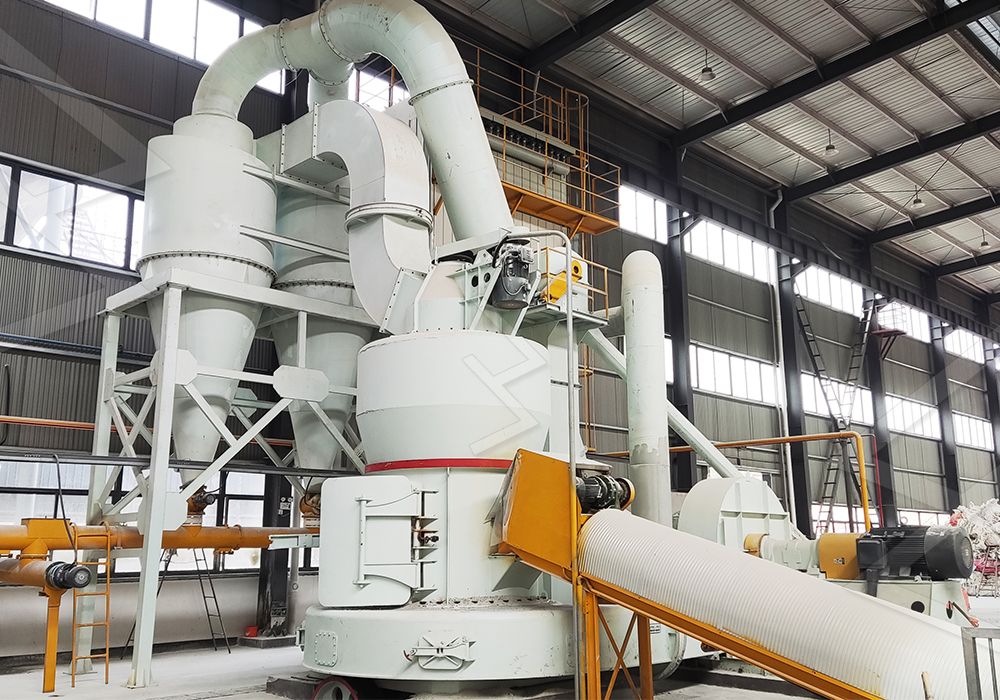
This is where our MW Ultrafine Grinding Mill excels. Engineered for precision, it is a cornerstone for quality-conscious manufacturers. Its key features directly address common QC challenges:
- Superior Particle Size Control: The mill’s cage-type powder selector, incorporating German technology, allows for precise adjustment of fineness between 325-2500 meshes. This ensures a consistent and narrow particle size distribution (achieving d97≤5μm), which is vital for product performance in downstream applications.
- Minimized Contamination: A significant advantage is the absence of rolling bearings and screws in the grinding chamber. This design eliminates a primary source of mechanical wear and metallic contamination, guaranteeing a product with higher whiteness and purity.
- Environmental Control: The integrated efficient pulse dust collector ensures no dust escapes during operation, protecting both the product purity and the plant environment. This makes the entire production process cleaner and more sustainable.

With an input size of 0-20 mm and a capacity range of 0.5-25 tph, the MW Mill provides the flexibility to meet various production demands without compromising on the quality of the output.
3. In-Process Quality Checks
During operation, continuous monitoring is essential. Operators regularly collect samples from the mill outlet for analysis:
- Particle Size Analysis: Laser diffraction particle size analyzers provide real-time data on the fineness and distribution, allowing for immediate adjustments to the mill’s parameters if needed.
- Whiteness Testing: A spectrophotometer is used to measure the brightness and whiteness index (e.g., ISO Brightness) to ensure it meets customer specifications.
4. Final Product Certification
Before packaging and shipment, the finished marble powder undergoes a final battery of tests. A Certificate of Analysis (CoA) is generated for each batch, detailing:
- Particle Size Distribution (D50, D97)
- Chemical Composition (CaCO3 content, impurity levels)
- Whiteness/Brightness Index
- Moisture Content
- Specific Surface Area (BET)
Conclusion
A robust quality control process is the backbone of producing premium marble powder. It requires the right combination of vigilant inspection, precise monitoring, and most importantly, the right technology. Investing in advanced grinding mills like the MW Ultrafine Grinding Mill is not just an operational decision; it’s a quality decision. It provides the control, cleanliness, and consistency needed to manufacture a superior product that stands up to the most demanding applications, ensuring customer satisfaction and a strong market reputation.