
Prospector Rock Crusher Hammer Mill: Gold Ore Processing Guide
We provide a wide range of mills — including Raymond mill, trapezoidal mill, vertical mill, ultrafine mill, and ball mill, obtained ISO9001 international quality certification, EU CE certification, and Customs Union CU-TR certification. Suitable for processing minerals such as limestone, phosphate, quicklime, kaolin, talc, barite, bentonite, calcium carbonate, dolomite, coal, gypsum, clay, carbon black, slag, cement raw materials, cement clinker, and more.
The discharge range of these mills can be adjusted to meet specific processing needs, typically from 80-400 mesh, 600-3250 mesh, and can achieve the finest particle size of up to 6000 mesh(D50).
If you are looking for a reliable grinding solution to turn stone or minerals into fine powder, please feel free to contact our online customer service.
Prospector Rock Crusher Hammer Mill: Gold Ore Processing Guide
For the modern prospector and small-scale mining operation, efficiently liberating gold from ore is the critical step between discovery and profit. The hammer mill rock crusher has long been the workhorse of this stage, providing a robust and relatively simple solution for reducing hard rock to a fine grit or powder, exposing the precious metals within for further processing.
The Role of the Hammer Mill in Gold Processing
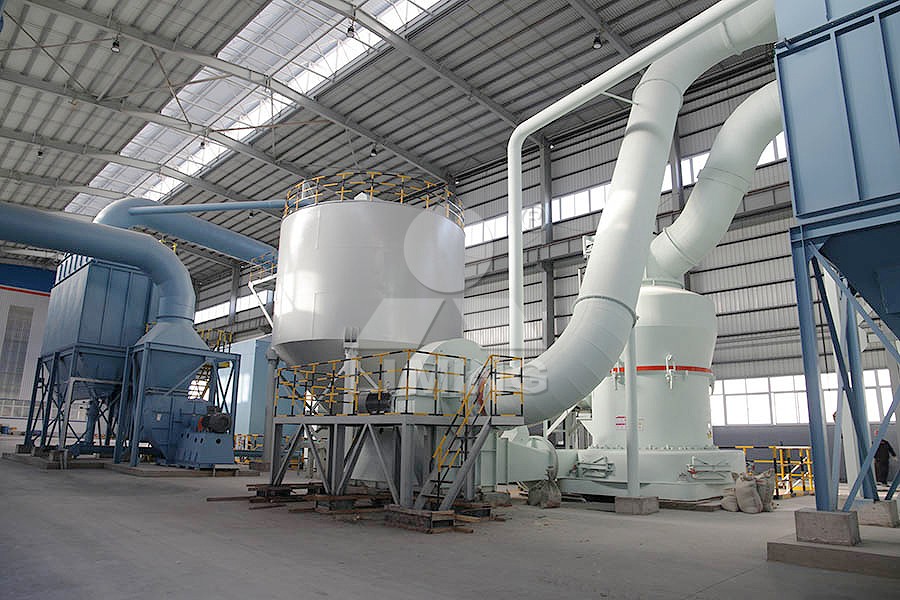
A hammer mill operates on a straightforward principle: ore is fed into a chamber where rapidly rotating hammers (or flails) repeatedly strike the material, shattering it against hardened breaker plates until it is small enough to pass through a screen or grate at the bottom. The size of the final product is determined by the screen size, allowing operators to target a specific grind suitable for their chosen recovery method, such as gravity separation with a sluice box or chemical leaching.
For prospectors, key advantages include their mechanical simplicity, high throughput for their size, and ability to handle damp or sticky ore that would clog other crusher types. Proper operation involves feeding material at a consistent rate to avoid bogging down the motor and ensuring the hammers and internal linings are regularly inspected for wear.
Beyond Crushing: The Need for Ultra-Fine Grinding
While a hammer mill is excellent for initial crushing, some ores—particularly those with fine-grained or disseminated gold—require further milling to an ultra-fine consistency to achieve maximum recovery rates. This is where advanced grinding technology becomes essential.
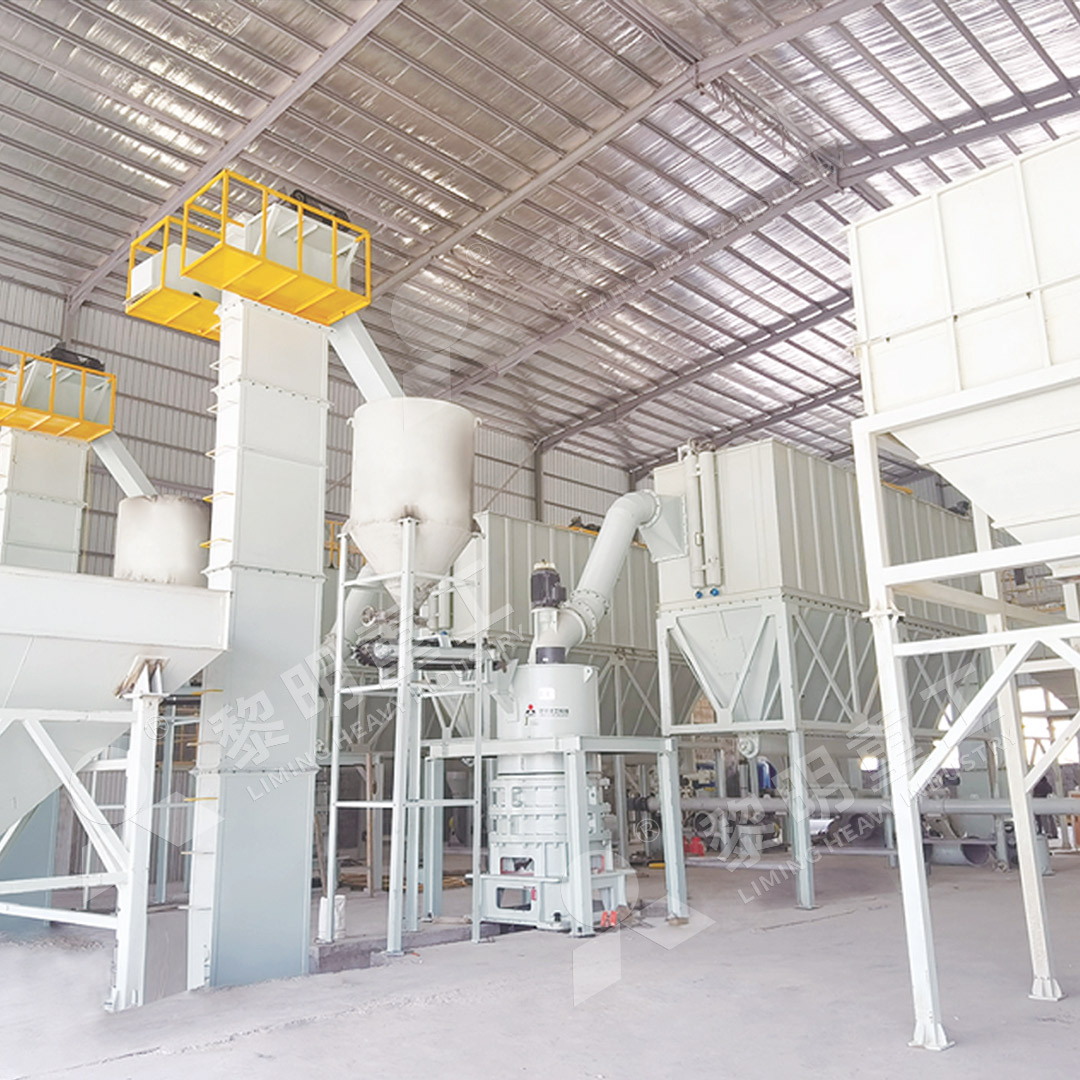
For operations looking to upgrade their process and increase yield, our MW Ultrafine Grinding Mill is the ideal next step. Designed for producing ultra-fine powder, the MW series is perfectly suited for processing precious metal ores after primary crushing. With an input size of 0-20 mm and a capacity range of 0.5-25 tph, it seamlessly integrates into existing setups.
Why Choose the MW Ultrafine Grinding Mill?
- Higher Yielding, Lower Energy Consumption: Its newly designed grinding curves enhance efficiency, offering production capacity 40% higher than jet mills and twice that of ball mills, while consuming 30% less energy.
- Adjustable Fineness (325-2500 meshes): A German-technology cage-type powder selector allows precise control over the final product fineness, critical for optimizing gold liberation.
- Eco-Friendly & Reliable: An efficient pulse dust collector ensures no dust pollution, and the absence of rolling bearings or screws in the grinding chamber eliminates common failure points, enabling worry-free 24/7 operation.
For larger operations or those requiring integrated drying and grinding, our LUM Ultrafine Vertical Grinding Mill is another superior choice. It combines the latest grinding roller and powder separating technologies for exceptional efficiency in a compact footprint.
Frequently Asked Questions (FAQ)
What size of ore can a hammer mill handle?
Most prospector-sized hammer mills can process ore lumps up to 2 inches in diameter, but this varies by model. Always check the manufacturer’s specifications. Ore should be broken down by a primary jaw crusher first if necessary.
Why would I need an ultrafine mill after my hammer mill?
A hammer mill is great for coarse to medium grinding. If your gold is microscopic or tightly locked within sulfide minerals, an ultrafine mill like the MW series is necessary to grind the ore to a powder fine enough to liberate nearly all of the gold, drastically improving recovery rates.
How do I maintain my hammer mill?
Regular maintenance is key. Frequently check and replace hammers and hammer pins as they wear. Inspect the interior liners and the discharge screen for cracks or excessive wear. Always keep bearings properly lubricated.
Can the MW Ultrafine Grinding Mill handle other materials?
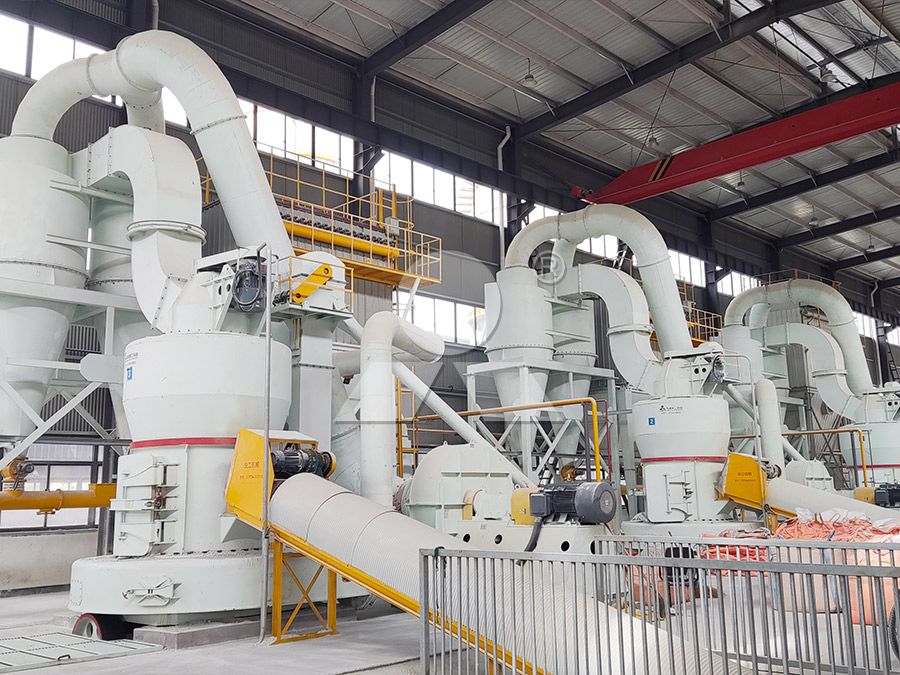
Absolutely. While excellent for gold and silver ores, the MW Mill is also highly effective for a wide range of non-metallic minerals including barite, marble, talc, and limestone, making it a versatile investment for various grinding applications.