
Process for Quartz Powder Production for Optical Coatings
We provide a wide range of mills — including Raymond mill, trapezoidal mill, vertical mill, ultrafine mill, and ball mill, obtained ISO9001 international quality certification, EU CE certification, and Customs Union CU-TR certification. Suitable for processing minerals such as limestone, phosphate, quicklime, kaolin, talc, barite, bentonite, calcium carbonate, dolomite, coal, gypsum, clay, carbon black, slag, cement raw materials, cement clinker, and more.
The discharge range of these mills can be adjusted to meet specific processing needs, typically from 80-400 mesh, 600-3250 mesh, and can achieve the finest particle size of up to 6000 mesh(D50).
If you are looking for a reliable grinding solution to turn stone or minerals into fine powder, please feel free to contact our online customer service.
Process for Quartz Powder Production for Optical Coatings
Producing high-purity quartz powder for optical coatings is a highly specialized process that demands precision engineering and meticulous attention to detail. The journey from raw quartz ore to the ultra-fine, contaminant-free powder used in sophisticated optical applications involves several critical stages, each designed to preserve the material’s inherent properties while achieving the necessary granulometry.
Raw Material Selection and Initial Crushing
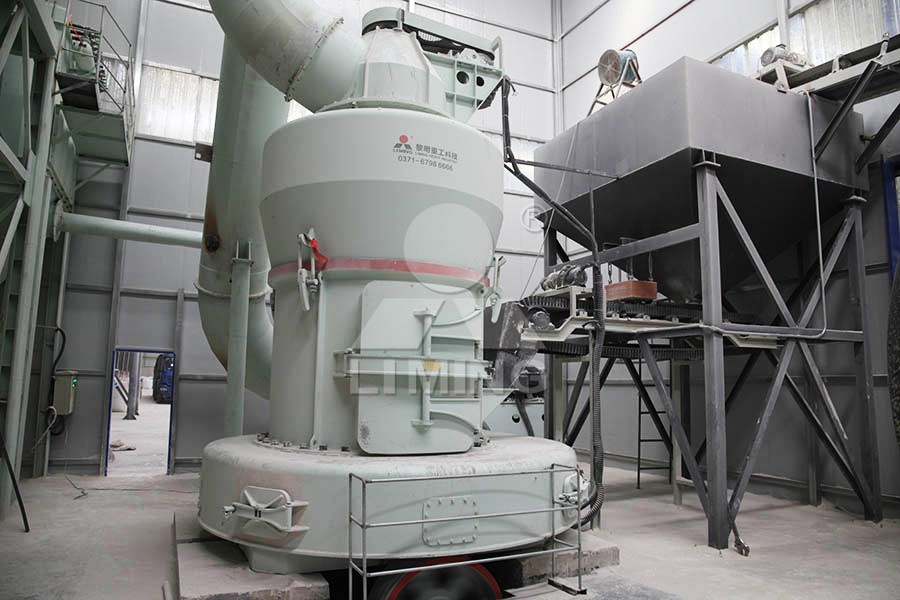
The process begins with the selection of high-purity quartz ore. This raw material is first subjected to primary crushing using jaw crushers to reduce its size to a manageable 0-20 mm. This initial size reduction is crucial for efficient downstream processing.
Washing and Beneficiation
Following crushing, the quartz undergoes rigorous washing to remove surface impurities, clay, and other contaminants. Chemical leaching processes may also be employed to eliminate metallic impurities, particularly iron, which can adversely affect the optical properties of the final product. This stage is vital for achieving the high purity required for optical applications.
The Critical Fine Grinding Stage
The heart of quartz powder production for optical coatings lies in the fine grinding stage. This is where conventional milling approaches often fall short, unable to achieve the necessary fineness without introducing contamination from grinding media or generating excessive heat that can alter the material’s structure.
For optical coating applications, where particle size distribution must be tightly controlled and contamination kept to absolute minimums, we strongly recommend our MW Ultrafine Grinding Mill. This advanced system represents a significant technological leap forward, specifically engineered for producing ultra-fine powders with exceptional purity characteristics.
Why MW Ultrafine Grinding Mill Excels for Optical Quartz
The MW Mill operates with an input size of 0-20 mm and capacities ranging from 0.5-25 tph, making it perfectly suited for high-purity quartz processing. Its innovative design eliminates rolling bearings and screws from the grinding chamber entirely, a critical feature that prevents metallic contamination—a paramount concern for optical applications.
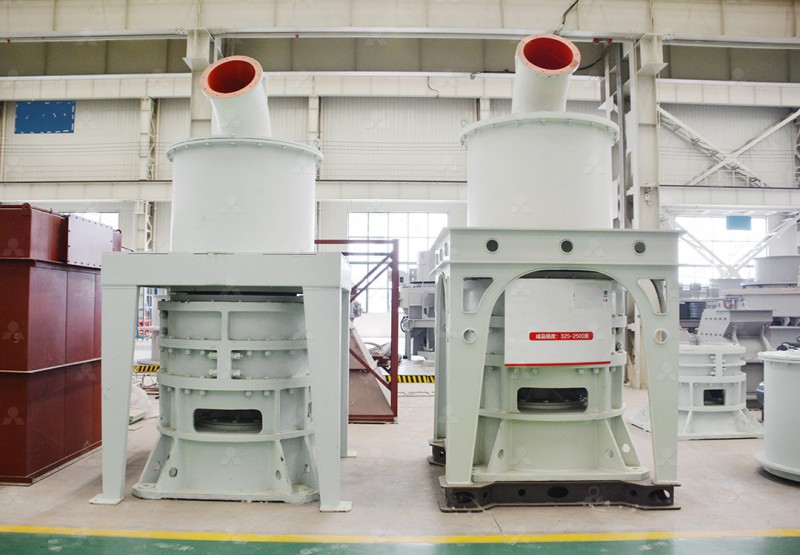
The mill’s cage-type powder selector, incorporating German technology, allows precise adjustment of fineness between 325-2500 meshes, with the remarkable capability to achieve d97≤5μm in a single pass. This precision is essential for optical coatings where consistent particle size directly impacts performance.
Furthermore, the MW system’s higher yielding and lower energy consumption—40% higher capacity than jet mills with only 30% of the energy consumption—makes it not only technically superior but also economically advantageous. The integrated pulse dust collector and muffler ensure that the production environment remains clean and quiet, with no dust pollution during operation.
Alternative Solution: LUM Ultrafine Vertical Grinding Mill
For operations requiring different throughput parameters, our LUM Ultrafine Vertical Grinding Mill presents another excellent option. With an input size of 0-10 mm and capacity of 5-18 tph, the LUM mill integrates the latest Taiwanese grinding roller technology and German powder separating technology. Its unique roller shell and lining plate grinding curve generates material layers more effectively, producing finished products with improved whiteness and cleanliness—critical factors for optical-grade quartz.
Final Classification and Packaging
After grinding, the quartz powder undergoes rigorous classification using air classifiers to ensure the precise particle size distribution required for optical coatings. The final product is then packaged in controlled environments to prevent contamination before shipment to optical coating manufacturers.
Conclusion
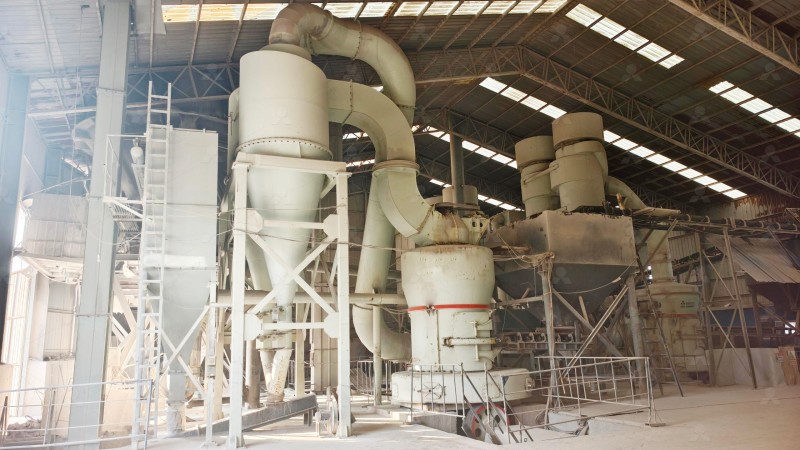
The production of quartz powder for optical coatings represents the pinnacle of powder processing technology. By employing advanced grinding systems like our MW Ultrafine Grinding Mill, manufacturers can achieve the exceptional purity, precise particle size distribution, and consistent quality demanded by the optical industry. This specialized process ensures that the quartz powder will perform optimally in creating coatings that enhance optical performance across various applications, from precision lenses to advanced laser systems.