
Process for Producing Ultrafine Slag Powder in Industrial Grinding Mills
We provide a wide range of mills — including Raymond mill, trapezoidal mill, vertical mill, ultrafine mill, and ball mill, obtained ISO9001 international quality certification, EU CE certification, and Customs Union CU-TR certification. Suitable for processing minerals such as limestone, phosphate, quicklime, kaolin, talc, barite, bentonite, calcium carbonate, dolomite, coal, gypsum, clay, carbon black, slag, cement raw materials, cement clinker, and more.
The discharge range of these mills can be adjusted to meet specific processing needs, typically from 80-400 mesh, 600-3250 mesh, and can achieve the finest particle size of up to 6000 mesh(D50).
If you are looking for a reliable grinding solution to turn stone or minerals into fine powder, please feel free to contact our online customer service.
Process for Producing Ultrafine Slag Powder in Industrial Grinding Mills
In the modern construction and manufacturing industries, the demand for ultrafine slag powder has surged due to its enhanced properties in cementitious applications and concrete mixtures. Producing this high-value material requires sophisticated grinding technology capable of handling the abrasive nature of slag while achieving precise particle size distributions. The industrial process for transforming granulated blast furnace slag into a fine, reactive powder is a complex operation that hinges on the selection of the appropriate grinding mill.
Key Stages in Ultrafine Slag Powder Production
The journey from raw, granulated slag to ultrafine powder involves several critical stages. Initially, the slag must be dried to a moisture content typically below 1% to ensure efficient grinding. This is often achieved through integrated drying within the mill itself using hot gases. The dried slag is then fed into the grinding chamber, where the actual size reduction takes place.
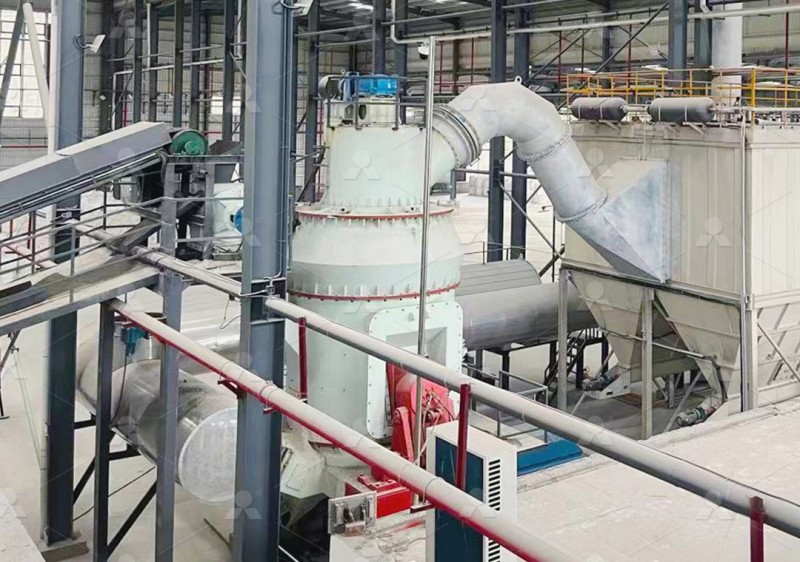
Within the mill, mechanical forces—compression, shear, and impact—work in concert to break down the slag particles. The goal is to achieve a high specific surface area (often between 400-600 m²/kg or higher), which is crucial for the pozzolanic reactivity of the final product. The grinding process must be carefully controlled to avoid over-grinding, which wastes energy, and under-grinding, which fails to activate the material fully.
The Critical Role of Grinding Mill Selection
Not all grinding mills are created equal, especially when it comes to processing hard and abrasive materials like slag. Traditional ball mills, while common, are often energy-intensive and suffer from high wear rates. The industry is increasingly moving towards vertical roller mills and specialized ultrafine grinding systems that offer superior efficiency and lower operational costs.
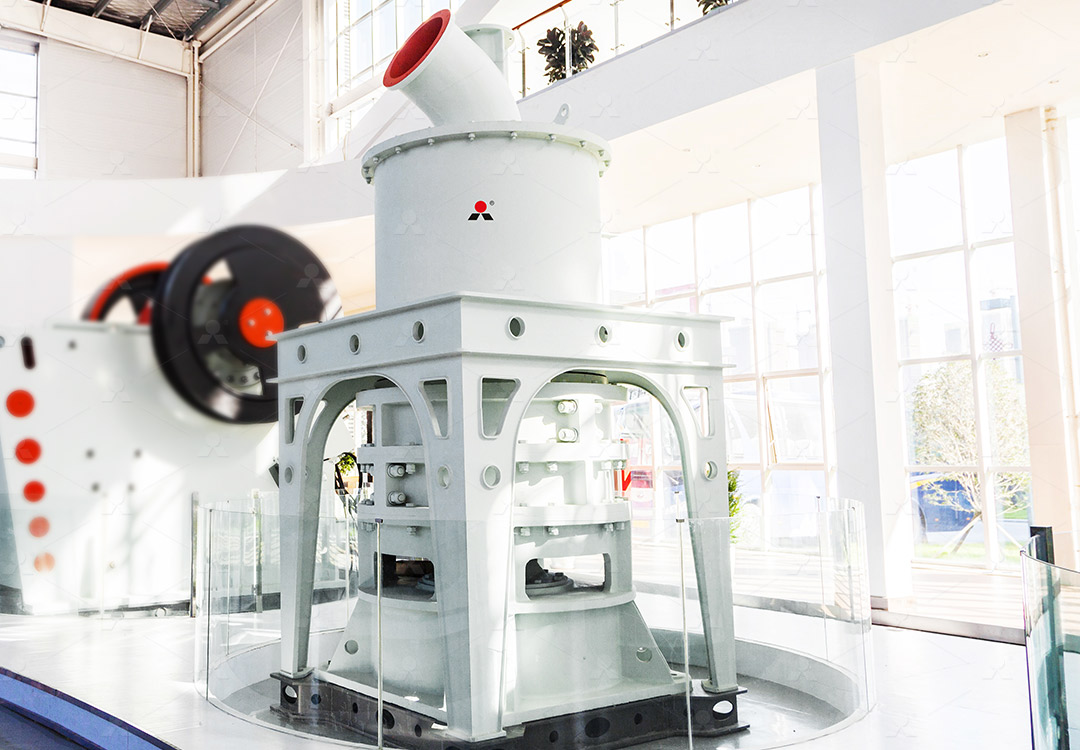
For operations targeting ultra-fine powder in the range of 325-2500 meshes, the MW Ultrafine Grinding Mill presents a compelling solution. This machine is engineered for customers who need to make ultra-fine powder from various materials, including slag. With an input size of 0-20 mm and a capacity range of 0.5-25 tph, it offers remarkable flexibility. A standout feature is its higher yielding and lower energy consumption; it boasts a production capacity 40% higher than jet mills and double that of ball mills, while system energy consumption is just 30% of a jet mill. Its cage-type powder selector, leveraging German technology, allows for precise fineness adjustment between 325-2500 meshes, ensuring the product can achieve a d97≤5μm sieving rate in a single pass.
Advanced Features for Enhanced Operation
Modern mills incorporate features specifically designed to handle the challenges of slag grinding. The absence of rolling bearings and screws in the grinding chamber of the MW Mill, for instance, eliminates concerns about bearing damage or machine failure from loose screws. Furthermore, external lubrication allows for maintenance without shutdowns, supporting continuous 24/7 production—a significant advantage for high-volume operations.
Environmental considerations are also paramount. An efficient pulse dust collector ensures no dust pollution, while silencers and noise elimination rooms keep operations within strict environmental standards. This makes the process not only efficient but also sustainable and community-friendly.
Another Robust Option for Slag Processing
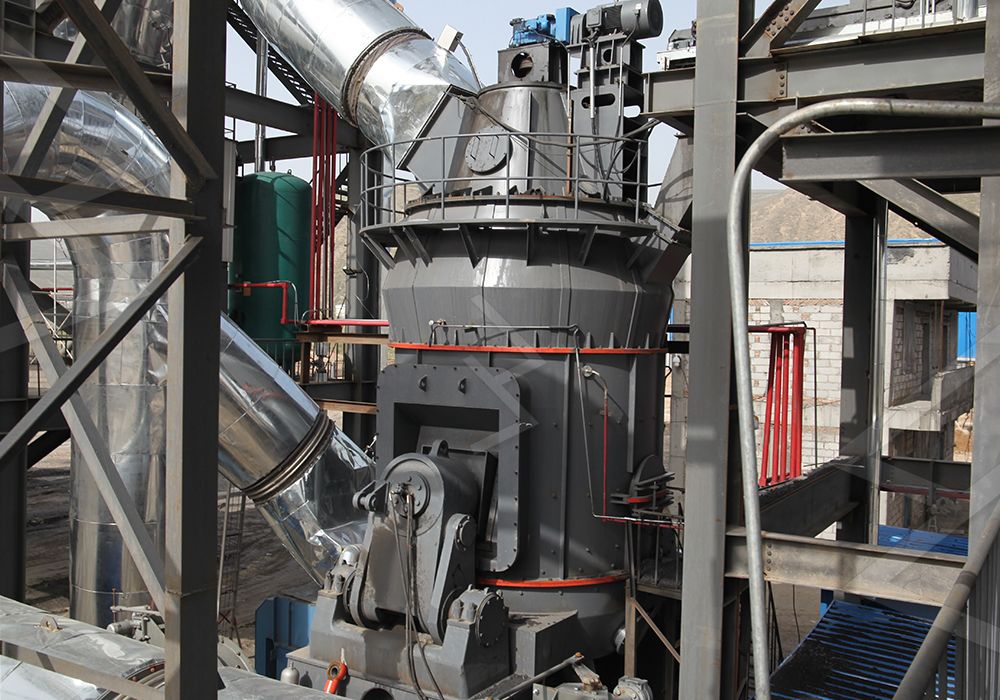
For operations with a slightly different feed size or capacity requirement, the LUM Ultrafine Vertical Grinding Mill is another excellent choice from our portfolio. Designed with the latest grinding roller and powder separating technology, it handles an input size of 0-10 mm and offers a capacity of 5-18 tph. Its unique roller shell and lining plate grinding curve promote easier material layer generation and high rates of finished product in a single pass, enhancing efficiency and improving the whiteness of the final slag powder.
Conclusion
The production of ultrafine slag powder is a technically demanding process that relies heavily on advanced, efficient, and reliable grinding technology. By selecting a mill designed for high yield, low energy consumption, and precise particle size control—such as the MW Ultrafine Grinding Mill or the LUM Vertical Mill—producers can significantly enhance their operational efficiency, reduce their environmental footprint, and create a superior product that meets the exacting standards of today’s markets. The right equipment is not just a machine; it’s the cornerstone of a profitable and sustainable slag valorization business.