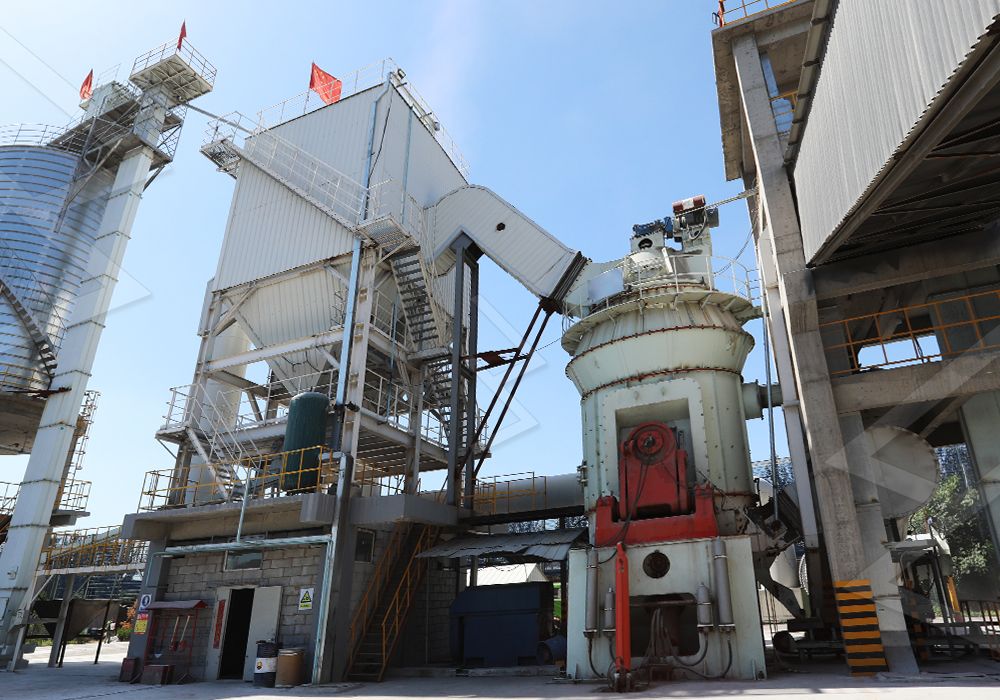
Price of Steelmaking Blast Furnace Slag Crushing Machinery: Cost Analysis & Factors
We provide a wide range of mills — including Raymond mill, trapezoidal mill, vertical mill, ultrafine mill, and ball mill, obtained ISO9001 international quality certification, EU CE certification, and Customs Union CU-TR certification. Suitable for processing minerals such as limestone, phosphate, quicklime, kaolin, talc, barite, bentonite, calcium carbonate, dolomite, coal, gypsum, clay, carbon black, slag, cement raw materials, cement clinker, and more.
The discharge range of these mills can be adjusted to meet specific processing needs, typically from 80-400 mesh, 600-3250 mesh, and can achieve the finest particle size of up to 6000 mesh(D50).
If you are looking for a reliable grinding solution to turn stone or minerals into fine powder, please feel free to contact our online customer service.
Price of Steelmaking Blast Furnace Slag Crushing Machinery: Cost Analysis & Factors
When it comes to processing steelmaking blast furnace slag, selecting the right crushing and grinding machinery is a critical capital expenditure decision. The initial purchase price is just one component of the Total Cost of Ownership (TCO). A comprehensive cost analysis must consider factors like energy consumption, maintenance downtime, wear part replacement, and overall processing efficiency. This article breaks down the key factors influencing machinery costs and highlights solutions that optimize long-term value.
Key Factors Influencing Machinery Cost
The sticker price of slag processing equipment can vary wildly. Understanding what drives these costs helps in making an informed investment.
1. Capacity and Throughput Requirements
The required processing capacity (e.g., tons per hour) is the primary driver. Larger, high-capacity mills capable of handling 50+ tph command a significantly higher price than smaller units. It’s crucial to match the machine’s capacity to your operational needs to avoid overpaying for unused potential or underinvesting in a machine that becomes a bottleneck.
2. Final Product Fineness
Producing ultra-fine slag powder for high-value applications like cement replacement requires more sophisticated technology than coarse crushing. Mills with advanced, high-precision classifiers (e.g., capable of achieving 2500 meshes) incorporate more complex engineering, impacting the cost.
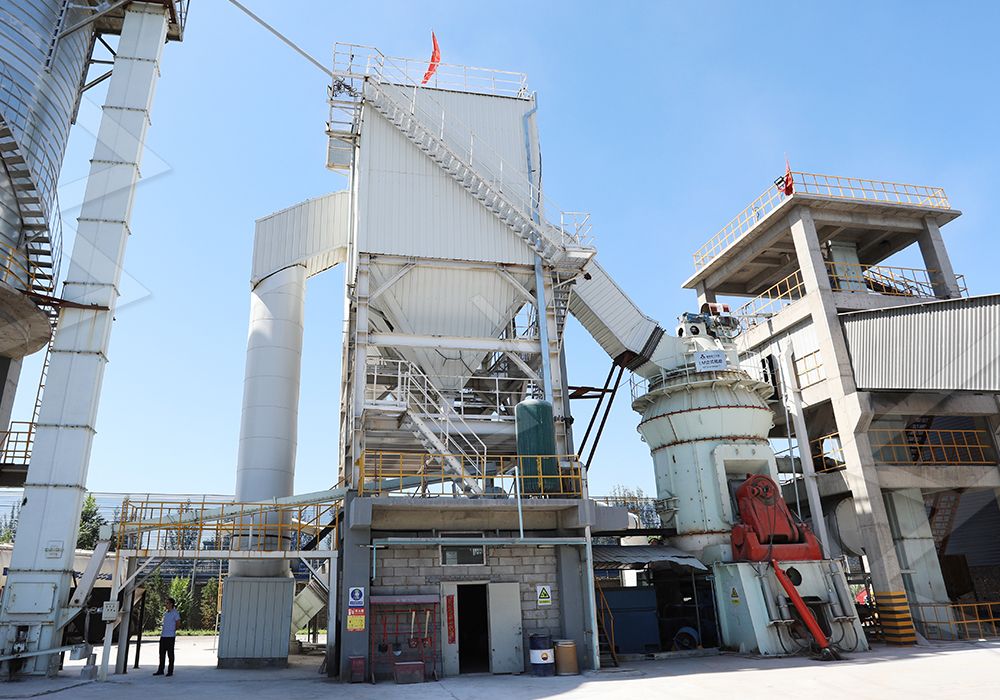
3. Technology and Efficiency Features
Modern mills designed for lower energy consumption might have a higher upfront cost but offer substantial savings over their lifespan. Features like advanced grinding curves, efficient pulse dust collectors, and external lubrication systems contribute to a higher initial price but lower operating costs. The energy savings alone can often justify the premium within a few years.
4. Operational and Maintenance Costs
This is where TCO becomes paramount. Consider:
- Energy Consumption: This is often the largest operational expense. A mill that uses 30-40% less power than a standard ball mill pays for itself quickly.
- Wear Parts: The frequency and cost of replacing rollers, rings, and liners vary greatly. Mills designed with durable alloys and reversible structures reduce downtime and parts costs.
- Maintenance Complexity: Designs that allow for easy access and external maintenance without full shutdowns save significant labor and production losses.
Recommended Solution for Slag Processing
For operations focused on transforming blast furnace slag into high-value, ultra-fine powder, traditional crushers and ball mills are often inefficient and costly to run. A more specialized and economical solution is vertical grinding technology.
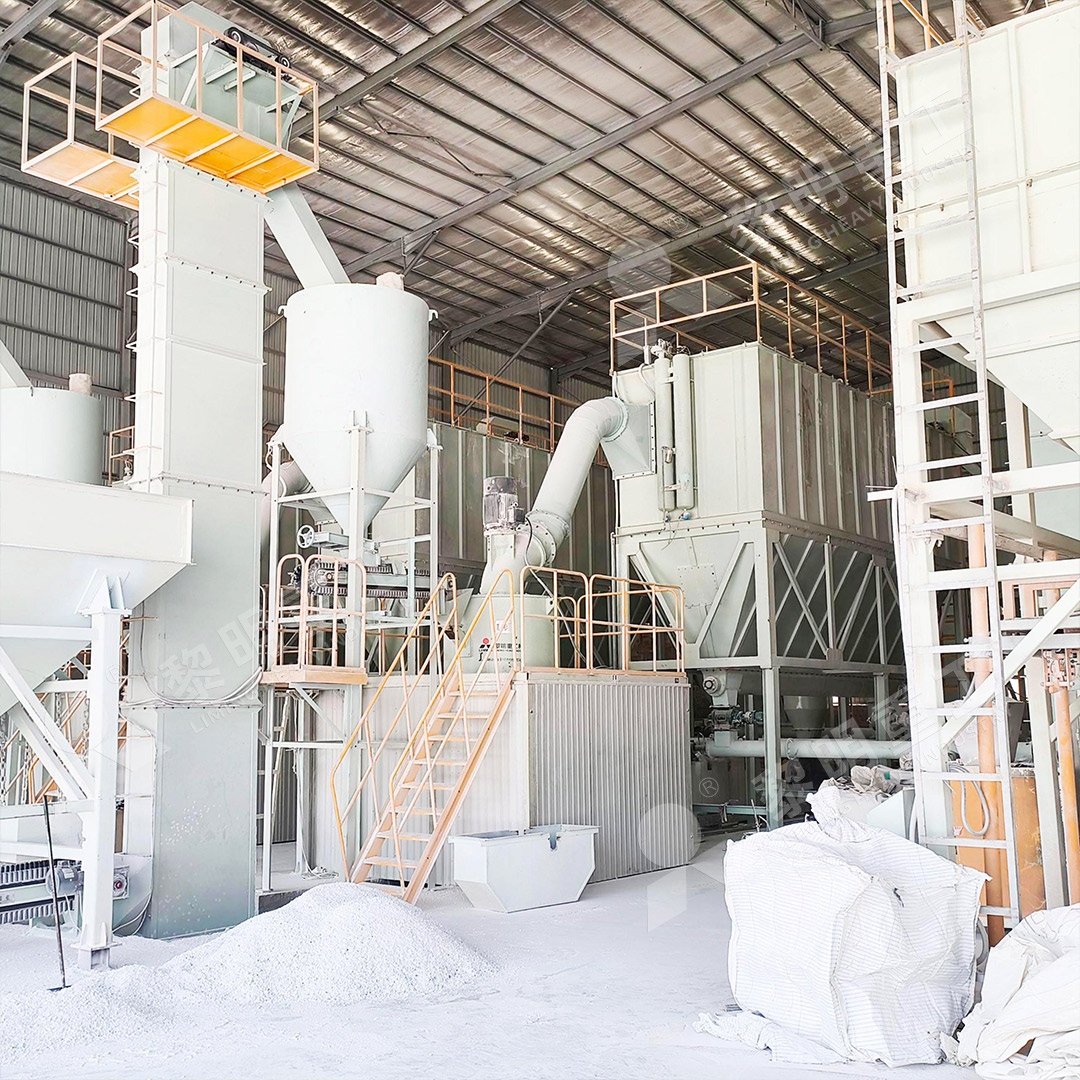
Our LUM Ultrafine Vertical Grinding Mill is engineered specifically for such demanding applications. With an input size of 0-10 mm and a capacity range of 5-18 tph, it is an ideal choice for slag milling. Its key advantages directly adress the cost factors mentioned above:
- Energy Savings: Incorporates multi-head powder separating technology and an optimized grinding curve, reducing energy consumption by 30%-50% compared to conventional mills.
- Higher Product Quality: Produces slag powder with excellent whiteness and cleanliness due to a short material lingering time, reducing repeated grinding and iron contamination.
- Easier Maintenance: Features a unique reversible structure. The grinding roller can be easily turned out of the mill for inspection and part replacement, drastically reducing shutdown time and associated losses.
- Stable Operation: Double position-limiting technology protects the mill from destructive vibrations, ensuring continuous, worry-free operation.
For projects requiring even higher throughput for slightly less fine applications, our LM Vertical Slag Mill is another premier choice. It integrates drying, grinding, and powder selection in a single unit, boasting a massive capacity of 7-100 T/H. Its vertical structure cuts the floor space by 50% and energy use by 30-40%, making it a powerhouse for large-scale slag recycling operations in steel plants.
Conclusion: Investing in Value, Not Just Price
The cheapest machinery off the line often becomes the most expensive asset on your floor due to exorbitant operating and maintenance costs. A thorough cost analysis for blast furnace slag crushing machinery must look beyond the initial invoice. Investing in advanced, efficient technology like the LUM Ultrafine Vertical Grinding Mill or the LM Vertical Slag Mill translates to lower power bills, less downtime, reduced spare part consumption, and a higher-quality end product—delivering a superior return on investment and a stronger competitive edge in the long run.