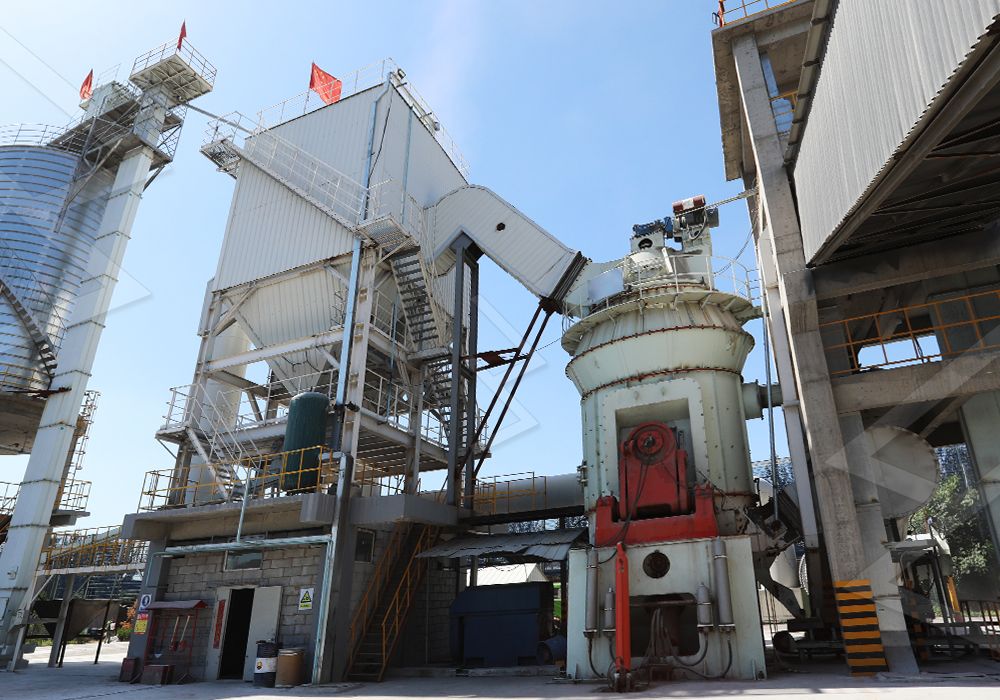
Price of Steelmaking Blast Furnace Slag Crushing Machinery
We provide a wide range of mills — including Raymond mill, trapezoidal mill, vertical mill, ultrafine mill, and ball mill, obtained ISO9001 international quality certification, EU CE certification, and Customs Union CU-TR certification. Suitable for processing minerals such as limestone, phosphate, quicklime, kaolin, talc, barite, bentonite, calcium carbonate, dolomite, coal, gypsum, clay, carbon black, slag, cement raw materials, cement clinker, and more.
The discharge range of these mills can be adjusted to meet specific processing needs, typically from 80-400 mesh, 600-3250 mesh, and can achieve the finest particle size of up to 6000 mesh(D50).
If you are looking for a reliable grinding solution to turn stone or minerals into fine powder, please feel free to contact our online customer service.
Navigating the Cost Landscape of Slag Processing Equipment
In the steel industry, managing the by-products of production is a significant operational and financial consideration. Blast furnace slag, a ubiquitous by-product, presents both a challenge and an opportunity. The key to unlocking its value—often as a supplementary cementitious material or aggregate—lies in efficient and cost-effective crushing and grinding machinery. The price of such equipment is not merely a sticker value; it’s an investment intricately tied to operational efficiency, energy consumption, maintenance downtime, and final product quality.
When evaluating the price of slag crushing machinery, one must look beyond the initial capital expenditure. Factors like throughput capacity (tph), energy efficiency, wear part longevity, and the fineness of the final product directly impact the long-term return on investment. A cheaper machine with higher energy costs and frequent maintenance stops can quickly become more expensive than a higher-priced, technologically advanced model designed for heavy-duty, abrasive applications like slag.
The Critical Role of Fine Grinding in Slag Valorization
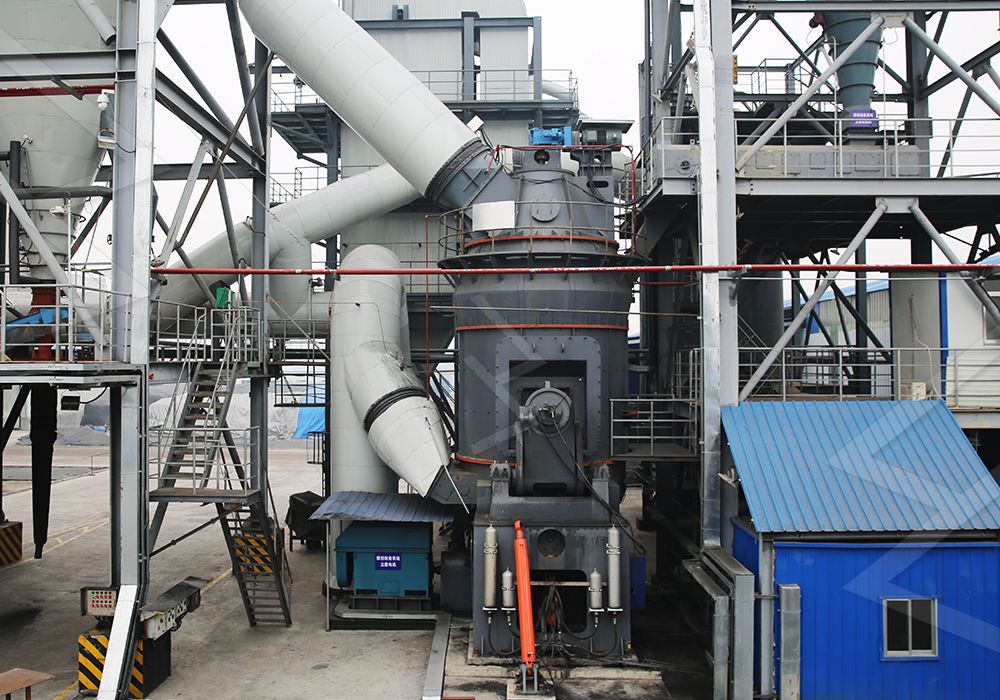
For slag to be effectively used in high-value applications, particularly as a cement replacement (GGBS), it must be ground to a very fine powder. This is where traditional crushers bow out and specialized grinding mills take center stage. The choice of mill dictates the efficiency of this process. Older technologies like ball mills are energy-intensive and offer less control over particle size distribution. Modern vertical mills and ultra-fine grinding mills, however, are engineered specifically for these demands, offering superior efficiency and precision.
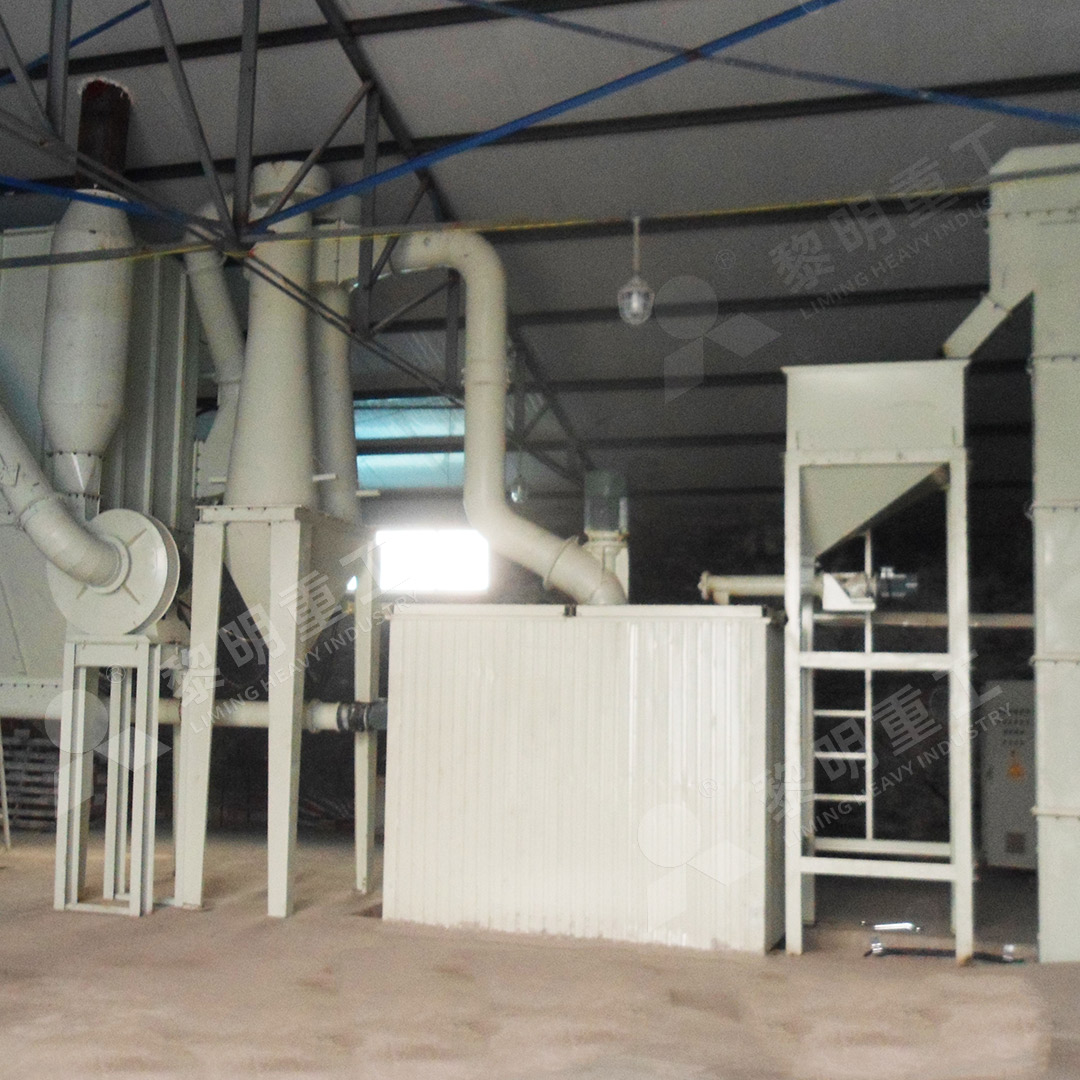
For operations requiring ultra-fine powders to maximize the reactivity of their slag, the MW Ultrafine Grinding Mill presents a formidable solution. This machine is designed for customers who need to make ultra-fine powder from materials like slag. With an input size of 0-20 mm and a capacity range of 0.5-25 tph, it’s versatile for various production scales. Its standout feature is the ability to achieve an adjustable fineness between 325-2500 meshes, ensuring the perfect grade for cementitious applications. Furthermore, its design eliminates rolling bearings and screws in the grinding chamber, drastically reducing maintenance worries and machine damage from loose components. The integration of an efficient pulse dust collector and muffler ensures the entire production process is eco-friendly, a non-negotiable in modern industry.
A Robust Workhorse for High-Volume Slag Grinding
For larger volume slag processing needs where ultra-fine powder is not the primary goal, but high efficiency and reliability are, the LM Vertical Slag Mill is an exceptional choice. This mill is a special equipment designed specifically for grinding industrial waste like steel slag and water slag into powder. It integrates drying, grinding, powder selection, and conveying into a single, compact unit. Its vertical structure reduces the covered area by approximately 50% compared to a ball mill system, and it saves 30% to 40% in energy consumption. This translates directly to a lower operational cost per ton, significantly affecting the total cost of ownership and justifying its price point. It’s widely adopted in cement plants and steel plants for recycling and milling slag, proving its durability and performance in the most demanding environments.
Ultimately, the “price” of steelmaking blast furnace slag crushing machinery is a composite of its purchase cost, its operating expenses, and its output value. Investing in advanced technology from the outset, from manufacturers who provide comprehensive technical support and genuine spare parts, is the most strategic path to profitability in slag management.