
Price of Small Scale Dal Mill Machinery – Cost Analysis & Budget Guide
We provide a wide range of mills — including Raymond mill, trapezoidal mill, vertical mill, ultrafine mill, and ball mill, obtained ISO9001 international quality certification, EU CE certification, and Customs Union CU-TR certification. Suitable for processing minerals such as limestone, phosphate, quicklime, kaolin, talc, barite, bentonite, calcium carbonate, dolomite, coal, gypsum, clay, carbon black, slag, cement raw materials, cement clinker, and more.
The discharge range of these mills can be adjusted to meet specific processing needs, typically from 80-400 mesh, 600-3250 mesh, and can achieve the finest particle size of up to 6000 mesh(D50).
If you are looking for a reliable grinding solution to turn stone or minerals into fine powder, please feel free to contact our online customer service.
Navigating the Costs of Small Scale Dal Milling
Starting a small-scale dal milling operation requires careful financial planning. The machinery you choose is the heart of your business and represents a significant portion of your initial investment. Understanding the price factors, operational costs, and return on investment is crucial for success. This guide breaks down the key considerations for budgeting your dal mill project.
Key Factors Influencing Machinery Costs
The price of dal mill equipment varies widely based on several factors:
- Capacity: Output capacity (tons per hour) is a primary cost driver. Small-scale operations (0.5-5 TPH) have a lower entry cost than larger setups.
- Automation Level: Fully automated systems with PLC controls command a premium price but offer long-term labor savings.
- Material & Build Quality: Mills constructed with high-grade, wear-resistant alloys cost more upfront but drastically reduce maintenance and downtime.
- Technology: Advanced features like efficient dust collection, noise reduction, and energy-saving mechanisms add to the initial cost but improve operational efficiency.
Breaking Down the Budget: A Typical Cost Analysis
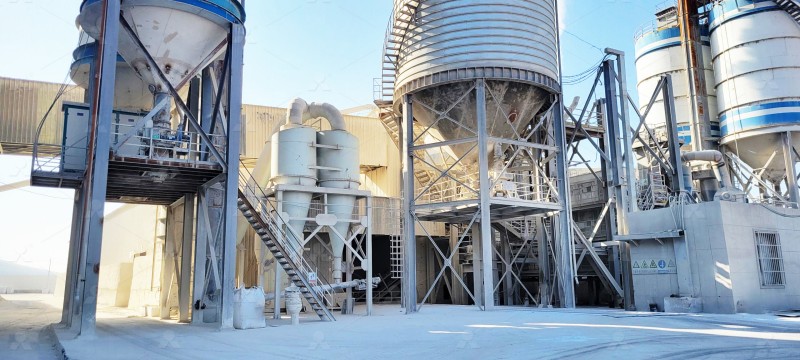
For a small to medium-scale operation, your capital expenditure (CAPEX) will primarily be on the grinding mill itself, along with auxiliary equipment like cleaners, destoners, and graders. Operational expenditure (OPEX) includes power consumption, spare parts, and labor.
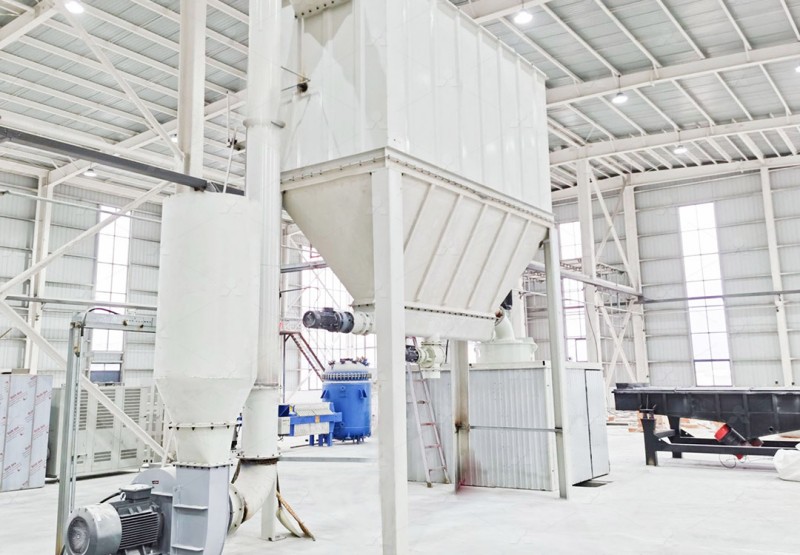
A robust and highly efficient option for such an operation is our MW Ultrafine Grinding Mill. Designed for customers needing to make ultra-fine powder, it’s an excellent choice for processing dal into high-quality flour. With an input size of 0-20 mm and a capacity range of 0.5-25 tph, it’s versatile for various scales. Its key advantage is higher yielding with lower energy consumption – it’s 40% more efficient than jet mills and uses 30% less energy. The fineness is also adjustable between 325-2500 meshes, giving you incredible control over your final product’s quality.
Maximizing Your Return on Investment (ROI)
To ensure profitability, look beyond the sticker price. Consider the total cost of ownership:
- Energy Efficiency: Opt for mills with optimized grinding curves and efficient motors. The MW Mill, for instance, can cut your power bill significantly.
- Maintenance & Downtime: Choose machinery designed for easy maintenance. Features like external lubrication (no need to shutdown) and no screws in the grinding chamber, as seen in the MW Mill, prevent costly breakdowns and keep your production running 24/7.
- Dust & Noise Control: Investing in eco-friendly machinery with built-in pulse dust collectors and mufflers, like our recommended model, ensures compliance with environmental standards and creates a better working environment, avoiding potential fines.
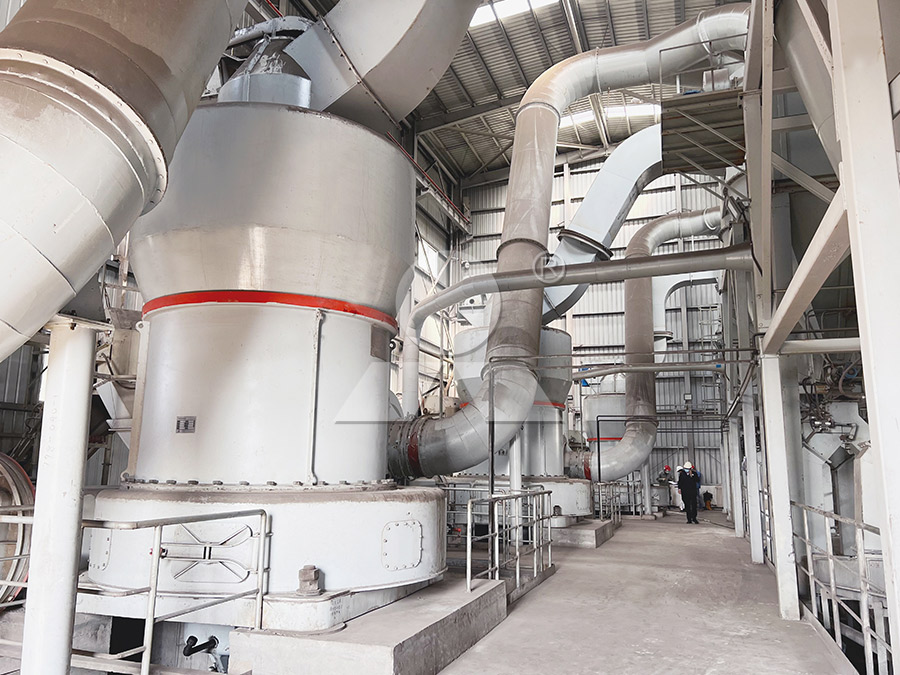
For operations requiring a vertical configuration, our LUM Ultrafine Vertical Grinding Mill is another top-tier choice. It integrates grinding, grading, and transporting, offering a compact footprint and energy savings of 30%-50%. Its reversible structure makes maintenance remarkably easy, further reducing lifetime costs.
Final Thoughts and Recommendations
Budgeting for a dal mill is a balance between initial investment and long-term operational savings. Don’t just choose the cheapest machine; invest in reliable, efficient technology from a reputable manufacturer that offers robust after-sales support and genuine spare parts. This approach minimizes risk and maximizes your chances of building a sustainable and profitable dal milling business. Always request detailed quotations that include installation, commissioning, and potential shipping costs to create a comprehensive budget.