
Price of Raymond Mill Machine in Indonesia – Cost and Factors
We provide a wide range of mills — including Raymond mill, trapezoidal mill, vertical mill, ultrafine mill, and ball mill, obtained ISO9001 international quality certification, EU CE certification, and Customs Union CU-TR certification. Suitable for processing minerals such as limestone, phosphate, quicklime, kaolin, talc, barite, bentonite, calcium carbonate, dolomite, coal, gypsum, clay, carbon black, slag, cement raw materials, cement clinker, and more.
The discharge range of these mills can be adjusted to meet specific processing needs, typically from 80-400 mesh, 600-3250 mesh, and can achieve the finest particle size of up to 6000 mesh(D50).
If you are looking for a reliable grinding solution to turn stone or minerals into fine powder, please feel free to contact our online customer service.
Understanding the Investment: Raymond Mill Pricing in Indonesia
The Indonesian market for industrial milling equipment is dynamic, with Raymond Mill machines remaining a popular choice for various applications. The price of a Raymond Mill in Indonesia is not a fixed figure; it is influenced by a complex interplay of factors. For businesses considering this investment, understanding these variables is crucial for accurate budgeting and making an informed purchasing decision. Generally, prices can range significantly based on model capacity, configuration, and supplier.
Key Factors Influencing Raymond Mill Pricing
Several core elements directly impact the final cost of a Raymond Mill machine in the Indonesian market:
1. Machine Capacity and Specifications: The most significant cost driver is the mill’s capacity, measured in tons per hour (tph). A smaller capacity machine, like a standard 5 tph model, will naturally carry a lower price tag than a high-capacity industrial unit. Specifications such as input size, final product fineness, and motor power also contribute to the cost structure.
2. Technological Features and Automation: Modern Raymond Mills come equipped with advanced features like PLC control systems, automated lubrication, and efficient pulse dust collectors. While these features increase the initial investment, they lead to substantial long-term savings through lower energy consumption, reduced manpower requirements, and minimal environmental compliance costs.
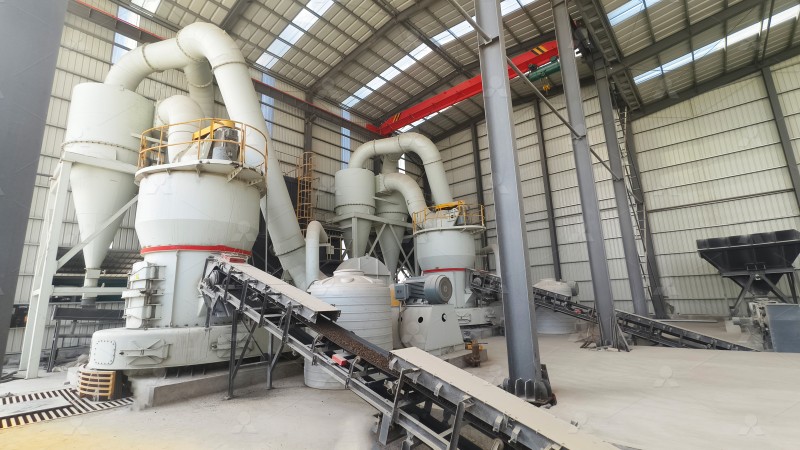
3. Supplier and After-Sales Service: The choice of supplier is paramount. Established manufacturers with a local presence in Indonesia often provide more competitive pricing packages that include installation, training, and reliable after-sales support. The availability of original spare parts locally can also affect the total cost of ownership, preventing expensive downtime and long waiting periods for replacements.
4. Import Duties and Logistics: For machinery imported into Indonesia, import taxes, customs duties, and inland transportation from the port to the plant site add a considerable amount to the ex-factory price. Partnering with a supplier who has experience navigating Indonesian import regulations can help optimize these costs.
Beyond Raymond Mill: Exploring Advanced Alternatives
While the traditional Raymond Mill is a proven workhorse, technological advancements have led to the development of more efficient and versatile grinding mills. For operations requiring higher capacity, superior fineness, and enhanced energy efficiency, considering these alternatives can offer a better return on investment.
For instance, our MW Ultrafine Grinding Mill is an excellent solution for customers needing to produce ultra-fine powder between 325-2500 meshes. With a capacity of 0.5-25 tph, it is designed for higher yielding and lower energy consumption, using 30% less energy than jet mills. Its innovative design features a cage-type powder selector and eliminates rolling bearings in the grinding chamber, ensuring worry-free, eco-friendly operation with efficient dust removal.
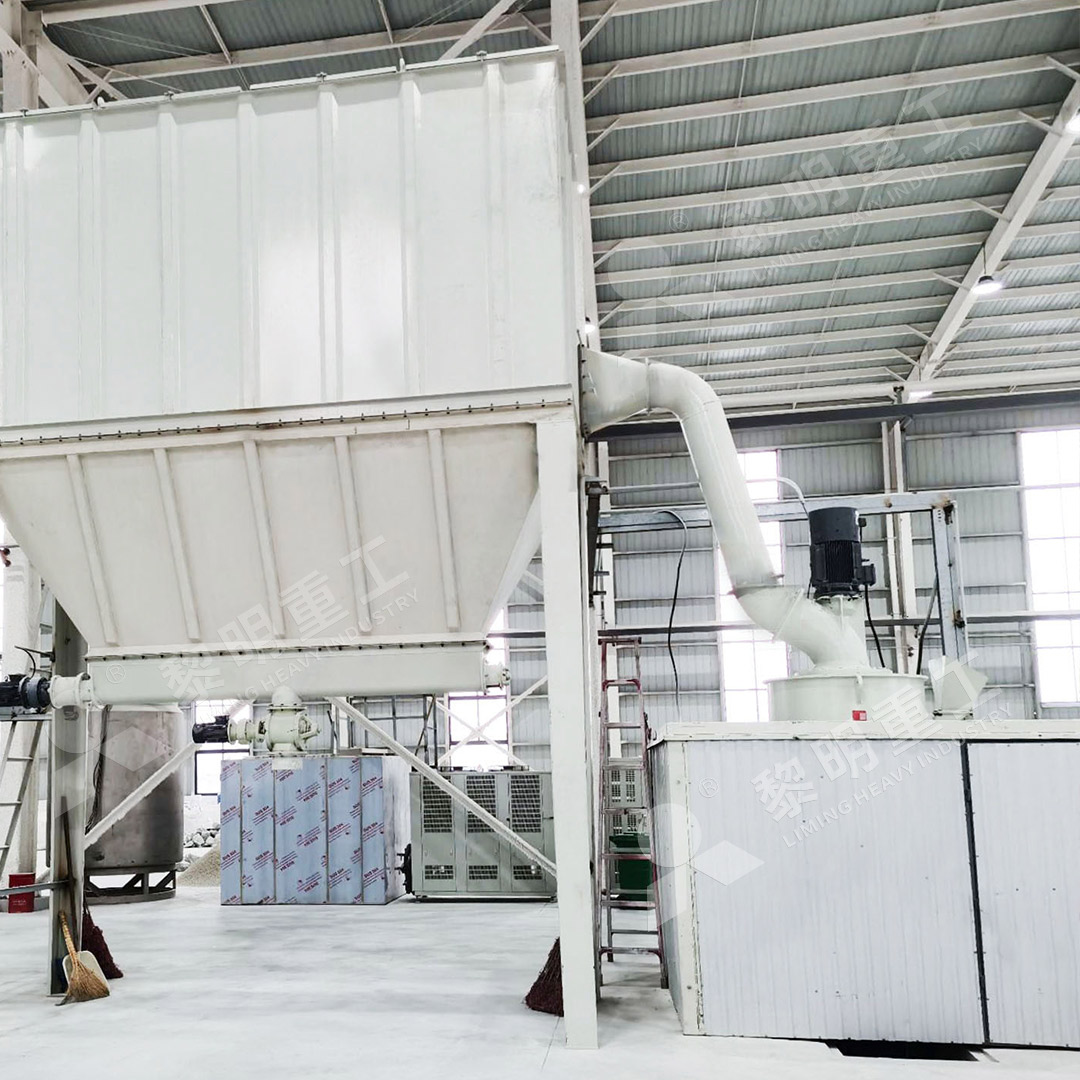
Another standout product is the LUM Ultrafine Vertical Grinding Mill. This mill integrates grinding, grading, and transporting with an input size of 0-10 mm and a capacity of 5-18 tph. It employs advanced multi-head powder separating technology and double position-limiting technology for remarkable energy savings (30%-50% less than common mills) and exceptional operational stability. Its reversible structure also simplifies maintenance, drastically reducing downtime.
Making the Right Choice for Your Operation
Selecting the right mill involves balancing the initial purchase price with long-term operational costs, maintenance needs, and production goals. Engaging with a technical expert to analyze your specific material properties and output requirements is the most effective way to determine the optimal machinery for your Indonesian operation, ensuring profitability and efficiency for years to come.
Frequently Asked Questions (FAQ)
What is the typical price range for a Raymond Mill in Indonesia?
Prices vary widely based on capacity and features but expect a range from tens of thousands to several hundred thousand US dollars. It’s best to request a formal quotation based on your specific needs.
Are there local manufacturers of Raymond Mills in Indonesia?
While some assembly or distribution may occur locally, the core technology and manufacturing are typically sourced from international specialized heavy machinery companies, which then supply the Indonesian market.
What is the single biggest cost factor after the purchase?
Energy consumption is often the largest ongoing operational cost. Investing in an energy-efficient model, like the MW or LUM series, can lead to significant long-term savings on power bills.
How important is after-sales service?
Extremely important. Reliable technical support, quick access to genuine spare parts, and readily available maintenance services are critical to minimizing costly downtime and ensuring the longevity of your mill.
Can these mills handle Indonesian humidity levels?
Yes, but it must be specified during the selection process. Proper sealing and air flow design are crucial for grinding materials in humid climates to prevent clogging and ensure smooth operation. Our MW and LUM mills are designed with robust systems to handle such challenges.