
Price of Hammer Mill Grater for Cassava Processing in 2024
We provide a wide range of mills — including Raymond mill, trapezoidal mill, vertical mill, ultrafine mill, and ball mill, obtained ISO9001 international quality certification, EU CE certification, and Customs Union CU-TR certification. Suitable for processing minerals such as limestone, phosphate, quicklime, kaolin, talc, barite, bentonite, calcium carbonate, dolomite, coal, gypsum, clay, carbon black, slag, cement raw materials, cement clinker, and more.
The discharge range of these mills can be adjusted to meet specific processing needs, typically from 80-400 mesh, 600-3250 mesh, and can achieve the finest particle size of up to 6000 mesh(D50).
If you are looking for a reliable grinding solution to turn stone or minerals into fine powder, please feel free to contact our online customer service.
Navigating the 2024 Market for Cassava Processing Equipment
As we move through 2024, the global cassava processing industry continues to evolve, with increasing demand for efficient and cost-effective milling solutions. The price of hammer mill graters, a critical component in cassava flour and starch production, is influenced by several factors including raw material costs, technological advancements, and regional market dynamics. For processors looking to upgrade or establish new facilities, understanding these variables is crucial for making informed investment decisions.
Key Factors Influencing Hammer Mill Grater Prices
Several elements contribute to the final price tag of hammer mill graters in 2024. Energy efficiency has become a significant cost driver, with manufacturers investing in technologies that reduce power consumption while maintaining high throughput. The global supply chain stabilization has helped moderate price increases compared to previous years, but premium materials and advanced control systems still command higher prices. Additionally, customization requirements for specific cassava processing applications can add 15-30% to base equipment costs.
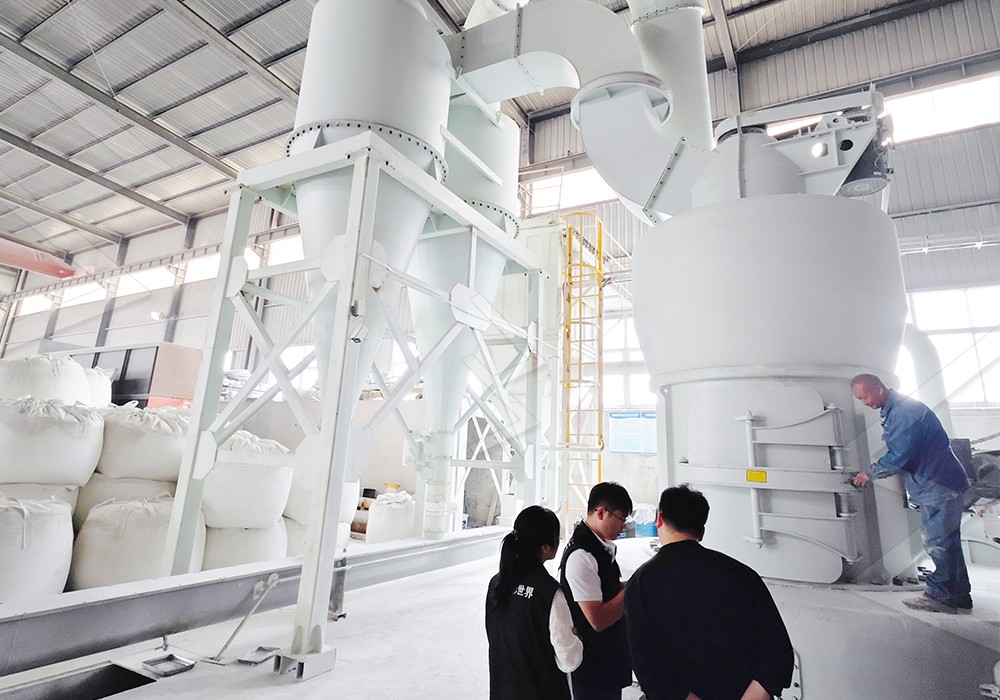
For operations requiring ultra-fine cassava flour, traditional hammer mills may not achieve the desired fineness consistently. This is where advanced grinding technologies offer significant advantages. Among our product lineup, the MW Ultrafine Grinding Mill stands out for cassava processing applications requiring precise particle size control. With an input size capacity of 0-20 mm and throughput ranging from 0.5-25 tph, this system delivers exceptional performance for high-volume cassava operations.
Technical Considerations for Cassava Processing
Cassava root presents unique challenges in grinding operations due to its fibrous nature and moisture content. Equipment selection must account for these characteristics to ensure optimal performance and product quality. The grinding mechanism needs to handle the abrasive qualities of cassava while preventing heat buildup that can affect starch quality.
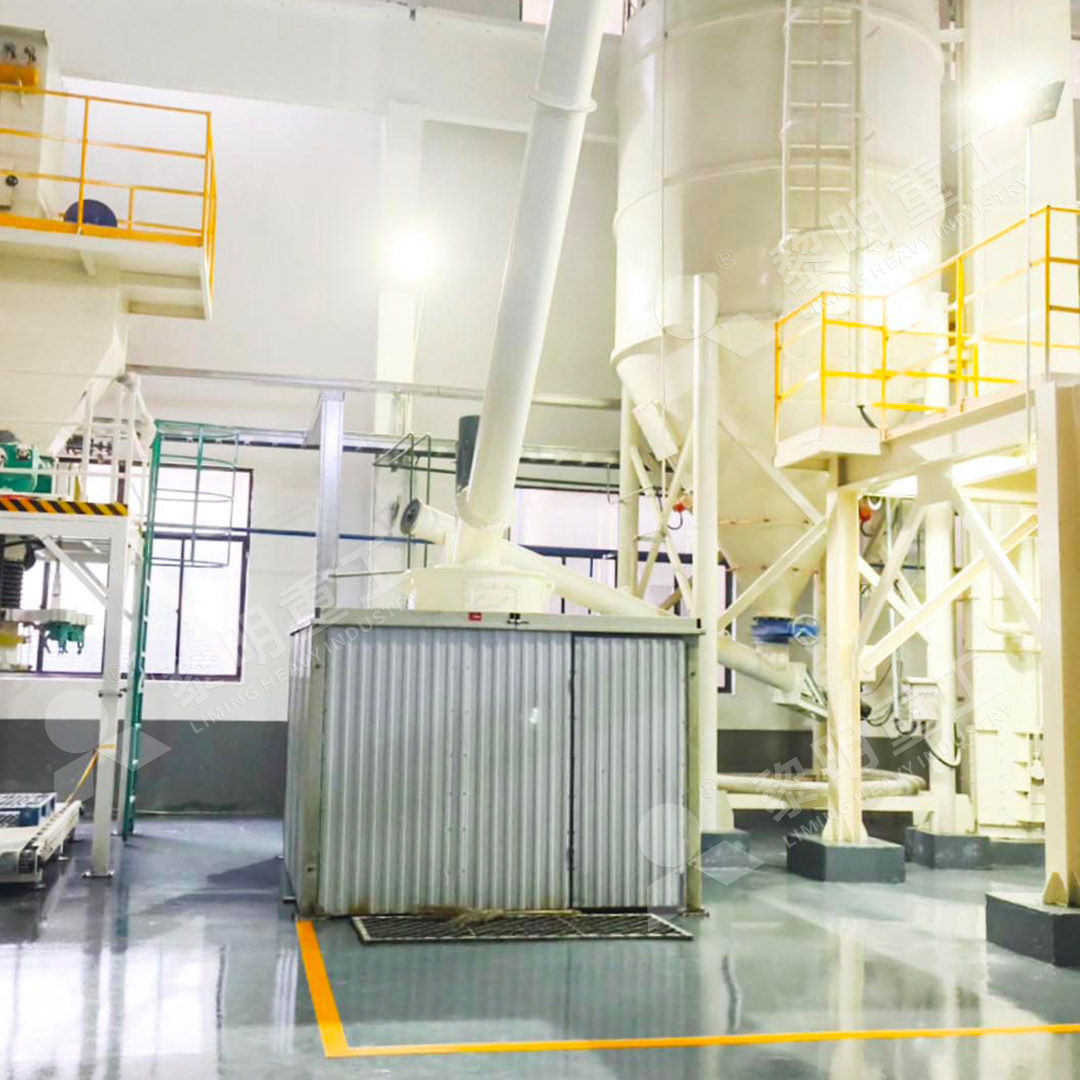
The MW Ultrafine Grinding Mill addresses these challenges through its innovative design. The absence of rolling bearings and screws in the grinding chamber eliminates common failure points, while the adjustable fineness between 325-2500 meshes allows processors to achieve exact specifications for different cassava products. The integrated pulse dust collector ensures environmentally friendly operation, a growing concern for food processing facilities worldwide.
Investment Analysis and Return on Investment
When evaluating hammer mill grater prices, processors should consider the total cost of ownership rather than just the initial purchase price. Equipment with higher energy efficiency, like our MW Grinding Mill which consumes 30% less energy than jet grinding alternatives, can significantly reduce operating costs over time. The higher yield capacity—40% greater than conventional mills—translates to faster return on investment through increased production capacity.
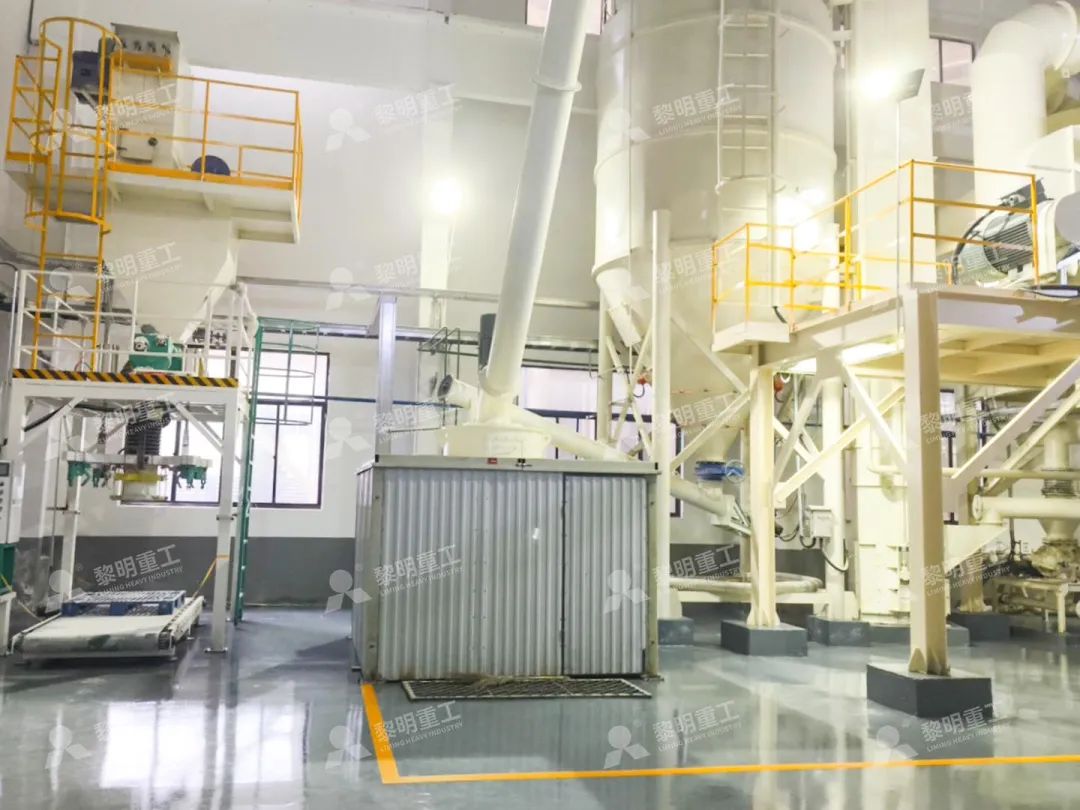
For operations requiring vertical integration, the LUM Ultrafine Vertical Grinding Mill offers another excellent solution. With input size handling up to 10 mm and capacity ranging from 5-18 tph, this system incorporates the latest grinding roller technology and German powder separating technology. Its reversible structure simplifies maintenance, reducing downtime—a critical factor in continuous processing environments.
Market Trends and Future Outlook
The cassava processing equipment market in 4 shows continued movement toward automation and digital monitoring capabilities. Equipment with PLC control systems and remote operation features typically commands a 10-20% premium but offers long-term savings through reduced labor requirements and improved process consistency. As sustainability concerns grow, equipment with lower environmental impact maintains stronger resale value and regulatory compliance.
Frequently Asked Questions
What is the price range for hammer mill graters in 2024?
Prices vary significantly based on capacity and features, ranging from $15,000 for basic models to $85,000 for high-capacity systems with advanced controls. Our MW Ultrafine Grinding Mill typically falls in the $45,000-$75,000 range depending on configuration.
How does cassava moisture content affect equipment selection?
Higher moisture content requires equipment with better ventilation and drying capabilities. Both our MW and LUM mills incorporate efficient air flow systems that handle moisture variations effectively.
What maintenance costs should I anticipate?
Our grinding mills are designed for minimal maintenance. The MW Mill’s external lubrication system allows for maintenance without shutdown, while the LUM Mill’s reversible structure enables easy access to grinding components.
How important is particle size consistency for cassava products?
Extremely important for product quality and marketability. Our equipment’s precision grinding capabilities ensure consistent particle size distribution, critical for both food and industrial applications.
What after-sales support is available?
We provide comprehensive technical support, original spare parts availability, and operational training to ensure worry-free operation throughout your equipment’s lifecycle.