
Pre Crushers for Cement Mills: Types, Selection, and Benefits
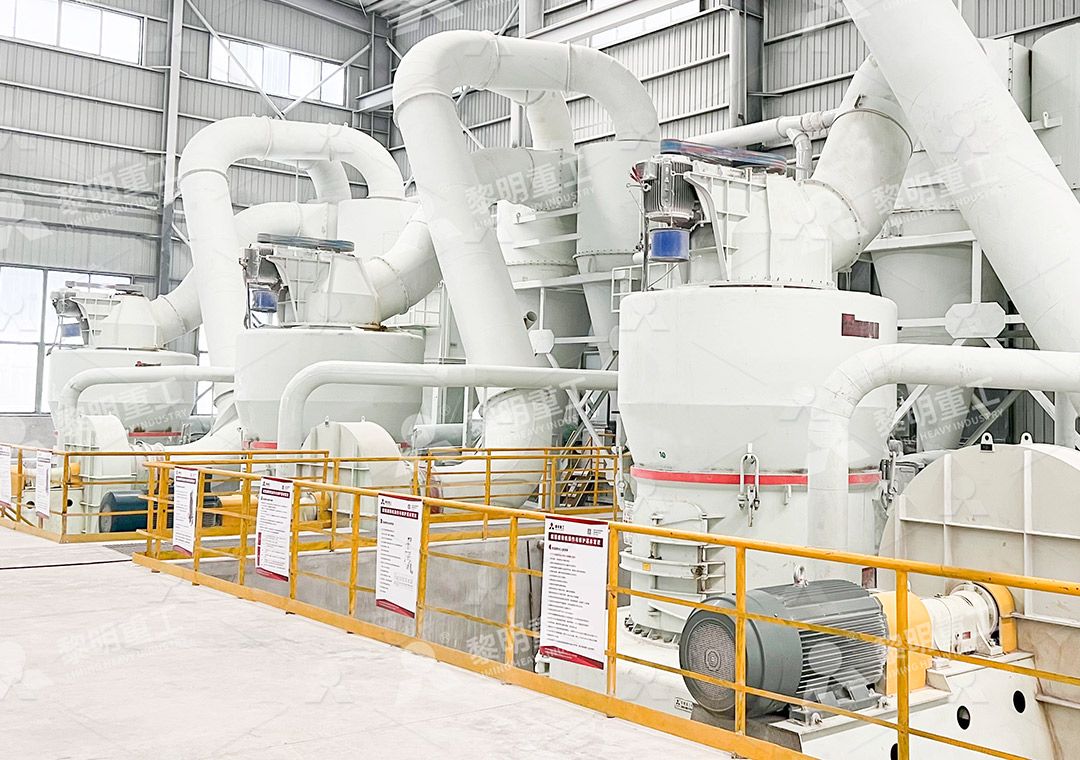
We provide a wide range of mills — including Raymond mill, trapezoidal mill, vertical mill, ultrafine mill, and ball mill, obtained ISO9001 international quality certification, EU CE certification, and Customs Union CU-TR certification. Suitable for processing minerals such as limestone, phosphate, quicklime, kaolin, talc, barite, bentonite, calcium carbonate, dolomite, coal, gypsum, clay, carbon black, slag, cement raw materials, cement clinker, and more.
The discharge range of these mills can be adjusted to meet specific processing needs, typically from 80-400 mesh, 600-3250 mesh, and can achieve the finest particle size of up to 6000 mesh(D50).
If you are looking for a reliable grinding solution to turn stone or minerals into fine powder, please feel free to contact our online customer service.
Pre Crushers for Cement Mills: Types, Selection, and Benefits
In the cement manufacturing process, raw material preparation is a critical stage that directly impacts production efficiency, energy consumption, and final product quality. Pre-crushers, installed upstream of cement mills, play a vital role in optimizing this stage by reducing the size of raw materials like limestone, clay, and shale to a more manageable feed size for the grinding mill. This article explores the types of pre-crushers, key selection criteria, and the significant benefits they offer to modern cement plants.
Common Types of Pre-Crushers
Several types of crushers are suitable for pre-crushing duties in cement production lines. The choice depends on the material’s hardness, abrasiveness, moisture content, and required reduction ratio.
- Jaw Crushers: Ideal for primary crushing of large, hard, and abrasive materials. They offer high reliability and a simple design.
- Gyratory Crushers: Used for high-capacity primary crushing, capable of handling very large feed sizes.
- Impact Crushers: Excellent for softer, less abrasive materials. They provide a high reduction ratio and produce a more cubical product.
- Hammer Crushers: Highly effective for crushing materials with medium hardness and high moisture content. They are a common choice for crushing limestone in cement plants.
Key Selection Criteria
Selecting the right pre-crusher is not a one-size-fits-all decision. Plant operators must consider several factors:
- Material Characteristics: Hardness, abrasiveness, moisture, and clay content are paramount.
- Required Capacity: The crusher must match the throughput of the entire grinding circuit.
- Feed Size vs. Product Size: The necessary reduction ratio will narrow down suitable crusher types.
- Total Cost of Ownership: This includes initial investment, energy consumption, maintenance costs, and wear part longevity.
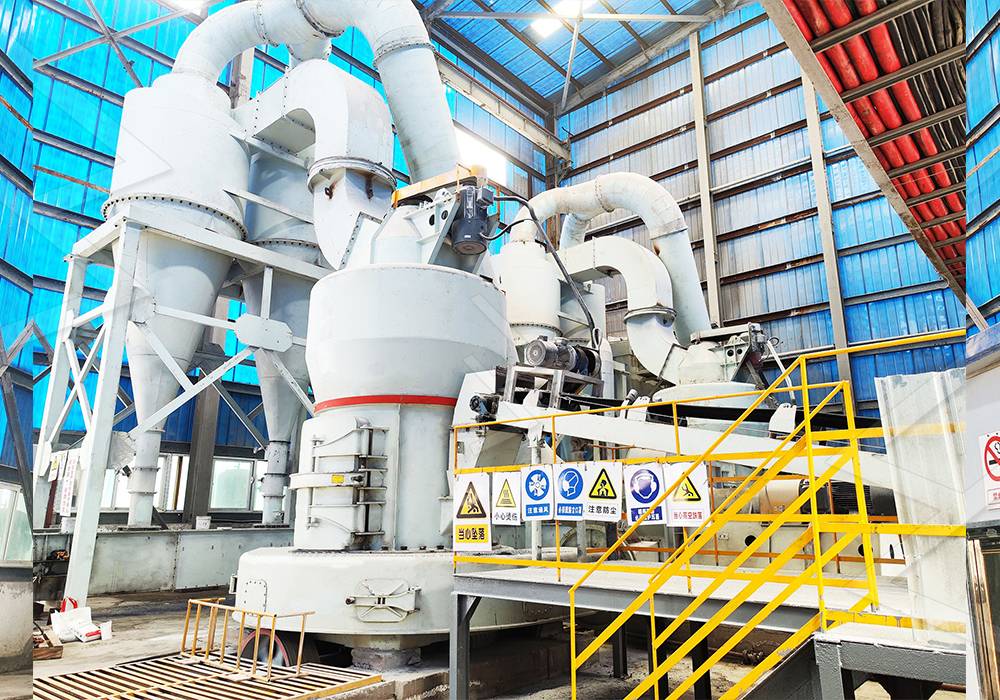
A well-selected pre-crusher ensures a consistent and optimally sized feed for the grinding mill, which is crucial for downstream efficiency. For instance, preparing material for an advanced mill like our MW Ultrafine Grinding Mill (Input Size: 0-20 mm, Capacity: 0.5-25 tph) requires precise pre-crushing. The MW Mill is engineered for customers needing ultra-fine powder, featuring higher yielding and lower energy consumption—up to 40% higher capacity than jet mills. A properly sized pre-crusher maximizes the efficiency of such sophisticated grinding equipment.
The Tangible Benefits of Using a Pre-Crusher
The advantages of integrating a pre-crusher into the cement milling circuit are substantial and multifaceted.
- Enhanced Grinding Mill Efficiency: By reducing the particle size before the mill, the grinding mill’s workload is significantly decreased. This leads to lower energy consumption per ton of product, which is the single largest operating cost in comminution.
- Increased Production Capacity: A pre-crusher allows the grinding mill to operate at its optimal capacity, often resulting in a higher overall output from the same equipment footprint.
- Improved Product Quality: A consistent feed size promotes more uniform grinding, leading to a finer and more consistent cement product with better quality control.
- Reduced Maintenance on Grinding Mills: With larger, potentially damaging rocks removed, the wear and tear on the grinding mill’s internal components—such as rollers and liners—are reduced, extending their service life.
- Operational Flexibility: Pre-crushers can handle variations in raw material size from the quarry, providing a buffer and ensuring smooth operation of the entire milling circuit.
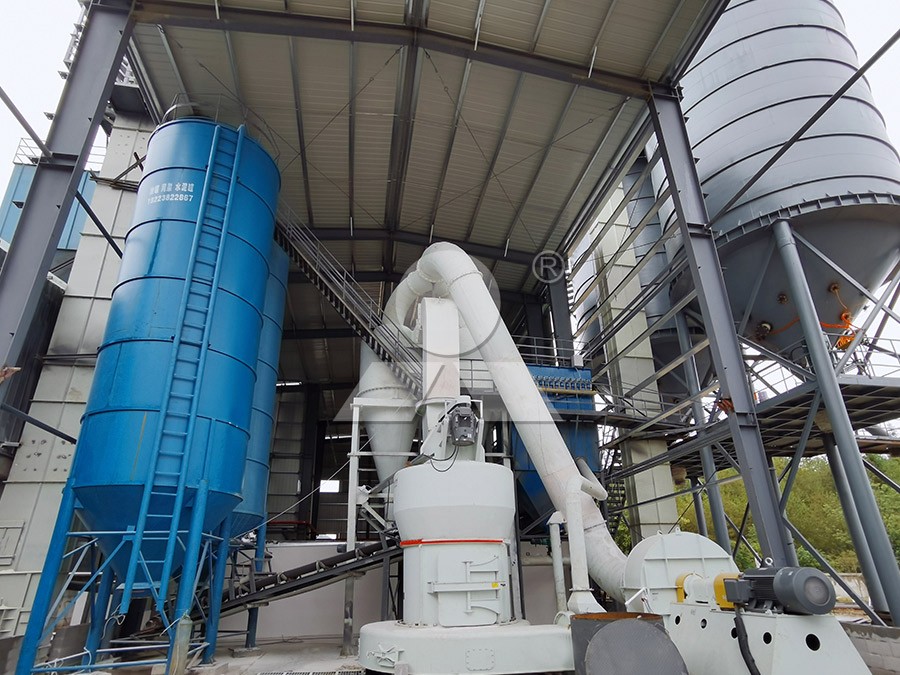
For operations aiming for the highest efficiency in fine and ultra-fine grinding, pairing a robust pre-crusher with a mill like the LUM Ultrafine Vertical Grinding Mill (Input Size: 0-10 mm, Capacity: 5-18 tph) is a strategic move. The LUM Mill, with its advanced roller technology and energy-saving multi-head powder separating system, benefits immensely from a finely tuned, consistent feed, achieving energy savings of 30%-50% compared to ordinary mills.
Frequently Asked Questions (FAQ)
Why can’t the cement mill handle large rocks directly?
Cement mills are designed for grinding, not for crushing large, hard rocks. Feeding oversized material directly into a mill drastically reduces its efficiency, increases energy consumption, and causes excessive wear on grinding media and liners, leading to frequent downtime and high maintenance costs.
What is the ideal feed size for a cement mill after pre-crushing?
The ideal feed size varies depending on the type of mill. For ball mills, a typical target is below 25 mm. For more modern vertical roller mills and specialized mills like our MW or LUM series, the optimal feed size is often smaller, around 10-20 mm, to maximize grinding efficiency and energy savings.
Is the investment in a pre-crusher justified for a small-scale plant?
Yes, absolutely. While the initial investment is a factor, the return on investment through energy savings, increased production, and reduced mill maintenance costs is significant even for smaller plants. The payback period is often surprisingly short due to the drastic reduction in the mill’s specific energy consumption.
Can one type of pre-crusher handle all raw materials in cement production?
Not always. While a hammer crusher is versatile for many materials like limestone, some additives (e.g., iron ore, sandstone) might be harder or more abrasive, potentially requiring a jaw crusher. A thorough analysis of all raw materials is essential for correct crusher selection.