
Power Plant Slag Grinding Process Flow Diagram and Equipment Selection Guide
We provide a wide range of mills — including Raymond mill, trapezoidal mill, vertical mill, ultrafine mill, and ball mill, obtained ISO9001 international quality certification, EU CE certification, and Customs Union CU-TR certification. Suitable for processing minerals such as limestone, phosphate, quicklime, kaolin, talc, barite, bentonite, calcium carbonate, dolomite, coal, gypsum, clay, carbon black, slag, cement raw materials, cement clinker, and more.
The discharge range of these mills can be adjusted to meet specific processing needs, typically from 80-400 mesh, 600-3250 mesh, and can achieve the finest particle size of up to 6000 mesh(D50).
If you are looking for a reliable grinding solution to turn stone or minerals into fine powder, please feel free to contact our online customer service.
Power Plant Slag Grinding Process Flow Diagram and Equipment Selection Guide
Power plant slag, a byproduct of coal combustion, requires specialized grinding equipment to transform it into valuable materials for construction, cement production, and other industrial applications. This article outlines the process flow and recommends optimal grinding solutions, featuring LIMING’s advanced milling technologies.
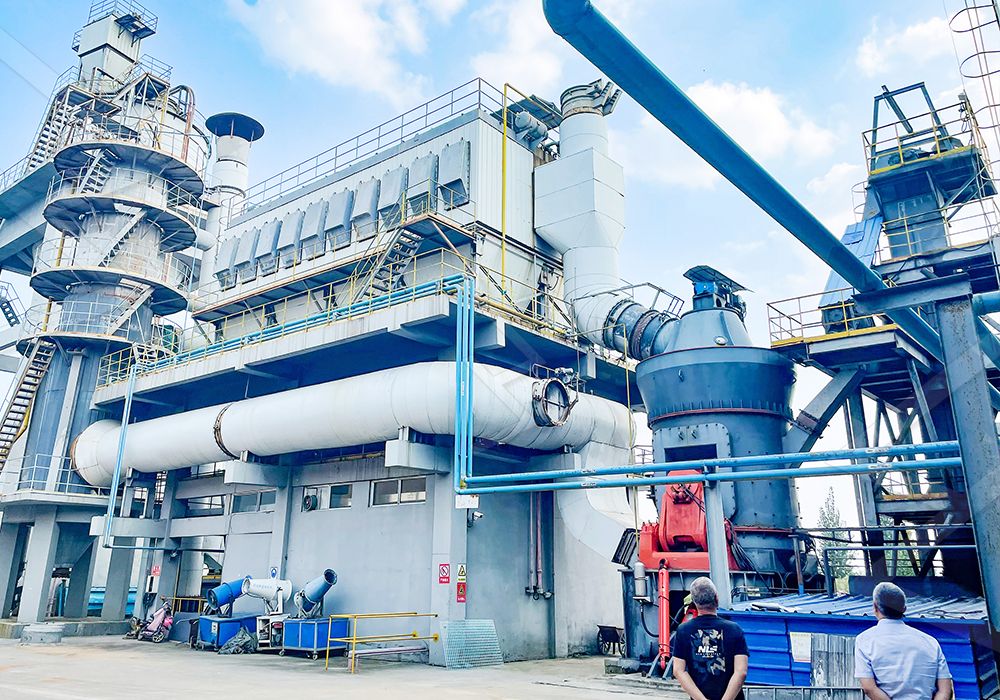
Process Flow Diagram
The typical slag grinding process involves:
- Pre-Crushing: Slag is initially crushed to ≤20mm using jaw crushers.
- Drying: Moisture is reduced to <1% in integrated drying-grinding systems.
- Grinding: Key phase where slag is pulverized to target fineness (325-2500 mesh).
- Classification: Advanced separators ensure precise particle size distribution.
- Collection: Pulse dust collectors achieve >99.9% efficiency.
Equipment Selection Criteria
When selecting slag grinding equipment, consider:
- Throughput requirements (3-340 tph)
- Target fineness (d97 ≤ 5μm achievable)
- Moisture content (up to 15% handled without pre-drying)
- Wear resistance (critical for abrasive slag)
- Energy efficiency (30-50% savings vs ball mills)
Recommended Solutions
For power plant slag applications, we particularly recommend our MW Ultrafine Grinding Mill and LM Vertical Slag Mill:
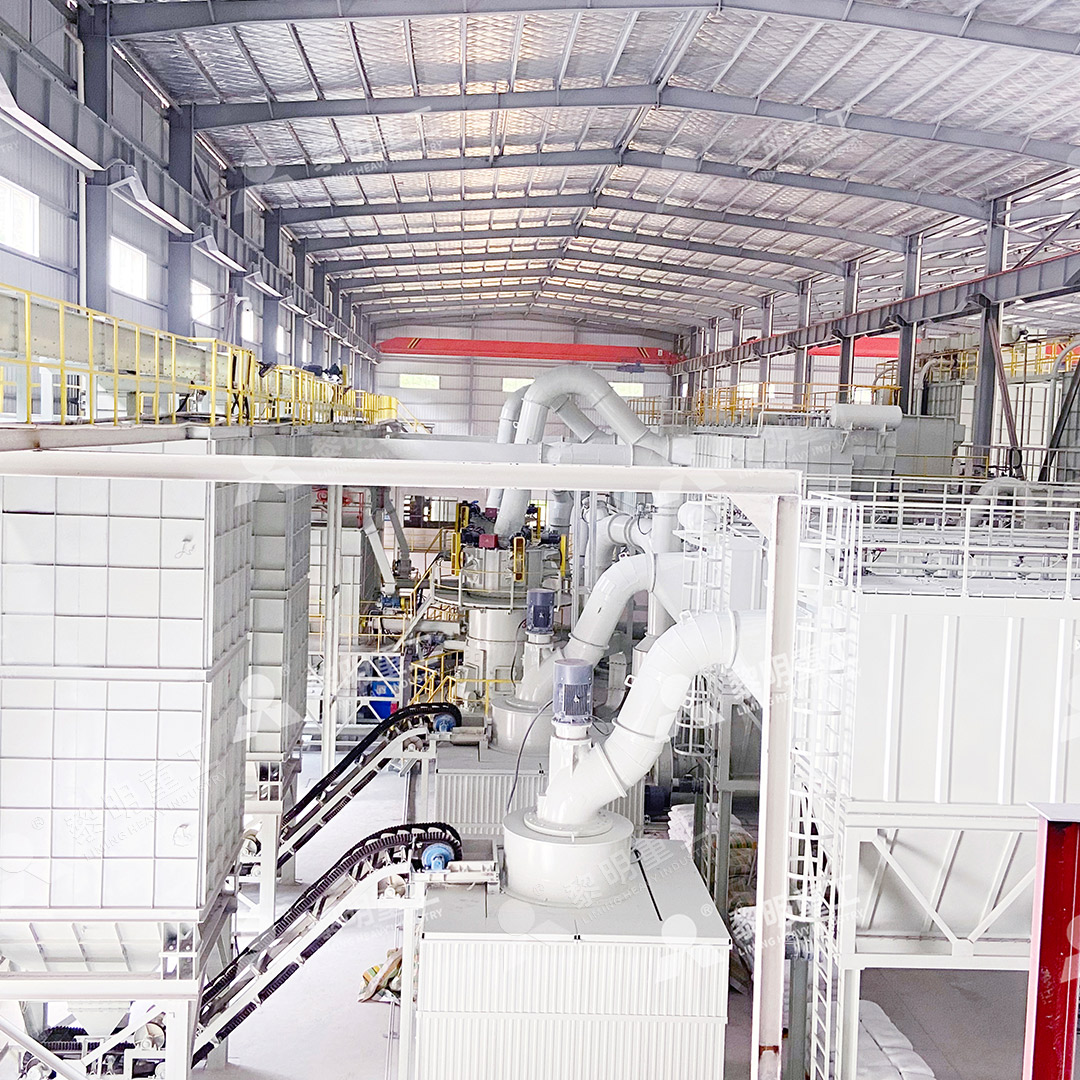
MW Ultrafine Grinding Mill
With input size 0-20mm and capacity 0.5-25tph, this mill features:
- 40% higher output than jet mills at same energy input
- Adjustable fineness (325-2500 mesh)
- Bearing-free grinding chamber design
- Integrated pulse dust collection system
The MW series excels in producing ultra-fine slag powders for high-value applications like cement additives.
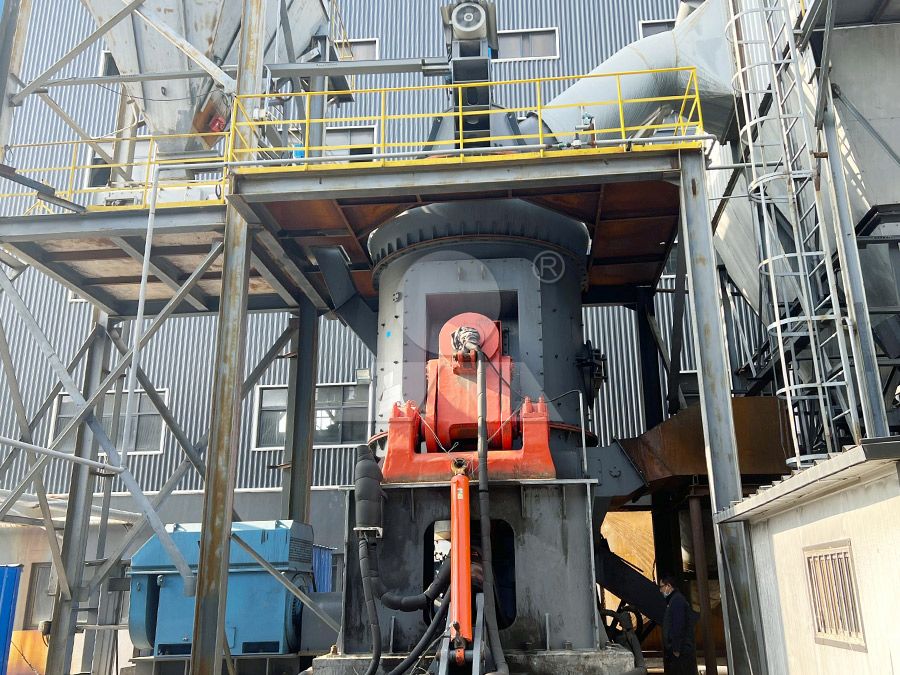
LM Vertical Slag Mill
For large-scale operations (7-100tph):
- 50% smaller footprint than ball mill systems
- 30-40% energy savings
- Simultaneous drying and grinding
- Special wear-resistant alloy grinding components
Technical Comparison
| Model | MW Series | LM Vertical |
|---|---|---|
| Optimal Feed Size | 0-20mm | 38-65mm |
| Capacity Range | 0.5-25tph | 7-100tph |
| Fineness | d97≤5μm | 400-450m²/kg |
| Power Consumption | 30kWh/t | 25kWh/t |
Conclusion
Modern slag grinding requires equipment that combines high efficiency with durability. LIMING’s MW and LM series mills incorporate German grinding technology with robust Chinese manufacturing, delivering 24/7 operation with minimal maintenance. The MW Ultrafine Grinding Mill is particularly recommended for premium slag powder production, while the LM Vertical Slag Mill offers unbeatable economics for large-volume applications.
Both solutions feature our proprietary wear-resistant alloys and intelligent control systems, ensuring optimal performance throughout the equipment lifecycle. Contact our technical team for customized slag grinding solutions tailored to your specific project requirements.