
Power Plant Coal Slag Grinding Equipment for Brick Making: Production Process & Finished Product Guide
We provide a wide range of mills — including Raymond mill, trapezoidal mill, vertical mill, ultrafine mill, and ball mill, obtained ISO9001 international quality certification, EU CE certification, and Customs Union CU-TR certification. Suitable for processing minerals such as limestone, phosphate, quicklime, kaolin, talc, barite, bentonite, calcium carbonate, dolomite, coal, gypsum, clay, carbon black, slag, cement raw materials, cement clinker, and more.
The discharge range of these mills can be adjusted to meet specific processing needs, typically from 80-400 mesh, 600-3250 mesh, and can achieve the finest particle size of up to 6000 mesh(D50).
If you are looking for a reliable grinding solution to turn stone or minerals into fine powder, please feel free to contact our online customer service.
Power Plant Coal Slag Grinding Equipment for Brick Making: Production Process & Finished Product Guide
In the construction industry, repurposing industrial by-products like power plant coal slag into valuable materials is not just economical—it’s environmentally responsible. Coal slag, a granular by-product from coal combustion, possesses pozzolanic properties that make it an excellent raw material for brick production. However, to transform this coarse slag into a usable powder, efficient grinding equipment is essential. This guide delves into the production process and highlights key equipment for optimal results.
Why Grind Coal Slag for Brick Making?
Raw coal slag is typically coarse and uneven, which can compromise the structural integrity and appearance of bricks. Grinding it into a fine, uniform powder enhances its reactivity and binding properties, leading to bricks with higher strength, better durability, and improved consistency. Additionally, fine slag powder reduces water absorption and increases resistance to environmental factors, making the bricks suitable for various construction applications.
Production Process Overview
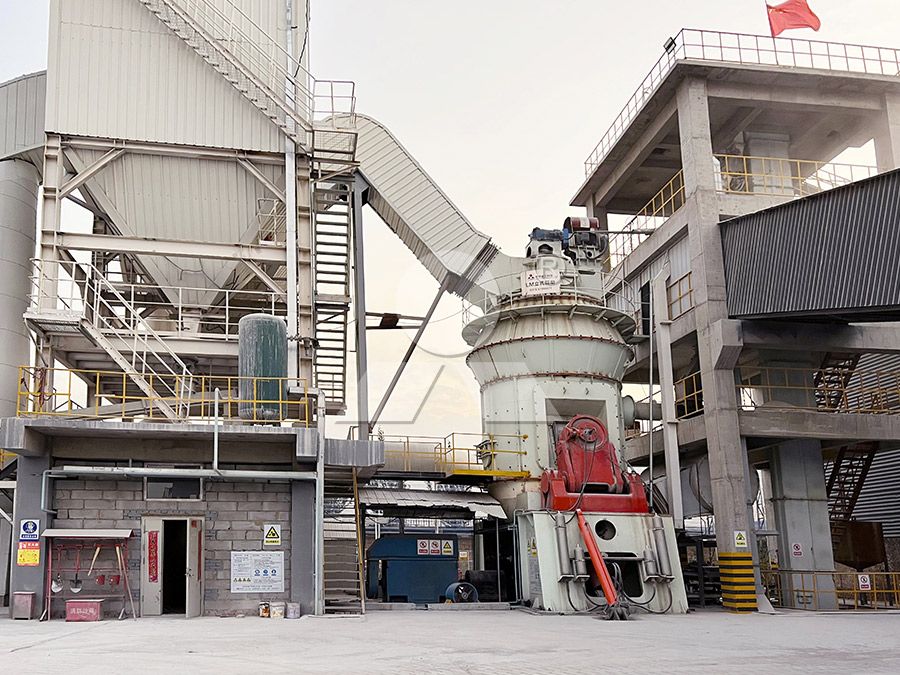
The process begins with collecting and pre-processing coal slag to remove impurities and achieve a consistent feed size. The slag is then fed into a grinding mill, where it is pulverized to the desired fineness (typically between 325 to 2500 meshes). Post-grinding, the fine powder is mixed with other raw materials like clay or cement, molded into bricks, and cured. The entire process emphasizes efficiency, minimal waste, and environmental sustainability.
Key Equipment for Grinding Coal Slag
Selecting the right grinding mill is critical for productivity and cost-effectiveness. Two standout options for coal slag processing are:
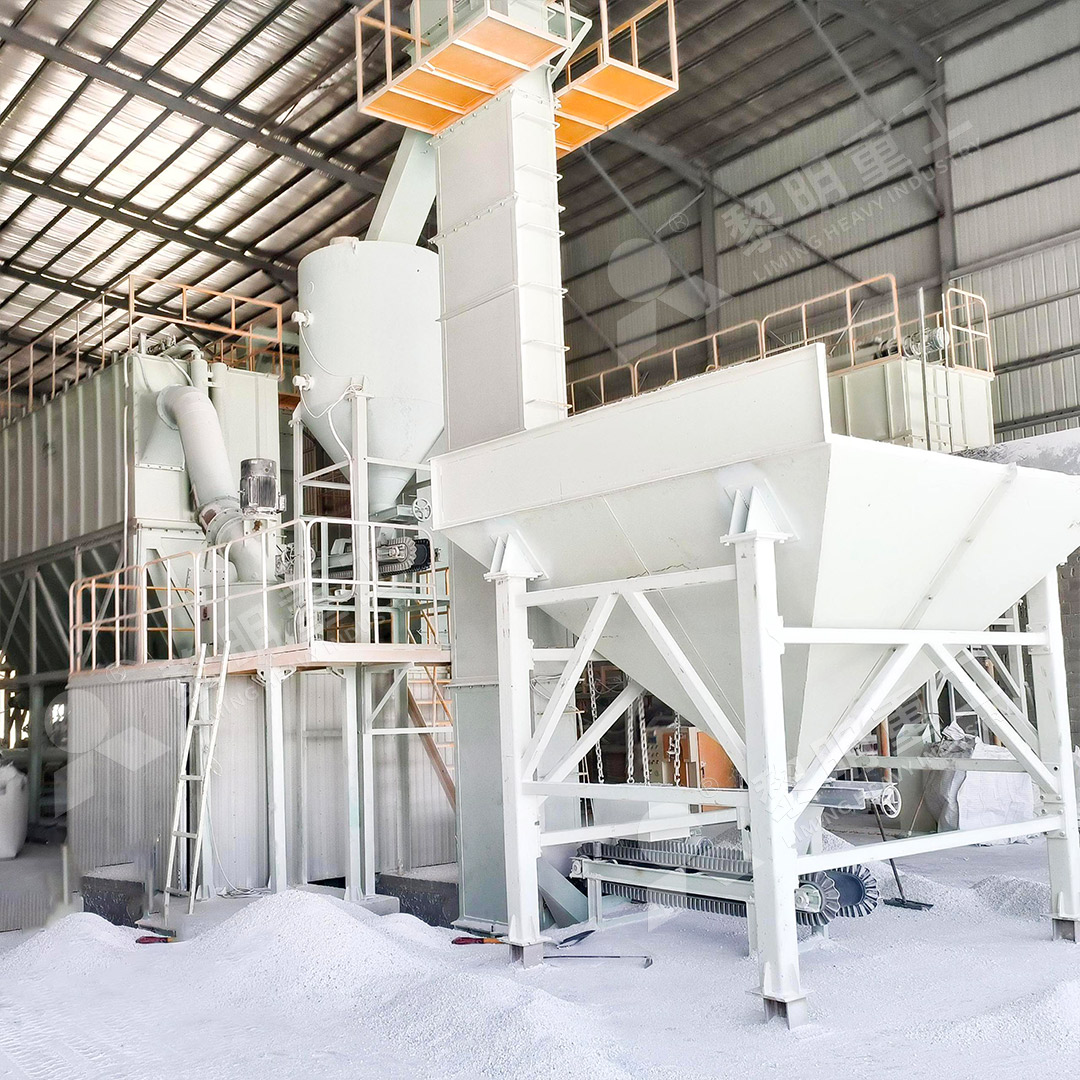
1. MW Ultrafine Grinding Mill
For operations requiring ultra-fine powder with high precision, the MW Ultrafine Grinding Mill is an ideal choice. It handles input sizes up to 20 mm and offers a capacity range of 0.5-25 tph. Its advanced features include higher yielding with 40% increased production capacity compared to jet mills, adjustable fineness between 325-2500 meshes, and an eco-friendly design with efficient dust collection and noise reduction. The absence of rolling bearings and screws in the grinding chamber minimizes maintenance risks, while external lubrication allows for 24/7 operation. This mill is perfect for producing fine slag powder that enhances brick quality and reduces energy consumption.
2. LM Vertical Slag Mill
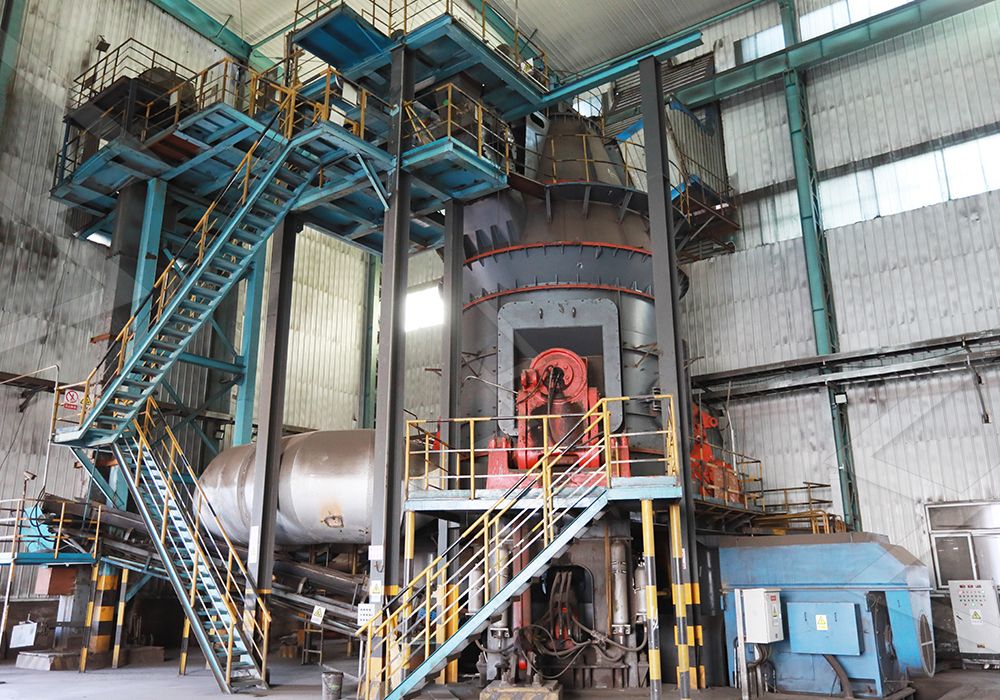
For larger-scale projects focusing on integration and efficiency, the LM Vertical Slag Mill excels. It processes input sizes of 38-65 mm with capacities from 7-100 tph. This mill integrates drying, grinding, and powder selection in one system, reducing footprint by 50% and energy use by 30-40%. Its robust design ensures stable operation, low noise, and high wear resistance, making it suitable for continuous slag grinding. The finished powder has uniform fineness and high screening rates, crucial for consistent brick production. This mill is a workhorse for plants aiming to maximize output while adhering to environmental standards.
Finished Product Quality and Applications
Properly ground coal slag powder results in bricks with superior compressive strength, reduced weight, and enhanced thermal insulation. These bricks are ideal for residential, commercial, and infrastructural projects, contributing to sustainable building practices. By utilizing grinding mills like the MW or LM series, manufacturers can achieve high-quality products while repurposing industrial waste, aligning with circular economy principles.
Conclusion
Grinding coal slag for brick making is a smart, sustainable approach that leverages advanced milling technology. Equipment such as the MW Ultrafine Grinding Mill and LM Vertical Slag Mill offer reliability, efficiency, and environmental benefits, ensuring optimal results. By investing in the right machinery, producers can transform waste into valuable construction materials, driving both profitability and eco-innovation.