
Power Plant Clinker Grinder Crusher: Selection Guide & Operation Tips
We provide a wide range of mills — including Raymond mill, trapezoidal mill, vertical mill, ultrafine mill, and ball mill, obtained ISO9001 international quality certification, EU CE certification, and Customs Union CU-TR certification. Suitable for processing minerals such as limestone, phosphate, quicklime, kaolin, talc, barite, bentonite, calcium carbonate, dolomite, coal, gypsum, clay, carbon black, slag, cement raw materials, cement clinker, and more.
The discharge range of these mills can be adjusted to meet specific processing needs, typically from 80-400 mesh, 600-3250 mesh, and can achieve the finest particle size of up to 6000 mesh(D50).
If you are looking for a reliable grinding solution to turn stone or minerals into fine powder, please feel free to contact our online customer service.
Power Plant Clinker Grinder Crusher: Selection Guide & Operation Tips
Hey folks, let’s talk about a critical piece of kit in any power plant operation: the clinker grinder or crusher. If you’ve been in this game for a while, you know that handling the tough, abrasive clinker from boiler bottoms is no joke. It’s a brutal environment that demands rugged, reliable equipment. Selecting the right machine and operating it correctly ain’t just about efficiency; it’s about minimizing downtime and avoiding costly repairs. Let’s break it down.
The Selection Conundrum: What to Look For
First off, not all grinders are created equal. You’re dealing with extremely hard, abrasive material, often at elevated temperatures. The wrong choice will cost you a fortune in maintenance and parts replacement. Key factors to consider include:
- Material Hardness & Abrasiveness: Clinker is nasty stuff. Your machine needs hardened, wear-resistant alloys in all critical contact areas.
- Capacity (Tons Per Hour): Don’t undersize! You need a machine that can handle peak loads without bogging down.
- Feed Size: What’s the max lump size coming out of your boiler? Make sure the inlet can handle it.
- Reliability & Maintenance: Easy access for inspection and part replacement is non-negotiable. Downtime is expensive.
- Dust Control: A good sealing system and integration with dust collection is vital for environmental compliance and worker safety.
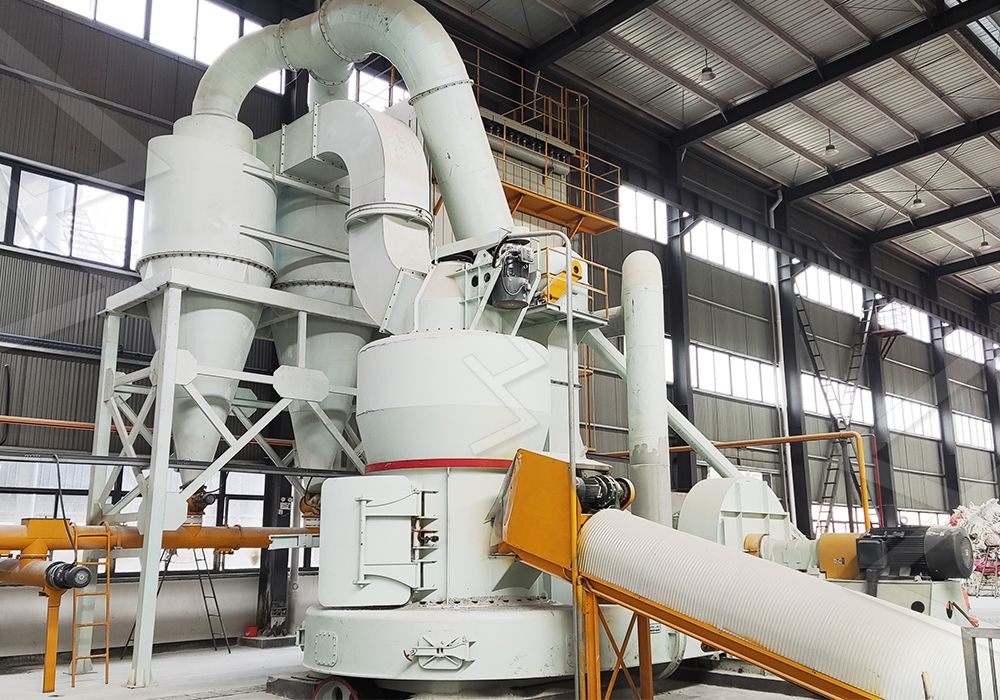
Operation Tips for Maximizing Lifespan
You’ve bought a good machine, now don’t ruin it with poor practices. Here are some hard-earned tips from the field:
- Avoid Metal Contamination: Tramp metal is the #1 enemy of grinders. Ensure your upstream systems (like ash handling) have effective tramp metal magnets or detectors. A single piece of rebar can wreck hammers and grinding elements.
- Monitor Vibration & Noise: A sudden change in vibration or sound often means trouble—a broken part, severe wear, or a bearing on its way out. Install monitors and listen to your machine.
- Uniform Feeding is Key: Don’t starve it and don’t flood it. A steady, consistent feed rate prevents plugging and ensures optimal grinding efficiency. Use a vibratory feeder or regulated conveyor.
- Lubrication, Lubrication, Lubrication: Follow the manufacturer’s schedule religiously with the recommended lubricants. High temperatures can break down grease faster.
- Keep Spares On Hand: Don’t get caught waiting for a critical part. Keep a inventory of wear parts like hammers, grinding rings, or rollers.
Considering an Upgrade? Look at Advanced Grinding Solutions
If you’re running older ball mills or basic crushers, you’re likely burning through power and parts. Modern vertical grinding mills offer a significant step up in efficiency, lower energy consumption, and better particle size control. For power plants looking to process clinker or other by-products into a valuable, consistent powder, this is the way to go.
For instance, our LUM Ultrafine Vertical Grinding Mill is a beast built for this kind of work. It handles input sizes up to 10mm and capacities from 5-18 tph. Its unique roller shell and lining plate design generates a stable material layer for efficient single-pass grinding. The multi-head powder separating technology, controlled by a PLC system, allows for precise control over fineness. Crucially, its double position-limiting technology prevents destructive impacts from vibration, a common issue in plant environments. The reversible structure is a maintenance hero—allowing rollers to be easily swung out for inspection or replacement, drastically cutting downtime.
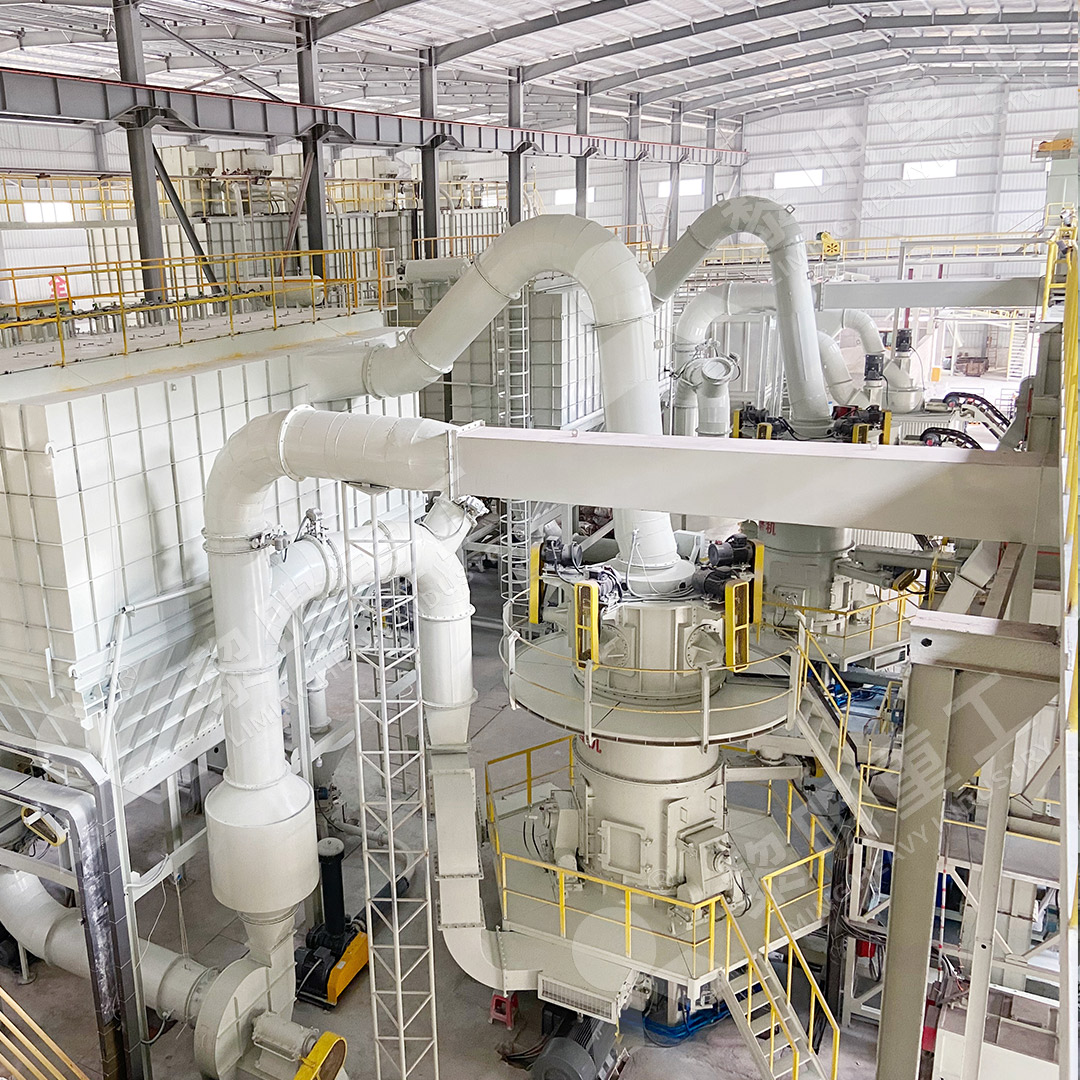
Another top-tier option for fine powder production is the MW Ultrafine Grinding Mill. Perfect if you need to go really fine (adjustable between 325-2500 meshes!). It boasts higher yielding and lower energy consumption—about 40% higher capacity than jet mills with system energy consumption only 30% of one. A huge advantage for clinker grinding is its design: there are no rolling bearings or screws inside the grinding chamber. This eliminates a major point of failure. You’re free from worries about bearing seizures or damage from loose screws flying around. Plus, it’s equipped with an efficient pulse dust collector, making the entire operation much cleaner and more eco-friendly.
Conclusion
Selecting and operating a clinker grinder isn’t rocket science, but it does require careful thought and disciplined maintenance. Don’t just buy the cheapest option; consider the total cost of ownership. And if you’re still fighting with an outdated, inefficient setup, maybe it’s time to talk about a modern vertical grinding solution. The right equipment will save you money, headaches, and keep your plant running smoothly.
Stay safe and keep grinding!