
Potassium Ore Grinding Mill for Efficient Mineral Processing
We provide a wide range of mills — including Raymond mill, trapezoidal mill, vertical mill, ultrafine mill, and ball mill, obtained ISO9001 international quality certification, EU CE certification, and Customs Union CU-TR certification. Suitable for processing minerals such as limestone, phosphate, quicklime, kaolin, talc, barite, bentonite, calcium carbonate, dolomite, coal, gypsum, clay, carbon black, slag, cement raw materials, cement clinker, and more.
The discharge range of these mills can be adjusted to meet specific processing needs, typically from 80-400 mesh, 600-3250 mesh, and can achieve the finest particle size of up to 6000 mesh(D50).
If you are looking for a reliable grinding solution to turn stone or minerals into fine powder, please feel free to contact our online customer service.
Unlocking Potassium Potential: Advanced Grinding Solutions for Modern Mining
The efficient processing of potassium ores presents unique challenges for the mining industry. As global demand for potash-based fertilizers continues to grow, operators seek grinding technologies that deliver superior particle size control, energy efficiency, and operational reliability. The transformation of raw potassium ore into valuable agricultural products begins with precise comminution – a process where the choice of grinding equipment makes all the difference.
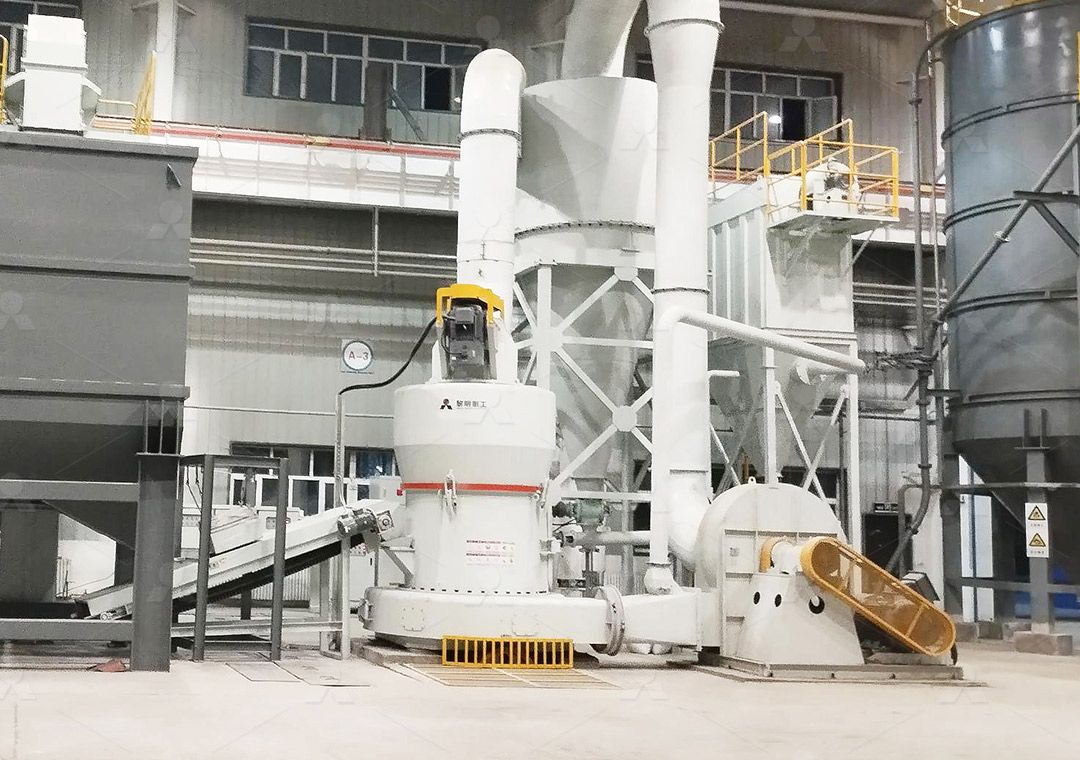
Traditional grinding methods often fall short when processing potassium salts, which can be both abrasive and prone to moisture absorption. The crystalline structure of sylvite and other potassium-bearing minerals requires careful handling to prevent degradation and maintain product quality throughout the grinding circuit.
The Evolution of Potassium Ore Grinding Technology
Over the past decade, grinding mill technology has undergone significant advancements. Where conventional ball mills once dominated mineral processing plants, today’s operations increasingly turn to more sophisticated vertical grinding systems and specialized ultrafine mills. This shift reflects the industry’s dual focus on energy conservation and product quality enhancement.
Modern potassium processing facilities demand equipment that can handle variations in ore hardness and composition while maintaining consistent output quality. The ideal grinding solution must accommodate feed size fluctuations, provide flexible fineness adjustment, and integrate seamlessly with downstream classification and drying processes.
Specialized Equipment for Potassium Applications
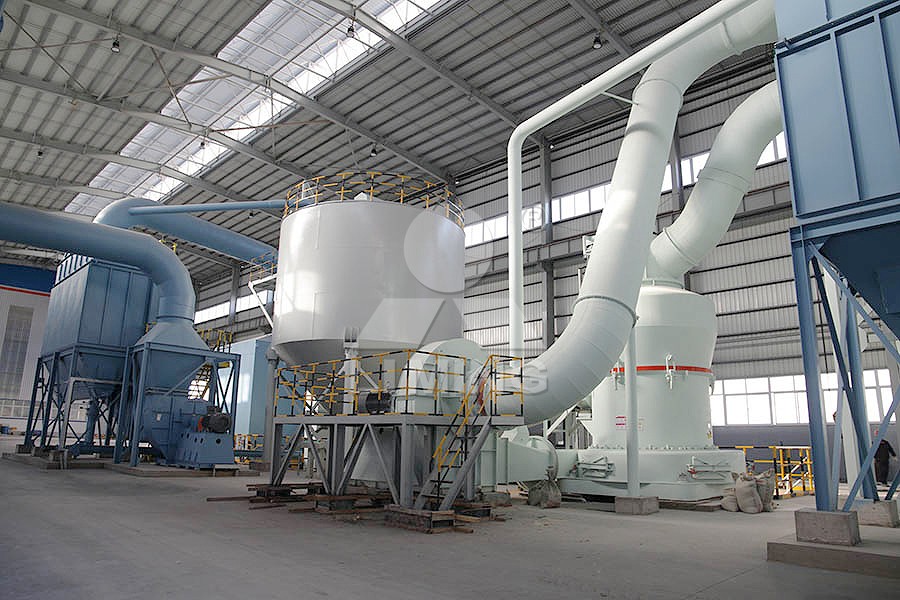
Among the available technologies, our MW Ultrafine Grinding Mill stands out as particularly well-suited for potassium ore processing. Engineered for customers requiring ultra-fine powder production, this machine handles input sizes up to 20 mm with capacities ranging from 0.5 to 25 tons per hour. The MW series incorporates German cage-type powder selector technology, enabling precise fineness adjustment between 325-2500 meshes – a critical capability for meeting specific product specifications in the fertilizer industry.
What truly distinguishes the MW Ultrafine Grinding Mill in potassium applications is its innovative chamber design. With no rolling bearings or screws in the grinding chamber, operators avoid concerns about bearing damage or loose screw-related failures. The external lubrication system permits maintenance without shutdowns, supporting continuous 24-hour operation that aligns with typical mining production schedules.
Environmental and Operational Advantages
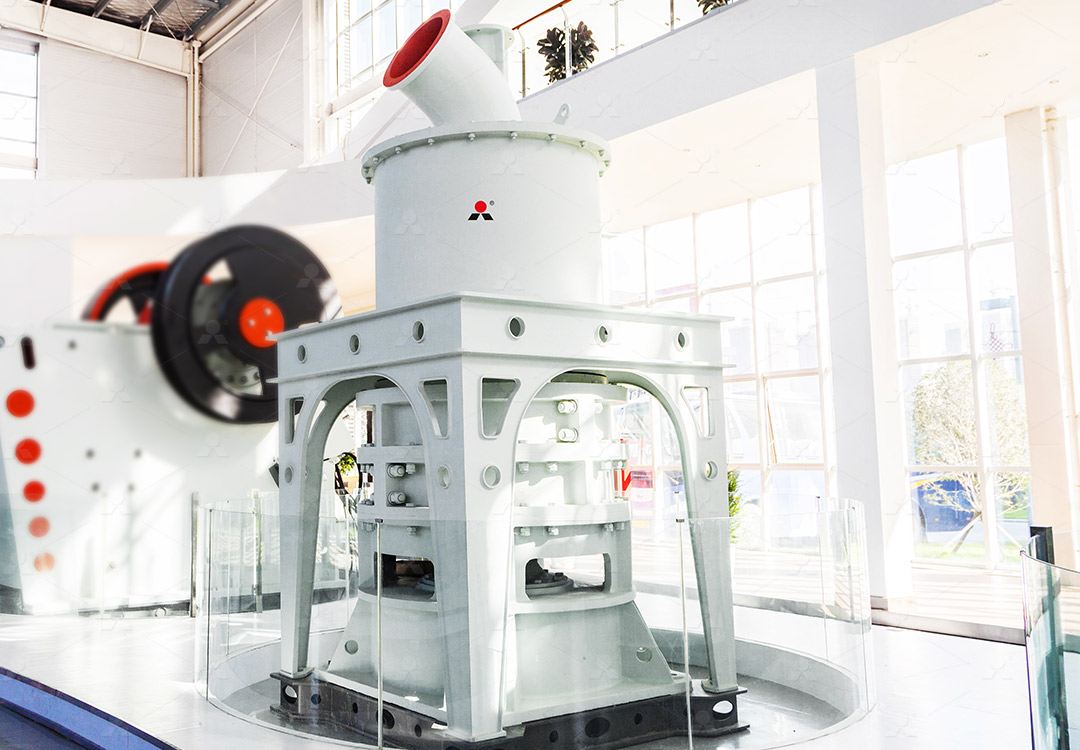
Potassium processing plants face increasing scrutiny regarding their environmental footprint. The MW Ultrafine Grinding Mill addresses these concerns through integrated pulse dust collection and noise reduction systems. Efficient pulse dust collectors prevent particulate emissions during operation, while silencers and noise elimination rooms maintain workplace comfort and regulatory compliance.
From an operational perspective, the MW series demonstrates remarkable efficiency gains. Compared to jet grinding mills and stirred grinding mills operating at equivalent fineness and power, production capacity increases by approximately 40%. When measured against traditional ball grinding mills, the yield improvement reaches 100%, while system energy consumption drops to just 30% of jet mill requirements.
Process Integration and Control
Successful potassium ore grinding depends on more than just the mill itself. Proper integration with feeding, classification, and material handling systems ensures optimal performance. The MW Ultrafine Grinding Mill’s working principle centers on centrifugal force distribution, with material fed to the central part of the upper turnplate before falling to the raceway for grinding. After initial processing in the first raceway, material progresses to secondary and tertiary turnplates for progressive refinement.
The grinding system incorporates sophisticated airflow management, with blowers drawing external air into the mill to transport processed powder to the separator. Turbine-driven separation ensures coarse particles return for regrinding while fine product proceeds to cyclone collection. This closed-loop design maximizes efficiency and product consistency.
Future Directions in Potassium Ore Comminution
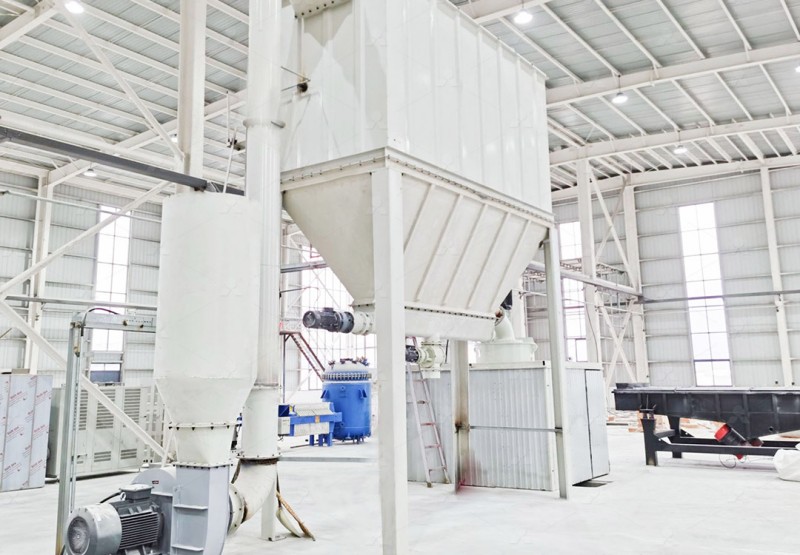
As potassium mining ventures into more complex deposits and lower-grade ores, grinding technology must continue evolving. The industry trend toward digitalization and automation finds expression in mills like the MW series, where numerical control machining ensures high precision for core components. Digital control systems enable remote monitoring and adjustment of grinding parameters, allowing operations to optimize performance in real-time based on ore characteristics.
The integration of grinding with classification and drying processes represents another frontier. Modern grinding systems increasingly function as integrated processing stations rather than standalone units, reducing material handling and improving overall plant efficiency.
Conclusion
Selecting the appropriate grinding technology for potassium ore processing requires careful consideration of ore characteristics, product specifications, and operational constraints. The MW Ultrafine Grinding Mill offers a compelling solution that balances production capacity, energy efficiency, and environmental compliance. Its specialized design addresses the particular challenges of potassium salt comminution while providing the flexibility needed to adapt to varying feed conditions and market requirements.
As the global agriculture sector continues to depend on potassium-based fertilizers, advances in grinding technology will play an increasingly important role in ensuring sustainable and economically viable production. Through continued innovation in mill design and process integration, the industry can look forward to further improvements in efficiency, product quality, and environmental performance.
Frequently Asked Questions
What makes potassium ore particularly challenging to grind?
Potassium ores often contain mixtures of minerals with different hardness characteristics, particularly sylvite and halite. These salts can be both abrasive and prone to dissolution in water, requiring careful moisture control during grinding. Additionally, the plate-like structure of some potassium minerals demands precise grinding action to achieve desired particle shapes without excessive fines generation.
How does the MW Ultrafine Grinding Mill achieve higher energy efficiency compared to traditional mills?
The MW series incorporates several energy-saving features including newly designed grinding curves for the roller and ring that enhance grinding efficiency. The cage-type powder selector reduces resistance while maintaining separation precision. Additionally, the mill’s optimized airflow system minimizes pressure drops and the external lubrication system reduces mechanical losses.
What particle size distribution can be achieved when grinding potassium ore?
The MW Ultrafine Grinding Mill can produce potassium powders with fineness ranging from 325 to 2500 meshes, with the capability to achieve d97≤5μm in a single pass. The exact particle size distribution can be precisely controlled through adjustment of the cage-type powder selector and grinding parameters.
How does the mill handle variations in moisture content in the feed material?
While the MW Ultrafine Grinding Mill is primarily designed for dry grinding, it can accommodate moderate moisture variations through adjusted airflow and temperature control. For high-moisture feeds, we recommend preliminary drying or considering our LUM Ultrafine Vertical Grinding Mill which integrates grinding and drying more comprehensively.
What maintenance requirements should operators anticipate?
The MW series requires minimal maintenance thanks to its absence of rolling bearings and screws in the grinding chamber. Routine maintenance primarily involves monitoring wear parts (grinding rollers and rings) and the external lubrication system. Typical wear part lifetime ranges from 2,000 to 5,000 operating hours depending on ore abrasiveness.
Can the grinding fineness be adjusted during operation?
Yes, the MW Ultrafine Grinding Mill allows real-time adjustment of product fineness through the cage-type powder selector without requiring shutdown. This enables operators to respond quickly to changes in product specifications or ore characteristics.
What safety features are incorporated into the design?
The mill includes multiple safety systems including mechanical protection devices, temperature monitoring, vibration sensors, and pressure relief mechanisms. The pulse dust collector prevents combustible dust accumulation, while the completely enclosed design contains the grinding process.