
Potassium Feldspar Grinding Mill Production and Processing Equipment
We provide a wide range of mills — including Raymond mill, trapezoidal mill, vertical mill, ultrafine mill, and ball mill, obtained ISO9001 international quality certification, EU CE certification, and Customs Union CU-TR certification. Suitable for processing minerals such as limestone, phosphate, quicklime, kaolin, talc, barite, bentonite, calcium carbonate, dolomite, coal, gypsum, clay, carbon black, slag, cement raw materials, cement clinker, and more.
The discharge range of these mills can be adjusted to meet specific processing needs, typically from 80-400 mesh, 600-3250 mesh, and can achieve the finest particle size of up to 6000 mesh(D50).
If you are looking for a reliable grinding solution to turn stone or minerals into fine powder, please feel free to contact our online customer service.
Potassium Feldspar Grinding Mill Production and Processing Equipment
Potassium feldspar, a crucial industrial mineral, demands precise and efficient processing to unlock its full potential in ceramics, glassmaking, and filler applications. The journey from raw ore to fine, consistent powder hinges on selecting the right grinding and processing equipment. This article explores the critical considerations for potassium feldspar milling and highlights advanced solutions that enhance yield, quality, and operational sustainability.
The Grinding Challenge: From Ore to Powder
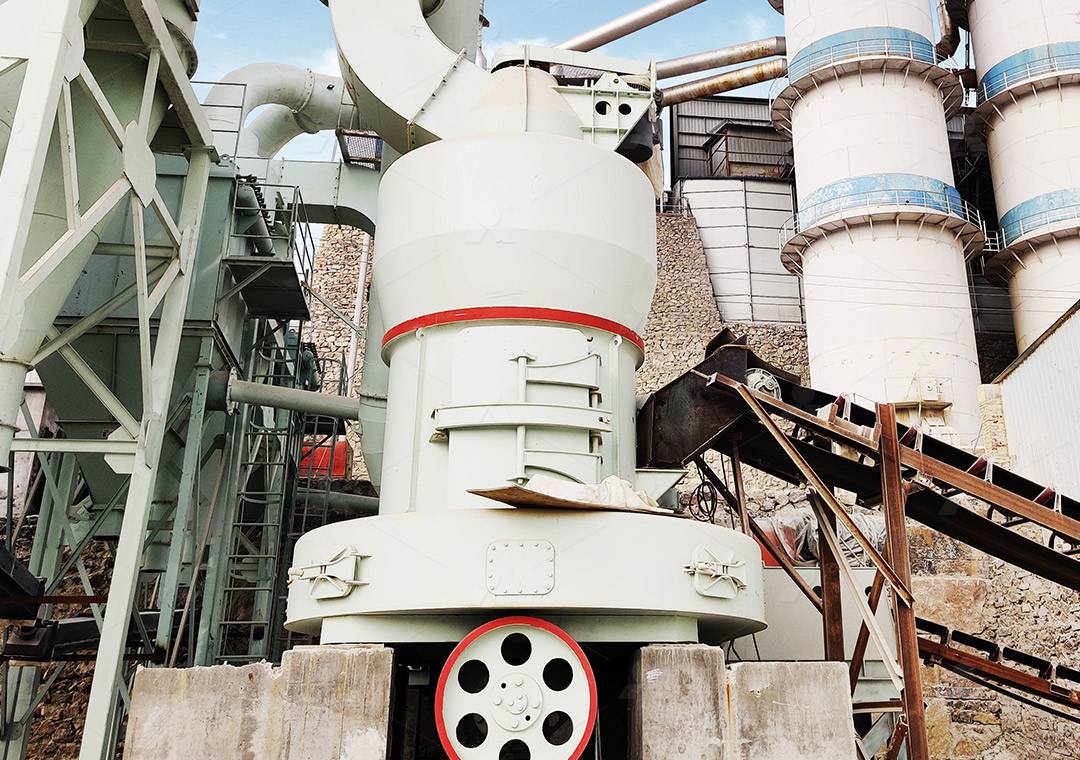
Processing potassium feldspar presents unique challenges. The material’s hardness (around 6 on the Mohs scale) and the requirement for specific particle size distributions—often in the ultra-fine range for high-value applications—demand robust yet precise milling technology. Traditional methods like ball mills can be inefficient, leading to high energy consumption, excessive wear, and inconsistent product quality with potential iron contamination. Modern operations require systems that integrate crushing, drying, grinding, and classification into a cohesive, automated process flow.
Key Equipment Considerations for Optimal Processing
A well-designed potassium feldspar processing line extends beyond the core grinder. It encompasses several key stages:
- Primary Crushing: Jaw crushers reduce large feed material to a manageable size (typically below 50mm) for efficient feeding into the grinding mill.
- Drying: Integrated drying systems are vital if the raw material contains moisture, ensuring optimal grinding efficiency and preventing clogging.
- Grinding & Classification: This is the heart of the process. The chosen mill must deliver the target fineness (from coarse grit to 2500 mesh) with high efficiency and low contamination. An integrated, high-precision powder classifier is essential for controlling particle size distribution.
- Dust Collection & Automation: A closed-loop system with efficient pulse-jet dust collectors ensures a clean, environmentally compliant operation. Advanced PLC control systems allow for precise parameter adjustment and stable, continuous production.
Advanced Milling Solutions for Superior Results
Moving beyond conventional technology, several advanced mill designs offer significant advantages for potassium feldspar processing. Vertical roller mills, for instance, have revolutionized mineral grinding by integrating multiple functions into a single footprint. Their principle involves material being ground between rollers and a rotating table, with immediate classification by an internal separator. This design offers remarkable energy savings—often 30-50% less than ball mills—and superior drying capabilities when equipped with a hot air generator.
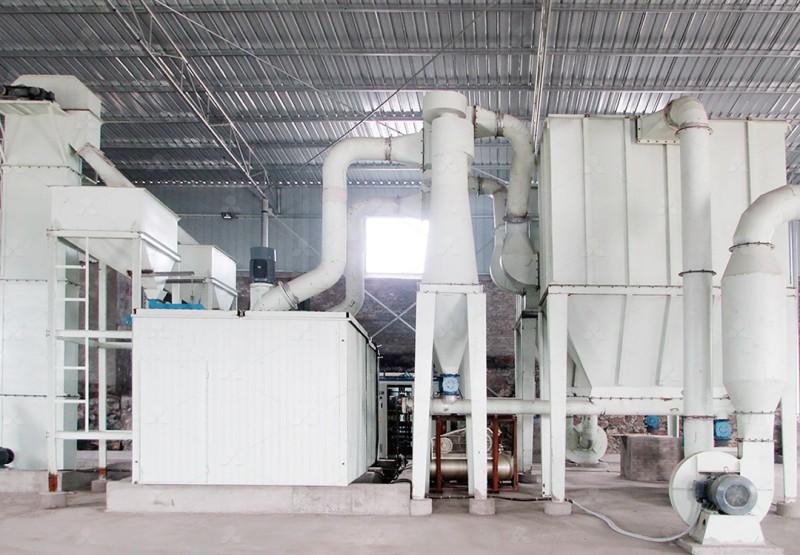
For applications demanding ultra-fine powders with exceptional whiteness and purity, specialized ultrafine grinding mills are the preferred choice. These systems often employ multiple grinding zones and advanced, multi-head cage-type powder selectors. A standout example in this category is our MW Ultrafine Grinding Mill. Engineered for customers requiring ultra-fine powder, this mill is a paradigm of efficiency and environmental stewardship. It features a unique grinding curve design that boosts capacity by up to 40% compared to jet mills while slashing energy use. Crucially, its product fineness is adjustable between 325-2500 meshes with a high screening rate of d97≤5μm. The mill chamber contains no rolling bearings or screws, eliminating common failure points and enabling worry-free, continuous 24-hour operation. Coupled with an efficient pulse dust collector and muffler, the entire system operates with minimal environmental impact.
Integrating the Complete System for Maximum ROI
The true measure of processing equipment success lies in total operational cost and product quality. Factors like maintenance accessibility, spare parts availability, and machining precision directly impact long-term profitability. Equipment designed with reversible roller structures or external lubrication points drastically reduces downtime for inspection and part replacement. Furthermore, mills constructed using numerically controlled machine tools ensure high precision in core components, leading to stable performance and extended service life.
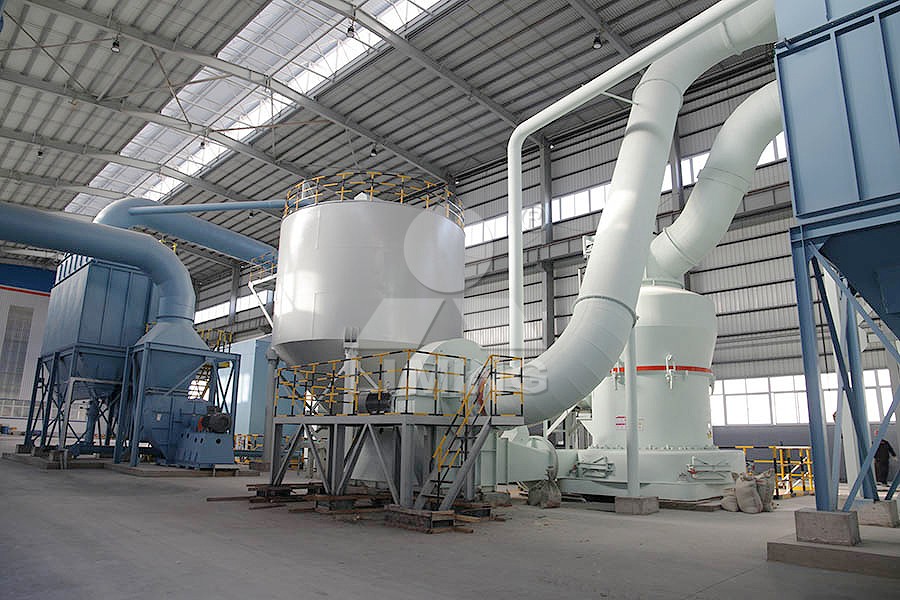
Another excellent option for high-capacity, fine grinding of potassium feldspar is the MTW-Z European Trapezium Mill. This mill is particularly adept at handling mid-to-fine grinding requirements with exceptional stability. Its innovative features include a dilute oil lubrication system for the grinding rollers—a maintenance-friendly technology—and an elastic volute damping structure that absorbs vibration for smoother operation. The large-diameter grinding rollers and low-resistance cage-type powder concentrator work in tandem to deliver higher grinding efficiency and lower energy consumption, making it a robust and cost-effective solution for consistent feldspar powder production.
Conclusion: Building a Future-Proof Processing Line
Selecting the optimal potassium feldspar grinding mill is a strategic decision that affects product quality, operational expense, and environmental compliance. By focusing on integrated systems that offer energy efficiency, precise classification, rugged reliability, and automated control, producers can achieve a significant competitive edge. Investing in advanced technology like the MW Ultrafine Grinding Mill for ultra-fine applications or the MTW-Z European Trapezium Mill for high-efficiency fine grinding ensures a processing line that is not only productive today but also adaptable and sustainable for the demands of tomorrow.
Frequently Asked Questions (FAQ)
- What is the typical feed size for a potassium feldspar grinding mill?
Feed size depends on the mill type. For ultra-fine mills like the MW series, optimal feed is usually below 20mm after primary crushing. Larger vertical or trapezium mills can often accept feed up to 50-70mm. - How is iron contamination prevented during the grinding process?
Advanced mills use several strategies: non-contact grinding designs (e.g., rollers not touching the table directly), wear parts made from specialized alloys to minimize mechanical wear, and magnetic separators at feed points to remove tramp iron. - What fineness range can be achieved for potassium feldspar powder?
With modern classifiers, fineness can be precisely controlled from coarse grades (10-20 mesh) for ceramics to very fine grades (up to 2500 mesh or d97 ≤ 5μm) for high-performance fillers and coatings, using mills like the MW Ultrafine Grinding Mill. - Are these grinding systems environmentally friendly?
Yes. Modern systems are fully enclosed and operate under negative pressure. They integrate high-efficiency pulse jet dust collectors (like those on the MW Mill) and silencers, ensuring dust emissions and noise levels meet stringent international environmental standards. - How is the moisture content in raw feldspar handled?
Many modern mills, especially vertical roller types, integrate a drying function. Hot air is introduced into the grinding chamber, simultaneously drying and grinding the material, which is essential for efficient processing and preventing clogging. - What are the main advantages of a vertical roller mill over a traditional ball mill for feldspar?
Key advantages include 30-50% lower energy consumption, integrated drying and grinding, a much smaller footprint (≈50% less area), shorter material retention time (reducing over-grinding), and generally lower iron contamination risk. - Is automated control important for a feldspar grinding plant?
Absolutely. PLC-based automation allows for precise control of grinding pressure, classifier speed, feed rate, and temperature. This ensures consistent product quality, optimizes energy use, enables remote monitoring, and allows for quick adjustments between different product specifications.