
Pictures of Limestone Grinding Mills: Types, Components, and Applications
We provide a wide range of mills — including Raymond mill, trapezoidal mill, vertical mill, ultrafine mill, and ball mill, obtained ISO9001 international quality certification, EU CE certification, and Customs Union CU-TR certification. Suitable for processing minerals such as limestone, phosphate, quicklime, kaolin, talc, barite, bentonite, calcium carbonate, dolomite, coal, gypsum, clay, carbon black, slag, cement raw materials, cement clinker, and more.
The discharge range of these mills can be adjusted to meet specific processing needs, typically from 80-400 mesh, 600-3250 mesh, and can achieve the finest particle size of up to 6000 mesh(D50).
If you are looking for a reliable grinding solution to turn stone or minerals into fine powder, please feel free to contact our online customer service.
Pictures of Limestone Grinding Mills: Types, Components, and Applications
Limestone grinding is a fundamental process in numerous industries, transforming raw limestone into fine powders used in everything from construction materials to pharmaceuticals. The choice of grinding mill significantly impacts efficiency, product quality, and operational costs. This article explores the common types of mills used for limestone, their key components, and their primary applications, with a special focus on some of the advanced solutions available today.
Common Types of Limestone Grinding Mills
Several mill designs are employed for grinding limestone, each with its own mechanism and advantages.
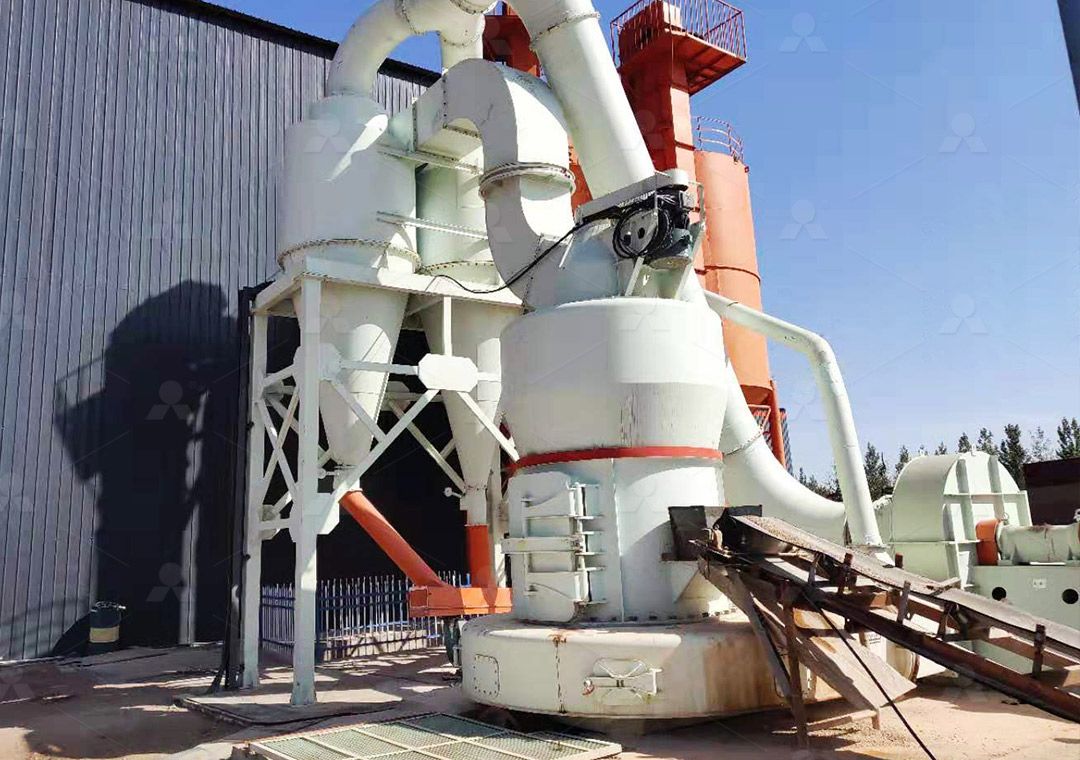
Raymond Mill (Roller Mill)
A classic and widely used design. Material is ground between rotating rollers and a stationary ring. It’s known for its reliability and is suitable for producing powders in the range of 80-325 mesh. It’s a solid workhorse for general-purpose grinding.
Ball Mill
This mill uses steel balls inside a rotating cylinder to crush and grind the material through impact and attrition. It’s a versatile option capable of very fine grinding but is generally less energy-efficient compared to more modern vertical mill designs.
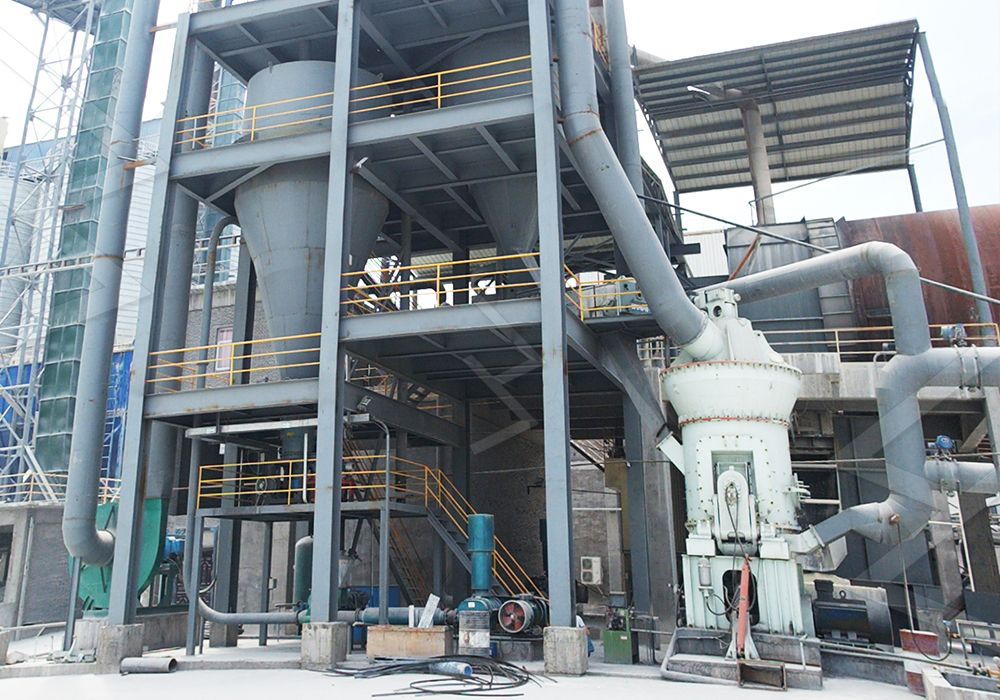
Vertical Roller Mill (VRM)
This is a more modern and efficient design. Material is fed onto a rotating table and crushed under hydraulic pressure by large rollers. VRMs integrate grinding, drying, and classification in a single unit, offering significant energy savings and a smaller footprint. Our LM Vertical Grinding Mill is a prime example of this technology, integrating crushing, drying, grinding, classifying and conveying together. Its coverage area is reduced by 50% compared to a ball mill, and it saves 30%-40% in energy consumption, making it an excellent choice for large-scale limestone processing operations.
Ultrafine Grinding Mills
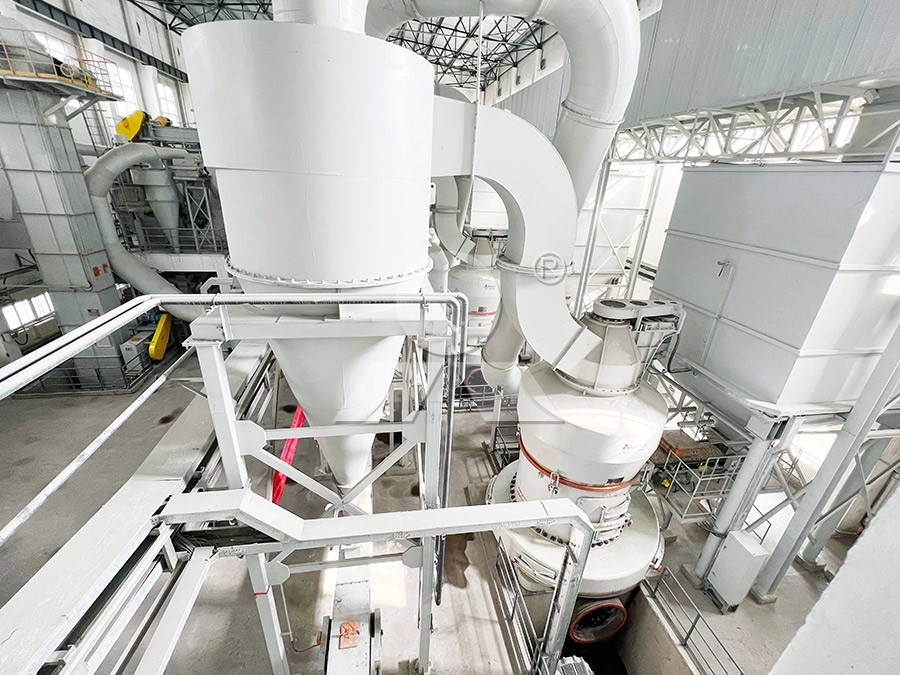
For applications requiring very fine powders (finer than 400 mesh), specialized mills are needed. These mills often use a combination of attrition and impact to achieve micron-sized particles. A standout in this category is our MW Ultrafine Grinding Mill. Designed for customers who need to make ultra-fine powder, this machine is engineered for higher yielding and lower energy consumption. It features a newly designed grinding curve that enhances efficiency, offering production capacity 40% higher than jet mills while consuming only 30% of the energy. It can produce powder with adjustable fineness between 325-2500 meshes, making it perfect for high-value applications like paints, cosmetics, and food additives. Furthermore, its innovative design includes no rolling bearings or screws in the grinding chamber, eliminating common failure points and allowing for external lubrication without shutdown.
Key Components of a Grinding Mill
Understanding the main parts helps in selecting and maintaining the right equipment:
- Grinding Elements: These are the parts that physically crush the material, such as rollers, balls, or rings. They are typically made from highly wear-resistant alloys.
- Classifier/Separator: This critical component separates fine particles from coarse ones, sending the oversize material back for further grinding. Advanced classifiers, like the cage-type selector in our MW Mill, ensure precise particle size control.
- Drive System: The motor and reducer that provide power to the grinding mechanism.
- Feeding and Discharge System: Equipment like screw feeders and rotary valves that control the flow of material into and out of the mill.
- Dust Collection System: Essential for maintaining a clean and safe operation. Our mills are equipped with efficient pulse dust collectors and mufflers to minimize environmental impact.
Applications of Ground Limestone
The fineness of the ground limestone determines its use:
- Construction: Coarser grinds are used as aggregate or in asphalt. Fine powders are a key ingredient in cement and concrete.
- Agriculture: Powdered limestone (aglime) is spread on soil to neutralize acidity and provide calcium.
- Industry: Used as a filler in plastics, paints, rubber, and paper to reduce cost and improve properties.
- Environmental: Used in flue gas desulfurization (FGD) systems to remove sulfur dioxide from power plant emissions.
- Specialty Applications: Ultrafine limestone is used in food as a calcium supplement, in pharmaceuticals as an inert filler, and in cosmetics.
Choosing the Right Mill
Selecting the appropriate grinding mill depends on your required production capacity, desired fineness, moisture content of the raw material, and energy consumption goals. For high-capacity, efficient grinding of limestone for construction and industrial uses, our LM Vertical Grinding Mill is an industry-leading solution. For producing ultra-fine, high-purity powders for chemical, food, and pharmaceutical applications, our MW Ultrafine Grinding Mill offers unparalleled efficiency and reliability. Both are backed by our commitment to precision manufacturing and comprehensive technical support.
Investing in the right grinding technology is crucial for optimizing your limestone processing operation, ensuring product quality, and maximizing your return on investment.