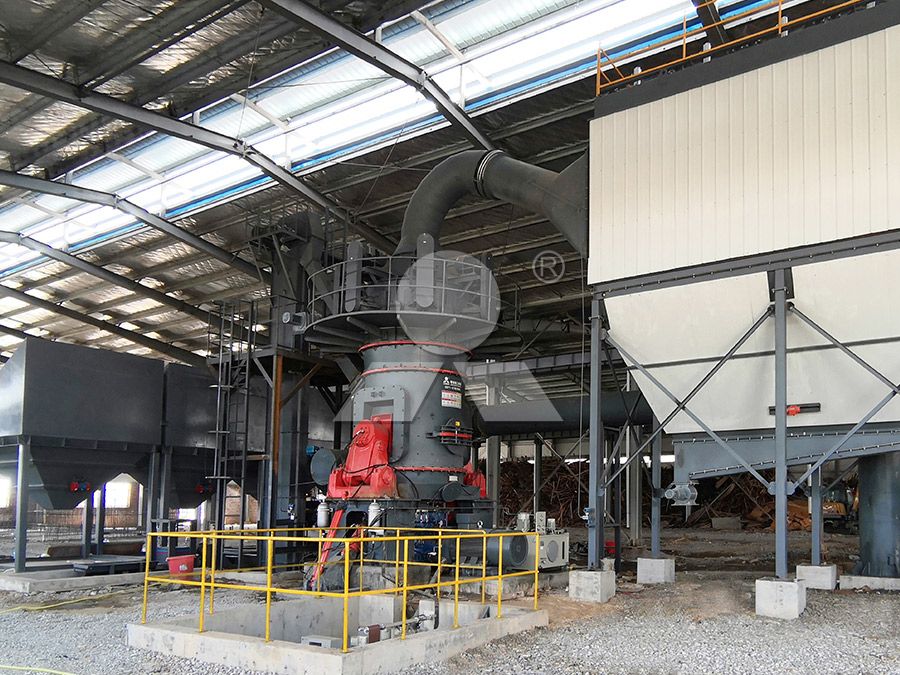
Phosphate Slag Grinding Process: How to Turn Waste into Valuable Resources
We provide a wide range of mills — including Raymond mill, trapezoidal mill, vertical mill, ultrafine mill, and ball mill, obtained ISO9001 international quality certification, EU CE certification, and Customs Union CU-TR certification. Suitable for processing minerals such as limestone, phosphate, quicklime, kaolin, talc, barite, bentonite, calcium carbonate, dolomite, coal, gypsum, clay, carbon black, slag, cement raw materials, cement clinker, and more.
The discharge range of these mills can be adjusted to meet specific processing needs, typically from 80-400 mesh, 600-3250 mesh, and can achieve the finest particle size of up to 6000 mesh(D50).
If you are looking for a reliable grinding solution to turn stone or minerals into fine powder, please feel free to contact our online customer service.
Phosphate Slag Grinding Process: How to Turn Waste into Valuable Resources
The global push for sustainable industrial practices has placed a significant emphasis on waste valorization. Among various industrial by-products, phosphate slag, a residue from phosphorus production, presents both a challenge and an opportunity. Historically considered a waste material occupying valuable landfill space, advancements in grinding technology have unlocked its potential as a valuable resource in construction, agriculture, and other industries. The key to this transformation lies in an efficient and precise grinding process that converts coarse, unusable slag into a fine, highly reactive powder.
Phosphate slag is characterized by its hard and abrasive nature, making its size reduction a demanding task for conventional milling equipment. Traditional ball mills often struggle with high energy consumption, significant wear and tear, and inconsistent product fineness. This is where modern, specialized grinding technology becomes indispensable. The process typically begins with primary crushing of the slag to a manageable size, followed by drying to reduce moisture content. The core of the operation, however, is the fine and ultra-fine grinding stage, which dictates the final product’s quality and reactivity.
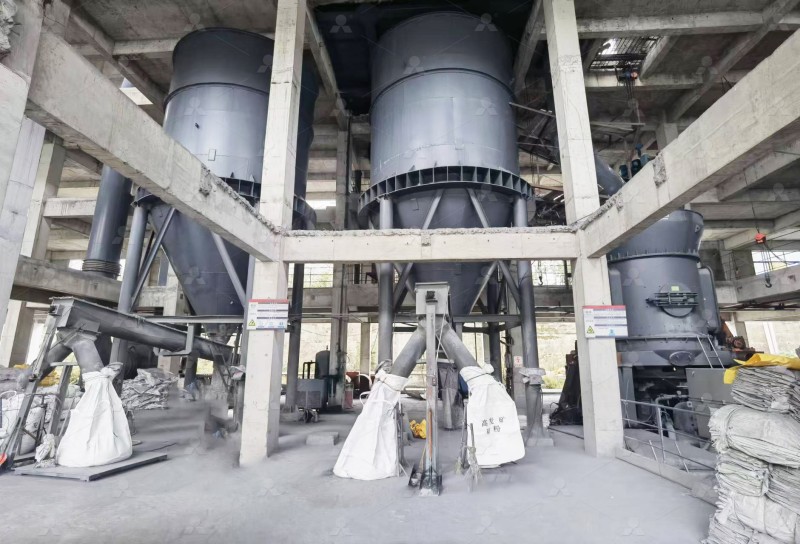
Selecting the right grinding mill is paramount for economic viability and product quality. For operations targeting ultra-fine powders (325-2500 meshes) with high production rates and low energy footprints, the MW Ultrafine Grinding Mill emerges as a superior solution. This machine is specifically engineered for customers who need to make ultra-fine powder from challenging materials like phosphate slag. With an input size of 0-20 mm and a capacity ranging from 0.5 to 25 tph, it offers remarkable flexibility. Its design incorporates several innovative features that directly address the difficulties of slag processing. The absence of rolling bearings and screws in the grinding chamber eliminates worries about bearing failures or loose screws causing downtime—a common headache in slag milling. Furthermore, its efficient pulse dust collector and muffler ensure the entire production process meets stringent environmental standards, containing dust and reducing noise pollution.
The benefits of using the MW Ultrafine Grinding Mill are substantial. Its newly designed grinding curves for the roller and ring enhance efficiency, yielding production capacities up to 40% higher than jet mills and twice that of ball mills for the same power input. Meanwhile, system energy consumption is slashed to just 30% of that of a jet mill. The German-technology cage-type powder selector allows for precise fineness adjustment between 325 and 2500 meshes, ensuring a consistently high-quality product with a screening rate achieving d97≤5μm in a single pass. This level of control is crucial for producing slag powder that meets specific industry specifications.
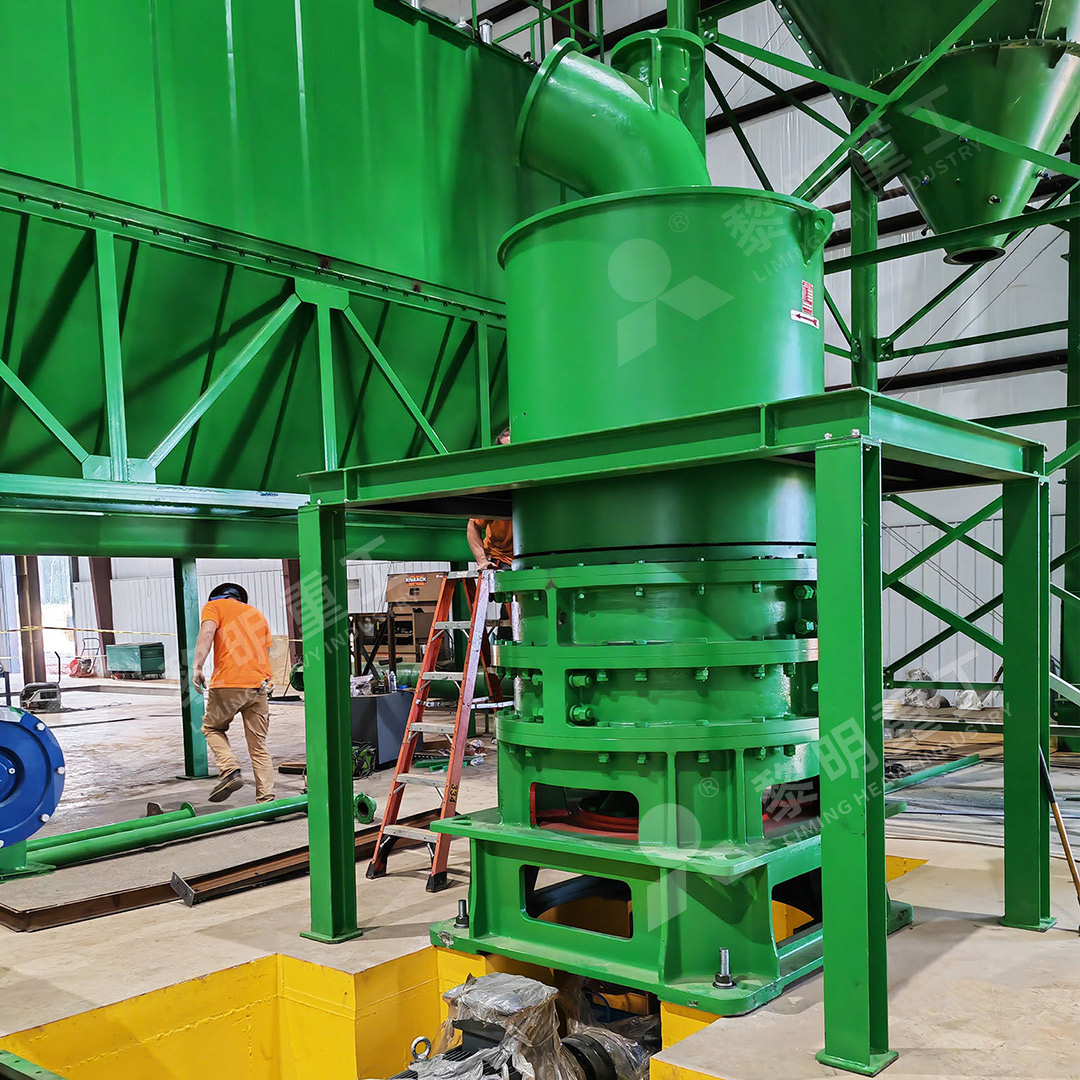
Beyond ultra-fine grinding, for operations processing slightly larger feed sizes or requiring integrated drying, the LUM Ultrafine Vertical Grinding Mill is another excellent option from our portfolio. With an input size of 0-10 mm and a capacity of 5-18 tph, it integrates grinding, grading, and transporting. It boasts unique roller shell and lining plate grinding curves that facilitate material layer formation, enabling a high rate of finished product in a single pass. This improves the whiteness and cleanliness of the final powder—a critical factor for many applications. Its PLC control system and multi-head powder separating technology offer precise control over grinding parameters, reducing energy consumption by 30%-50% compared to common grinding mills.
The successful grinding of phosphate slag transforms an environmental liability into a profitable commodity. The resulting fine powder can be used as a supplementary cementitious material in concrete, enhancing strength and durability, or as a soil conditioner in agriculture, providing essential minerals. This circular economy approach not only reduces waste and associated disposal costs but also creates a new revenue stream, demonstrating that sustainable practices can go hand-in-hand with economic growth. By leveraging advanced grinding technology like the MW and LUM mills, industries can effectively close the loop on phosphate slag, turning waste into a truly valuable resource.